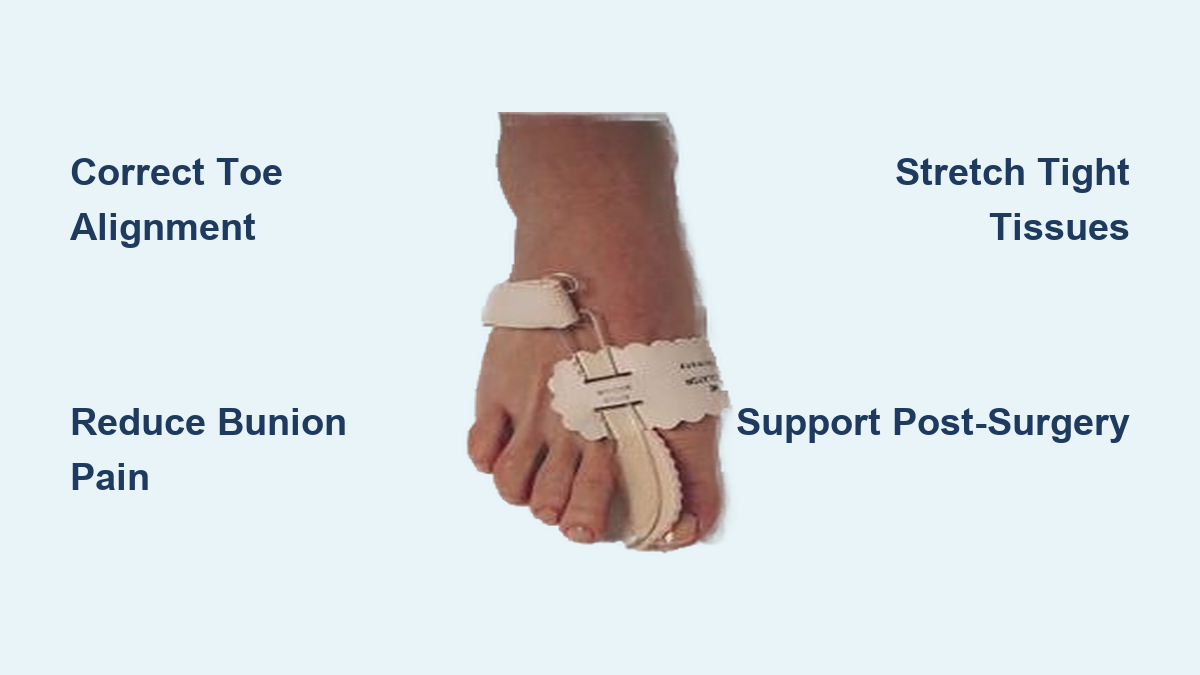
If you wake up with a dull ache in your big toe joint or notice your toe gradually drifting toward your second toe, you may be developing a bunion. A bunion regulator for nighttime use is a non-surgical orthopedic device designed to gently correct this misalignment while you sleep. It doesn’t cure the condition, but it can significantly reduce pain, improve toe positioning, and slow the progression of hallux valgus—the medical term for bunions. By applying consistent, low-force correction during rest, this splint helps stretch tight tendons and ligaments that pull the toe out of place, offering a conservative alternative to surgery.
Thousands of people use nighttime bunion regulators as part of their foot care routine, often on the recommendation of podiatrists or orthopedic specialists. These devices are especially beneficial for individuals with mild to moderate bunions who want to avoid or delay surgery. With regular use—typically 6 to 8 hours per night—many users report decreased stiffness, improved alignment, and greater comfort in shoes. Whether you’re managing early-stage symptoms or recovering from bunion surgery, understanding how a nighttime bunion regulator works and how to use it safely is essential for achieving real results.
How Nighttime Bunion Regulators Work

Nighttime bunion regulators function by applying passive, gradual correction while your foot is relaxed and unloaded. During sleep, soft tissues like tendons and ligaments become more flexible, making it an ideal time to reposition the big toe without strain.
Apply Gradual Corrective Force
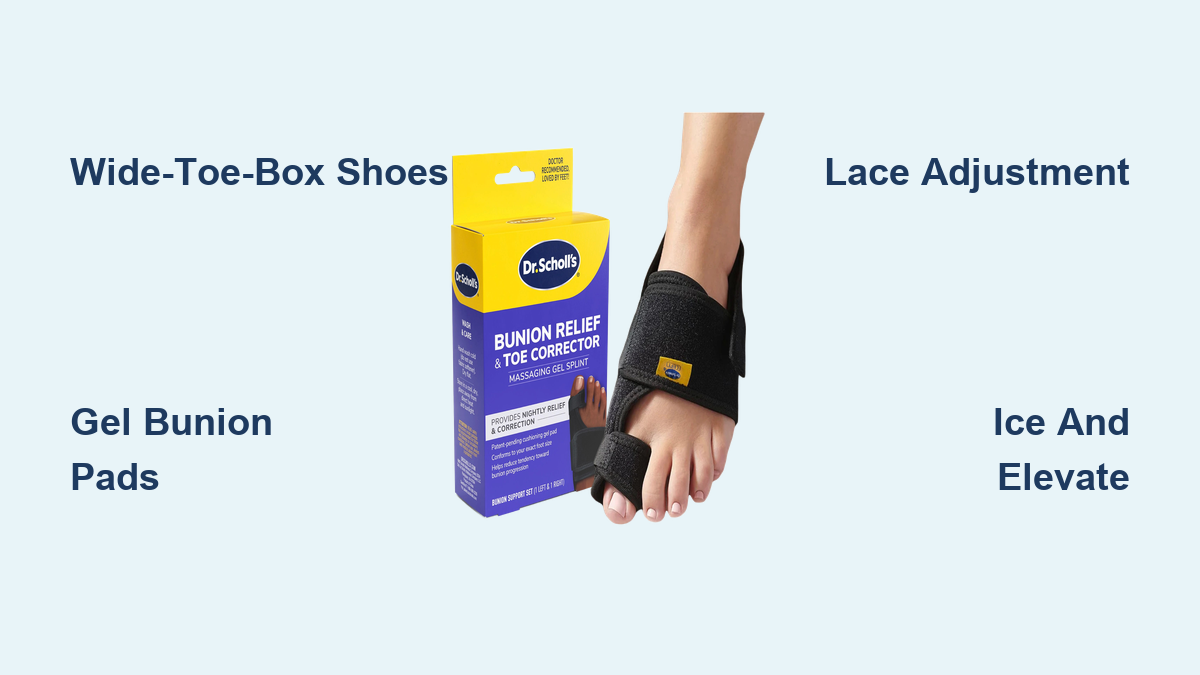
The device uses a rigid or semi-rigid splint arm to hold the big toe in a straighter, more anatomically correct position. An adjustable Velcro strap wraps around the foot and gently pulls the toe inward, counteracting the outward drift caused by bunion formation. This mild tension is maintained throughout the night, helping to retrain soft tissues over time without causing damage.
Stretch Tight Soft Tissues
As a bunion develops, the muscles, tendons, and ligaments around the big toe joint shorten and tighten, pulling the toe further out of alignment. The regulator combats this by holding the toe in a corrected position for several hours each night, gradually stretching these contracted tissues. Over weeks of consistent use, this can improve flexibility and reduce the forces that worsen the deformity.
Reduce Joint Pressure and Pain
A cushioned pad—often leather-covered—fits directly over the bunion bump to protect the sensitive joint from friction and pressure. This reduces mechanical stress during sleep, which can help lower inflammation and discomfort. Many users notice less swelling and stiffness when they wake up, especially after the first few weeks of use.
Support Post-Surgical Healing
After bunion surgery (bunionectomy), doctors may recommend wearing a nighttime regulator to maintain the corrected position during recovery. It helps stabilize the joint, prevent recurrence, and support healing by keeping the toe aligned while the bones and soft tissues mend.
Pro Tip: Start with 30 minutes of wear and gradually increase to full-night use. Jumping into all-night wear too quickly can lead to soreness or skin irritation.
Key Features of Effective Night Splints

High-quality nighttime bunion regulators share several design elements that enhance comfort, durability, and performance. Choosing a model with these features increases the likelihood of consistent use and better outcomes.
Adjustable Tension System
A hook-and-loop (Velcro) strap allows you to control the amount of corrective pressure. Begin with light tension and increase it slowly as your foot adapts. This prevents over-correction and minimizes discomfort.
Warning: If you feel numbness, tingling, or pain, the strap is too tight—loosen it immediately.
Anatomical Splint Design
The splint arm is contoured to match the natural shape of the foot. A concave cradle or padded section holds the bunion securely, while a rigid plastic support ensures consistent alignment. The leather or foam cushion protects the bony prominence from pressure sores.
Foot-Wrapping Configuration
Straps wrap around the outer side of the foot, thread through a top slot, and secure firmly. This triangular anchoring system prevents slippage during sleep and allows precise control over toe positioning.
Left/Right Foot Specificity
Most models are designed for left or right foot only, clearly marked to prevent incorrect use. Wearing the wrong side reduces effectiveness and may cause improper alignment.
Low-Profile and Lightweight Build
Top models are compact (around 4.5 x 2 x 8.5 inches) and weigh less than 2 ounces. This minimal bulk prevents discomfort under bed sheets and makes it easier to wear all night.
How to Use a Bunion Regulator Correctly
Proper application is crucial for both comfort and effectiveness. Follow these steps to ensure safe and successful use.
Step-by-Step Application
- Identify the correct foot – Match the device to your left or right foot using labeled markings.
- Insert your big toe – Slide it between the cushion and the splint arm, ensuring the bunion rests on the padded area.
- Wrap the strap – Pass it around the outer side of your foot, beneath the arch.
- Thread through the slot – Pull the strap up and through the opening on the top of the splint.
- Adjust tension – Gently pull until the toe begins to move toward the center—do not force it.
- Secure the strap – Fold it back and press firmly onto the Velcro.
- Add a sock (optional) – Wear a thin sock to reduce friction with bed sheets.
Visual Cue: Your big toe should point straight ahead, not inward or outward.
Gradual Wear Schedule
- Night 1–3: 30 minutes
- Week 1: 1–2 hours
- Week 2: 4 hours
- Week 3+: Full 6–8 hour night
Increasing duration slowly helps your foot adapt without irritation.
Common Mistakes to Avoid
- Over-tightening the strap – Causes pain, numbness, or skin damage
- Wearing while walking – Can break the device or injure your foot
- Using on broken or inflamed skin – Increases risk of infection
- Ignoring discomfort – Pain is a sign to loosen or stop use
Expert Note: If you feel tingling, coldness, or discoloration, remove the device immediately.
Materials and Care Instructions
The durability and comfort of a bunion regulator depend on its materials and maintenance.
Construction Materials
- Medical-grade plastic – Provides rigid support without bulk
- Leather or foam cushion – Protects the bunion from pressure
- Elastic or breathable fabric – Enhances comfort and allows airflow
- Velcro closure – Enables easy adjustment
- Latex-free options – Available in models like the PediFix M719, ideal for sensitive skin
Cleaning and Maintenance
- Hand wash only with mild soap and lukewarm water
- Rinse thoroughly and blot dry with a towel
- Air dry completely away from direct heat or sunlight
- Do not machine wash, bleach, or tumble dry
Note: Some sources claim machine-washable models—always check the manufacturer’s instructions.
With proper care, most regulators last several months. Replace if the plastic cracks, the Velcro fails, or the cushion wears down.
Sizing and Fit: Choose the Right Model

Wearing the correct size ensures optimal alignment and comfort. Sizing varies by brand, so refer to specific charts.
PediFix Sizing Guide
| Size | Women’s Shoe Size | Men’s Shoe Size |
|---|---|---|
| Small | 4–7 | 5–8 |
| Medium | 8–10 | 9–11 |
| Large | 11+ | 12+ |
Note: One source lists Medium as Men’s 6–8—always confirm with the retailer.
Profoot “One Size Fits Most”
The Profoot Good Night model is designed to stretch and fit most adult feet. It includes a pair (left and right) in one package, making it cost-effective for bilateral bunions.
Fit Tips
- Measure your foot if between sizes
- Consider foot width—wide feet may need a larger size
- Test the device after application: the toe should align naturally without strain
Who Should Use a Night Bunion Regulator?
Not everyone with a bunion will benefit. Understanding your condition helps determine if this device is right for you.
Ideal Candidates
- People with mild to moderate hallux valgus
- Those experiencing pain, stiffness, or swelling at the big toe joint
- Individuals seeking non-surgical bunion treatment
- Patients in post-op recovery needing nighttime stabilization
- Anyone wanting to delay or avoid surgery
Conditions It Helps
- Bunion deformity progression
- Forefoot arthritis
- Overlapping toes
- Tendon tightness
- Post-surgical alignment maintenance
Who Should Avoid It
- Severe bunions with rigid deformity
- Diabetics or neuropathy patients—only use under doctor supervision
- Poor circulation—increased risk of tissue damage
- Open wounds or infections on the foot
Critical: Consult your podiatrist if you have diabetes, vascular disease, or nerve damage.
Realistic Expectations: What It Can and Can’t Do
While effective, a nighttime bunion regulator has clear limitations.
What It Can Do
✅ Reduce pain and stiffness
✅ Improve toe alignment over time
✅ Slow bunion progression
✅ Support healing after surgery
What It Cannot Do
❌ Permanently eliminate a bunion
❌ Restore normal joint anatomy without surgery
❌ Correct severe structural deformities
Results depend on consistency, severity, and individual response. Most users see improvement in 2–6 weeks, but full benefits may take 3–6 months.
Final Note: A bunion regulator for nighttime use is a proven, non-invasive tool to manage bunion symptoms and support foot health. While not a cure, it offers real benefits for pain reduction, alignment improvement, and delaying surgery. With the right fit, proper use, and realistic expectations, it can become a valuable part of your foot care routine.