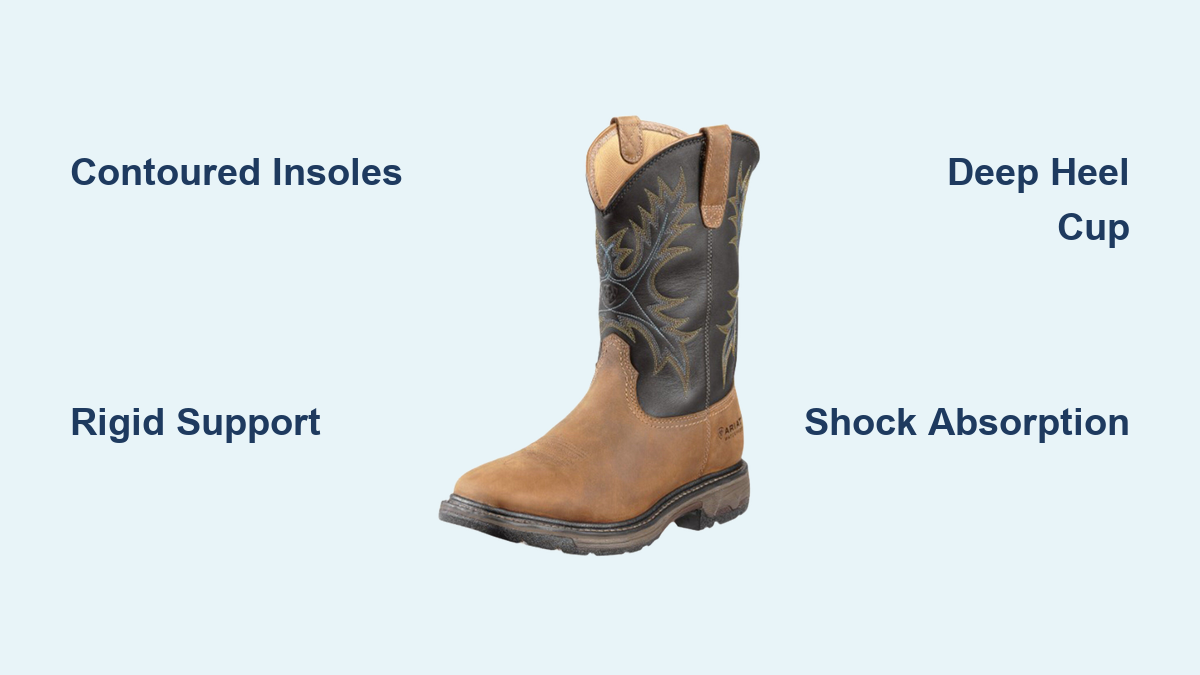
If you’re on your feet for 8 to 12 hours a day and have high arches, chances are you’ve felt the consequences—sharp heel pain, achy calves, unstable ankles, or even knee and lower back strain. High-arched feet, medically known as pes cavus, naturally make less contact with the ground, reducing shock absorption with every step. Research from the Journal of Foot and Ankle Research shows this can increase pressure on the heel and forefoot by up to 30% compared to neutral arches. On hard work surfaces like concrete or steel, that imbalance turns into chronic pain, plantar fasciitis, or long-term joint damage—especially without proper support in your work boots. The good news? You don’t have to suffer. By choosing the right boots, upgrading with targeted insoles, and avoiding common fit mistakes, you can stay comfortable and pain-free all shift long. This guide gives you a step-by-step plan to support high arches in work boots—so you protect your feet, your posture, and your productivity.
Choose Work Boots with Built-In Arch Support

The foundation of foot health starts with your boots. Not all work boots offer real arch support—many only provide cushioning, which does little to correct biomechanical imbalances.
Look for Contoured, Removable Insoles
Flat or flimsy insoles do more harm than good. They allow your high arch to collapse under weight, leading to instability and pain. Instead, choose boots with molded, anatomically contoured insoles that lift and cradle your arch. These should feature:
– A firm, elevated arch profile that matches high-arched anatomy
– Full-length support from heel to forefoot
– Removable design to accommodate custom orthotics
Examples: Thorogood’s shock-absorbing footbed and KEEN Utility’s key-cut insole are engineered for precision arch alignment, reducing fatigue and improving stability.
Prioritize Shock-Absorbing Midsoles
Hard work surfaces demand serious impact protection. Midsoles made from EVA (ethylene-vinyl acetate) or polyurethane (PU) absorb shock and reduce joint strain. For high arches, dual-density midsoles are ideal—firmer under the arch for support, softer in the heel and forefoot for cushioning. This balance prevents arch collapse while keeping you comfortable during long shifts.
Pro Tip: Danner and KEEN use dual-density EVA to deliver both stability and energy return, perfect for standing on concrete or walking uneven terrain.
Ensure Heel Stability and Snug Fit
High arches often come with weak ankle support, increasing the risk of rolling or twisting. A deep heel cup locks your foot in place, preventing slippage and blisters. Pair this with a padded ankle collar and athletic counter construction for rearfoot control.
Look for: Boots like the Wolverine Overpass 6-Inch that use reinforced heel counters to stabilize your gait and reduce fatigue.
Upgrade with High-Arch Insoles or Orthotics

Even supportive boots often lack enough structure for high arches. Upgrading your insoles is the most effective way to customize support and relieve pain.
Use Rigid or Semi-Rigid Arch Supports
Soft gel insoles may feel soft at first but compress quickly, leaving your arch unsupported. Rigid or semi-rigid insoles made from carbon fiber, thermoplastic, or polyurethane maintain alignment and prevent collapse.
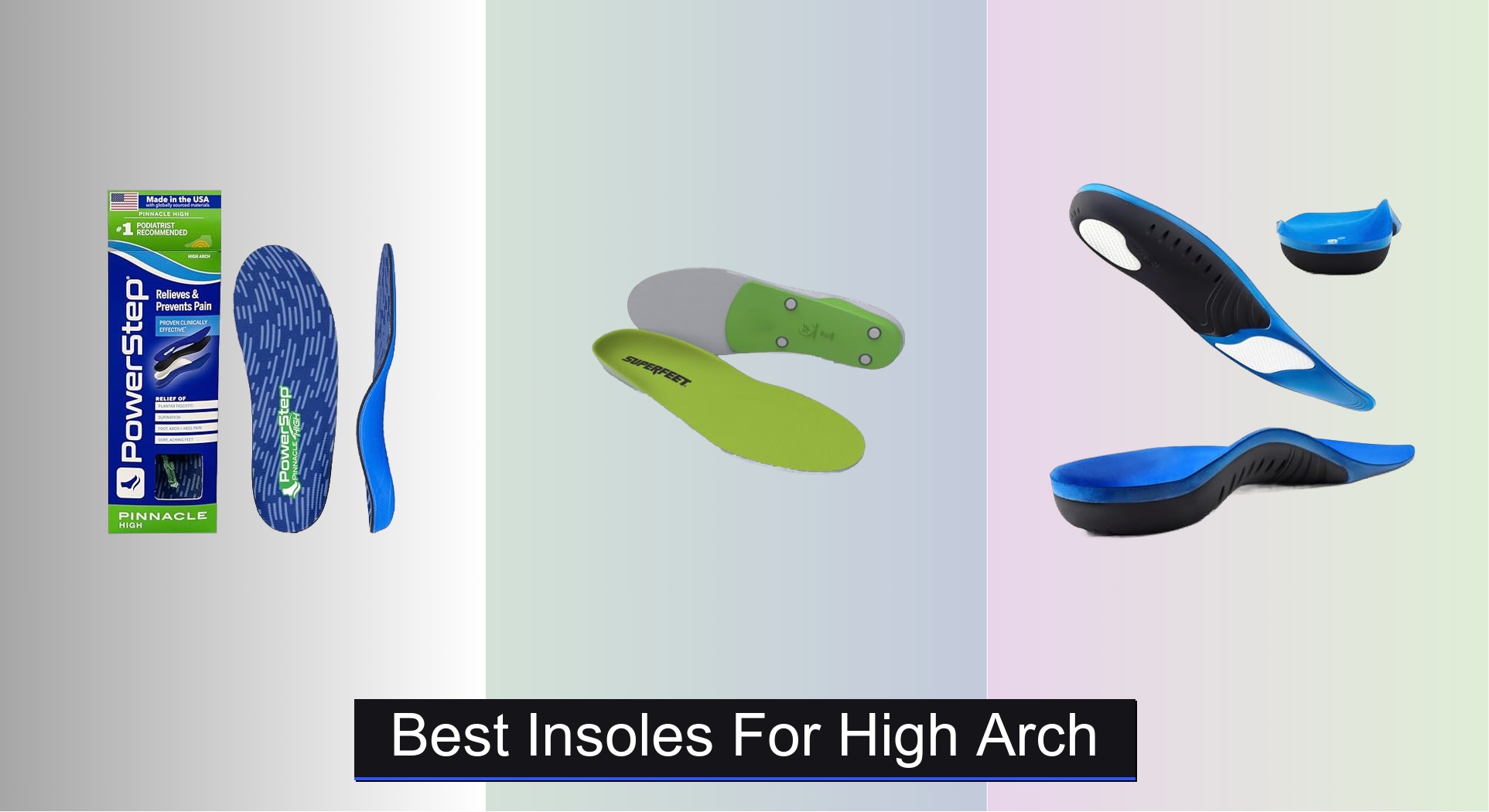
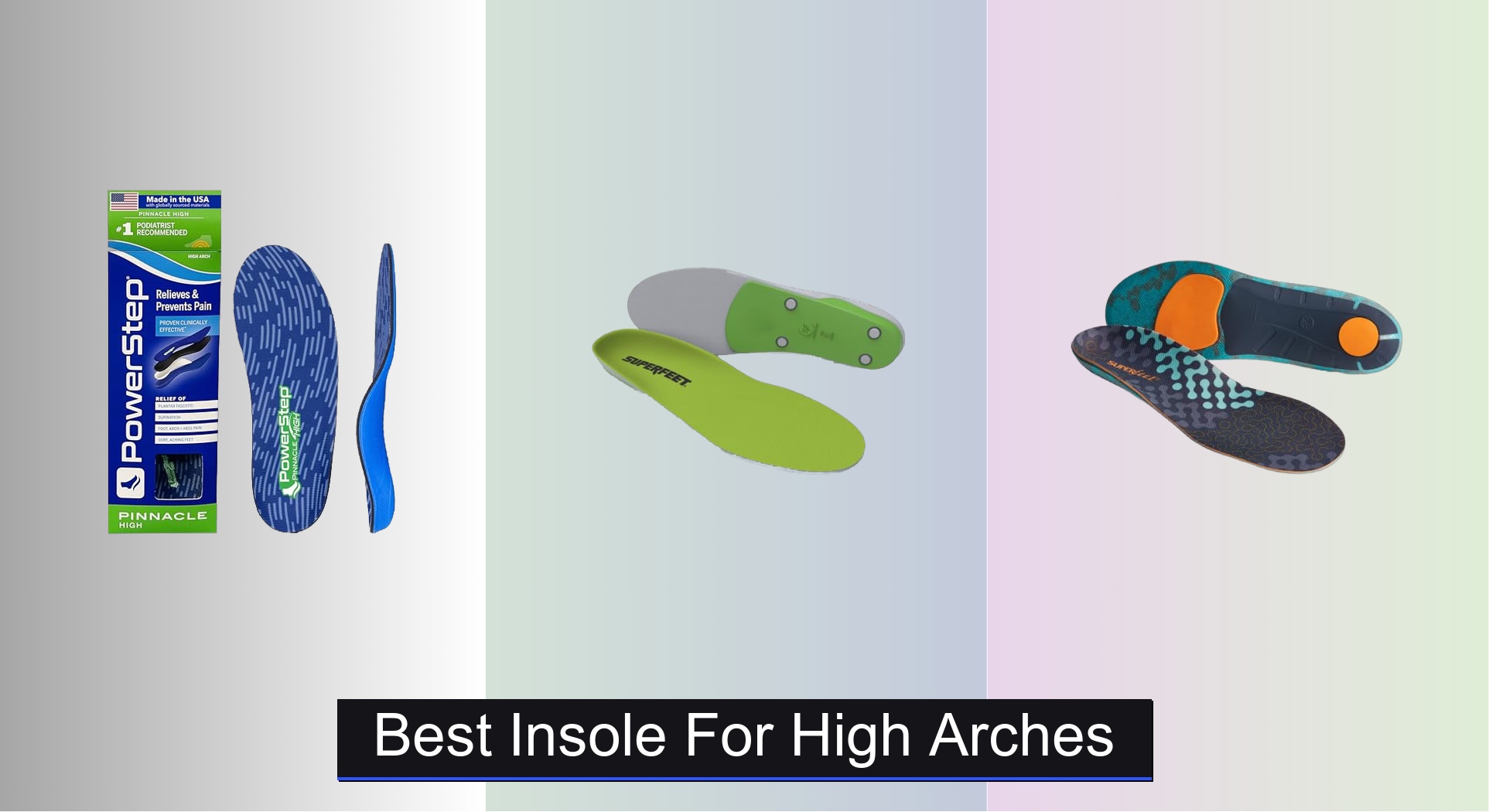
- Super Feet Green: Designed specifically for high arches, with a deep heel cup and firm arch support.
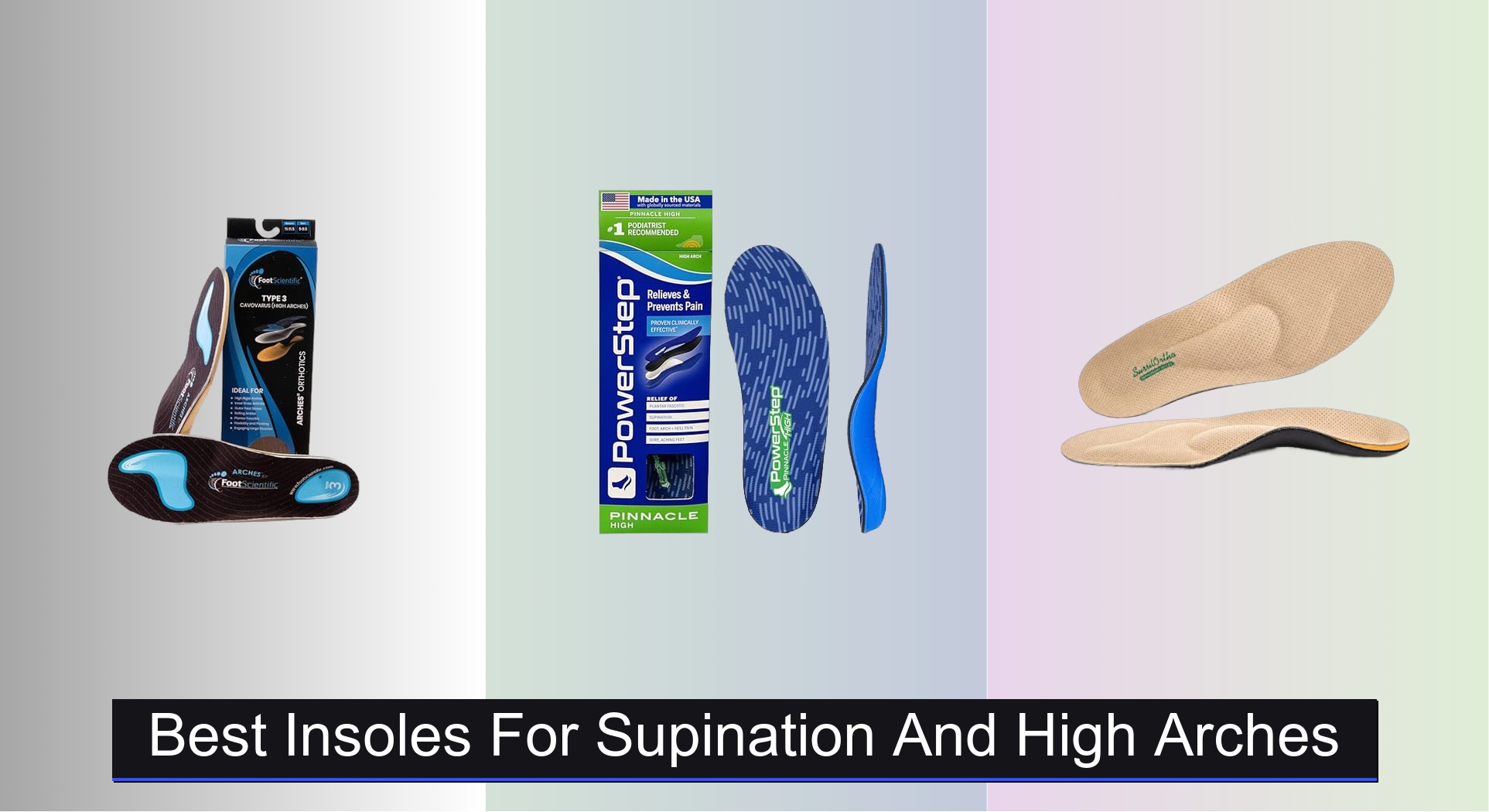
- Spenco Total Support: Features a rigid plastic base and targeted arch contouring to correct supination.
These insoles realign your foot, reducing strain on your plantar fascia and joints.
Try Dual-Density or Multi-Layer Insoles
For all-day comfort, consider insoles with multiple layers—a firm support base topped with memory foam or gel. These distribute pressure evenly while cushioning impact zones.
- Aetrex Orthotics: Use a polyurethane base with a memory foam top and Signature Arch Support to align your foot and absorb shock.
- TECKRS® Pro Cushion: Combines gel-like comfort with built-in arch contouring to prevent instability on hard floors.
Know When to Use Custom Orthotics
Over-the-counter insoles help most people, but see a podiatrist if you have:
– Persistent heel or arch pain
– Chronic knee, hip, or back pain
– Frequent ankle rolls or balance issues
Custom-molded orthotics are tailored to your exact foot shape and gait, offering unmatched support—especially for physically demanding jobs.
Select the Right Boot Fit and Features
A perfectly supportive insole won’t help if your boot doesn’t fit right. Even minor fit issues can lead to pain, blisters, or instability.
Get the Right Toe Box Width
A roomy toe box allows your toes to splay naturally, improving balance and reducing nerve pressure (like in Morton’s neuroma). It also creates space for thick orthotics.
Avoid: Narrow or tapered toe boxes that squeeze your feet and restrict movement.
Check for Supportive Shanks
A fiberglass or steel shank under the arch prevents foot fatigue and twisting, especially on uneven ground. It adds torsional rigidity—critical for roofing, construction, or utility work.
Top picks: Thorogood and Timberland PRO models include shanks for enhanced structural support.
Pick Slip-Resistant, Durable Outsoles
High-arched feet have less ground contact, making slipping more likely. Choose outsoles with:
– Deep lugs for grip on gravel or mud
– Oil-resistant rubber for wet or greasy floors
– Textured patterns like Max Wear Wedge or Trail Guard
These features keep you stable in demanding environments.
Match Insoles to Your Work Environment
Your job determines the best insole type. Don’t use one-size-fits-all inserts—match support to your daily demands.
Hard Floors (Concrete, Steel)
Prioritize shock absorption. Look for insoles with:
– Thick EVA or gel layers in heel and forefoot
– Firm arch support to prevent collapse
– Recommended: TECKRS® or Aetrex Industrial models
Prolonged Standing
Firm support beats soft cushioning. Choose insoles that:
– Distribute weight evenly
– Reduce muscle fatigue
– Maintain alignment over 8–12 hours
– Recommended: Super Feet Green or Spenco Full-Length
Heavy Loads or Intensive Walking
You need lateral stability and durability. Opt for:
– Semi-rigid orthotics with deep heel cups
– Breathable, moisture-wicking tops
– Recommended: Custom orthotics or Aetrex Heavy-Duty series
Hot or Wet Conditions
Choose insoles that:
– Wipe sweat away fast
– Resist odor and breakdown
– Work with breathable or waterproof boots
– Recommended: Aetrex with antimicrobial cover or KEEN K-30 insoles
Avoid Common Support Mistakes
Even small errors can sabotage your foot health. Steer clear of these frequent missteps.
Don’t Use Soft, Flat Insoles
Foam or gel insoles without arch structure increase instability. They compress quickly, leaving your arch unsupported and worsening pain.
Fix: Always pair cushioning with firm arch support.
Don’t Ignore Heel Cup Depth
A shallow heel cup lets your foot slide, causing blisters and poor alignment. Look for insoles with deep, structured heel cups that cradle your foot.
Never Keep Stock Insoles with Orthotics
Layering insoles reduces space and alters fit. Always remove the factory insole before inserting orthotics.
Avoid Cotton Socks
Cotton holds moisture, reducing insole effectiveness and increasing odor. Wear wool or synthetic moisture-wicking socks with cushioned soles.
Rotate Boots and Maintain Footwear
Long-term comfort depends on care and rotation.
Rotate Between Two Pairs
Switching boots daily lets each pair dry out fully, preventing odor, material breakdown, and insole compression. It also extends boot life.
Replace Insoles Every 6–12 Months
Even durable insoles lose support over time. Replace them when you notice:
– Flattened arches
– Visible wear or tears
– Lingering foot or joint pain
– Strong odor (indicates bacterial buildup)
Heavy users (8+ hours/day): Replace every 4–5 months.
Clean and Condition Boots Regularly
- Wipe down leather with a damp cloth
- Use conditioner to prevent cracking
- Air dry—never use direct heat
- Use odor-neutralizing sprays if needed
Best Work Boots for High Arches (2024)

Based on fit, support, and durability, these models lead the market.
Thorogood American Heritage 6-Inch
- Best Overall: Goodyear storm welt construction, fiberglass shank, shock-absorbing footbed, and Max Wear Wedge outsole. Ideal for industrial and construction work.
Wolverine Overpass 6-Inch Composite
- Best Lightweight Option: OrthoLite insole with high-arch support, athletic counter, and waterproof membrane. Great for mobility-focused jobs.
Timberland PRO 5.25 Endurance
- Best for All-Day Wear: Anti-fatigue midsole, single-density PU footbed, and fiberglass shank. Minimal break-in, excellent breathability.
KEEN Utility Flint Mid
- Best for Precision Support: Dual-density midsole, stability shank, and ventilated mesh. Designed specifically for high-arched biomechanics.
Danner Vicious 4.5-Inch
- Best Fit and Agility: Speedlace system for snug lockdown, dual-density EVA footbed, and oil-resistant outsole. Perfect for fast-paced environments.
Final Tips for Pain-Free Work Shifts
Supporting high arches in work boots isn’t optional—it’s essential for long-term health and performance. Start by diagnosing your arch type with the wet foot test: step on paper with a wet sole. If the imprint shows a narrow midfoot and deep curve, you have high arches. Then, build your support system:
1. Choose boots with removable, contoured insoles and supportive shanks
2. Upgrade to rigid or semi-rigid insoles like Super Feet or Aetrex
3. Wear moisture-wicking socks and rotate boots
4. Replace insoles every 6–12 months
5. See a podiatrist if pain persists
With the right setup, you can stand, walk, and work all day without foot pain. Your arches deserve support—not just cushioning. Invest in the right boots and insoles, and you’ll feel the difference from your feet to your spine.