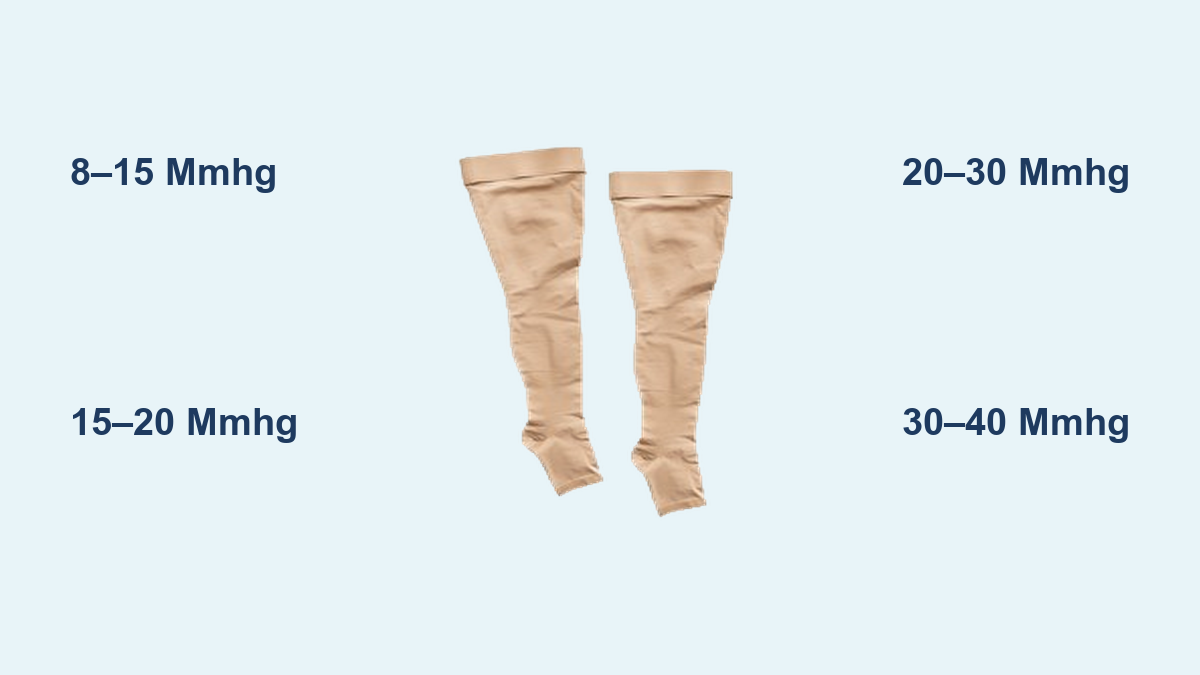
If your legs ache, feel heavy, or swell by the end of the day—or if you’ve been diagnosed with a circulatory condition—your doctor may have recommended medical grade compression. Unlike the snug support socks sold at drugstores, these are precisely engineered medical devices designed to treat serious vascular and lymphatic disorders. Used globally in clinical settings, they apply graduated pressure—strongest at the ankle or wrist, gradually decreasing upward—to help blood and lymph fluid flow back to the heart, reducing swelling, preventing clots, and aiding in healing.
Medical grade compression is measured in millimeters of mercury (mmHg), the same unit used for blood pressure. This isn’t guesswork: each compression level delivers a specific, calibrated force that must meet strict regulatory standards (such as FDA or CE). From mild fatigue to advanced lymphedema, five distinct mmHg ranges address different conditions, symptoms, and stages of disease. Choosing the right one isn’t just about comfort—it’s a medical decision that impacts safety and outcomes. In this guide, you’ll learn exactly what medical grade compression is, how the levels work, who needs them, and how to use them safely and effectively.
Compression Levels Explained by mmHg
What mmHg Means for Compression Therapy
mmHg (millimeters of mercury) measures the pressure a compression garment exerts on your skin and tissues. The higher the number, the stronger the squeeze. Medical grade garments are manufactured to maintain consistent pressure across the limb, ensuring therapeutic benefit throughout the day—unlike over-the-counter support hose, which often lose their compression after a few wears.
The key to effectiveness is graduated compression: tightest at the ankle or wrist, looser as it moves up the limb. This gradient mimics the body’s natural muscle-vein pump, helping push fluid upward against gravity. Without this design, blood and lymph can pool in the lower extremities, leading to swelling, skin changes, ulcers, and increased clot risk.
Each mmHg level corresponds to a specific clinical use, from mild symptom relief to managing severe chronic conditions. Using too little pressure may fail to control swelling; using too much without proper assessment can restrict blood flow and damage tissue.
International Classification Systems for Compression

RAL and Afnor Standards Compared
Two major systems classify medical compression: RAL (Germany/EU) and Afnor (France). While U.S. providers typically refer directly to mmHg ranges, these standards ensure consistent manufacturing and performance across Europe.
| Compression Level (mmHg) | RAL Class | Afnor Class | Common Label |
|---|---|---|---|
| 8–15 | Class 1 | Class 1 | Mild |
| 15–20 | Class 1 | Class 2 | Medium / Mild Support |
| 20–30 | Class 2 | Class 3 | Firm / Moderate (Class I) |
| 30–40 | Class 3 | Class 4 | Extra-Firm (Class II) |
| 40–50 | Class 4 | Class 5 | Very Firm (Class III+) |
Important: Labeling varies. For example, 15–20 mmHg may be sold as RAL Class 1 in Germany but Afnor Class 2 in France. Always check the actual mmHg value, not just the class label, to ensure you’re getting the right pressure.
Mild Compression: 8–15 mmHg
When to Use Light Support
This is the lowest medical-grade level, often marketed as “mild” or “light” support. It sits at the edge between wellness and therapy—helpful for early symptoms but not strong enough to treat diagnosed venous or lymphatic disease.
Best for:
– Leg fatigue or heaviness from long sitting or standing
– Mild swelling during pregnancy
– Preventing spider or varicose veins
– Long flights (over 4 hours) to reduce DVT risk
– Post-exercise recovery in healthy individuals
Availability: Sold over-the-counter; no prescription needed.
Effectiveness: Proven to reduce occupational leg swelling and improve comfort, but insufficient for managing lymphedema or venous ulcers.
Tip: Ideal for office workers, travelers, or those easing into compression wear.
Medium Compression: 15–20 mmHg
First-Line Medical Support
This is the most commonly recommended level for mild medical conditions and preventive care. It’s often the starting point for first-time users and is widely used by healthcare providers.
Indications:
– Mild to moderate venous insufficiency
– Pregnancy-related leg swelling
– Post-sclerotherapy recovery
– DVT prevention in moderate-risk patients
– Nurses, teachers, and others with long shifts
Benefits:
– Reduces leg swelling within 48 hours
– Improves venous return
– Slows progression of early vein disease
Evidence: Clinical studies confirm significant reduction in lower limb edema with daily use.
Note: While available OTC, a prescription may be required for insurance coverage.
Firm Compression: 20–30 mmHg
Treating Moderate Venous and Lymphatic Conditions
This is the first prescription-level compression in most countries and the standard daytime wear for chronic conditions.
Prescription required? Often yes.
Used for:
– Varicose veins with pain or swelling
– Chronic venous insufficiency
– Post-thrombotic syndrome
– Mild to moderate lymphedema (Stage I–II)
– Post-surgical recovery (e.g., vein ablation)
– Orthostatic hypotension support
Key benefits:
– Controls edema
– Supports ulcer healing
– Prevents clot formation
– Maintains volume after decongestive therapy
Fit matters: Must be properly sized. Ill-fitting garments can cause skin damage or reduce effectiveness.
Warning: If swelling returns by day’s end, a higher level (30–40 mmHg) may be needed.
High Compression: 30–40 mmHg

Managing Advanced Swelling and Lymphedema
This level is prescription-only and used under medical supervision for moderate to severe conditions.
Indications:
– Severe edema
– Advanced lymphedema (Stage II–III)
– Active venous ulcers
– Post-mastectomy swelling
– Persistent fluid despite lower compression
Garment types:
– Flat-knit stockings (stiffer, better for fibrotic tissue)
– Adjustable wraps (e.g., Solaris ReadyWrap) for fluctuating limbs
Clinical role:
– Part of maintenance phase after initial decongestion
– Used when 20–30 mmHg fails to control daily rebound
Safety first: Requires ankle-brachial index (ABI) test to rule out peripheral arterial disease (PAD). Not safe for patients with poor circulation or fragile skin.
Pro tip: Flat-knit garments offer better shape control and durability but are harder to put on—donning aids or zippers can help.
Maximum Compression: 40–50 mmHg
For Severe, Refractory Cases Only
This is the highest medical grade, reserved for complex, non-responsive conditions and used only under physician supervision.
Indications:
– Severe chronic edema
– Advanced venous ulcers
– Fibrotic lymphedema (especially lower limbs)
– Cases unresponsive to lower levels
Fitting requirements:
– Custom-made by certified fitters (e.g., lymphedema therapists)
– Off-the-shelf options rare
– Often flat-knit or structured wraps
Use cases:
– Massive limb enlargement
– Long-term containment after intensive therapy
Safety risks:
– Contraindicated in ischemia, uncontrolled heart failure, untreated infection
– Requires daily skin checks for redness, numbness, or sores
Critical: Never self-prescribe this level. Misuse can lead to tissue damage or limb ischemia.
Medical vs. Non-Medical Compression
Key Differences That Matter
| Feature | Medical Grade | Non-Medical (OTC) |
|---|---|---|
| Regulation | FDA/CE-regulated medical devices | Wellness products, not regulated |
| Pressure Accuracy | Precisely calibrated and tested | Variable, often overstated |
| Graduation | True gradient (tightest at ankle) | Uniform or poorly graduated |
| Durability | Maintains compression for 3–6 months | Loses squeeze quickly |
| Use Cases | Treats venous disease, lymphedema, ulcers | Reduces fatigue, travel discomfort |
| Fit Options | Custom, multiple sizes, lengths | Limited, one-size-fits-most |
| Prescription | Required for 20–30 mmHg and above | Always OTC |
| Cost | Higher, often covered by insurance | Low, retail-priced |
Bottom line: Non-medical compression may feel supportive, but only medical grade delivers therapeutic outcomes.
Fabric Types: Flat-Knit vs. Circular-Knit
Choosing the Right Material
Flat-Knit Garments
- Stiffer, more structured
- Best for fibrotic tissue, severe swelling, shape control
- Ideal for Stage II–III lymphedema
- Harder to put on—may need donning aids
- Often custom-made
Circular-Knit Garments
- Softer, stretchier
- Better for mild to moderate swelling
- Easier to don
- Common for athletes, daily wear, Stage I lymphedema
- Mostly off-the-shelf
Pro tip: If your limb doesn’t reduce swelling with circular-knit, switch to flat-knit for better control.
Adjustable Wraps and Night Garments
Alternatives for Special Needs
Adjustable Compression Wraps
- Use Velcro or straps for easy adjustment
- Ideal for:
- Fluctuating limb size
- Arthritis or limited dexterity
- Home self-management
- Examples: CircAid JuxtaFit, Solaris ReadyWrap
- Can be re-tensioned during the day
- No perfect sizing needed
Night Compression Garments
- Designed for overnight wear
- Made of foam or channeled fabric
- Apply low-load, distributed pressure
- Prevent fluid reaccumulation while lying down
- Not the same as daytime stockings
Warning: Never wear regular compression socks to bed—they can restrict blood flow when lying flat.
Who Should Use Medical Compression?
Target Groups and Recommended Levels
| Group | Condition | Recommended Level |
|---|---|---|
| Nurses, Teachers, Retail Workers | Occupational swelling | 15–20 mmHg |
| Pregnant Women | Leg swelling, varicose veins | 15–20 mmHg (20–30 if symptomatic) |
| Travelers | DVT prevention | 15–20 mmHg |
| Athletes | Recovery, DOMS reduction | 15–20 mmHg |
| Post-Surgical Patients | Edema, DVT prevention | 20–30 mmHg or higher |
| Lymphedema Patients | Volume control | 20–30 mmHg (Stage I–II), 30–40 mmHg (Stage II–III) |
| Chronic Venous Insufficiency | Ulcers, swelling | 20–30 mmHg to 40–50 mmHg |
| Diabetics with Edema | Use with caution | Only after ABI test |
Key: Always consult a provider before starting compression—especially at 20–30 mmHg and above.
Contraindications: When Not to Use Compression
Safety First—Know the Risks
Avoid or use with extreme caution in:
– Peripheral arterial disease (PAD) (ABI < 0.5)
– Uncontrolled heart failure
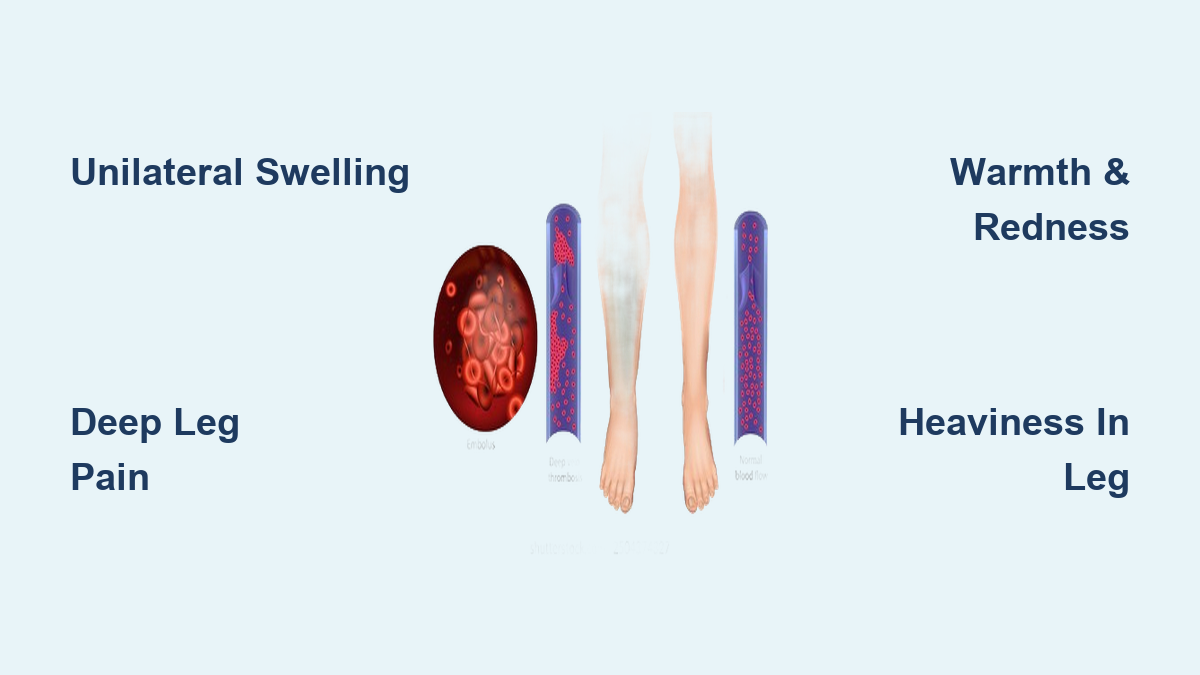
– Acute DVT or cellulitis
– Severe neuropathy
– Ischemic limbs
– Untreated septic thrombophlebitis
– Phlegmasia cerulea dolens
– Open, infected, or weeping skin lesions
Rule: Always get an arterial assessment (ABI) before prescribing 20–30 mmHg or higher.
Proper Sizing and Fitting
How to Measure for Compression
Accurate sizing ensures effectiveness and prevents complications.
When to measure:
– Morning, before swelling starts
– Lie down or sit with legs elevated
Key measurements (lower limb):
– Ankle: Narrowest point
– Calf: Widest point
– Calf length: Floor to knee bend (knee at 90°)
– Thigh (if thigh-high): Circumference and length
– Shoe size: Some brands use it in sizing
Best practice: Have a certified fitter take measurements for prescription garments.
Clinical Decision-Making Guide
How Doctors Choose the Right Level
- Assess Diagnosis: Venous insufficiency, lymphedema, PTS?
- Check Arterial Status: Perform ABI test
- Evaluate Function: Can the patient don the garment?
- Set Goals: Reduction vs. maintenance phase
- Start Low, Step Up: Begin with lowest effective level
Pro tip: Trial wear during clinic visit helps assess tolerance and fit.
Frequently Asked Questions
Can 15–20 mmHg Treat Lymphedema?
Only in very mild cases. Most require 20–30 mmHg or higher.
Why Does 30–40 mmHg Feel So Tight?
It’s not just 10 mmHg more—it’s often stiffer fabric and higher functional pressure.
Can I Sleep in Compression?
No—use specialized night garments if prescribed.
Can’t Put On High-Compression Socks?
Try donning aids, zippers, or adjustable wraps.
Do Compression Socks Boost Athletic Performance?
No strong evidence for performance gain, but they improve recovery.
How Many Hours Should I Wear Them?
Typically 6–12 hours daily, during waking hours. Remove at night.
Medical grade compression is a cornerstone treatment for venous and lymphatic disorders. The right level depends on your diagnosis, severity, and goals. Start with the lowest effective pressure and step up only if needed. Always consult a healthcare provider—especially for levels 20–30 mmHg and above—to ensure safety and effectiveness.
With proper selection, accurate fitting, and consistent use, medical compression can reduce swelling, prevent complications, and improve quality of life. Whether you’re managing a chronic condition or preventing travel-related DVT, understanding these levels empowers you to make informed, safe choices for long-term vascular and lymphatic health.