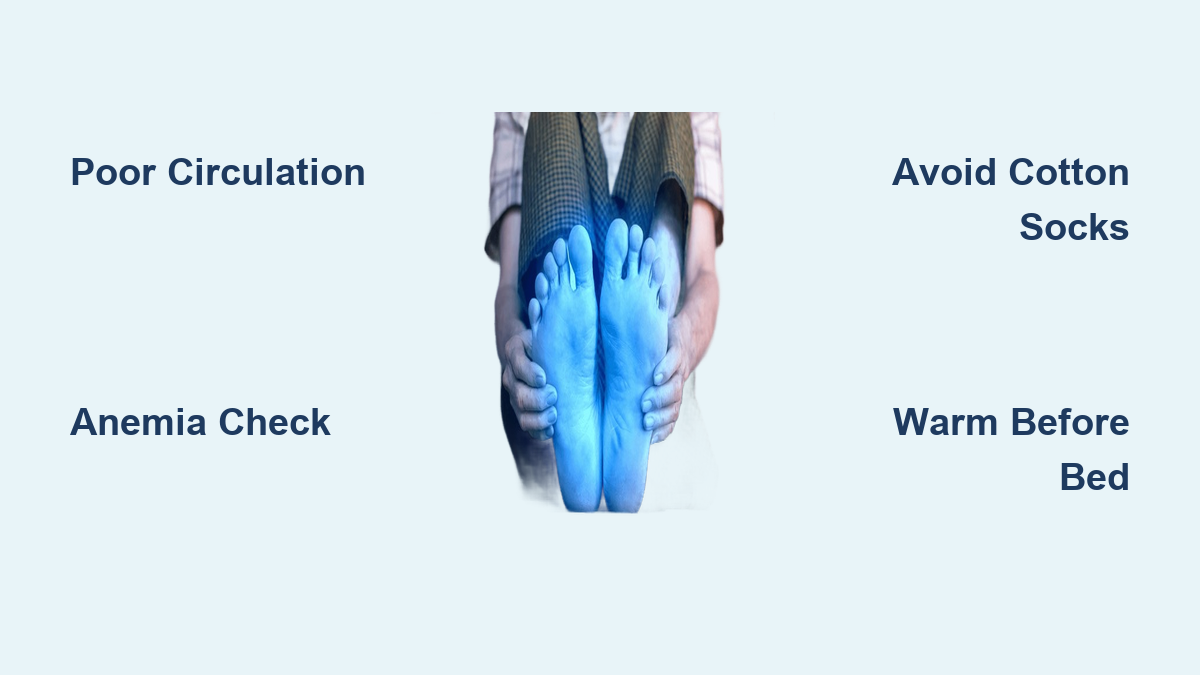
You pull on thick, cozy socks. You tuck your feet under a warm blanket. Yet your toes still feel like they’ve been dipped in ice water. If this sounds all too familiar, you’re not alone. Cold toes even when wearing socks affect millions—especially at night or during colder months. While it might seem like a minor annoyance, persistent cold toes often point to deeper physiological or medical issues beyond just poor insulation.
Socks can’t override your body’s natural survival instincts. When temperatures drop, your blood vessels constrict to preserve heat for vital organs—a process called vasoconstriction. This means less warm blood reaches your hands and feet, leaving your toes starved of warmth. But if cold toes persist despite heated rooms and layering, it may signal something more serious: poor circulation, nerve damage, or an underlying health condition like anemia or hypothyroidism.
This guide breaks down the real causes of cold toes even when wearing socks, separates myths from science, and delivers practical, evidence-based solutions—from choosing the right sock material to recognizing when it’s time to see a doctor.
How Your Body Prioritizes Warmth
Blood Flow Shifts Away from Toes
Your body maintains a core temperature of about 98.6°F (37°C) to keep your heart, brain, and lungs functioning. In cold environments or during rest, your autonomic nervous system kicks in, narrowing blood vessels in your extremities.
- This vasoconstriction reduces blood flow to your toes and fingers.
- Socks provide insulation, but they can’t force warm blood into restricted vessels.
- The result? Cold toes—even with multiple layers.
This is a normal survival mechanism. But when it becomes chronic or extreme, it can indicate a problem with your circulation or metabolism.
Why Toes Cool Faster Than Other Body Parts
Toes are uniquely vulnerable to cold due to their anatomy:
– Minimal muscle mass: Muscles generate heat—feet have little.
– High surface-area-to-volume ratio: They lose heat quickly.
– Small, easily constricted blood vessels: Prone to shutting down under stress.
These factors make cold toes an early warning sign of circulatory or metabolic dysfunction.
Medical Conditions That Cause Cold Toes

Poor Circulation: Blocked or Narrowed Arteries
Reduced blood flow is one of the top reasons toes stay cold. When arteries narrow due to plaque buildup or disease, warm blood can’t reach your feet efficiently.
Signs of Circulatory Problems:
- Feet take forever to warm up
- Skin appears pale, blue, or mottled
- Leg cramping during walking (claudication)
Common Causes:
– Peripheral Artery Disease (PAD): Narrowed leg arteries; increases risk of heart attack and stroke.
– Raynaud’s Disease: Sudden spasms in blood vessels triggered by cold or stress—causing toes to turn white → blue → red. Affects up to 5% of people.
– High blood pressure or cholesterol: Damages blood vessels over time.
Did You Know? Raynaud’s is often mistaken for “just cold feet,” but it can be a sign of autoimmune conditions like lupus.
Anemia: Not Enough Oxygen in the Blood
Iron-deficiency anemia means your red blood cells can’t carry enough oxygen. Without adequate oxygen, your tissues—including your toes—don’t get the fuel they need to stay warm.
Symptoms to Watch For:
– Constant coldness, especially in extremities
– Fatigue, dizziness, pale skin
– Shortness of breath
A simple CBC and ferritin blood test can confirm anemia. Treatment often includes iron supplements and dietary changes.
Hypothyroidism: Slowed Metabolism
Your thyroid controls your metabolic rate—and heat production. When it’s underactive, your body burns less energy, generating less warmth.
Other Clues You Might Have Hypothyroidism:
– Unexplained weight gain
– Dry skin and hair loss
– Constipation and fatigue
Common in women over 40, this condition is diagnosed with TSH, T3, and T4 blood tests.
Diabetes and Nerve Damage

Diabetes harms both nerves and blood vessels—creating a double threat to foot warmth.
Two Key Issues:
- Diabetic Neuropathy: Damaged nerves misread temperature—your brain thinks your feet are cold, even if they’re not.
- Vascular Damage: High blood sugar stiffens arteries, reducing blood flow.
Warning: Cold toes in diabetics can hide injuries or sores due to numbness—increasing the risk of ulcers and infections.
Peripheral Neuropathy (Non-Diabetic)
Nerve damage isn’t exclusive to diabetes. Other causes include:
– Vitamin B12 deficiency
– Alcohol abuse
– Autoimmune diseases (e.g., lupus)
– Chemotherapy or infections like Lyme disease
Neuropathy can cause paradoxical cold sensations—feeling cold when your feet are actually warm to the touch.
Nerve Compression in the Back or Legs
Tight muscles or spinal issues can pinch nerves that control foot sensation and circulation.
- Piriformis syndrome, for example, compresses the sciatic nerve, affecting leg blood flow.
- Often overlooked but treatable with physical therapy.
Lifestyle Habits That Make Cold Toes Worse
Sitting Too Long Cuts Off Circulation
Leg muscles act as pumps to push blood back to the heart. Sitting for hours slows this process, causing blood to pool in your lower legs.
Fix It:
– Stand and walk every 30 minutes
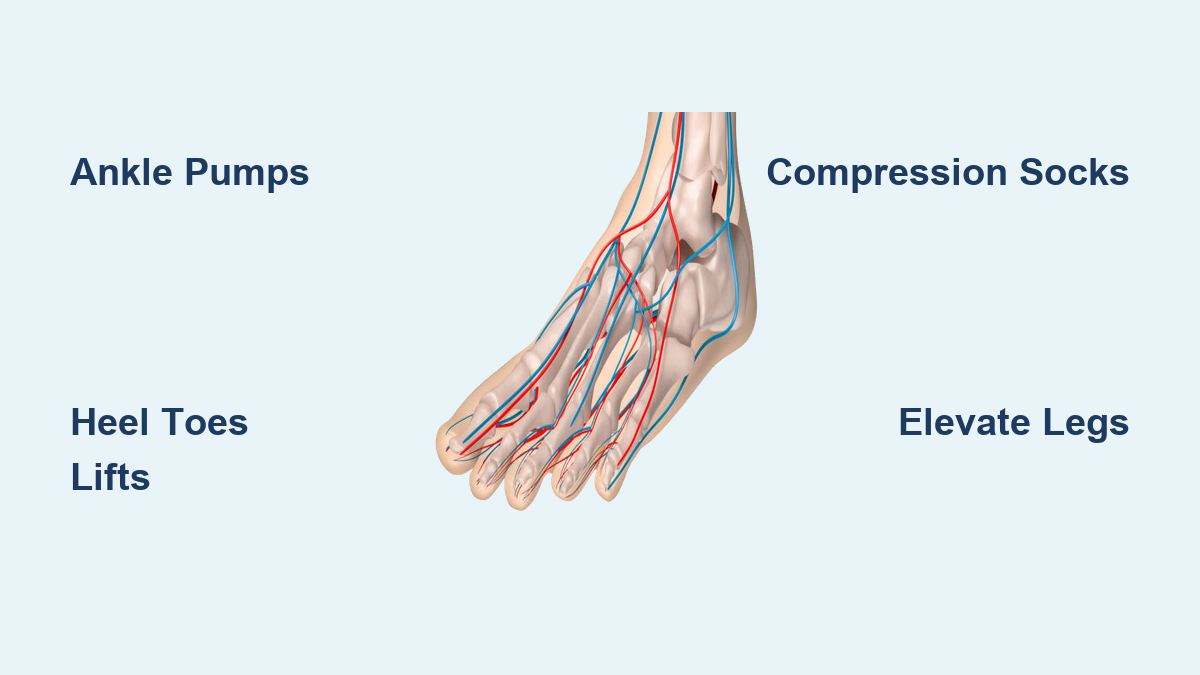
– Do ankle circles and toe raises at your desk
– Take a brisk 10-minute walk before bed—it can warm your feet for hours
Smoking Constricts Blood Vessels
Nicotine is a powerful vasoconstrictor—it narrows blood vessels and drastically reduces blood flow to your extremities.
- Even vaping can trigger cold toes
- Young smokers may dismiss symptoms, but damage starts early
Good News: Circulation begins improving within weeks of quitting.
Diet Deficiencies Affect Warmth
Your food fuels your metabolism and vascular health.
Key Nutrients for Warm Feet:
- Iron: Prevents anemia (red meat, spinach)
- Omega-3s: Support healthy blood vessels (salmon, flaxseeds)
- Vitamin B12: Prevents neuropathy (eggs, dairy)
- Vitamin E: Protects blood vessel linings (almonds, avocados)
- Ginger & cayenne: Stimulate circulation (spices, teas)
Hydration matters too: Dehydrated blood is thicker and flows slower.
Alcohol Causes Rebound Cooling
Alcohol initially dilates blood vessels, making you feel warm. But within an hour:
– Core temperature drops
– Body loses heat rapidly
– Rebound vasoconstriction leaves extremities cold
Chronic drinking also damages nerves and blood vessels long-term.
Why Socks Can Make Cold Toes Worse

Cotton Traps Moisture and Chills Feet
Cotton absorbs sweat but doesn’t wick it away. Damp socks = faster heat loss.
Better Alternatives:
– Merino wool: Warm, moisture-wicking, odor-resistant
– Synthetic blends: Designed for dryness and performance
– Thermal/mountaineering socks: Extra insulation
Pro Tip: Avoid cotton socks, especially at night.
Too Many Socks Restrict Blood Flow
Layering multiple socks may seem logical—but tight compression cuts off circulation.
- Constricted vessels = less warm blood
- Similar to wearing shoes that are too tight
Rule of Thumb: One pair of well-fitting, warm socks > three tight pairs.
Socks Block Body Heat Transfer
Here’s a surprising twist: wearing socks in bed might prevent your feet from warming up.
- Bare feet can absorb heat directly from your warmer legs and torso
- Socks act as insulation—even from your own body heat
- Like mittens vs. gloves: skin-to-skin contact retains more warmth
User Experience: Many report warmer feet after removing socks in bed.
Putting On Socks Too Late at Night
If your feet are already cold, adding socks late won’t reverse vasoconstriction.
Smart Strategy: Wear warm socks 2–3 hours before bed to maintain gradual warmth.
Immediate Ways to Warm Cold Toes
Use External Heat Sources
- Hot water bottle: Place at foot of bed or against calves
- Boiling water in a metal flask: Wrap in cloth—lasts all night
- Heated foot pad or blanket: Use on low setting with a timer
- Heated foot bath with massage: Boosts circulation while relaxing
⚠️ Safety Note: Never sleep with unattended electric devices.
Boost Circulation Without Equipment
- Move your feet: Ankle rolls, toe spreads, calf raises
- Rub feet together under covers
- Knee tuck: Tuck one foot behind the opposite knee, alternate
- Calf contact: Rest foot on warm calf to transfer heat
Try Contrast Hydrotherapy
Alternate hot and cold water in the shower (30 sec each, 3–5 cycles).
– Trains blood vessels to respond better
– Improves long-term circulation
Wear Compression Socks (Correctly)
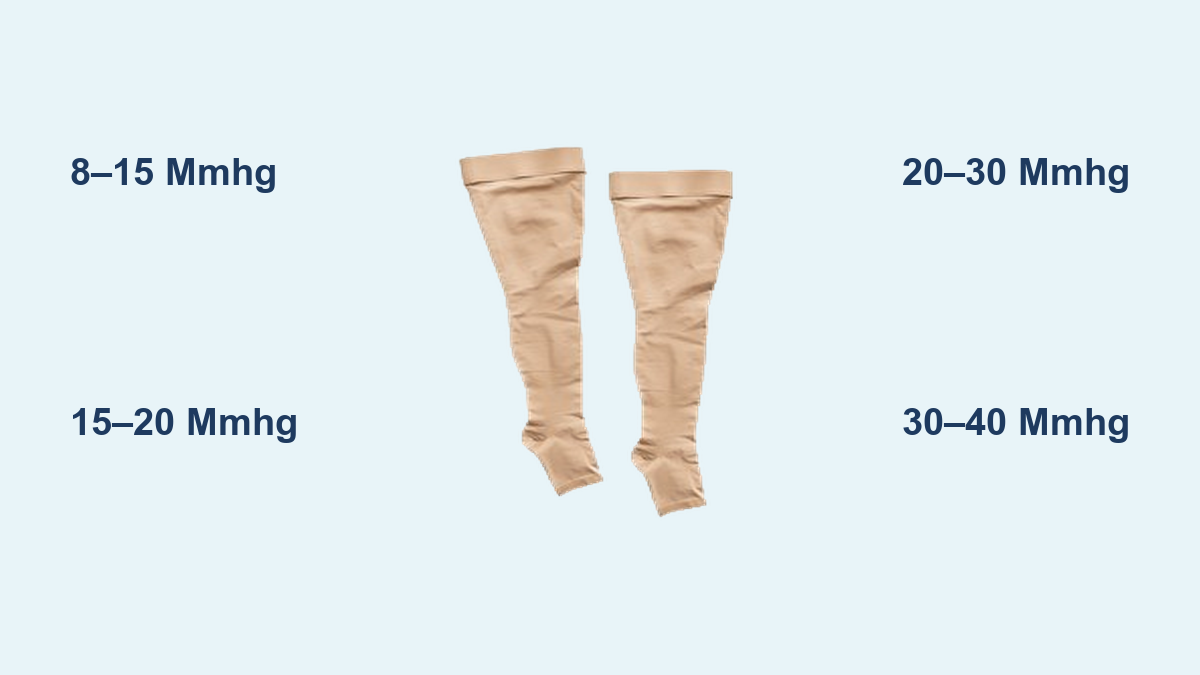
Graduated compression socks help prevent blood pooling.
– Must be properly fitted—too tight = worse circulation
– Best used during the day, not at night unless prescribed
When to See a Doctor
Don’t ignore persistent cold toes. Seek medical advice if you have:
– Pain, numbness, or tingling
– Skin color changes (white, blue, red)
– Slow-healing sores or cuts
– Leg cramps when walking
– Unexplained fatigue or weight gain
Who to See:
– Primary care doctor: For blood tests (CBC, TSH, glucose)
– Vascular specialist: For PAD or circulation tests (ABI, Doppler)
– Neurologist: For nerve conduction studies
– Podiatrist: For foot exams and sensation checks
Early diagnosis prevents serious complications like ulcers or amputations.
Final Tips to Stop Cold Toes for Good
- Rule out medical causes—especially if new or worsening.
- Ditch cotton socks—switch to merino wool or synthetics.
- Pre-warm feet before bed—use a bath, heating pad, or warm socks early.
- Use safe heat sources—hot water bottle, heated blanket (with timer).
- Move daily—even short walks boost circulation.
- Optimize sleep setup—warm room, heavy bedding, consider a hat.
- Avoid nicotine and excess alcohol—both harm blood flow.
- Eat warming foods—spices, iron-rich meals, omega-3s.
- Experiment with sock timing—some warm better with socks, others without.
- See a specialist if you have pain, numbness, color changes, or wounds.
Cold toes aren’t something you have to live with. With the right mix of self-care, smart choices, and medical awareness, you can finally keep your feet warm—all night, every night.