If your feet ache after just 15 minutes of walking, you’re constantly tugging at your shoes, or you’ve noticed mysterious black toenails, you’re likely wearing the wrong shoe size—just like 63–72% of people. Shockingly, up to half of all women and one-third of men routinely buy shoes that don’t fit, often clinging to sizes they wore years ago. But feet change: weight gain, pregnancy, aging, and even prolonged standing can alter their shape and size. In fact, research from the UK’s College of Podiatry shows 26% of men and 41% of women increase their shoe size in adulthood, yet most never re-measure.
Your feet are biomechanical marvels—26 bones, 33 joints, 107 ligaments, and 19 muscles work in harmony to keep you moving. Ill-fitting shoes disrupt this balance, leading to plantar fasciitis, neuromas, stress fractures, and even back pain. Even if your shoes look fine, internal damage can accumulate silently. The Brannock Device, used in most stores, only measures length and width—ignoring foot volume, arch height, and shape. Online shopping amplifies the risk, with no chance to test-walk.
But your body sends clear warnings: numbness, blisters, heel slippage, or persistent pain. These aren’t just discomforts—they’re red flags. This guide reveals the unmistakable signs you’re wearing the wrong shoe size, from physical symptoms to shoe wear patterns. You’ll learn how to measure correctly, avoid common fitting mistakes, and choose footwear that supports natural foot function. Whether you’re on your feet all day or just want pain-free walks, getting the size right is the foundation of lifelong foot health.
Numbness, Pain, and Tingling: Your Body’s Early Warning System
Toes Going Numb? Your Shoes Are Too Tight
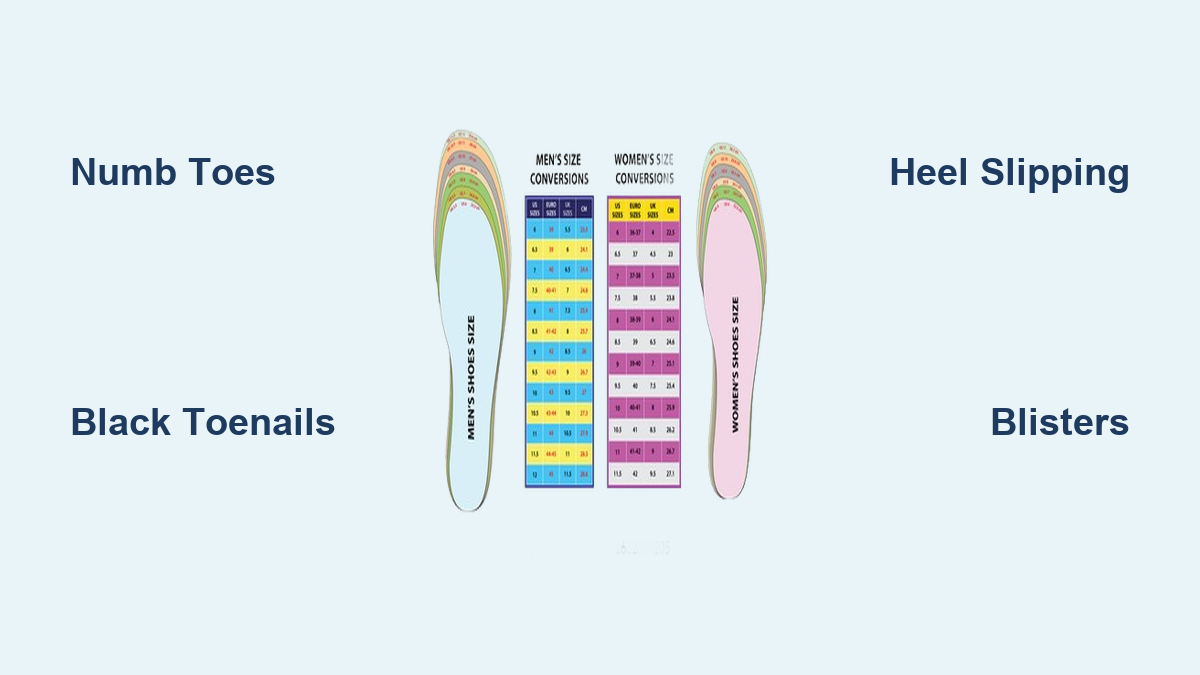
Numbness or tingling in your toes is a classic sign of nerve compression caused by a shoe that’s too short or narrow. When the metatarsal bones are squeezed, blood flow and nerve signals get restricted—especially in pointed or shallow toe boxes. This sensation often worsens during walking or running. A well-fitting shoe should leave 3/8″ to 1/2″ of space (about a thumb’s width) between your longest toe and the front. If your toes press against the end, go up half a size. Avoid tapered styles; opt for round or wide toe boxes that let your toes lie flat.
Pain Across the Top of Your Foot
Persistent pain on the top of your foot usually means the shoe upper is pressing down too hard. This happens when the material lacks stretch or when your foot slides forward, causing laces or the tongue to dig in. Look for shoes with flexible, breathable uppers and adjustable lacing. Try “window lacing” to create relief over pressure points. If the pain continues, the shoe may be too short or narrow across the instep.
Hot Spots That Turn Into Blisters
A “hot spot” is your foot’s way of saying, “This spot is getting rubbed raw.” It’s caused by repetitive friction from foot movement inside the shoe—often due to heel slippage or a loose midfoot. Wear moisture-wicking, seamless socks to reduce rubbing. If hot spots form in the same place every time, the shoe’s internal shape doesn’t match your foot. Address it early—what starts as a sting can become a blister, then an infection.
Sudden Foot Aches in “Old” Shoes
If a shoe that once felt great now causes pain, the culprit may not be size—but worn-out cushioning. Most athletic shoes lose support after 300–500 miles as the midsole foam breaks down. If your shoe was already borderline in fit, this degradation can expose hidden flaws. Track your mileage and replace shoes proactively, especially if you run or stand for hours.
Visible Foot Damage: When Shoes Cause Permanent Harm

Recurring Blisters Are Not Normal
Blisters aren’t a rite of passage—they’re a symptom. While minor ones can occur during break-in, chronic or large blisters mean your shoe allows too much movement. Shoes that are too big let your foot slide; tight ones create pressure. Cotton socks trap moisture and worsen friction—switch to merino wool or synthetic athletic socks. Heel blisters? Likely too loose. Toe or side blisters? Probably too narrow.
Black Toenails: A Sign of Toe Jamming
Black or bruised toenails (subungual hematoma) happen when toes repeatedly slam into the front of the shoe—common in runners or hikers going downhill. This micro-trauma causes blood to pool under the nail. It’s a clear sign your shoes are too short in the forefoot. Prevent it by going up half a size and ensuring the toe box has enough height. That thumb’s width of space is non-negotiable.
Toenails Lifting or Falling Off
In severe cases, constant pressure can cause the toenail to detach from the nail bed (onycholysis). This creates a gap where bacteria and fungi can thrive, increasing infection risk. If you notice lifting or discoloration spreading, reassess your fit immediately. Wider, deeper toe boxes can prevent further damage.
Ingrown Toenails from Tight Shoes
Tight footwear is the leading cause of ingrown toenails, especially for athletes. When the sides of the nail are squeezed, they can grow into the skin, causing pain and infection. Prevent this by choosing shoes with a wide forefoot and avoiding tapered toe boxes. Trim toenails straight across—not rounded—to reduce risk.
Bunions and Hammertoes: Deformities You Can Prevent
While genetics play a role, tight or narrow shoes accelerate bunion growth—a bony bump at the base of the big toe. Hammertoes, where toes curl abnormally, are often caused by shallow toe boxes that force toes into a bent position. Both can become permanent. Choose shoes with ample width and depth to let toes lie naturally.
Corns and Calluses: Your Skin’s SOS
Corns (hard centers) and calluses (broad thickenings) are your skin’s defense against constant pressure or rubbing. A corn on the side of a toe? Likely from a narrow shoe. A callus under the forefoot? Could mean poor arch support. These aren’t just cosmetic—they’re signs of poor fit.
Diabetic Ulcers: A Life-Threatening Risk
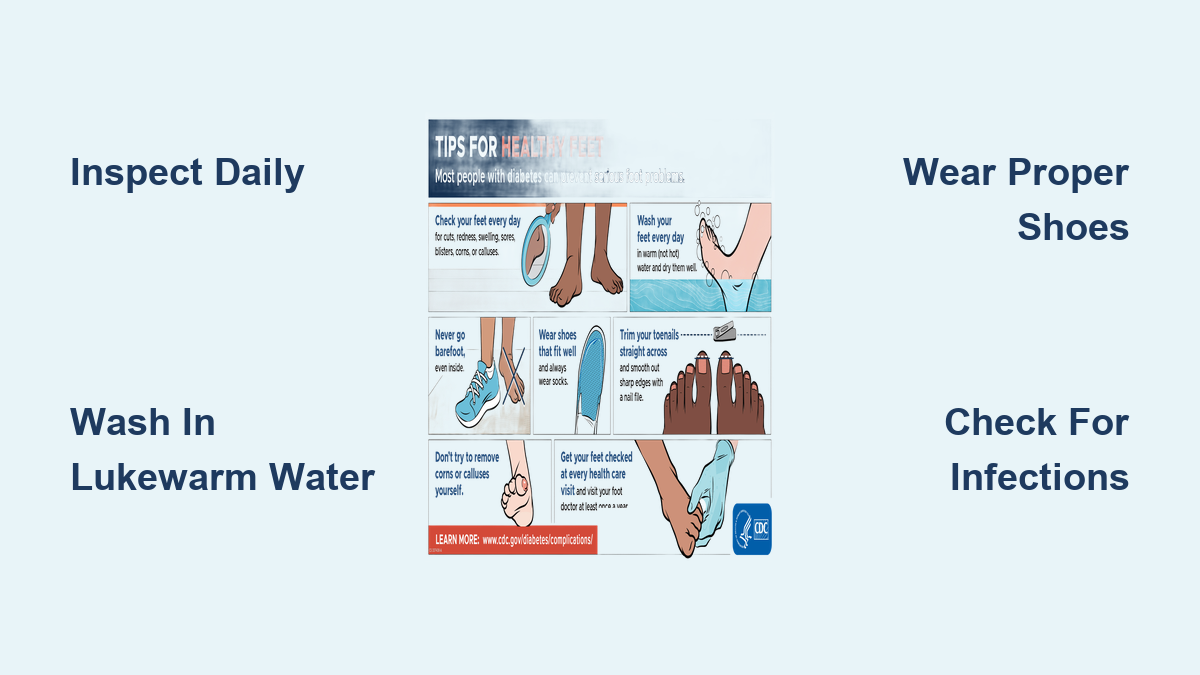
For people with diabetes, ill-fitting shoes are dangerous. Reduced sensation and poor circulation mean minor sores can go unnoticed and become ulcers—a leading cause of amputation. Diabetics must wear seamless, soft, properly sized shoes with no internal seams. Regular foot checks and professional fittings are essential.
How Your Walk Changes When Shoes Don’t Fit
Heel Slipping With Every Step
If your heel lifts out of the shoe while walking, it’s too big or lacks a secure heel counter. Some slippage is normal during break-in, but persistent heel lift causes blisters, Achilles pain, and inefficient movement. A proper fit provides “heel lock down”—a snug, stable hold. If your heel slips more than 1/4 inch, the shoe is likely too large.
You’re Walking Differently Without Realizing It
Wearing shoes that are too tight or too loose forces your body to compensate. You might shorten your stride, limp, or grip with your toes to keep the shoe on. Over time, this strains your knees, hips, and lower back. Record yourself walking or ask someone to observe your gait. If you’re not stepping smoothly, your shoes may be the culprit.
Toe Gripping to Keep Shoes On
When shoes are too loose, you instinctively grip the ground with your toes to prevent slipping. This unnatural motion causes forefoot fatigue, cramping, and metatarsalgia—pain in the ball of the foot. If you feel soreness there after walking, check your shoe’s midfoot fit. The shoe should hug your foot without requiring effort to stay on.
Frequent Ankle Rolls or Sprains
Loose shoes offer little ankle support, increasing the risk of rolls and sprains, especially on uneven ground. A shoe that’s too big won’t stabilize your foot during lateral movements. Ensure a snug fit from heel to midfoot, and choose styles with structured heel counters and secure lacing for activities like hiking or trail running.
What Your Shoes Reveal About Your Fit

Uneven Outsole Wear
Check the bottom of your shoes: asymmetric wear—like heavy erosion on the outer heel or under the big toe—can signal poor fit or gait issues. While some wear relates to overpronation, it can also mean the shoe is too narrow, too wide, or misaligned. If the wear pattern changes suddenly, reassess your fit.
Excessive Upper Creasing
Deep wrinkles across the toe box often mean the shoe is too big, letting your foot slide forward. Tight creases over the instep suggest the shoe is too short or narrow. A well-fitted shoe should flex only at the ball—nowhere else.
How to Measure Your Shoe Size Correctly
Get Professionally Fitted
Visit a specialty store like Fleet Feet or Nordstrom, or see a podiatrist, for accurate measurements. Feet change over time—especially after pregnancy, weight gain, or aging—and one foot is often larger. Always size to the bigger foot. Professionals assess width, volume, and arch support—not just length.
Measure at Home
- Use plain paper and a pen.
- Stand barefoot on a hard floor in the afternoon (feet swell during the day).
- Trace both feet.
- Measure length (heel to longest toe) and width (widest part).
- Compare to brand-specific size charts—sizing varies.
Wear the Right Socks When Trying On
Always try shoes with the socks you’ll actually wear. Thick running socks add volume; dress socks may be thinner. If you wear orthotics, bring them too.
Test Fit the Right Way
Go in the afternoon, walk or jog in place, and check for toe space, heel slip, and pressure points. Ensure the ball of your foot aligns with the shoe’s widest part.
Use Technology to Avoid Online Fitting Mistakes
Try Foot Scanning Tools
Use tools like the York Fit Finder, a web app that analyzes a foot photo to recommend your ideal size. Some retailers offer 3D foot scanning or AI-powered fit predictions.
Choose Brands with Fit Guarantees
Buy from brands that offer free returns, exchanges, or 30-day trials. This lets you test shoes at home without risk. Look for companies that specialize in multiple widths and real foot data.
When to See a Podiatrist
If you have ongoing foot pain, visible bunions, hammertoes, or recurring injuries, see a podiatrist. They can analyze your gait and foot pressure, diagnose conditions, and recommend orthotics or custom shoes. Early intervention can prevent permanent damage.
Final Note: Wearing the right shoe size is more than comfort—it’s preventive healthcare. Your feet carry you every day; treat them right. Measure regularly, prioritize fit over fashion, and replace athletic shoes every 300–500 miles. Use technology, professional fittings, and trial periods to get it right. As Olympic gymnast Aly Raisman says, “A proper fitting sneaker is important, no matter what I’m doing.” Invest in your feet—they’ll carry you for life.