You take a step and feel a sharp, jabbing pain under your foot—like you’re walking on a pebble, even though your shoe is empty. That’s the hallmark of a stone bruise, a common yet often misdiagnosed foot injury. Unlike a typical bruise with visible discoloration, a stone bruise hides beneath the surface, affecting the protective fat pad or soft tissues in the ball of the foot or heel. The sensation is unmistakable: deep, localized, and triggered by every step you take.
This condition frequently affects runners, athletes, and people who spend long hours on hard surfaces. It can result from a single misstep on a rock or develop gradually from repetitive impact. While it may seem minor at first, ignoring it can lead to chronic pain or more serious injuries like stress fractures. The key to recovery lies in recognizing the early signs, differentiating it from similar conditions, and acting fast. In this guide, you’ll learn how to identify a stone bruise, understand its causes, rule out other foot problems, and take effective steps to heal—and prevent—it for good.
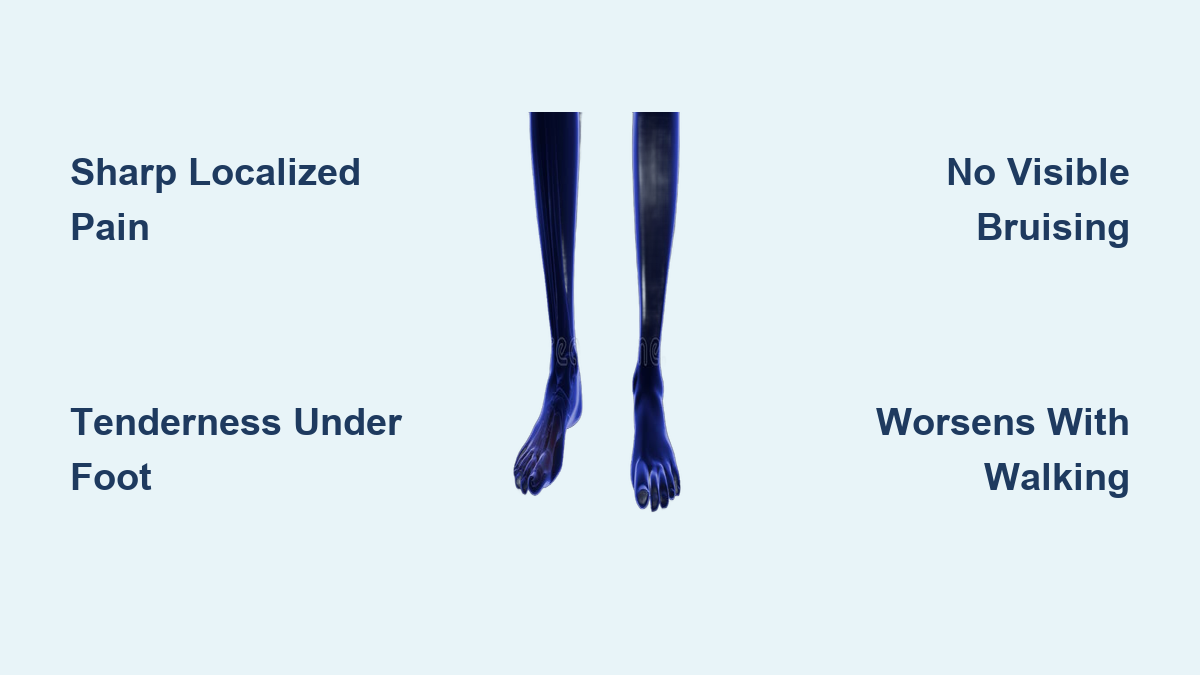
Sharp, Localized Pain Under the Foot
Immediate or Delayed Onset of Deep Foot Pain
The most telling sign of a stone bruise is sharp, pinpoint pain in the ball of the foot or heel pad—areas that absorb the most impact during walking or running. You might feel it under the base of your big toe, second metatarsal, or deep in the center of your heel. The sensation mimics stepping on a marble, pebble, or nail, even when your shoe is clean. Unlike general foot fatigue, this pain is focused and reproducible, flaring up each time pressure is applied.
Pain intensity varies. Mild cases may only appear after prolonged standing or exercise. Severe cases cause constant discomfort, even at rest. The pain typically worsens with activity, especially on hard surfaces like concrete or asphalt. Running, jumping, or climbing stairs can make it unbearable. Some people also report a burning or tingling sensation, which may indicate nerve irritation in the surrounding tissue.
Not all stone bruises strike immediately. Sometimes, the pain starts 24 to 48 hours after an injury, especially if the trauma was minor or repetitive. This delayed onset is common with deep tissue or bone bruising, where inflammation builds slowly. The discomfort may begin as a dull ache and intensify with movement—like a toothache in the foot. Relief usually comes with rest, offloading the foot, or wearing cushioned shoes, but if symptoms persist beyond a few days, further evaluation is needed.
Tenderness and Functional Changes Without Visible Injury
Painful to Press, But No Open Wound
A stone bruise is an internal injury, meaning there’s no cut, blister, or puncture. Yet, pressing on the affected area causes intense tenderness. Use your fingers to gently probe the ball of your foot or heel. If you find a specific, painful spot that matches your walking pain, it’s a strong indicator.
Unlike infections or ulcers, there’s no redness, heat, or drainage—unless the skin was broken during the initial trauma. However, swelling may develop, especially if the injury involves deeper tissues. The swelling is usually mild and localized, not spreading across the entire foot. In some cases, you might notice bluish, purplish, or reddish discoloration on the sole, but many stone bruises don’t show visible bruising at all—especially in areas with thick skin or poor blood flow.
Limping and Altered Walking Patterns
As pain increases, your body adapts. You may start walking on the side of your foot or shortening your stride to avoid putting weight on the sore spot. This altered gait can lead to secondary pain in the ankle, knee, or hip over time. You might also find it hard to wear certain shoes—especially flats, tight sneakers, or high heels—that lack cushioning or compress the injured area.
Athletes often report reduced performance—slower runs, difficulty jumping, or inability to train at full intensity. If you’re avoiding activities you once enjoyed due to foot pain, it’s time to investigate the cause.
Differentiate From Other Foot Conditions

How to Tell It’s Not Metatarsalgia
Metatarsalgia causes ball-of-foot pain and is often mistaken for a stone bruise. But while a stone bruise follows a specific injury or impact, metatarsalgia results from chronic overuse, poor footwear, or structural imbalances like high arches or a dropped metatarsal. The pain in metatarsalgia is burning or aching and spreads across the forefoot rather than being pinpoint. It worsens with prolonged standing and improves with rest. If your pain builds over time rather than following a trauma, it’s likely metatarsalgia.
How It Differs From Plantar Fasciitis
Plantar fasciitis also affects the heel, but its pain is usually on the inner (medial) side and most intense first thing in the morning or after sitting. The pain often eases after walking a few minutes. In contrast, a stone bruise in the heel feels sharp with every step from the start and doesn’t improve with movement. Plantar fasciitis stems from ligament strain, not direct impact, and is linked to tight calves or flat feet.
Rule Out Stress Fractures and Morton’s Neuroma
A stress fracture causes deep, progressive pain that may persist even at rest. It often follows a sudden increase in activity and gets worse over time. Pressing on a specific bone—like the fifth metatarsal—triggers sharp pain. A positive tuning fork test or imaging (X-ray, MRI) can confirm it.
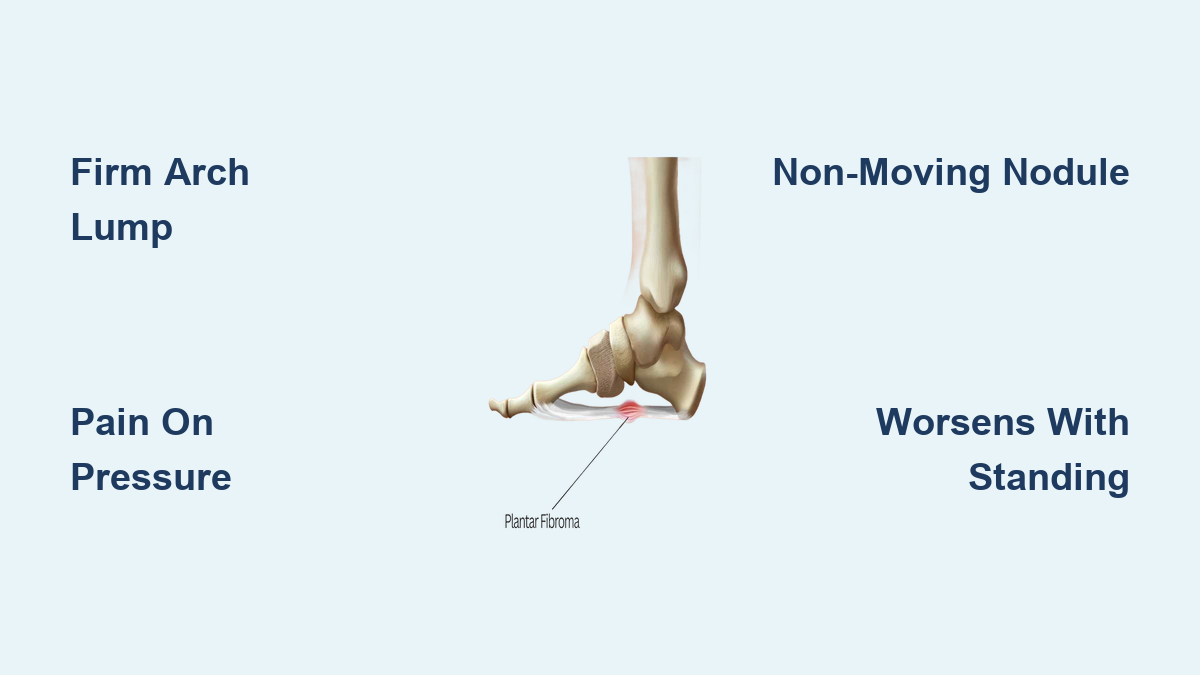
Morton’s neuroma causes tingling, numbness, or electric shocks between the toes—usually the third and fourth. It feels like a lump under the foot, but the discomfort radiates into the toes. Tight shoes worsen it. Unlike a stone bruise, it’s not tied to a single impact.
| Condition | Pain Location | Key Differentiator |
|---|---|---|
| Stone Bruise | Ball of foot or heel | Sharp, trauma-related, localized |
| Metatarsalgia | Forefoot | Burning, diffuse, overuse-related |
| Plantar Fasciitis | Heel (inner) | Worst in morning, improves with walking |
| Stress Fracture | Specific bone | Pain at rest, progressive, imaging-positive |
| Morton’s Neuroma | Between toes | Numbness, tingling, worsened by tight shoes |
Common Causes: Why It Happens

Trauma and Repetitive Impact
The most direct cause is stepping on a hard object—a rock, toy, or uneven surface. Runners often get them from trail debris or hard pavement. But even without a single traumatic event, repetitive stress from running, jumping, or standing can compress the fat pad and irritate soft tissues.
Athletes, military personnel, and workers on concrete floors are at high risk. The constant pounding damages the protective fat pad, leading to pain with every step. Sudden increases in activity—like a new workout routine—can trigger it without obvious trauma.
Poor Footwear and Aging Fat Pads
Thin-soled shoes, worn-out sneakers, or barefoot walking on hard surfaces remove the foot’s natural shock absorption. Flip-flops, minimalist shoes, or stiff dress shoes offer little protection. Over time, the midsole cushioning “bottoms out,” transferring full impact to the foot.
As we age—especially after 50—the fat pads under the heel and ball of the foot thin significantly. Some lose up to 50% of their natural padding, making them more vulnerable to bruising. Older adults may develop recurrent stone bruises without major trauma, simply due to reduced cushioning.
Immediate Treatment: What to Do First
Follow the RICE Protocol
For the first 24 to 72 hours, use RICE:
– Rest: Stop high-impact activities. Use crutches if needed.
– Ice: Apply a cold pack for 10–20 minutes every 2–3 hours. Wrap in a towel.
– Compression: Wear a supportive sock or bandage—not too tight.
– Elevation: Prop your foot above heart level to reduce swelling.
This helps control inflammation and internal bleeding.
Use Pain-Relief Medications
Take ibuprofen (Advil) or naproxen (Aleve) to reduce pain and swelling. If NSAIDs aren’t an option, acetaminophen (Tylenol) helps with pain. Topical gels with lidocaine or menthol provide localized relief.
Optimize Footwear and Support

Wear Cushioned, Supportive Shoes
Switch to shoes with thick, shock-absorbing soles. Avoid flats or worn-out sneakers. Look for:
– Deep heel cups
– Forefoot cushioning
– Flexible soles
Replace athletic shoes every 300–500 miles.
Add Protective Insoles
Use gel heel cups, metatarsal pads, or full-length orthotics to offload pressure. For chronic issues, custom orthotics from a podiatrist offer long-term support.
When to See a Doctor
Persistent Pain Beyond a Week
If pain doesn’t improve after 7–10 days, see a doctor. Lingering pain may indicate a stress fracture or neuroma. An MRI is best for detecting soft tissue or bone injuries.
Red Flags
Seek immediate care if you have:
– Inability to bear weight
– Increasing swelling or redness
– Spreading bruising
– Fever or signs of infection
– Persistent numbness or tingling
Diabetics should never ignore foot pain, even without visible injury.
Prevent Recurrence
Strengthen and Stretch Your Feet
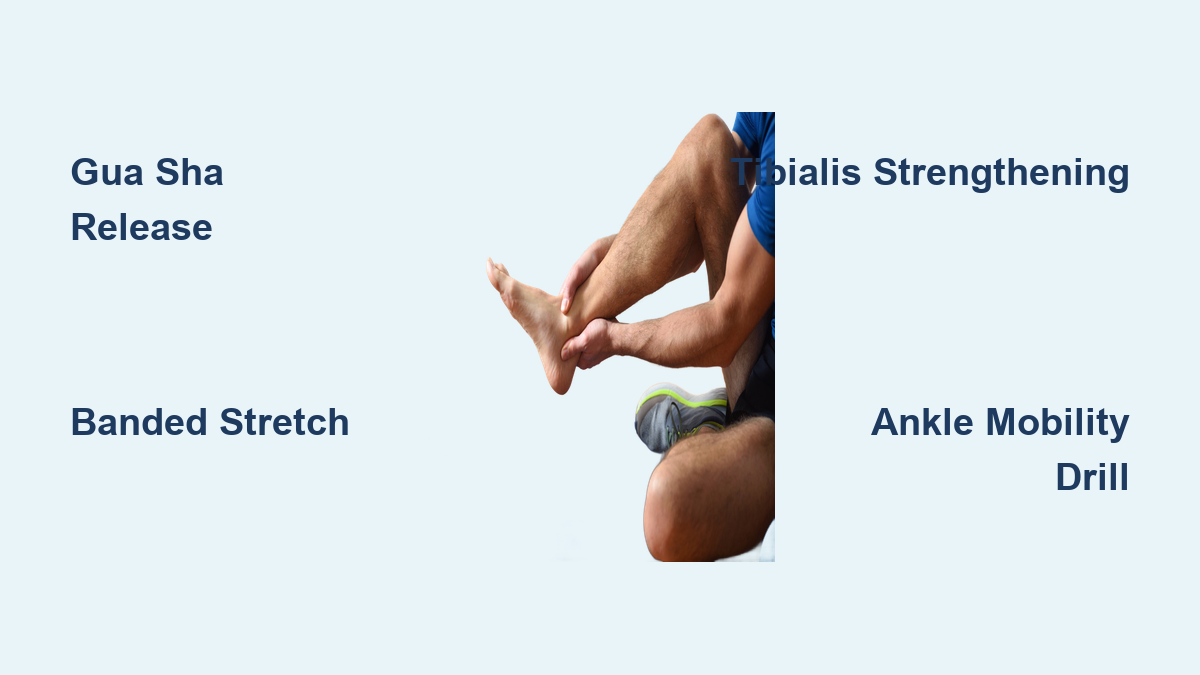
Do towel scrunches, toe curls, calf stretches, and foot doming to build strength and resilience.
Train Smart and Choose Surfaces Wisely
Follow the 10% rule: don’t increase activity by more than 10% weekly. Mix in low-impact workouts like swimming. Run on softer surfaces like grass or trails.
Monitor Foot Health
Inspect your feet daily. Replace shoes regularly. Avoid walking barefoot. Consider a gait analysis if you’re prone to foot injuries.
A stone bruise may start small, but ignoring it can lead to long-term problems. By recognizing sharp, localized pain, ruling out similar conditions, and acting fast with rest and support, you can heal faster and prevent recurrence. The best defense? Good shoes, smart training, and listening to your feet—they carry you every day.