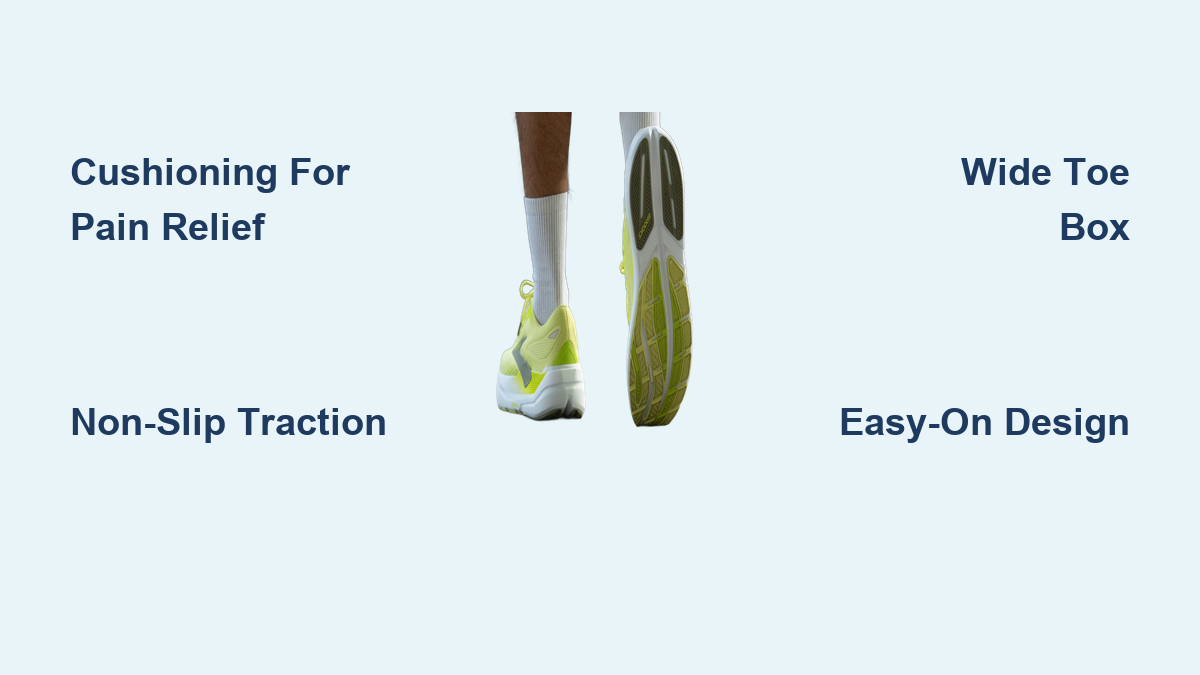
Every step becomes more meaningful with age. For seniors, walking is more than just exercise—it’s a lifeline to independence, health, and social connection. Yet, common age-related issues like foot pain, joint stiffness, swelling, and balance concerns can turn a simple stroll into a painful or even dangerous experience. The solution? Specialized walking shoes for seniors—thoughtfully engineered footwear that goes beyond basic comfort to deliver real medical and mobility benefits.
Unlike standard shoes, which often ignore the physical changes that come with aging, specialized walking shoes are designed with input from podiatrists and biomechanics experts. They tackle challenges like arthritis, plantar fasciitis, edema, neuropathy, and fall risk with targeted features: cushioned soles, wide toe boxes, non-slip outsoles, and adaptive closures. These aren’t just “comfortable shoes”—they’re proactive tools for maintaining mobility, preventing injury, and supporting long-term foot and joint health.
This guide explores the benefits of specialized walking shoes for seniors, backed by expert recommendations, clinical insights, and real-world user experiences. You’ll learn how the right pair can reduce pain, improve stability, enhance independence, and even boost confidence. Whether you’re a senior, caregiver, or health professional, understanding these advantages is essential for promoting safer, more active aging.
Reduce Foot and Joint Pain with Maximum Cushioning
Cushioning That Absorbs Impact and Eases Arthritis
As we age, the natural fat pads beneath our feet thin out, reducing shock absorption and increasing pressure on joints. Every step on hard surfaces like tile or concrete sends jarring forces up the legs, worsening conditions like osteoarthritis, tendonitis, and back pain. Specialized walking shoes counteract this with advanced cushioning technologies—such as Brooks’ DNA LOFT, New Balance’s Fresh Foam, and Asics’ Gel inserts—that absorb up to 50% more impact than regular footwear.
Shoes like the Saucony Endorphin Speed 5 and Asics Gel-Contend 9 are frequently praised for their plush, responsive feel. Users with arthritis report being able to stand for hours without discomfort. One tester noted, “My arthritic feet didn’t hurt at all after a full day on my feet.” This level of comfort doesn’t just feel good—it encourages consistent movement, which is vital for joint lubrication, circulation, and overall mobility.
Pressure Relief for Bunions, Hammertoes, and Sensitive Feet
Foot deformities like bunions and hammertoes become more common with age, and ill-fitting shoes can make them worse. Standard footwear often squeezes the forefoot, creating painful friction and pressure points. In contrast, specialized walking shoes feature soft, flexible uppers made from breathable mesh, knit, or premium leather that conform to the foot’s shape without constriction.
Models like the Orthofeet Relay and Brooks Ghost Max 3 include extra-wide toe boxes and seamless interiors, allowing toes to lie flat and naturally. This reduces rubbing and inflammation, minimizing pain and lowering the risk of skin breakdown—especially important for diabetics prone to ulcers.
Breathable Materials That Prevent Blisters and Infections
Moisture buildup is a serious concern for older adults, particularly those with diabetes or poor circulation. Sweaty feet increase the risk of blisters, fungal infections, and skin irritation. Specialized walking shoes use moisture-wicking linings and ventilated uppers—like those in the Skechers Go Walk 7 and Orthofeet Amalya—to keep feet dry and cool throughout the day.
These breathable materials not only improve comfort but also support long-term foot hygiene, reducing the likelihood of infections that could lead to hospitalization.
Prevent Falls with Superior Stability and Traction

Wide Base and Low Heel for Better Balance
Falls are a leading cause of injury among seniors—1 in 4 older adults falls each year, often resulting in fractures or loss of independence. One major contributor? Unstable footwear. Specialized walking shoes are built with a wide base and heel height under one inch, which lowers the center of gravity and promotes even weight distribution.
Shoes like the New Balance 928v3 and Dakota Boots feature broad, supportive soles that reduce forward lean and improve balance on uneven surfaces. This design is especially helpful for seniors with Parkinson’s, muscle weakness, or balance disorders.
Non-Slip Outsoles That Grip on Any Surface
Slippery tiles, wet sidewalks, or gravel paths can be hazardous in ordinary shoes. Specialized walking shoes use high-traction rubber or EVA outsoles with multidirectional tread patterns that grip effectively on tile, pavement, and grass. Models like the Brooks Ghost Max 3 and Skechers Go Walk 7 provide reliable traction, giving wearers confidence in unpredictable environments.
Firm Heel Counter and Motion Control for Proper Alignment
A rigid heel cup stabilizes the rearfoot and prevents excessive inward or outward rolling (overpronation), which can lead to ankle strain and knee pain. Shoes like the New Balance 928v3 include a firm heel counter and Rollbar technology to correct abnormal foot motion—ideal for seniors with flat feet or a history of ankle issues.
Ankle Support for Extra Security on Uneven Ground
Higher-cut designs, such as Ryder Boots and Dakota Boots, extend above the ankle to provide gentle but effective support. This added stability helps prevent sprains and boosts confidence when navigating stairs, curbs, or uneven terrain—especially for those with weak or unstable ankles.
Easy to Wear, Even with Limited Mobility
Velcro Straps and Adaptive Closures for Arthritis
Tying laces can be painful or impossible for seniors with arthritis, back pain, or limited flexibility. Specialized walking shoes solve this with hook-and-loop (Velcro) straps, like those on the Alamo Sneakers and New Balance 928v3, which allow for quick, secure fastening without bending or fine motor control.
Hands-Free Slip-On Designs for Independence
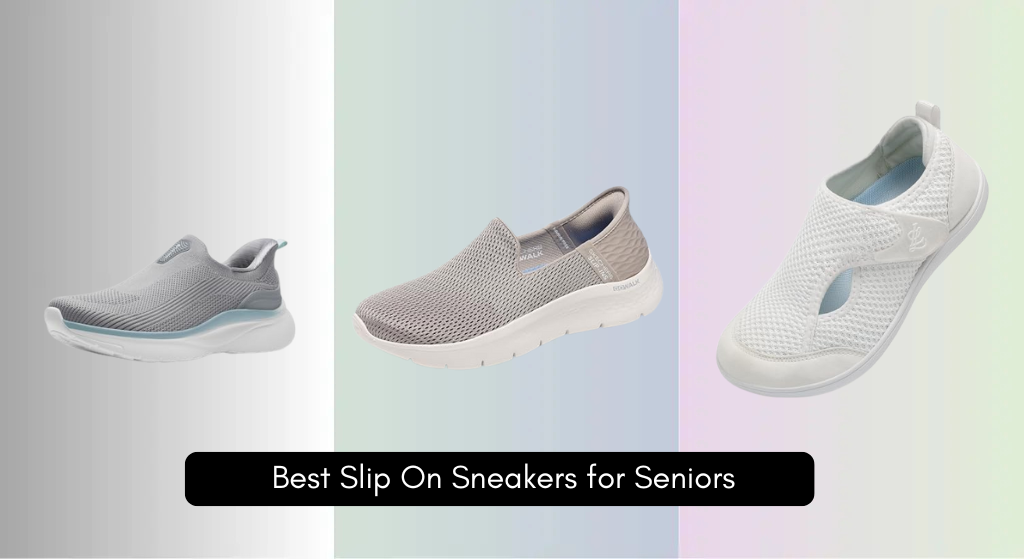
Brands like Kizik Lima and Orthofeet Tilos offer true hands-free entry using collapsible heel technology. You simply step in, and the heel collapses to let your foot slide through—no bending, no hands required. These styles combine convenience with modern design, helping seniors maintain dignity and self-reliance.
Elastic Laces and Rear Zippers for Effortless Access
Elastic laces, found in models like the Francis Sneakers, stretch to accommodate swelling while keeping the foot secure. Meanwhile, rear zippers on boots like Ryder and Dakota provide wide entry with minimal effort—ideal for those who struggle with tight shoe openings.
Use a Long-Handled Shoehorn for Extra Help
Even with adaptive features, some seniors may still need assistance. A 24-inch extra-long shoehorn can help slide the foot in without bending, reducing strain on the back and hips. Pairing easy-on shoes with assistive tools maximizes accessibility and promotes independence.
Accommodate Swelling, Deformities, and Orthotics

Expandable Uppers for Daily Foot Swelling
Up to 30% of seniors experience foot swelling (edema), which often worsens by evening due to medications or inactivity. Rigid shoes can cut off circulation and cause pain. Specialized shoes use stretchable fabrics, like those in Orthofeet Amalya and Francis Sneakers, that expand with the foot, ensuring all-day comfort.
Roomy Toe Boxes to Protect Bunions and Hammertoes
Crowded toes lead to inflammation and pain. The Orthofeet Relay and Brooks Ghost Max 3 feature deep, wide toe boxes that let toes lie naturally, reducing pressure on sensitive areas and slowing the progression of deformities.
Extra Depth for Orthotics and Swollen Feet
Many seniors need custom insoles or have chronically swollen feet. Extra-depth shoes, such as those from Orthofeet and Dr. Comfort, offer additional internal space without altering the shoe’s external fit—perfect for accommodating orthotics or volume changes.
Support Corrective Needs and Improve Gait

Removable Insoles for Custom Orthotics
Seniors with plantar fasciitis, flat feet, or overpronation often rely on custom orthotics. Specialized shoes from New Balance, Brooks, and Orthofeet feature removable insoles, allowing seamless insertion of medical-grade supports without causing tightness.
Built-In Arch Support and Heel Cups for Alignment
For those who don’t use custom inserts, many models include integrated arch support and deep heel cups to promote proper alignment. The Kizik Athens 2 and Orthofeet Tilos are praised for relieving tendonitis and heel pain.
Rocker Soles for Smoother, Easier Walking
Some designs, like the Hush Puppies Power Walker, feature rocker soles—curved midsoles that guide the foot through a natural heel-to-toe roll. This reduces joint strain and makes walking feel less effortful, especially for those with stiff ankles or arthritis.
Boost Mobility, Confidence, and Independence
With superior support and comfort, seniors can walk farther, stand longer, and stay active without pain. Testers of the Brooks Ghost Max 3 report planning 8–10 mile daily walks during travel—proof that the right shoes can transform lifestyles.
Improved stability reduces fear of falling, encouraging participation in social events, exercise, and errands. And easy-on designs mean seniors can dress themselves—preserving autonomy and self-worth.
Stylish Options That Look Great and Feel Confident
Gone are the days of bulky “orthopedic” shoes. Today’s specialized walking shoes from Ryka, Kizik, and Skechers feature sleek, athletic designs in modern colors like maroon, rose pink, and olive. They blend seamlessly with casual or semi-formal outfits, reducing stigma and increasing daily wear.
Protect Long-Term Health and Prevent Complications
Specialized shoes don’t just relieve pain—they prevent long-term damage. By absorbing shock, improving posture, and reducing pressure points, they help avoid calluses, ulcers, and joint degeneration. Durable construction ensures lasting value, with experts recommending replacement every 350–500 miles (about 6–12 months).
The benefits of specialized walking shoes for seniors extend far beyond comfort. They are a proactive investment in health, safety, and independence—supporting stronger joints, better balance, and a more active, confident life. From cushioned soles to easy-on designs, every feature serves a purpose. And with stylish, modern options available, there’s no compromise between function and fashion. For seniors and caregivers alike, choosing the right walking shoe is one of the simplest, most impactful steps toward healthier aging.