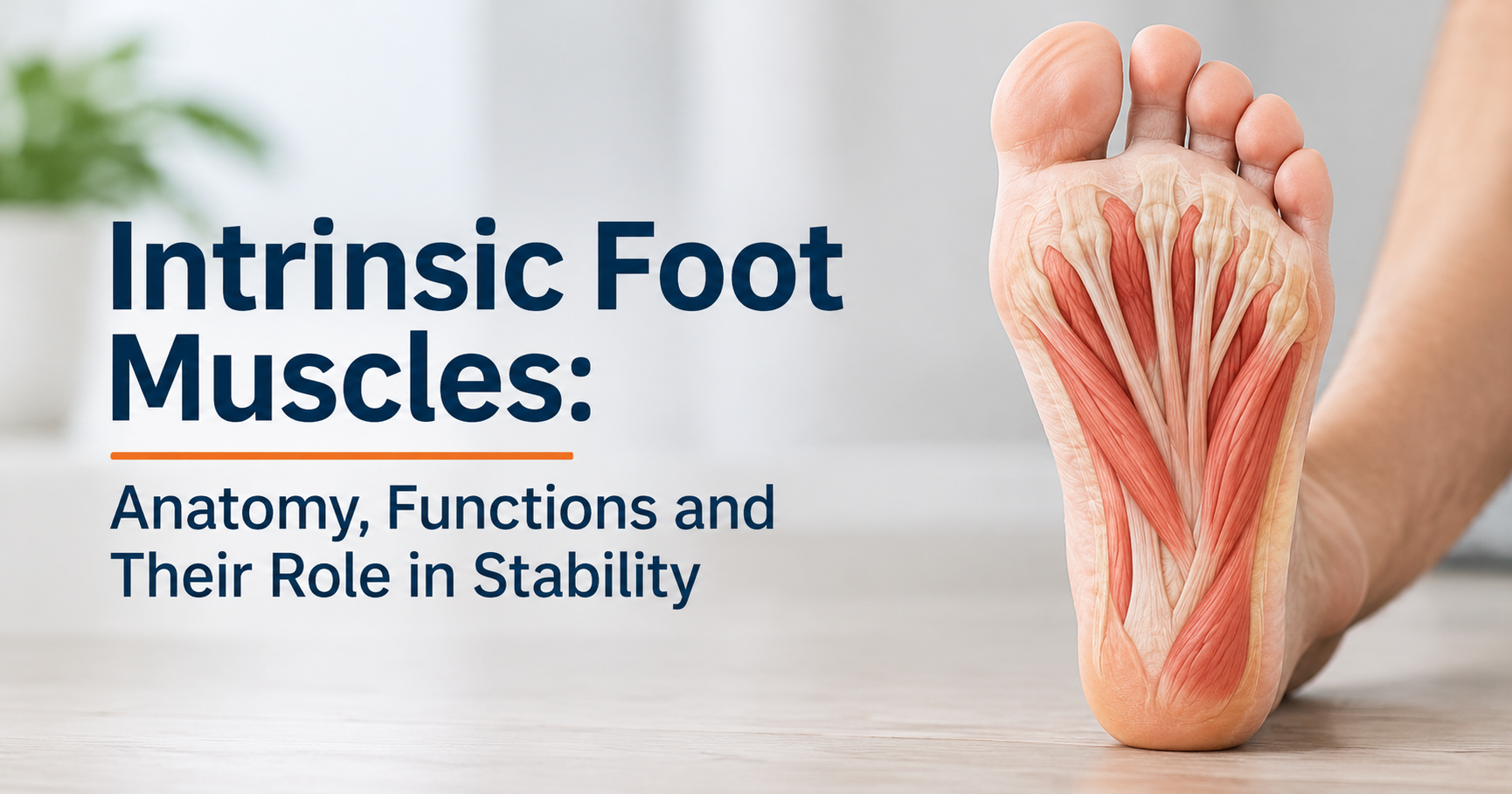
Most people think of the foot as a simple platform. In reality, it is a complex structure with 26 bones, 33 joints and more than 100 muscles, tendons and ligaments. Hidden deep inside the sole is a group of small but powerful muscles that rarely get attention: the foot intrinsic muscles.
Understanding foot intrinsic muscles function can help you walk better, run more efficiently, prevent common foot pain and choose the right footwear and training tools. This guide covers the anatomy, key functions, signs of weakness and practical exercises, all in plain language.
Table of Contents
- What Are Foot Intrinsic Muscles?
- Intrinsic vs Extrinsic Foot Muscles
- The Four Layers of Intrinsic Muscles
- Main Functions of Foot Intrinsic Muscles
- The “Foot Core” Concept
- Causes and Signs of Weak Intrinsic Foot Muscles
- Conditions Linked to Weak Foot Muscles
- Best Exercises to Strengthen Intrinsic Foot Muscles
- Footwear and Lifestyle Tips
- Helpful Tools for Foot Strength Training
- Frequently Asked Questions
What Are Foot Intrinsic Muscles?
Intrinsic foot muscles are muscles that begin and end within the foot itself. They attach to the bones of the heel, midfoot and toes, and they do not cross the ankle joint. There are about 20 of them: 2 on the top of the foot (dorsal) and 18 on the sole (plantar).
Because they sit so close to the bones and joints they control, they are experts at fine adjustments. They stabilize the arch, control toe movement and constantly fine-tune your balance with every step.
Intrinsic vs Extrinsic Foot Muscles
Extrinsic muscles start in the lower leg (like the calf and shin) and send long tendons into the foot. They produce large movements such as pointing the toes, lifting the foot and pushing off the ground. Intrinsic muscles are smaller and generate precise control and stability.
| Feature | Intrinsic Muscles | Extrinsic Muscles |
|---|---|---|
| Origin | Inside the foot | Lower leg |
| Main role | Arch support, toe control, fine balance | Large movements, power, ankle motion |
| Examples | Abductor hallucis, lumbricals, interossei | Gastrocnemius, tibialis anterior, peroneals |
| Size | Small | Large and long-tendoned |
The Four Layers of Intrinsic Muscles
The plantar (sole) intrinsic muscles are arranged in four layers, from the surface to the deepest level near the bones. The two muscles on the top of the foot, extensor digitorum brevis and extensor hallucis brevis, help extend the toes.
Layer 1: Abductor hallucis, flexor digitorum brevis, abductor digiti minimi
These are the most superficial muscles. Abductor hallucis runs along the inner edge of the foot and helps support the arch and move the big toe. Flexor digitorum brevis curls the four small toes, and abductor digiti minimi spreads the little toe.
Layer 2: Quadratus plantae and lumbricals
Quadratus plantae helps straighten the pull of the long toe flexor tendon. The four lumbricals bend the toe joints at the base and straighten them at the tips, which is important for a smooth toe-off.
Layer 3: Flexor hallucis brevis, adductor hallucis, flexor digiti minimi brevis
These muscles control the big toe and little toe. They stabilize the forefoot and help the big toe press firmly into the ground.
Layer 4: Plantar and dorsal interossei
These deepest muscles sit between the metatarsal bones. They help pull the toes together and spread them apart, and they stabilize the toe joints.
Main Functions of Foot Intrinsic Muscles
1. Supporting the Arches
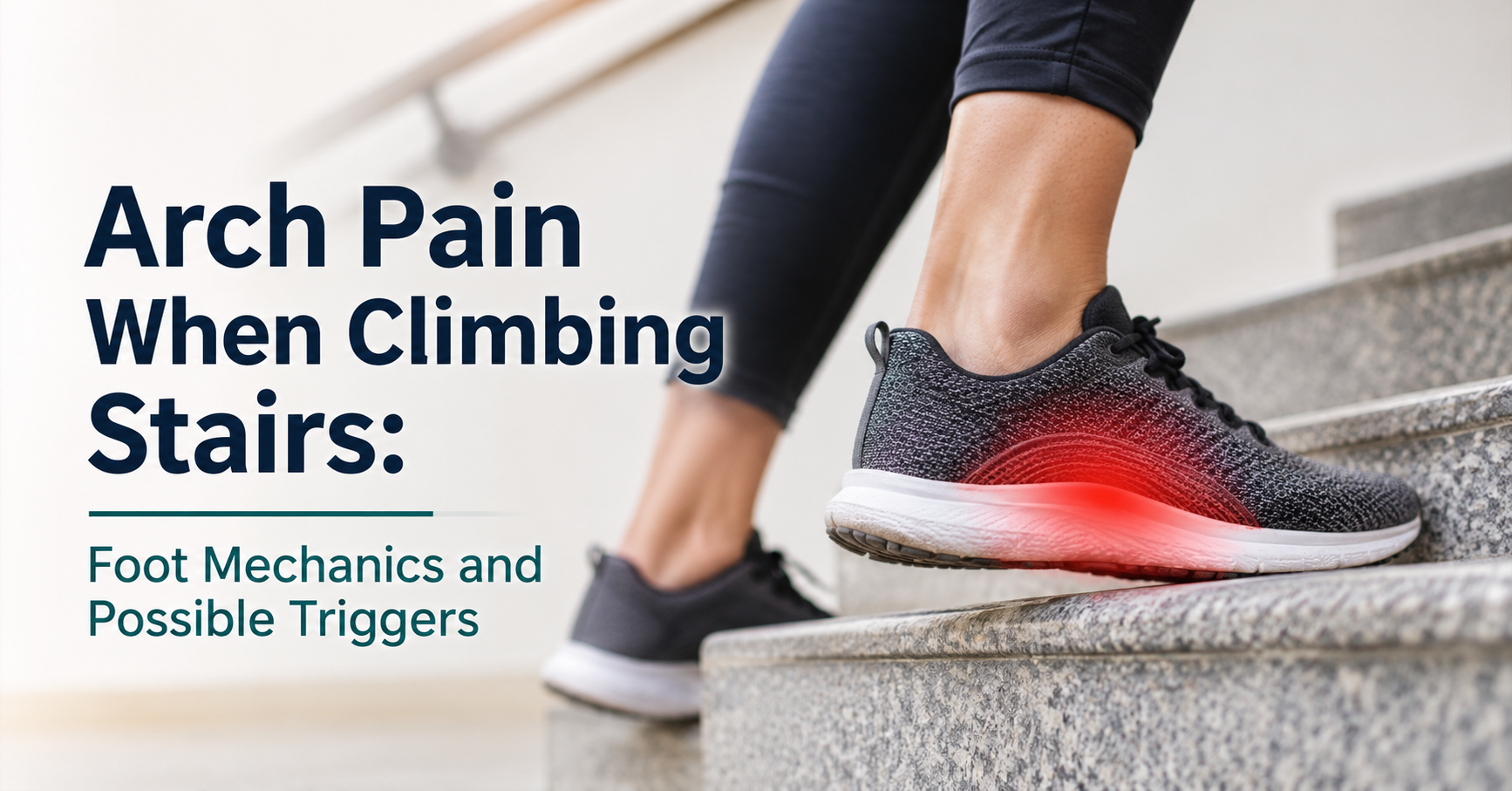
The medial longitudinal arch is the high curve on the inner side of your foot. Intrinsic muscles, especially abductor hallucis and flexor digitorum brevis, work with ligaments and the plantar fascia to hold the arch up and keep it from collapsing under body weight.
2. Absorbing Shock
Each time your foot lands, forces several times your body weight travel through it. Intrinsic muscles control how much the arch lowers and then recoils, acting like a spring with a built-in brake.
3. Stabilizing the Foot During Standing and Balance
These muscles contain many sensory receptors. They send constant feedback to the brain about pressure and position, which is called proprioception. When you stand on one leg, the intrinsic muscles make tiny corrections to keep you steady.
4. Controlling Toe Movement and Splay
The ability to spread, curl and lift your toes individually depends on intrinsic muscles. A stable, well-spread forefoot gives a wider base of support.
5. Assisting Push-Off in Walking and Running
During push-off the foot must turn from a flexible shock absorber into a stiff lever. Intrinsic muscles help stiffen the arch and keep the toes pressed down so the calf muscles can transfer force efficiently.
6. Adapting to Uneven Surfaces
On grass, sand or trails the foot constantly adjusts. Strong intrinsic muscles let the foot mold to the surface while staying stable.
The “Foot Core” Concept
Researchers have described the intrinsic muscles as the foot core system, similar to how abdominal muscles stabilize the trunk. In this model the arch is supported by passive structures (bones and ligaments), active structures (the muscles) and neural control (the brain’s coordination of both). When the active part weakens, the passive structures take extra stress.
Studies on the “short foot” exercise suggest it can improve arch control, and many clinicians now include foot strengthening in rehabilitation programs for lower-limb problems. Results vary from person to person, so consistency matters more than any single exercise.
Causes and Signs of Weak Intrinsic Foot Muscles
Common Causes
- Wearing stiff, heavily cushioned or narrow-toed shoes most of the day
- Long periods of sitting and low walking activity
- Injury, surgery or immobilization in a cast or boot
- Aging and reduced physical activity
- Nerve conditions such as diabetic neuropathy
- Rapid increases in running or walking volume
Possible Signs
- Arch that collapses or flattens easily when standing
- Difficulty lifting or spreading toes independently
- Foot fatigue or cramping after short walks
- Poor balance on one leg
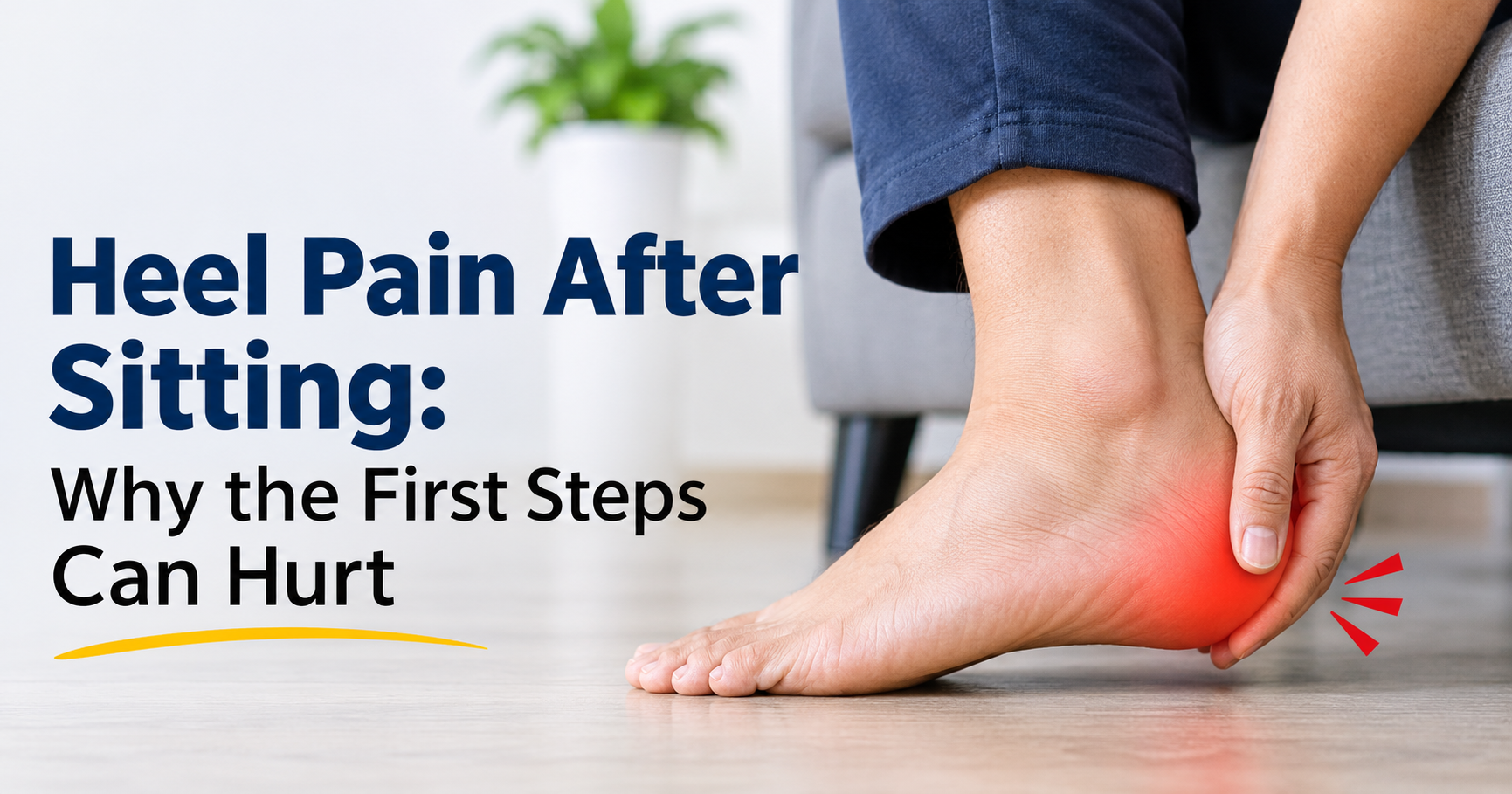
- Heel or arch pain in the morning
- Toes that claw or curl while walking
Note: these signs can have other causes, so see a doctor or physiotherapist if symptoms persist.
Conditions Linked to Weak Foot Muscles
- Plantar fasciitis: weak intrinsic muscles may let the plantar fascia take more strain.
- Flat feet (pes planus): reduced active arch support can contribute to a flattened arch.
- Bunions (hallux valgus): weakness of abductor hallucis is often discussed in relation to big toe drift.
- Hammer and claw toes: imbalance between intrinsic and extrinsic toe muscles.
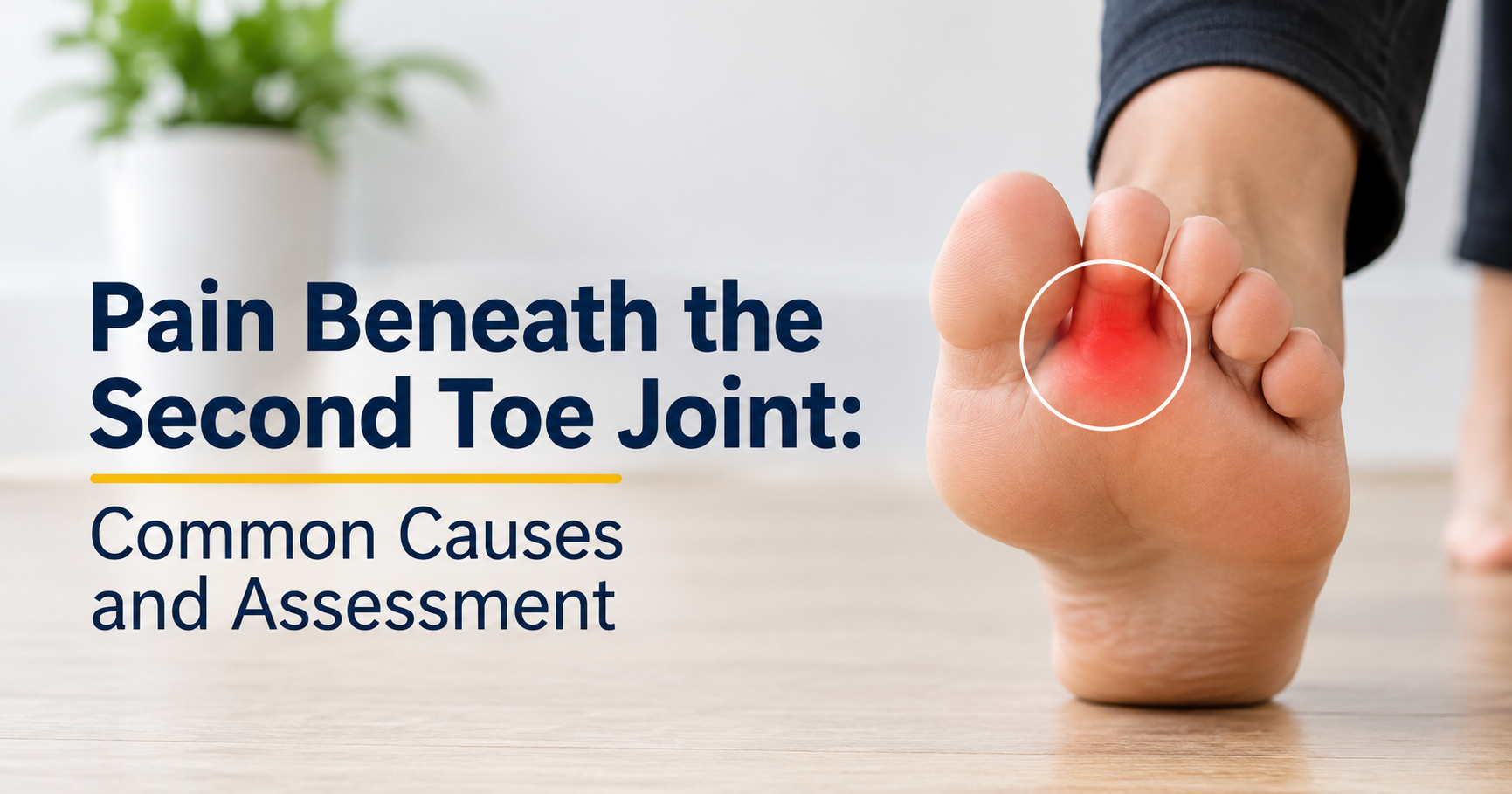
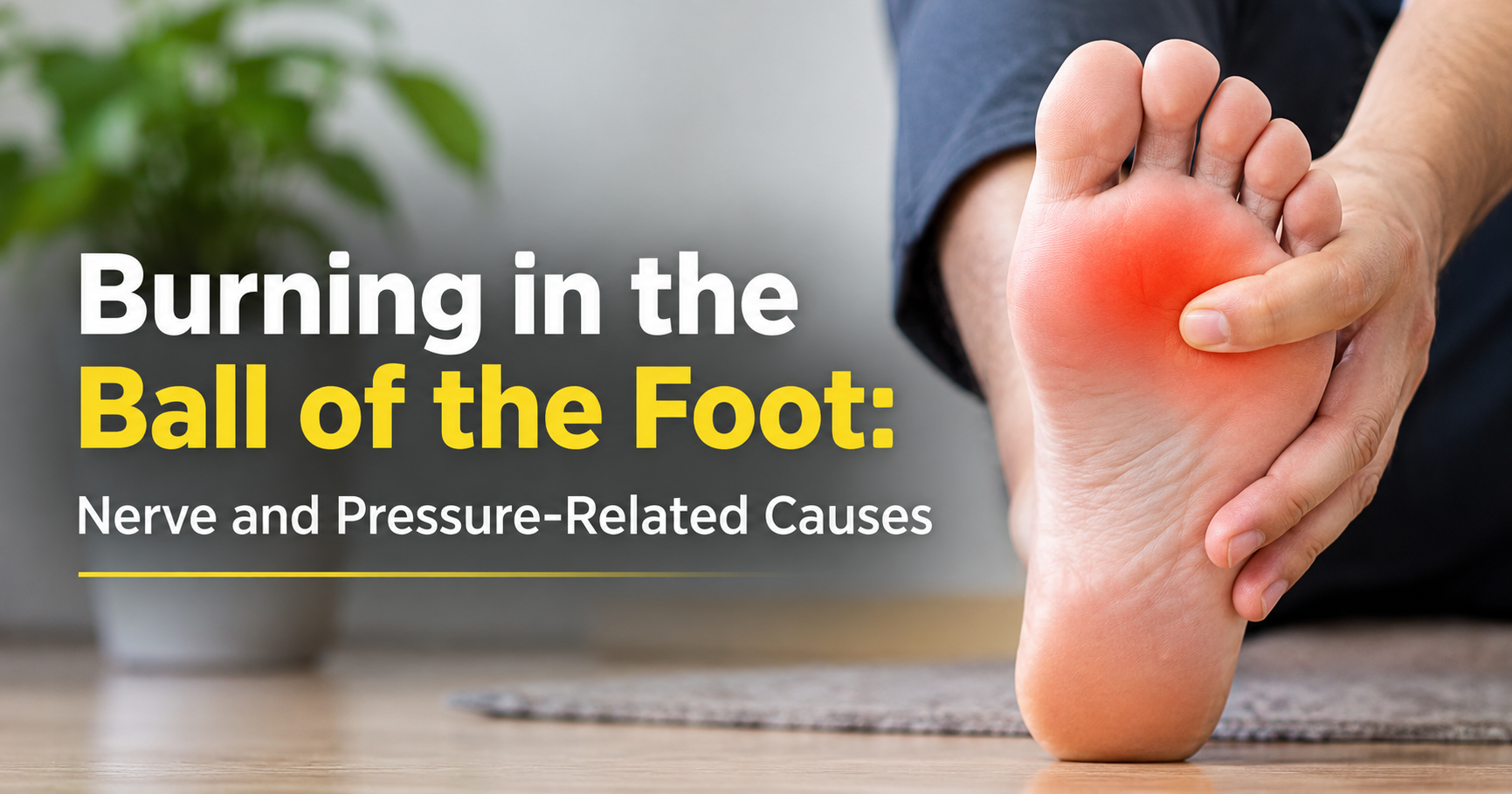
- Metatarsalgia: pain under the ball of the foot from poor load sharing.
- Achilles and shin problems: poor foot control can change forces higher up the leg.
- Ankle instability: reduced balance feedback from the foot.
Best Exercises to Strengthen Intrinsic Foot Muscles
Start barefoot on a firm, flat surface. Do these exercises 3 to 5 times per week and progress slowly. Mild muscle fatigue is normal, but stop if you feel sharp pain or cramping.
1. Short Foot Exercise
- Sit or stand with your foot flat on the floor.
- Without curling your toes, draw the ball of the foot toward the heel so the arch lifts.
- Hold for 5 seconds, then relax.
- Do 3 sets of 10 reps per foot.
2. Toe Yoga (Big Toe Lift)
- Stand with feet flat.
- Lift only the big toe while pressing the other four down.
- Then press the big toe down and lift the four small toes.
- Do 3 sets of 8 reps. This may be hard at first, which is normal.
3. Toe Spreading
Spread all toes as wide as possible and hold for 5 seconds. Repeat 10 times. Use fingers to assist if the toes will not separate.
4. Towel Curls
Place a small towel under your foot and use your toes to scrunch it toward you. Do 3 sets of 10 pulls.
5. Marble Pickup
Pick up marbles with your toes and drop them into a bowl. This trains toe control and coordination.
6. Single-Leg Balance
Stand on one foot for 30 seconds while keeping the arch gently lifted. Progress to a folded towel or foam pad, then to closing your eyes.
Progression Plan
| Week | Focus | Frequency |
|---|---|---|
| 1 to 2 | Short foot, toe spreading | 3 days/week |
| 3 to 4 | Add toe yoga, towel curls | 4 days/week |
| 5 to 6 | Add marble pickup, single-leg balance on a soft surface | 4 to 5 days/week |
| 7+ | Short foot during squats, lunges and walking | Daily integration |
Footwear and Lifestyle Tips
- Choose a roomy toe box so your toes can spread naturally.
- Spend some time barefoot at home on safe surfaces, building up gradually.
- Transition slowly if moving to minimalist shoes, because tissues need weeks or months to adapt.
- Vary your shoes and surfaces to avoid overloading the same tissues.
- Walk more. Daily walking is one of the simplest ways to keep intrinsic muscles active.
- Stretch your calves and big toe regularly to keep movement healthy.
Helpful Tools for Foot Strength Training
You can train with no equipment at all, but these inexpensive tools can add variety and comfort:
- Toe spacers (separators): gently encourage toe alignment and spread. Start with short wear times.
- Massage ball or spiky ball: useful for relaxing tight plantar tissues before exercise.
- Balance pad or foam board: adds challenge to single-leg balance drills.
- Resistance bands: help train toe and ankle control.
- Wide toe-box shoes: support natural toe splay during daily wear.
- Foot roller: a simple way to warm up and relieve post-workout soreness.
When buying, check material quality, size, user reviews and return policy, and choose what suits your comfort level and goals.
Frequently Asked Questions
How many intrinsic muscles are in the foot?
There are about 20: 2 on the top of the foot and 18 on the sole, arranged in four layers.
What is the main function of foot intrinsic muscles?
Their main jobs are supporting the arches, stabilizing the foot, controlling toe movement, helping with balance and assisting push-off during walking and running.
Can I strengthen my foot intrinsic muscles at home?
Yes. Exercises such as short foot, toe yoga, toe spreading and towel curls need no equipment and can be done at home.
How long does it take to see results?
Many people notice better control within 4 to 6 weeks of regular practice, while structural or performance changes may take longer. Individual results vary.
Do weak foot muscles cause flat feet?
Flat feet have many causes, including genetics and ligament flexibility. Weak intrinsic muscles can contribute to arch collapse, but they are not the only factor.
Are barefoot shoes good for intrinsic muscles?
They can increase demand on the intrinsic muscles, but only if introduced gradually. Sudden changes may cause overuse pain.
Should I exercise if my foot hurts?
Mild fatigue is normal, but sharp or persistent pain is not. Consult a healthcare professional before starting if you have an injury, diabetes, nerve problems or ongoing foot pain.
Conclusion
The foot intrinsic muscles are the quiet stabilizers of your lower body. They support your arches, absorb shock, refine balance, control your toes and help you push off the ground with every step. Keeping them strong can make walking, running and standing more comfortable and may reduce the risk of common foot problems.
Start with simple exercises like the short foot and toe yoga, progress gradually, choose footwear that allows natural toe movement and stay consistent. Small daily habits can create lasting foot health.
Disclaimer: This article is for educational purposes only and is not a substitute for professional medical advice, diagnosis or treatment. Consult a qualified healthcare provider about any medical condition. Some recommendations may relate to products; choose items based on your own needs and research.