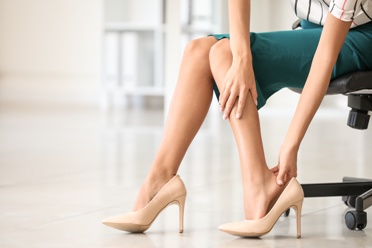
Sharp, stabbing pain with every step? You’re not alone. Corns on toes are a common but often painful condition caused by repeated pressure and friction—usually from tight shoes or foot deformities like hammertoes. Unlike general calluses, corns develop a deep, hard core that presses into sensitive tissue, making even light touch unbearable. The good news: you can get rid of corns on toes quickly, often within days, using targeted at-home care and knowing when to seek professional help.
This guide delivers a fast-action plan backed by podiatrists, covering immediate relief methods, safe removal techniques, and long-term solutions to prevent recurrence. Whether your corn sits on top of your toe, hides between toes, or lurks near a toenail, you’ll learn exactly what to do—and what not to do—to heal faster and avoid complications like infection or nerve damage.
Soak Feet to Soften Corns Fast
The fastest way to start dissolving a corn is by softening the thickened skin. Soaking hydrates the keratin-rich layers, making them more responsive to exfoliation and topical treatments.
Warm Water + Epsom Salt Soak
Fill a basin with warm (not hot) water and add 2 tablespoons of Epsom salt. Soak your feet for 15–20 minutes daily. The magnesium sulfate helps reduce inflammation while softening the dense protein structure of the corn.
Pro Tip: Do this at night to follow up with overnight moisturizing or medicated creams for deeper penetration.
Apple Cider Vinegar Soak
Mix equal parts apple cider vinegar and warm water. Soak feet for 15 minutes. Acetic acid gently breaks down dead skin and has mild antifungal properties—ideal if moisture is contributing to your corn, especially between toes.
After soaking: Dry thoroughly, especially between toes. Damp skin increases the risk of soft corns (heloma molle) and fungal infections.
Remove Dead Skin Safely

Once softened, gently exfoliate the corn to speed up breakdown. Never force removal—this can cause cuts, bleeding, or infection.
Use a Pumice Stone Correctly
After soaking, use a damp pumice stone or foot file to gently rub the corn in circular or sideways motions. Avoid aggressive scrubbing.
- Frequency: Every 1–2 days
- Best product: Mr. Pumice Ultimate Pumice Bars (recommended by podiatrists for durability and control)
“Over-exfoliating can damage healthy skin and delay healing.” — Dr. Michael Calderone
Try Exfoliating Creams with Urea or Salicylic Acid
Topical creams accelerate corn removal by dissolving thickened skin.
- Urea (10–40%): Breaks down keratin and deeply hydrates
- Salicylic acid (up to 40%): Penetrates and lifts dead skin layers
- Lactic acid (ammonium lactate): Gently exfoliates while moisturizing
How to Apply
- Dry feet thoroughly
- Apply cream directly to the corn
- Cover with cotton socks overnight
- Gently wipe away loosened skin in the morning
Recommended: AmLactin Foot Repair Cream (lactic acid) or Kiehl’s Intensive Treatment (non-greasy, fast-absorbing)
Warning: Never use acid-based corn pads if you have diabetes or poor circulation—they can cause burns and ulcers.
Relieve Pressure Immediately

Corns persist when pressure continues. The fastest way to reduce pain and promote healing is to eliminate friction from shoes.
Apply Non-Medicated Corn Pads
Use donut-shaped pads or moleskin to create a cushion around the corn. These protect the area while allowing the corn to flatten.
- Ideal for diabetics: Profoot Care Vita-Gel Corn Wraps provide padding without medication
- Avoid medicated pads—they can damage surrounding skin
Wear Gel Toe Caps
ZenToes Gel Toe Caps fit snugly over toes, shielding corns from shoe contact. They’re trimmable and reusable.
- Best for: Corns on the tip or top of toes
- Bonus: Can be worn with regular shoes
Use Silicon Toe Separators
For corns between toes (especially 4th and 5th), insert custom silicon spacers to reduce rubbing.
- Prevents recurrence of soft corns (heloma molle)
- Wear daily, even at home
“Silicon separators are a game-changer for interdigital corns.” — Dr. Meghan Arnold
Moisturize to Prevent Cracking
Dry skin thickens faster. Daily hydration keeps the area supple and reduces the risk of corn regrowth.
Best Moisturizers for Corn-Prone Skin
- Urea-based creams (20–40%): Soften and prevent hard skin buildup
- Lactic acid lotions: Exfoliate gently while hydrating
- Vitamin E oil: Apply at night from Nature Made softgels, then wear socks
Night Routine
- Soak feet
- Gently exfoliate
- Apply thick cream or oil
- Wear cotton socks to lock in moisture
“Hydration isn’t just comfort—it’s prevention.” — Dr. Dana Canuso
When to Avoid Home Treatments
Some corns require professional care. Self-treatment can lead to infection, especially if you have underlying health conditions.
Avoid OTC Products If You Have:
- Diabetes
- Peripheral neuropathy
- Poor circulation
- Corns between toes (soft corns)
- Corns under or near toenails
“Salicylic acid can burn healthy tissue in sensitive patients.” — Dr. Meghan Arnold
Soft corns (heloma molle) are particularly risky—moist, thin skin between toes absorbs chemicals faster, increasing irritation and ulcer risk.
See a Podiatrist for Fast, Safe Removal
If home care doesn’t improve symptoms in 1–2 weeks, or if the corn is painful, infected, or recurring, see a podiatrist. They can remove corns in minutes with no downtime.
Sharp Debridement: Instant Relief
A podiatrist uses a sterile blade to carefully shave away the thickened skin.
- Painless—the corn is dead tissue
- No anesthesia needed
- Immediate pain relief reported by most patients
“They can remove the corn without numbing—it’s that simple.” — Dr. Meghan Arnold
This procedure also allows the doctor to check for ulcers, infection, or underlying structural issues.
Prescription-Strength Treatments
If debridement alone isn’t enough, your podiatrist may prescribe:
– High-dose salicylic acid (up to 40%)
– Urea ointments (20–40%)
– Custom gel applications for targeted delivery
Used under supervision, these are far safer and more effective than OTC versions.
Fix the Root Cause: Custom Orthotics and Inserts
Corns return if pressure isn’t corrected. Custom orthotics redistribute weight and correct biomechanical imbalances.
Who Needs Orthotics?
- People with flat feet, hammertoes, or bunions
- Those with abnormal gait patterns
- Anyone with recurrent corns despite good shoes
Custom inserts support arches, align toes, and reduce friction points—stopping corns before they start.
“Orthotics aren’t just for pain—they’re preventive medicine.” — Dr. Steven Neufeld
Surgery: Permanent Solution for Stubborn Corns

For corns that keep coming back due to bony pressure, surgery is the only permanent fix.
Minimally Invasive Bone Reduction
This outpatient procedure removes the bony prominence causing the corn.
How It Works
- Small incision near the affected toe joint (e.g., 5th toe PIP joint)
- Bony spur at the neck of the proximal phalanx is filed down
- Absorbable pins stabilize the bone (no removal needed)
- Wound closed with absorbable sutures under the skin
- Anesthesia: Local or general
- Recovery: Walk immediately with partial weight-bearing
Recovery Timeline
- Keep foot dry: First 2 weeks
- Steri strips removed: After 2 weeks if healed
- Wear regular shoes: 3–4 weeks post-op
- Resume exercise: Gradually as swelling decreases
- Scar fades: 3–12 months
“Once the pressure point is gone, the corn won’t come back.” — Source Document
This is ideal for patients with recurrent corns on the 5th toe due to a sharp bone edge.
Special Cases: Corns Between or Under Toes
These require extra care due to high infection risk and delicate skin.
Corns Between Toes (Heloma Molle)
- Appearance: Whitish, spongy, moist
- Cause: Friction + trapped sweat
- Treatment:
- See a podiatrist—do not use OTC acid pads
- Use silicon toe spacers daily
- Dry thoroughly after showers
- Apply antifungal powder if needed
“OTC chemicals are too harsh for the thin skin between toes.” — Tanya Contis
Corns Under the Toenail
Rare but possible due to pressure from shoes or nail deformity.
- Never treat at home—risk of nail damage or infection
- See a podiatrist to rule out:
- Ingrown toenail
- Fungal infection
- Subungual exostosis (bone spur under nail)
Prevent Corns Before They Return
The fastest way to get rid of corns? Stop them from forming in the first place.
Wear Proper Footwear
- Wide, deep toe box: Allows toes to spread naturally
- Low heels: Reduces pressure on forefoot
- Proper fit: Buy shoes at day’s end when feet are slightly swollen
- Get measured annually—foot size changes with age
“The right shoe isn’t a luxury—it’s essential.” — Tanya Contis
Daily Foot Care Habits
- Trim toenails straight across—prevents upward pressure
- Inspect feet daily—especially if diabetic
- Dry between toes after washing
- Moisturize daily to prevent dry, thick skin
Best Products Recommended by Podiatrists
| Product | Use | Key Benefit |
|---|---|---|
| Profoot Care Vita-Gel Corn Wraps | Pressure relief | Non-medicated, safe for diabetics |
| ZenToes Gel Toe Caps | Toe protection | Trim-to-fit, reusable, comfortable |
| AmLactin Foot Repair Cream | Exfoliation + hydration | 12% lactic acid, gentle daily use |
| Mr. Pumice Ultimate Pumice Bars | Dead skin removal | Durable, effective, long-lasting |
| Kiehl’s Intensive Treatment | Moisturizing | Non-greasy, fast-absorbing formula |
| Nature Made Vitamin E Oil | Overnight hydration | Use with socks for deep repair |
Quick Action Plan: Eliminate Corns in 1–2 Weeks
Days 1–3: Immediate Relief
- Soak feet in Epsom salt or vinegar (15–20 min)
- Gently exfoliate with pumice stone
- Apply urea or lactic acid cream
- Wear gel toe cap or donut pad
- Switch to wide-toe-box shoes
Days 4–14: Ongoing Treatment
- Repeat soak and exfoliate every 1–2 days
- Apply cream nightly, wear socks
- Use silicon toe spacers if between toes
- Avoid high heels and tight shoes
If No Improvement After 2 Weeks
- See a podiatrist for debridement
- Discuss custom orthotics or silicon separators
- Rule out bony deformity or diabetes-related issues
For Recurrent Corns
- Consider minimally invasive bone surgery for permanent relief
Final Note: You can get rid of corns on toes quickly—but safety comes first. Avoid cutting, burning, or aggressively scraping corns. Combine gentle at-home care with professional help when needed. Address the cause, not just the symptom, and you’ll walk pain-free sooner with lasting results.