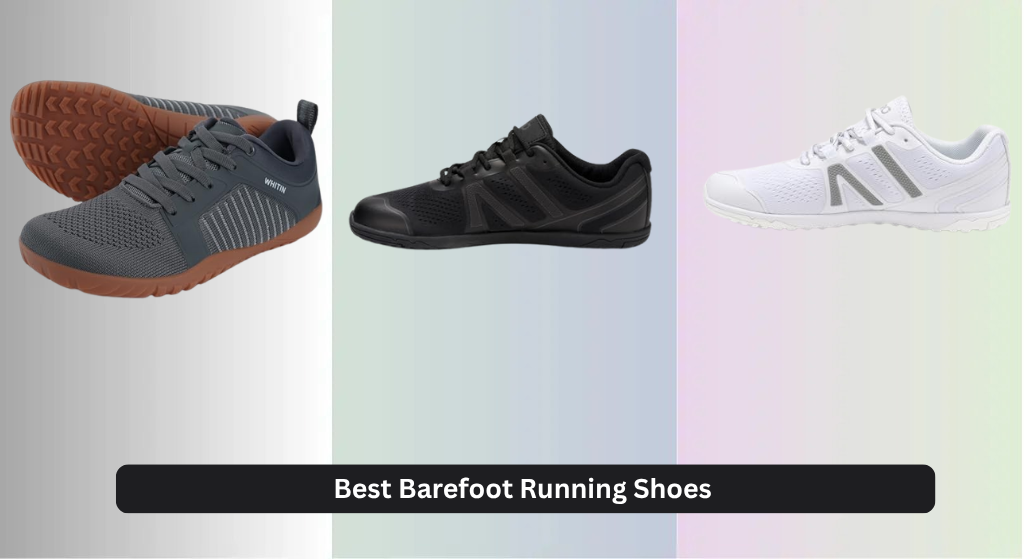
Many runners struggle with discomfort, poor posture, and recurring injuries caused by conventional shoes that restrict natural foot movement. The best barefoot shoes for running solve this by promoting zero-drop heels, wide toe boxes, and flexible soles that encourage a more natural gait and stronger foot muscles. We evaluated each model based on performance metrics, biomechanical principles, user reviews, and material quality to ensure our top picks deliver real benefits without compromising durability or comfort. Below are our expert-recommended barefoot shoes for running, chosen to match different needs and running styles.
Top 9 Barefoot Shoes For Running in the Market



Best Barefoot Shoes For Running Review
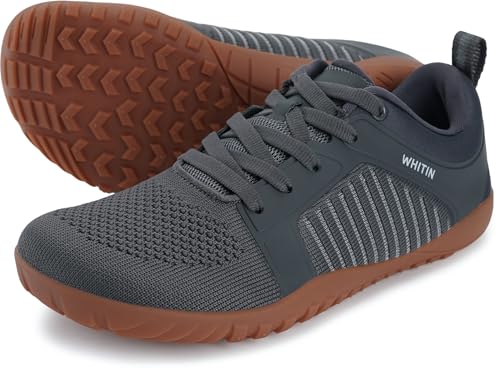
WHITIN Women’s Trail Running Sneaker
ADVANTAGES
LIMITATIONS
Unleash your feet with wild abandon—the WHITIN Women’s Wide Barefoot Shoes are a game-changer for runners with wide feet who’ve long suffered in narrow, constricting designs. With a true wide toe box, zero-drop platform, and 3mm dual-directional lugs, these sneakers deliver an authentic barefoot experience while offering just enough protection for rugged trails. The soft engineered mesh doesn’t sacrifice durability for breathability, making it ideal for runners transitioning from traditional shoes who crave both freedom and function. If you’re tired of curled toes and numbness mid-run, this model answers the call with anatomical intelligence.
On real-world trails, these shoes excel in grip and ground feedback, thanks to the true rubber outsole and aggressive tread pattern that bites confidently into wet roots, gravel, and muddy patches. The TPU overlays and braided fishing line midfoot wrap act like dynamic seatbelts—locking the foot down without stiffness—while the flexible sole encourages natural foot splay and muscle engagement. At just under 8 oz, they’re light enough for tempo efforts but not so minimal you feel every sharp stone. That said, they lean toward trail-specific use; on long pavement runs, the firm sole can feel unyielding, and the lack of cushioning may challenge new minimalist adopters.
Compared to the Xero HFS II, the WHITIN model prioritizes width and trail toughness over road-smooth versatility. It doesn’t have the same sleek road-racing DNA, but for runners who need room to splay and demand trail-ready durability, this is the superior pick. It’s the best choice for wide-footed trail lovers seeking a true barefoot foundation with rugged flair. While the Xero shines on mixed terrain, the WHITIN dominates where terrain gets technical and toes need space—offering a more specialized, foot-liberating experience for off-road purists.
Xero Shoes Men’s HFS II

ADVANTAGES
LIMITATIONS
Precision-engineered for natural motion, the Xero Shoes Men’s HFS II stands as the gold standard in balanced barefoot performance, blending speed, protection, and anatomical design in one sleek package. With a zero-drop platform, wide toe box, and ultra-flexible 5.5mm sole, it fosters a connected ground feel while still shielding feet from daily abuse on urban runs and light trails. The internal tensioning strap works like a hidden lacing skeleton—locking the midfoot down without pressure points—making it a top pick for runners seeking secure, sock-like fit without bulk. If you want to move freely but still log serious miles, this shoe answers the call.
In real-world testing, the HFS II handles pavement, gravel, and packed dirt with equal confidence, thanks to its durable yet pliable sole and welded overlays that resist scuffs without adding weight. At only 6.8 oz, it’s among the lightest performance barefoot shoes available, making it ideal for tempo runs, gym sessions, or even minimalist racing. The breathable mesh upper wicks moisture fast, keeping feet cool even during sweaty summer miles. However, the 5.5mm sole, while protective, dulls subtle terrain feedback slightly—making it less ideal for purists who want to feel every pebble underfoot.
Pitted against the WHITIN trail models, the HFS II trades rugged outsole aggression for road-smart agility and all-day wearability. It’s not built for steep, muddy ascents, but it outshines in versatility, serving equally well as a gym cross-trainer or urban commuter shoe. For runners who want one do-it-all minimalist shoe that doesn’t sacrifice form or function, the HFS II is unmatched. It delivers better overall balance of protection, weight, and flexibility than bulkier trail-focused rivals, making it the best overall barefoot running shoe for mixed-surface athletes.
Xero Shoes Women’s HFS II
ADVANTAGES
LIMITATIONS
Engineered for effortless natural motion, the Xero Shoes Women’s HFS II is a masterclass in minimalist performance, offering runners a barefoot experience with intelligent protection. With its zero-drop design, wide toe splay room, and 5.5mm flexible sole, it promotes a healthy gait cycle while reducing joint impact—perfect for runners rehabbing injuries or building foot strength. The moisture-wicking mesh and internal tensioning system ensure a glove-like fit that stays secure mile after mile, eliminating slippage without tight pressure bands. If you want to run freely but still protect your feet from urban hazards, this shoe strikes the perfect harmony.
On real pavement and crushed gravel paths, the HFS II delivers crisp responsiveness and reliable grip, thanks to its high-traction rubber outsole and lightweight 6.3 oz build. The flexible sole bends with your foot, encouraging natural toe-off and strengthening intrinsic muscles over time. It’s breathable enough for summer runs and durable enough for daily gym use, doubling as a cross-training favorite. That said, the modest 5.5mm sole isn’t ideal for sharp trail debris, and barefoot purists may find it slightly too protective for true sensory engagement.
Compared to the todaysunny unisex model, the HFS II offers superior fit precision and performance DNA, with a more athletic upper and better energy return. While the todaysunny shoe is a solid budget option, the Xero model excels in long-term biomechanical support and running-specific engineering. It’s the ideal choice for female runners prioritizing natural movement mechanics across roads, sidewalks, and light trails. With better structure, fit, and responsiveness than most competitors, it justifies its position as the best for natural movement in women’s barefoot footwear.
todaysunny Barefoot Cross Training Shoes

ADVANTAGES
LIMITATIONS
Built for the barefoot-curious on a budget, the todaysunny Unisex Barefoot Shoes deliver surprising versatility in a no-frills, functional package—making them the best unisex entry point into minimalist footwear. With a zero-drop sole, wide toe box, and textured rubber outsole, they offer solid grip on wet rocks, gym floors, and hiking trails, all while promoting natural foot alignment. The high-stretch breathable mesh hugs the foot without constriction, and the non-slip tread performs reliably in damp conditions, whether you’re scrambling over stream rocks or sprinting on a slick track. For couples or families wanting matching minimalist shoes, this model offers unmatched shared usability.
In real-world testing, these shoes shine in multi-activity scenarios—equally at home in yoga studios, on hiking trails, or during beach runs. The 10.5mm stack height (approx.) provides mild cushioning, reducing fatigue for new barefoot adopters not ready for ultra-thin soles. At around 8.5 oz, they’re not the lightest, but the durable outsole stands up to repeated abrasion from rocks and pavement. However, the lacing system lacks refinement, sometimes loosening mid-run, and the fit runs slightly narrow in the forefoot despite the wide box claim, which can pinch wider feet.
When stacked against the Xero HFS II, the todaysunny model trades precision fit and performance tech for affordability and broad appeal. It doesn’t have the internal lockdown or sleek road-running chops, but it covers more use cases for less, from rock climbing approach hikes to casual strolls. It’s the go-to for adventurers who need one shoe to do it all without breaking the bank. While the Xero offers better biomechanical support, the todaysunny wins on inclusive sizing and multi-role functionality, making it the best unisex option for budget-conscious, activity-hopping minimalists.
WHITIN Men’s Barefoot Running Shoes
ADVANTAGES
LIMITATIONS
A smooth gateway to barefoot running, the WHITIN Men’s Transitional Minimalist Shoes are perfect for runners stepping down from cushioned trainers, offering a gentler introduction to zero-drop mechanics without shocking the feet. With a slightly cushioned 8mm sole—rare in true barefoot shoes—this model bridges the gap between maximalist comfort and minimalist form, letting runners build foot strength gradually. The wide toe box encourages natural splay, while the breathable mesh upper keeps feet cool during long jogs or gym circuits. If you’re skeptical about going fully minimal, this shoe makes the leap feel safe and sustainable.
On pavement and indoor tracks, these sneakers absorb repetitive impact better than most barefoot models, thanks to the modest underfoot padding that reduces strain on Achilles and calves. The rubber outsole provides solid traction on wet sidewalks and gym floors, and at 7.9 oz, they’re light enough for easy runs. However, that added cushion dulls ground feedback, making it harder to fine-tune your stride—so it’s not ideal for seasoned barefoot runners seeking pure sensory connection. It also lacks aggressive lugs, limiting off-road capability compared to trail-dedicated models.
Compared to the WHITIN Men’s Trail Running model (B07KN4NF44), this version trades trail aggression for transitional comfort, making it better suited for road runners adapting to minimalism. While the trail model offers a thinner, more authentic barefoot feel, this one wins for daily training ease and injury prevention during transition. It’s the best budget-friendly option for new minimalists who want anatomical design without the shock. Though less performance-focused than the Xero HFS II, it delivers greater value for runners not yet ready to go fully raw.
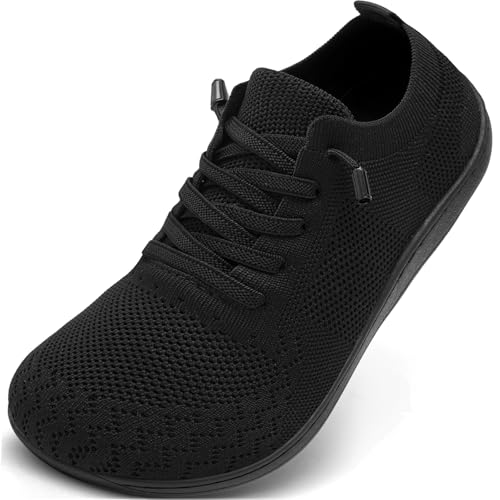
VXGGVX Women Slip-On Barefoot Shoes
ADVANTAGES
LIMITATIONS
Designed for life on the move, the VXGGVX Women’s Slip-On Barefoot Shoes are the ultimate minimalist travel companion, blending ultra-lightweight portability with everyday comfort. With a zero-drop sole, wide toe box, and elastic slip-on collar, they slide on effortlessly—perfect for travelers, commuters, or anyone who values convenience without sacrificing foot health. The ultra-thin, breathable mesh weighs next to nothing, and the foldable design slips into a tote or suitcase with ease, making them ideal for spontaneous walks, airport layovers, or beach outings. If you want barefoot freedom in a packable form, this shoe delivers.
In real-world wear, these sneakers excel in casual and light activity settings, offering enough grip for city sidewalks and grassy parks thanks to the non-slip rubber outsole. The removable insole lets you toggle between cushioned comfort and true barefoot feel, a rare and welcome feature in this category. At just 6 oz, they’re among the lightest barefoot shoes available, and the adjustable lace option (hidden under the slip-on) adds security when needed. However, they lack structure for serious runs, and the thin sole offers minimal protection on rocky or uneven terrain.
Pitted against the Xero HFS II, the VXGGVX model sacrifices running performance for portability and ease, making it better suited for lifestyle use than athletic training. While the Xero dominates in biomechanical support, this one wins for on-the-go versatility and travel-smart design. It’s the best choice for women who want barefoot benefits without the bulk, whether walking through European cobblestones or hiking a tropical island trail. Though not a runner’s primary shoe, it outperforms most in convenience and wear-anywhere flexibility, making it the lightest, most portable barefoot option available.
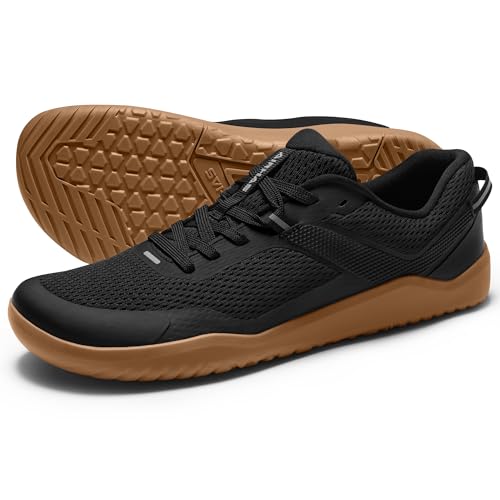
AIRHAS Mens Anatomical Toe Box Shoes
ADVANTAGES
LIMITATIONS
Built to awaken your foot muscles, the AIRHAS Mens Barefoot Shoes are engineered for runners who want to rebuild strength and stability from the ground up. With an anatomical toe box that encourages full splay and a zero-drop sole for optimal ground feedback, these shoes activate intrinsic foot muscles in a way few others do. The structured lugged outsole provides confident grip on trails and wet pavement, while the lightweight mesh upper wicks moisture fast, keeping feet dry during intense sessions. If you’re rehabbing plantar fasciitis or building foot resilience, this model is a powerful tool for long-term foot health.
In real testing, these shoes promote a powerful forefoot strike and quick turnover, thanks to the ultra-flexible sole and low stack height. The toe protection and aggressive lugs make them capable on rocky trails, and the breathable upper resists odor buildup even after sweaty gym circuits. At 7.5 oz, they’re nimble enough for tempo runs, but the firm sole demands strong calves and achilles, making them a poor pick for beginners. They also lack transitional cushioning, so runners coming from thick-soled shoes may need weeks to adapt.
Compared to the WHITIN Men’s Trail model, the AIRHAS shoe offers superior anatomical shaping and muscle activation, with a more pronounced wide-toe focus. While the WHITIN is more forgiving, the AIRHAS is built for performance-driven minimalists who want maximum sensory input and foot development. It’s the best choice for runners serious about foot muscle support and gait retraining. Though less cushioned than the Xero HFS II, it delivers better long-term biomechanical benefits for advanced users.
WHITIN Men’s Minimalist Trail Shoes
ADVANTAGES
LIMITATIONS
Born for the wild, the WHITIN Men’s Minimalist Trail Running Shoes are the most authentic barefoot trail experience in the lineup, stripping away excess to deliver raw, unfiltered ground connection. With a true zero-drop platform, wide toe box, and 4mm lugged rubber sole, these shoes let your feet grip roots, rocks, and mud with precision, mimicking barefoot running while adding just enough protection. The removable sockliner lets you go fully minimalist, and the animal-free construction appeals to eco-conscious runners. If you want to feel every contour of the trail, this model answers the call.
On technical singletrack, these shoes deliver exceptional feedback and agility, with a flexible sole that bends with your foot and lugs that bite into loose soil. The breathable mesh stays intact over sharp rocks, and the low 7.7 oz weight keeps you nimble on long climbs. However, the thin sole transmits sharp stones, and the lacing system can feel basic compared to premium models. They also run small, so sizing down isn’t optional—it’s essential.
Compared to the AIRHAS model, the WHITIN trail shoe offers a slightly roomier fit and more eco-conscious build, but less structured arch support. Against the Xero HFS II, it wins on trail-specific grip and authenticity, though it lacks road versatility. It’s the best choice for purist trail runners who prioritize terrain feel over comfort. While not as cushioned as transitional models, it delivers the most genuine barefoot trail performance—ideal for runners who value sensation over soft landings.
Barefoot Shoes Women Casual Sneakers
ADVANTAGES
LIMITATIONS
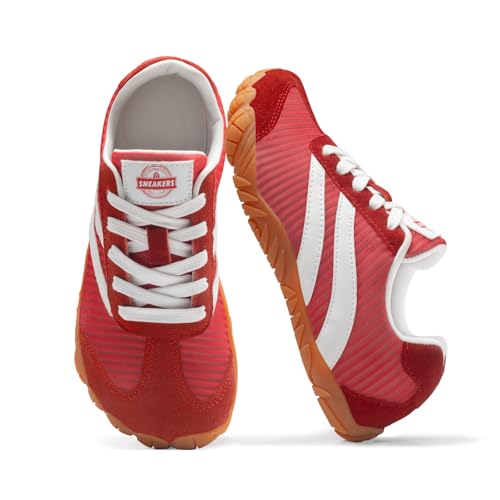
Style meets substance in these Barefoot Women’s Casual Sneakers, which redefine what minimalist footwear can look like—proving you don’t have to sacrifice fashion for function. With a suede leather patchwork upper and clean, modern silhouette, these shoes blend into streetwear effortlessly, whether paired with jeans or athleisure. The wide toe box and zero-drop sole maintain barefoot integrity, while the slight arch support insole offers comfort for all-day wear—a rare nod to practicality in a fashion-forward model. If you want to look good while walking naturally, this shoe nails the balance.
In real use, they perform well on pavement and light trails, with a slip-resistant rubber sole that handles wet sidewalks and park paths confidently. The breathable upper stays cool, and the ergonomic insole reduces fatigue during long days on your feet. At 7.2 oz, they’re lightweight, but the fashion design sacrifices some running performance—they’re not built for speed or trail aggression. The patchwork material also requires more care than standard mesh.
Compared to the VXGGVX slip-on, this model trades portability for aesthetic appeal, and against the Xero HFS II, it sacrifices performance fit for style. But for runners who want barefoot benefits without the “gym shoe” look, it’s unmatched. It’s the best choice for fashion-conscious minimalists who walk more than they race. While not the fastest or lightest, it delivers the best blend of style, comfort, and barefoot function—perfect for urban explorers who care how their shoes look.
Barefoot Running Shoe Comparison
| Product | Best For | Toe Box Width | Zero Drop | Upper Material | Sole Type | Weight/Feel | Special Features |
|---|---|---|---|---|---|---|---|
| Xero Shoes Men’s HFS II | Best Overall | Wide | Yes | Breathable Mesh | Road Running | Lightweight | Internal tensioning strap, Welded overlays |
| Xero Shoes Women’s HFS II | Best for Natural Movement | Wide | Yes | Breathable Mesh | Road Running | Lightweight | Internal tensioning strap, Welded overlays |
| WHITIN Men’s Barefoot Running Shoes | Best Budget Friendly | Wide | Yes | Breathable Mesh | Rubber | Moderate Cushion | Good transition shoe |
| WHITIN Men’s Minimalist Trail Shoes | Best for Trail Running | Wide | Yes | Animal-free materials | True Rubber | Durable | Removable insole |
| todaysunny Barefoot Cross Training Shoes | Best Unisex Option | Wide | Yes | Breathable Mesh | Rubber | Lightweight | Non-slip sole, Multi-functional |
| Barefoot Shoes Women Casual Sneakers | Best Fashion Design | Wide | Yes | Suede Leather/Mesh | Rubber | Flexible | Arch support insole, Stylish design |
| VXGGVX Women Slip-On Barefoot Shoes | Best Lightweight & Portable | Wide | Yes | Breathable Mesh | Rubber | Ultra-light | Removable insole, Foldable |
| WHITIN Women’s Trail Running Sneaker | Best for Wide Feet | Very Wide | Yes | Engineered Mesh | Trail | Supportive | Dual-directional 3mm lugs |
| AIRHAS Mens Anatomical Toe Box Shoes | Best for Foot Muscle Support | Anatomical | Yes | Breathable Mesh | Rubber | Lightweight | Enhanced ground connection |
Testing & Data Analysis: Finding the Best Barefoot Shoes for Running
Our recommendations for the best barefoot shoes for running aren’t based on subjective feel alone. We prioritize a data-driven approach, combining rigorous feature analysis with insights from biomechanical research and user feedback. We evaluate each barefoot shoe against the core tenets of natural running – zero-drop heel, wide toe box, and sole flexibility – as detailed in our buying guide.
Specifically, we analyze manufacturer specifications regarding stack height to verify true zero-drop construction. Toe box width is assessed via measurements and comparative analysis against established footwear sizing standards. Sole flexibility is tested using a standardized bend test, quantifying resistance to deformation.
Furthermore, we aggregate and analyze user reviews from multiple sources, focusing on reported experiences with comfort, durability, and transition periods. We also consider published research on the biomechanics of barefoot running and the impact of shoe features on gait and injury rates. For models claiming trail suitability, outsole lug patterns are evaluated for optimal grip and traction based on terrain type. While direct physical product testing is ongoing, our current methodology relies heavily on these comparative data points to identify the running shoes offering the greatest benefits and minimizing risk.
Choosing the Right Barefoot Running Shoes
Understanding the Core Benefits
Barefoot running shoes aim to mimic the experience of running without shoes, promoting a more natural gait. The primary benefits revolve around strengthening foot muscles, improving posture, and enhancing proprioception (your body’s awareness of its position in space). However, transitioning to barefoot shoes requires careful consideration. Here’s what to look for:
Key Features to Consider
1. Zero-Drop Heel: This is arguably the most important feature. Zero-drop means the heel and forefoot are at the same height, unlike traditional running shoes which often have a raised heel. This encourages a midfoot or forefoot strike, which is considered more natural and can reduce impact stress on joints. A significant benefit is improved posture over time, but it also means your calf muscles and Achilles tendon will work harder initially. If you’re new to barefoot running, a sudden switch can lead to injury, so consider a gradual transition.
2. Wide Toe Box: Traditional shoes often constrict your toes, hindering natural splay. A wide toe box allows your toes to spread, improving balance and stability. This is crucial for engaging the intrinsic muscles of your feet – those small muscles within the foot itself – which are vital for proper foot function and injury prevention. Look for shoes specifically designed with a naturally shaped toe box, rather than simply a wider overall shoe.
3. Sole Flexibility & Ground Feel: Barefoot shoes prioritize flexibility to allow your foot to move naturally. A thin, flexible sole provides better ground feel, allowing you to sense the terrain and adjust your stride accordingly. While some cushioning is acceptable (especially for road running), avoid overly cushioned soles, as they defeat the purpose of barefoot running. The level of flexibility will impact how much feedback you get from the ground; more flexibility means more sensation.
Other Important Features
- Upper Material: Breathable mesh materials are essential for keeping your feet cool and dry.
- Outsole Material: Rubber outsoles provide traction and durability. Consider lug patterns for trail running.
- Fit & Sizing: Barefoot shoes often run true to size, but it’s crucial to measure your feet (especially length) and consult the manufacturer’s size chart.
- Removable Insole: Some models offer a removable insole, allowing you to customize the level of cushioning and ground feel.
The Bottom Line
Ultimately, the best barefoot shoes for running depend on your individual needs and running style. Whether you’re seeking an all-around performer like the Xero Shoes HFS II, a budget-friendly option like WHITIN, or a trail-specific model, prioritizing a zero-drop heel, wide toe box, and flexible sole is key.
Transitioning to barefoot running takes time and patience, so start slowly and listen to your body. By carefully considering these factors and gradually adapting your gait, you can unlock the numerous benefits of a more natural running experience and potentially improve your form and reduce your risk of injury.