Waking up with an ankle that feels tight, restricted, and slow to loosen—only to find that the stiffness lingers for weeks or even months—is more than just a nuisance. Persistent ankle stiffness, defined as a prolonged loss of normal joint motion lasting beyond six weeks, is a red flag that something deeper is amiss. Unlike temporary tightness from overuse or minor strain, persistent stiffness often signals an underlying mechanical, inflammatory, or systemic issue that’s silently degrading joint function.
This condition doesn’t develop overnight. It typically stems from past injuries that never fully healed, chronic overuse, or systemic diseases that gradually compromise mobility. The result? Difficulty walking, climbing stairs, or standing for long periods—sometimes accompanied by pain, swelling, or a sensation that your ankle might “give way.” Left unaddressed, persistent stiffness can lead to long-term joint damage, muscle weakness, and even permanent disability. In this guide, we’ll explore the key causes of persistent ankle stiffness, how they develop, and what warning signs to watch for so you can take action before the problem worsens.
Old Ankle Sprains That Never Fully Healed
One of the most common—and often overlooked—reasons for lasting ankle tightness is an improperly healed sprain, especially a lateral (outer) ankle sprain.
Scar Tissue Restricts Joint Movement
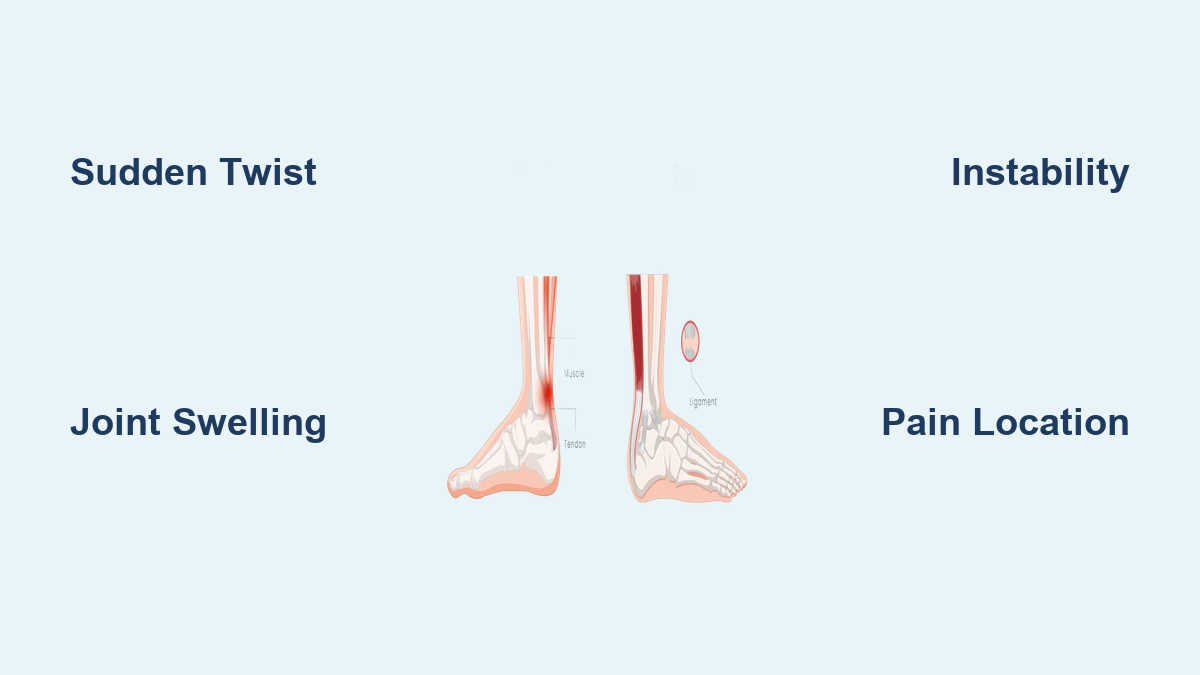
When you sprain your ankle, ligaments like the anterior talofibular ligament (ATFL) stretch or tear. As they heal, dense scar tissue forms. Unlike healthy, elastic ligaments, this tissue is stiff and inflexible. Over time, it contracts and adheres to surrounding structures, reducing the joint’s ability to move freely—particularly during dorsiflexion, the motion of lifting your foot upward. This leads to a constant feeling of tightness, especially in the morning or after sitting for long periods.
Chronic Instability Fuels Ongoing Stiffness
Incomplete healing also damages proprioception, your body’s ability to sense where your ankle is in space. With poor feedback, the joint becomes unstable. You may unknowingly roll your ankle repeatedly, causing micro-injuries that keep inflammation active. This cycle of reinjury and inflammation results in ongoing swelling, stiffness, and a sense of unsteadiness—hallmarks of chronic ankle instability.
Pro Tip: Skipping rehab after a sprain increases the risk of long-term stiffness and early-onset arthritis. Early mobility and strengthening are essential.
Tendon Damage and Degeneration

Tendons connect muscle to bone and are critical for smooth ankle movement. When they become inflamed or degenerate, stiffness often follows—especially after rest or prolonged activity.
Achilles Tendinopathy Limits Dorsiflexion
The Achilles tendon, which connects the calf muscles to the heel, is prone to overuse injuries. With age or repetitive strain, it thickens and stiffens, leading to:
– Morning heel stiffness
– Pain when pushing off while walking
– Reduced ankle flexibility
Without treatment, adhesions form, restricting tendon glide and limiting motion.
Peroneal Tendinitis Causes Outer Ankle Tightness
These tendons run behind the lateral malleolus (the bony bump on the outside of the ankle). Repetitive strain or instability can cause swelling and fibrosis, resulting in:
– Lateral ankle stiffness
– A “catching” sensation
– Instability on uneven surfaces
Posterior Tibial Tendinopathy Leads to Flatfoot and Stiffness
This tendon supports the foot’s arch. When it weakens or becomes inflamed, the foot collapses inward—leading to adult-acquired flatfoot. This misalignment alters joint mechanics, causing stiffness in the medial ankle and midfoot, often with pain along the inner arch.
Anterior Tibial Tendon Issues Hinder Foot Lift
Located in the front of the shin, this tendon lifts the foot during walking. Inflammation or injury restricts dorsiflexion, leading to a stiff, “dropped” foot sensation—especially when walking uphill or climbing stairs.
Common Mistake: Dismissing tendon pain as “normal tightness” allows degeneration to progress. Early intervention with stretching and strengthening can prevent long-term issues.
Arthritis: A Major Source of Chronic Stiffness

Arthritis is a leading cause of persistent ankle stiffness, particularly when symptoms last more than 30 minutes in the morning.
Osteoarthritis: Joint Wear-and-Tear
As cartilage wears down, bones rub together, leading to:
– Bone spurs (osteophytes)
– Joint space narrowing
– Crepitus (grinding or clicking)
– Progressive loss of motion
Stiffness is typically worse after inactivity and improves slightly with gentle movement. Risk factors include age, obesity, and prior trauma.
Rheumatoid Arthritis: Autoimmune Joint Attack
In rheumatoid arthritis (RA), the immune system attacks the synovium, the lining of the joint. This causes swelling that fills the joint and restricts motion. RA-related stiffness often lasts over an hour in the morning and affects both ankles symmetrically. Systemic symptoms like fatigue and joint swelling in other areas may also be present.
Post-Traumatic Arthritis Follows Injury
A past fracture, dislocation, or severe sprain can damage cartilage and trigger degeneration—even if the injury seemed to heal. This is the most common form of ankle arthritis in younger adults.
Gout Causes Crystal-Induced Joint Damage
Recurrent gout attacks deposit urate crystals in the ankle joint. Over time, these form tophi—hard lumps that distort joint shape and limit motion. Stiffness often follows acute flare-ups and may become permanent without proper management.
Red Flag: Morning stiffness lasting more than 60 minutes suggests inflammatory arthritis, not just mechanical wear.
Cartilage Damage and Osteochondral Defects
Trauma can damage the cartilage surface of the talus, the bone at the top of the ankle joint, leading to mechanical blockage and chronic stiffness.
Talar Dome Lesions Cause Catching and Locking
A sprain or impact can chip or crack the cartilage on the talus, creating an uneven joint surface. As you move, loose fragments or irregular areas may:
– Catch during motion
– Cause intermittent locking
– Trigger inflammation and swelling
The joint may feel “stuck” after rest, especially if debris floats into the joint space.
Synovitis Adds to Stiffness
Damaged cartilage irritates the joint lining, causing synovial inflammation. This thickens the synovium and produces excess fluid, further reducing motion.
Visual Clue: If your ankle “clicks” or “locks” and then suddenly loosens, suspect a cartilage lesion.
Ankle Impingement: Mechanical Blockage of Motion

Bone spurs or scar tissue can physically block ankle movement, especially at the extremes of motion.
Anterior Impingement: Stiffness When Bending the Foot Up
Common in athletes and dancers, this occurs when the front of the ankle gets pinched during dorsiflexion. Causes include:
– Bone spurs from repeated trauma
– Scar tissue after sprains
Symptoms:
– Sharp pain at the front of the ankle
– Stiffness when squatting or walking uphill
– Swelling that worsens with activity
Posterior Impingement: Pain When Pointing the Toes
This affects people who frequently plantarflex (point toes down), like ballet dancers. Compression of the posterior talofibular ligament or an os trigonum (an extra bone) causes:
– Deep posterior ankle pain
– Stiffness during push-off
– Worsening symptoms when wearing heels or going downstairs
Who’s at Risk: Soccer players, runners, and dancers are prone to impingement from repetitive motion.
Bursitis and Chronic Inflammation
Bursae are fluid-filled sacs that cushion tendons. When inflamed, they swell and restrict motion.
Retrocalcaneal Bursitis Mimics Achilles Pain
Located between the Achilles tendon and heel bone, this bursa can become thickened due to:
– Tight Achilles tendon
– Ill-fitting shoes
– Overuse
It causes:
– Swelling at the back of the heel
– Stiffness when moving the ankle
– Pain worsened by shoe pressure
Key Difference: Bursitis causes localized swelling, while tendinopathy causes tendon thickening.
Stress Fractures and Microtrauma

Tiny cracks in ankle or foot bones from repetitive stress can delay healing and cause compensatory stiffness.
Undiagnosed Fractures Alter Gait
Pain leads people to limp or shift weight, reducing ankle motion. Over time, this protective pattern becomes habitual, leading to secondary joint stiffness.
Risk factors:
– Sudden increase in activity
– Osteoporosis
– Military training
Warning Sign: Pain that worsens with activity and improves with rest—especially in bones like the tibia or talus—should prompt imaging.
Biomechanical Deformities That Restrict Motion
Abnormal foot structure changes how forces travel through the ankle, leading to chronic tightness.
Flatfoot Deformity Alters Joint Alignment
Also called adult-acquired flatfoot, this results from posterior tibial tendon failure. The arch collapses, and the heel tilts outward, altering joint motion. This causes:
– Medial ankle stiffness
– Difficulty pushing off
– Progressive joint degeneration
Cavovarus Foot Increases Lateral Stress
A high-arched, inverted foot places extra pressure on the outer ankle, leading to:
– Recurrent sprains
– Peroneal tendon strain
– Stiffness from muscle contractures
Pro Tip: Custom orthotics and gait retraining can reduce stress and improve mobility.
Immobilization and Inactivity
Even without injury, lack of movement can cause stiffness.
Joint Contractures Develop in Weeks
After casting or prolonged bed rest, ligaments and the joint capsule shorten. Synovial fluid thickens, reducing lubrication. The result? Severe morning stiffness and limited range of motion.
Timeframe: Significant stiffness can develop in as little as 2–3 weeks of immobilization.
Sleeping Position May Worsen Tightness
Holding the foot in plantarflexion (toes pointed) overnight—common in sleepers—can contribute to Achilles shortening, especially in those with existing tightness.
Simple Fix: Use a night splint or towel roll to keep the ankle in neutral position.
Systemic and Neurological Causes
Some causes of stiffness stem from broader health conditions.
Tarsal Tunnel Syndrome Mimics Stiffness
Compression of the posterior tibial nerve causes numbness, burning, and a sensation of tightness in the ankle and sole.
Lumbar Spine Issues Refer Pain
Nerve root compression (e.g., herniated disc) can cause referred pain or weakness in the ankle, leading to altered movement and secondary stiffness.
Diabetes and Neuropathy Damage Joints
Diabetic neuropathy increases the risk of Charcot arthropathy—a destructive joint condition that causes deformity and severe stiffness.
Autoimmune Diseases Involve the Ankle
Conditions like psoriatic arthritis or ankylosing spondylitis can inflame the ankle joint, leading to swelling, pain, and reduced motion.
Red Flag: If stiffness is accompanied by rashes, back pain, or eye inflammation, consider systemic arthritis.
Risk Factors That Worsen Stiffness
Habits and conditions that increase joint stress include:
– High-impact sports or jobs requiring prolonged standing
– Worn-out or ill-fitting shoes
– Sudden increases in physical activity
– Obesity and poor biomechanics
Expert Note: Replace running shoes every 300–500 miles to maintain support and reduce injury risk.
When to See a Doctor
Don’t ignore persistent stiffness. Seek medical help if you have:
– Stiffness lasting more than 6 weeks
– Swelling that doesn’t improve
– Pain that wakes you at night
– Difficulty walking or bearing weight
– Signs of infection (redness, warmth, fever)
Early diagnosis with X-ray, MRI, or ultrasound can identify the root cause and prevent long-term damage.
Final Note: Persistent ankle stiffness is not “just tightness”—it’s a signal that something’s wrong. Whether from an old sprain, arthritis, or biomechanical issues, identifying the cause is the first step toward recovery. With proper diagnosis and targeted treatment—like physical therapy, orthotics, or in some cases, surgery—most people can regain mobility and prevent further joint damage. Don’t wait until it gets worse. Address stiffness early, and keep your ankles moving freely.