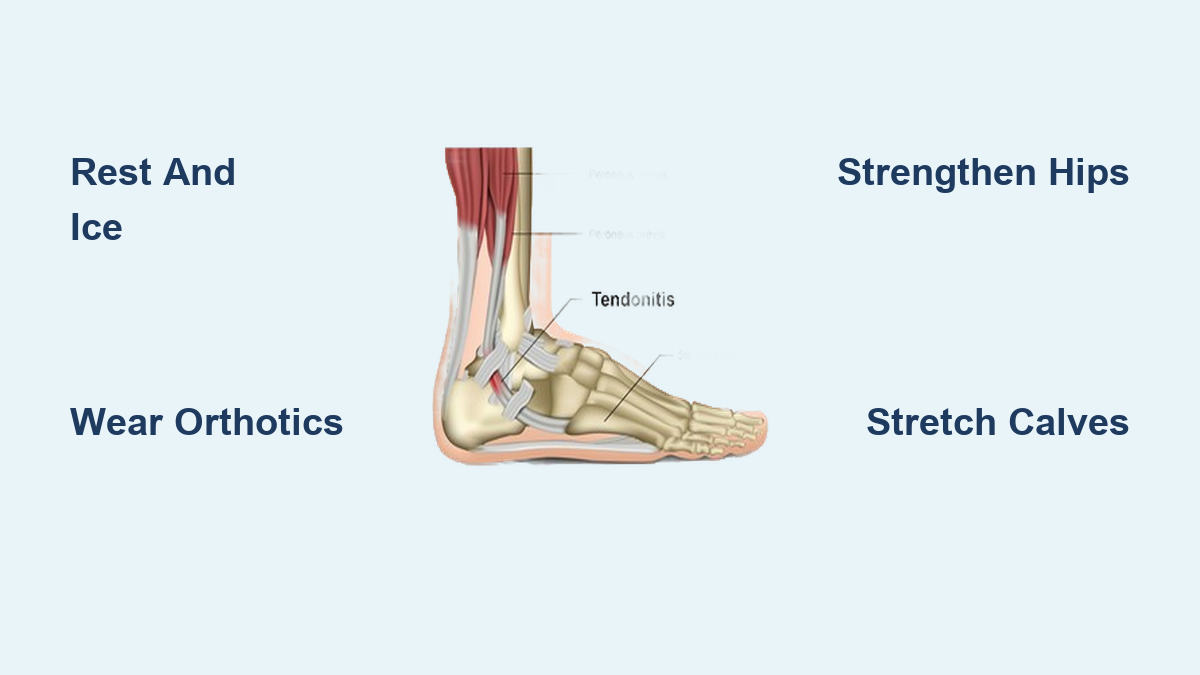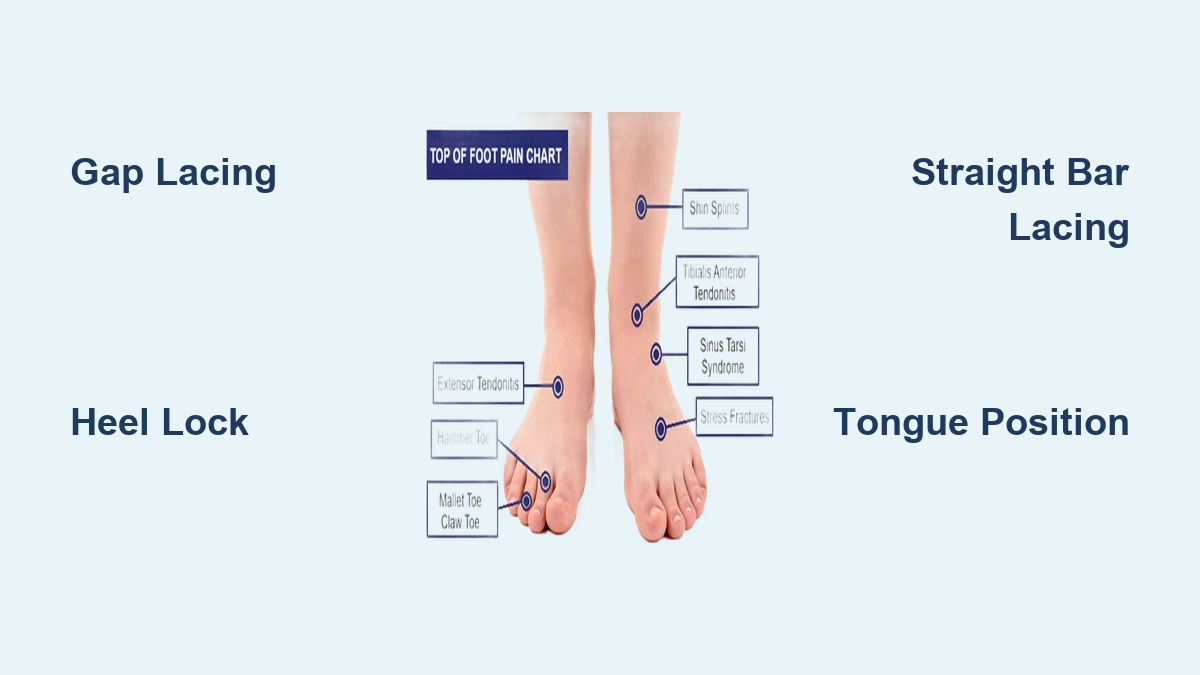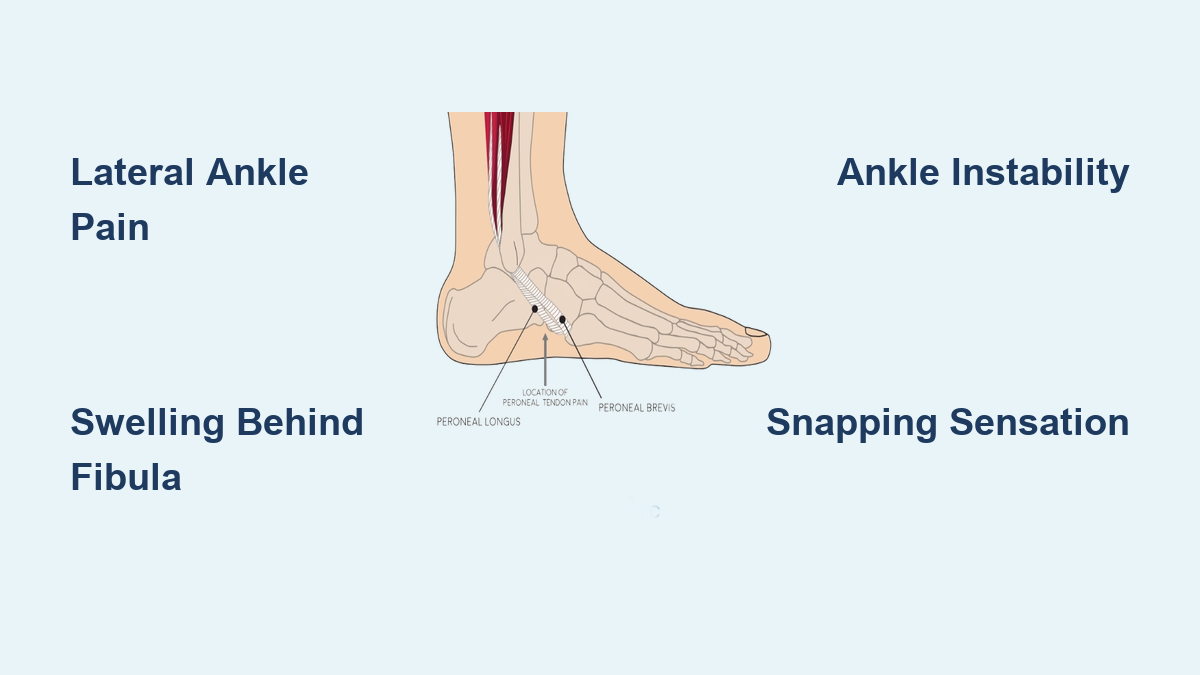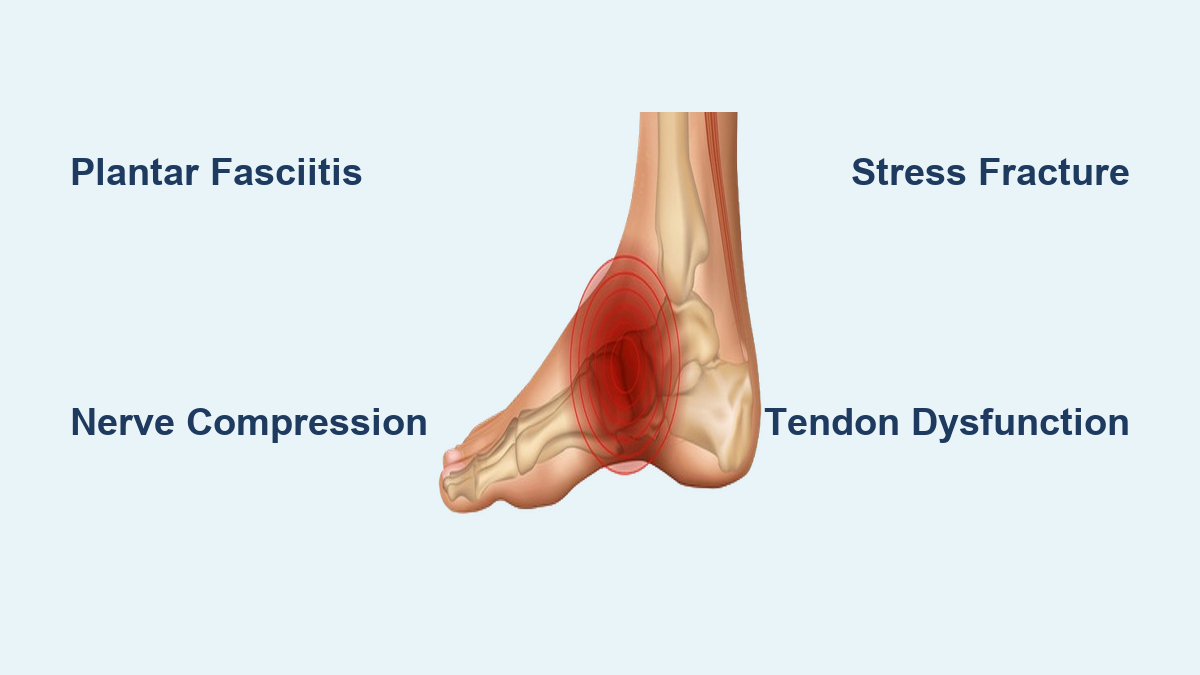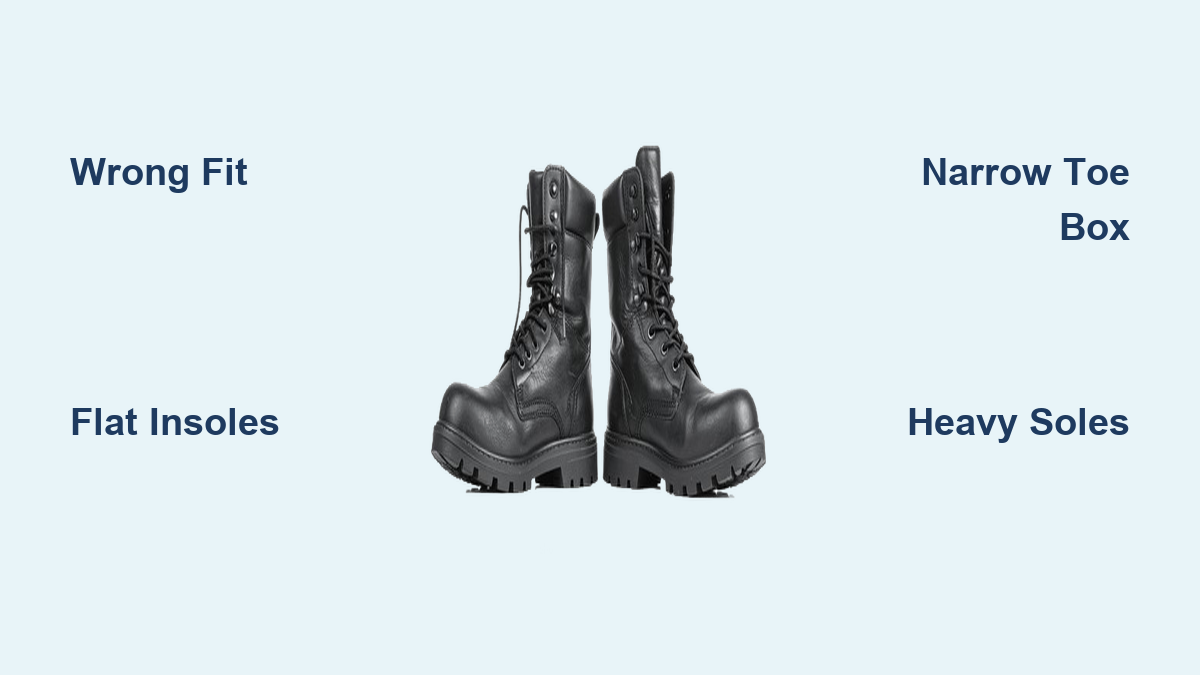
If you’ve ever finished a 10-hour shift with throbbing feet, burning arches, or numb toes, you’re not alone. Over 60% of industrial workers report foot pain linked to their steel toe boots—despite wearing them for safety. While the steel cap protects against crushing injuries, the discomfort many experience isn’t from the metal itself, but from poor fit, lack of support, rigid construction, and narrow toe boxes that turn essential gear into a source of chronic pain.
The truth is, steel toe boots don’t have to hurt. Most foot problems—like plantar fasciitis, Morton’s neuroma, and ingrown toenails—are preventable with the right choices. This guide breaks down exactly why steel toe boots cause foot pain and delivers proven, actionable fixes so you can stay protected and pain-free on the job.
Boots That Are Too Small or Narrow Crush Your Toes
Wearing incorrectly sized steel toe boots is the leading cause of foot pain. The rigid safety cap reduces interior space, making even “correctly sized” boots feel cramped.
Toe Jamming and Heel Slippage from Wrong Fit
When your toes hit the front of the boot with every step, it leads to bruised or blackened toenails, sharp pain at the tips, and long-term deformities like hammertoes. At the same time, if the boot is too large, your heel slips, causing blisters, instability, and fatigue.
Real Insight (Reddit): A worker with wide feet wore EE-width boots but still had pain on the outer edge of his big toe. Others confirmed: “It’s the boot last—the internal shape doesn’t match your foot.”
How to Get the Right Fit
- Get measured professionally at the end of the day, when feet are naturally swollen.
- Always wear your work socks during fitting—thick merino wool or compression socks change fit significantly.
- Leave ½ inch (thumb’s width) between your longest toe and the front of the boot.
- Look for asymmetrical or oblique toe boxes (Keen, Carolina, Danner) that follow your foot’s natural shape.
Pro Tip: Some brands like Dr. Martens have steel toe versions with tighter internal dimensions—never assume sizing is consistent across models.
Flat Factory Insoles Cause Plantar Fasciitis

Most steel toe boots come with thin, flat insoles that offer zero arch support—a setup guaranteed to cause pain on concrete floors.
Why Stock Insoles Fail
These insoles compress within months, losing up to 70% of their cushioning. Without proper arch support, your foot overpronates, straining the plantar fascia and leading to sharp heel pain, especially in the morning.
Medical Fact: The American Podiatric Medical Association identifies poor arch support in work boots as a top cause of plantar fasciitis among laborers.
Replace Insoles Immediately—It’s the #1 Fix
Choose Insoles With:
- Firm arch support
- Deep heel cup
- Shock-absorbing EVA or polyurethane foam
- Metatarsal pad to relieve forefoot pressure
Top Picks:
- Superfeet GREEN – Best for high arches
- Powerstep Pinnacle Maxx – Dual-layer cushioning + arch support
- SOOTHEEZ Work Insoles – Designed specifically for work boots
- ErgoPad Redux Heel 2 – Medical-grade heel pain relief
Yes, custom orthotics fit in steel toe boots—just remove the factory insole first. Many are covered by insurance with a podiatrist’s prescription.
Heavy, Rigid Soles Lead to Foot and Leg Fatigue

Steel toe boots are built for durability, not comfort. Their stiffness disrupts natural movement and increases strain.
Weight and Stiffness Strain Your Body
- Average boot weight: 1.5–2.5 lbs each
- Total added weight: 3–5 lbs per pair
- Over 10,000 steps, this increases energy use and joint stress.
Stiff outsoles reduce toe flexion, concentrating pressure on the ball of the foot. Inflexible heel counters restrict ankle motion, contributing to Achilles tendinitis and calf fatigue.
User Feedback: “After 4 hours, my arches burn and my feet feel like concrete.”
Choose Lightweight, Flexible Alternatives
- Composite toe boots (fiberglass, Kevlar) are 30% lighter and often roomier.
- Look for dual-density midsoles that balance support and cushioning.
- Prioritize slip-resistant outsoles with flex grooves.
Best Models: Keen Pittsburgh, Danner Quarry, Timberland PRO Pit Boss.
Narrow Toe Boxes Squeeze Nerves and Toes

The steel cap reduces space, but many boots worsen it with symmetrical, rounded toe boxes.
Consequences of a Tight Toe Box
- Morton’s neuroma: Nerve compression between 3rd and 4th toes → tingling, burning.
- Hammertoes: Toes curl from constant pressure.
- Ingrown toenails: Repeated trauma from toe jamming.
- Blisters and calluses: From rubbing against the steel cap.
Reddit Case: A user upgraded a full size but still had pain—“The last is too narrow for my foot shape.”
How to Find Roomy Toe Space
- Look for “wide toe box,” “king toe,” or “asymmetrical toe” labels.
- Brands with better fit:
- Red Wing (King Toe) – Extra forefoot width
- Keen – Anatomical left/right toe design
- Danner Quarry – Spacious, comfortable out-of-box
- Carolina Romeo – Oblique safety toe for natural alignment
Avoid: Boots with pointed or symmetrical steel caps unless you have narrow feet.
Trapped Sweat Causes Blisters and Fungus
Non-breathable leather and synthetic uppers trap moisture, creating a breeding ground for bacteria and blisters.
Why Ventilation Matters
- Wet feet = more friction = more blisters.
- Damp environment encourages athlete’s foot and odor.
- Swelling increases during long shifts, worsening fit.
Wear Performance Socks That Keep Feet Dry
Upgrade from cotton to merino wool or compression socks.
Ideal Features:
- Merino wool: Wicks moisture, regulates temperature
- Targeted cushioning: Extra padding in heel and forefoot
- Graduated compression: Improves circulation, reduces swelling
Top Brands:
- Darn Tough – Durable, lifetime warranty
- SmartWool – Soft, moisture-wicking
- Bama Socks – Popular with industrial workers
- Thorlo Work – Maximum cushioning
Pro Tip: Change socks mid-shift if possible—especially in hot environments.
Break In Boots Gradually to Avoid Blisters
Never wear new steel toe boots for a full shift on day one.
Safe Break-In Steps
- Wear indoors for 1–2 hours with work socks.
- Gradually increase wear time over 7–14 days.
- Use moleskin on pressure points.
- Condition leather with mink oil to soften uppers (avoid over-softening ankle support).
Warning: If pain persists after 2 weeks, it’s not the break-in—it’s the fit. Resizing is needed.
Fix Pressure Points with Smart Lacing
Improper lacing causes heel slippage, tightness over the instep, or toe numbness.
Best Lacing Techniques
Heel-Lock Lacing
- Prevents heel lift and improves stability.
- Use the top eyelets in a loop-and-pull method.
Skip-Lacing
- Skip eyelets over painful areas (e.g., top of foot).
- Reduces pressure from tight lacing.
Window Lacing
- Creates a “window” over the instep to relieve pressure.
- Ideal for high arches or swelling.
User Hack: Loosen laces over the forefoot if toes feel compressed—but keep the heel locked.
Stretch Boots for a Better Fit (Safely)
If boots are slightly tight, stretching can help—but never try to stretch the steel cap.
DIY Stretching Methods
- Shoe stretchers: Insert overnight, especially for width.
- Alcohol/water spray: Spray inside, wear with thick socks for 1–2 hours.
- Freezer method: Fill bags with water, place in toe box, freeze—ice expands and stretches material.
Professional Stretching
- Visit a cobbler for targeted stretching.
- They can stretch leather uppers but cannot alter the safety toe.
Limitation: If the toe box is too narrow by design, no amount of stretching will fix it. Replace the boots.
Switch to Composite Toe Boots for All-Day Comfort
Composite toe boots meet the same ASTM F2413 safety standard—but offer comfort advantages.
Benefits of Composite Toe
- Lighter weight = less fatigue over long shifts.
- Better insulation = stays warmer in winter, doesn’t conduct cold.
- More room in toe box = many models are designed with extra space.
- Non-metallic = won’t set off metal detectors.
FAQ: Are composite toes less safe? No—same impact and compression protection as steel.
Best For: Workers who walk all day, work in cold climates, or need metal-free footwear.
Reduce Pain with Anti-Fatigue Mats and Breaks
Even the best boots can’t fully compensate for standing on concrete.
Use Anti-Fatigue Mats
- Place them at stationary workstations.
- They encourage micro-movements that improve circulation and reduce swelling.
Take Movement Breaks
- 5-minute break every hour to stretch calves and feet.
- Perform plantar fascia and Achilles stretches before and after shifts.
Effective Stretches:
- Towel stretch: Sit, loop towel around ball of foot, gently pull.
- Wall stretch: Lean into wall, back heel down.
- Tennis ball roll: Roll under arch for 2–3 minutes.
Pro Tip: Keep a foam roller at home to release tight plantar fascia and calves.
Rotate Two Pairs of Boots to Prevent Overuse
Wearing the same pair every day accelerates midsole compression.
Why Rotation Helps
- Allows midsoles to recover between shifts.
- Doubles the lifespan of each pair.
- Reduces repetitive strain on the same foot structures.
Replacement Rule: Replace boots every 6–12 months of daily use—even if they look fine. Compression isn’t always visible.
Apply Padding for Instant Relief
For quick fixes on the job, targeted padding reduces friction and pressure.
Smart Padding Solutions
- Moleskin or blister pads: Apply to hot spots or heels.
- Felt tongue pads: Cushion sharp steel cap edges.
- 3/4-length insoles: Free up toe box space while keeping arch support.
- Thinner insoles: Fit custom orthotics without crowding toes.
User Hack: Cut the front of the factory insole off to create extra toe room—especially helpful for hammertoes.
See a Podiatrist If Pain Won’t Go Away
Persistent pain isn’t normal. Don’t ignore these signs:
- Severe heel or arch pain, especially in the morning
- Numbness or tingling in toes
- Swelling, redness, or warmth
- Difficulty walking or bearing weight
- Pus or infection around toenail
What to Expect
- Physical exam and gait analysis
- X-ray for heel spurs or bone issues
- Ultrasound or MRI for soft tissue injuries
Treatments
- NSAIDs (e.g., ibuprofen) for inflammation
- Cortisone injections for severe plantar fasciitis or neuroma
- Custom orthotics and physical therapy
- Surgery (rare): For heel spur removal or Haglund’s deformity
Early treatment prevents long-term damage.
Best Boots for Pain Relief: What to Buy

When shopping, prioritize:
| Feature | Benefit |
|---|---|
| Wide/asymmetrical toe box | Prevents nerve compression, allows toe splay |
| Removable insole | Fits custom orthotics |
| Composite or alloy toe | Lighter, more comfortable |
| Dual-density midsole | Balances cushion and support |
| Slip-resistant outsole | Safe and flexible |
| Moisture-wicking lining | Keeps feet dry |
| Heel stabilizer | Reduces Achilles strain |
Top Pain-Friendly Models
- Keen Utility Pittsburgh – Asymmetrical toe, wide fit
- Danner Quarry 8” – Roomy, durable, comfortable out-of-box
- Red Wing Iron Ranger (King Toe) – Extra forefoot width
- Timberland PRO Pit Boss – Composite toe, anti-fatigue footbed
- Carolina Romeo – Oblique safety toe, cushioned sole
Final Note
Safety and comfort are not opposites. With the right boots, insoles, socks, and habits, you can protect your toes and your foot health. Your feet carry you through every shift—give them the support they deserve.