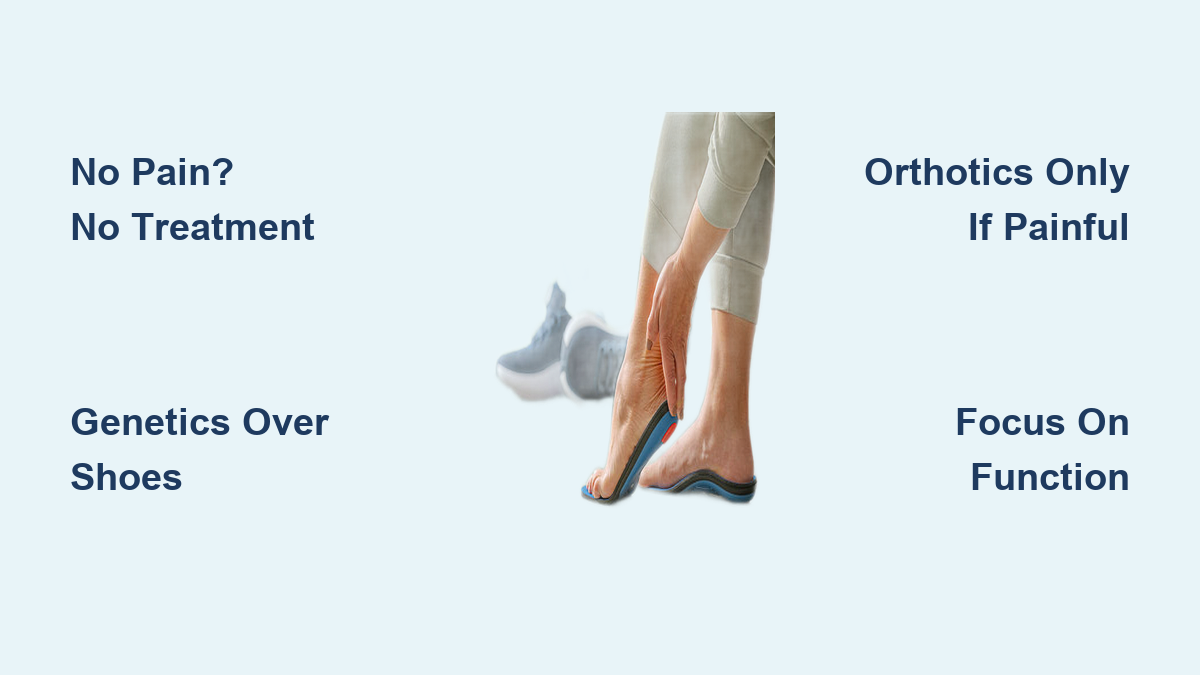
Flat feet affect millions of people worldwide, yet persistent myths about the condition fuel unnecessary anxiety and misguided treatments. Medically known as pes planus, flat feet occur when the arch collapses, allowing the entire or most of the sole to touch the ground. Despite impacting 10–30% of adults and up to 30.9% of young children, flat feet are often misunderstood. Many believe they always cause pain, limit physical ability, or must be corrected—none of which are universally true.
In reality, most people with flat feet experience no symptoms and live active, pain-free lives. Arch shape alone does not determine foot health. This article dismantles the most common myths about flat feet correction using evidence from orthopedic research, clinical data, and expert insights. You’ll learn when treatment is truly necessary, which interventions work, and how to maintain strong, functional feet—whether you’re a parent, athlete, or adult noticing changes over time.
Flat Feet Always Cause Pain
Pain Isn’t Guaranteed—Most Cases Are Asymptomatic
One of the biggest misconceptions is that flat feet automatically mean chronic discomfort. The truth? The majority of individuals with flat feet feel no pain at all. Global studies show prevalence rates between 13.6% and 27.4%, with most people walking, running, and standing without issue.
In children, 30.9% aged 3–5 have flat feet, but this drops to 11.3% by age 6–7 as arches naturally develop. Most outgrow the condition without intervention. Adults also commonly have flat feet—10–20% globally—yet many remain symptom-free for decades.
Key insight: If you can walk, stand, and move without discomfort, your flat feet likely don’t need “fixing.” Pain, not foot shape, should guide care decisions.
“Not every flat foot needs correction,” emphasize orthopedic specialists. The focus should be on function, not form.
Bad Shoes Cause Flat Feet
Genetics, Not Footwear, Determine Arch Structure
Many blame flip-flops or unsupportive shoes for causing flat feet. The reality? Foot structure is primarily genetic, not shaped by footwear choices.
Infants and toddlers naturally have flat feet—their arches develop gradually, typically by ages 6 to 8. Heredity plays a major role: if one or both parents have flat feet, their children are more likely to as well.
Certain conditions also cause rigid flat feet:
– Tarsal coalition (abnormal bone fusion)
– Congenital vertical talus
– Ehlers-Danlos or Marfan syndrome
Adult-acquired flatfoot, on the other hand, stems from:
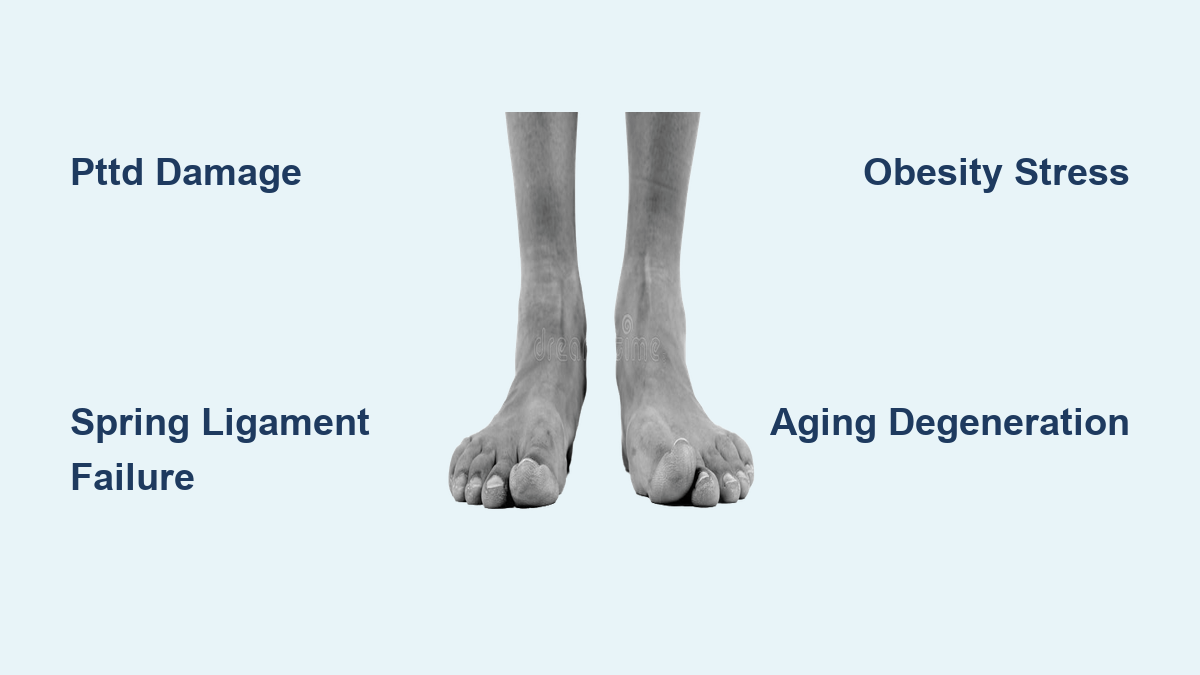
– Posterior tibial tendon dysfunction (PTTD)
– Aging and ligament laxity
– Obesity (BMI ≥ 30)
– Diabetes or arthritis
Can Shoes Make It Worse?
While shoes don’t cause flat feet, poor footwear can worsen symptoms in those already prone to pain. Supportive shoes reduce strain on the posterior tibial tendon but won’t reshape the arch.
Expert advice: Wear supportive footwear for comfort and symptom management—not because it will “correct” your feet.
Surgery Is Needed for Flat Feet
Most Cases Respond to Non-Surgical Care
Surgery is often feared—or expected—as the only fix for flat feet. In reality, surgical intervention is rare and reserved for severe, unresponsive cases.
Conservative Treatment Success
- 87.5% of adult-acquired flatfoot cases improve with non-surgical methods over 27 months
- Includes orthotics, physical therapy, proper footwear, and activity modification
When Surgery Is Considered
Surgery may be recommended only when:
– Pain is severe and disabling
– Conservative treatments fail after 6–12 months
– There’s joint instability, deformity, or arthritis
Common Procedures

| Procedure | Purpose |
|——–|——–|
| Tendon Transfer | Repairs or reroutes the posterior tibial tendon |
| Calcaneal Osteotomy | Realigns the heel bone to correct foot position |
| Arthrodesis | Fuses joints to stop painful motion in advanced cases |
Even after surgery, return to activity varies:
– 36.6% resume low-impact sports
– 40% engage in moderate activity
– 23.3% return to intense training
Bottom line: Early, tailored therapy prevents surgery in most patients.
Flat Feet Only Affect Children
Adults Commonly Develop Flat Feet Over Time
While flat feet are normal in early childhood, they’re not just a pediatric issue. Adult-acquired flatfoot affects 10–20% of adults, often due to degenerative changes.
In Kids
- Flexible flat feet are typical: the arch appears when non-weight-bearing (e.g., on tiptoes)
- Most develop arches naturally by age 6–7
- Treatment is rarely needed before age 5–6 unless pain or rigidity occurs
In Adults
- Caused by posterior tibial tendon degeneration, obesity (78.12% of cases), trauma, or systemic disease
- Can progress over time, leading to chronic pain or deformity if untreated
Expert insight (Mr. Thomas Crompton): “All children under five have flat feet—it’s part of normal development.”
Adults, however, should monitor for sudden arch collapse or inner ankle swelling, which may signal PTTD—a condition requiring prompt care.
Everyone Needs Arch Supports
Orthotics Help Only When Symptoms Exist
A widespread myth is that everyone with flat feet must wear orthotics. But research shows they’re only beneficial when pain or dysfunction is present.
Who Benefits?
- People with symptomatic flat feet
- Those experiencing overpronation, fatigue, or joint pain
- Individuals needing pressure redistribution or gait correction
Custom orthotics outperform over-the-counter inserts in severe cases, reducing pain and improving shock absorption.
Who Doesn’t Need Them?
- Asymptomatic individuals
- Children with flexible, pain-free flat feet
- Adults with no functional limitations
Overuse of orthotics without medical guidance may weaken intrinsic foot muscles or create dependency.
Alternatives to Orthotics
- Supportive shoes with firm heel counters and arch support
- Compression socks for swelling and circulation
- Taping or bracing for short-term relief during flare-ups
Caution: “The wrong fix can cause more harm,” warn podiatrists. Avoid self-prescribing orthotics.
Flat Feet Limit Athletic Performance
Elite Athletes Thrive With Flat Feet
Many believe flat feet disqualify someone from sports. Yet Cristiano Ronaldo and Usain Bolt, two of the greatest athletes, have flat feet—and they’re not alone.
Why It’s Not a Barrier
- Flat feet may offer greater flexibility and shock absorption
- Overpronation, not arch height, is the real concern for injury risk
- With proper footwear and strength training, most people perform at high levels
Returning After Surgery
Post-surgical activity levels vary:
– 36.6% return to light activity
– 40% reach moderate intensity
– 23.3% resume intense training
Takeaway: Flat feet should not stop you from running, jumping, or playing sports—especially with the right support.
Flat Feet Are Abnormal
It’s a Normal Anatomical Variation
Flat feet are often labeled “abnormal” or “defective,” but they’re simply a natural variation in human anatomy, like height or foot size.
With 13.6% to 27.4% of people globally affected, flat feet are relatively common. Inherited traits, not disease, often explain the structure.
Expert view (Dr. Tarkit Modi): “Flat feet are not a sign of poor health. They’re just another way feet can be shaped.”
Asymptomatic cases require no treatment. The goal isn’t to “normalize” the foot—but to keep it strong, stable, and pain-free.
Flat Feet Cause Back and Knee Pain
Possible Link—But Not Inevitable
Some believe flat feet trigger knee, hip, or back pain through altered biomechanics. While possible, this isn’t guaranteed.
How It Might Happen
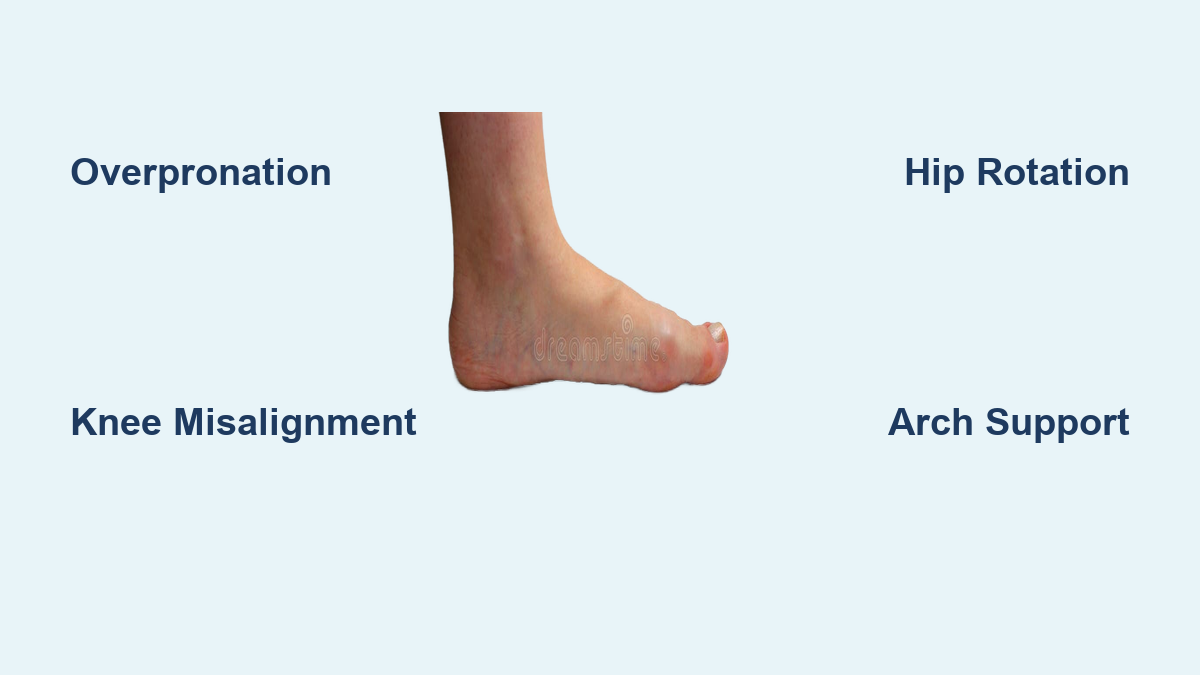
- Overpronation (inward foot roll) may lead to:
- Increased knee valgus (knock-knee effect)
- Pelvic tilt
- Spinal misalignment
- These changes can contribute to secondary joint pain
Evidence Is Mixed
- Some studies confirm a biomechanical connection
- Many with flat feet never develop joint pain
- Risk increases with obesity, muscle imbalance, or poor posture
Clinical advice: Address gait, strength, and posture—not just the arch. A holistic approach works better than isolated foot correction.
Flat Arches Can Be Restored in Adults
Focus on Function—Not Rebuilding the Arch
Many hope exercises or devices can “restore” a high arch in adulthood. But structural arch restoration is unlikely once growth stops.
What You Can Improve
- Foot strength: Towel curls, heel raises
- Flexibility: Calf and Achilles stretches
- Balance and stability: Single-leg stands, proprioception drills
- Pain and fatigue: Through orthotics, weight control, and proper shoes
Effective Exercises
- Towel curls: Place a towel on the floor, grip it with toes (3 sets of 10)
- Heel raises: Stand on edge of step, lift heels slowly (3×15)
- Calf stretch: Lean into wall with back leg straight (hold 30 sec, 3x daily)
Expert emphasis: “The goal isn’t to ‘fix’ flat feet—it’s to ensure they’re strong, functional, and pain-free.”
All Flat Feet Require Treatment
Only Treat When Symptoms Appear
One of the biggest misconceptions is that all flat feet need correction. The medical standard is clear: treatment should be symptom-driven.
When to Skip Treatment
- No pain or discomfort
- Normal walking and standing ability
- Flexible arch (disappears with non-weight-bearing)
- No swelling or gait issues
When to See a Specialist
Seek evaluation if you have:
– Persistent foot or ankle pain
– Swelling along the inner ankle
– Sudden change in foot shape
– Difficulty standing for long periods
– History of diabetes, obesity, or arthritis
Research insight: “If there’s no discomfort or movement limitation, no treatment is necessary.”
Types and Diagnosis of Flat Feet
Flexible vs. Rigid: Know the Difference

Understanding the type of flat foot determines care.
| Type | Characteristics | Treatment Approach |
|---|---|---|
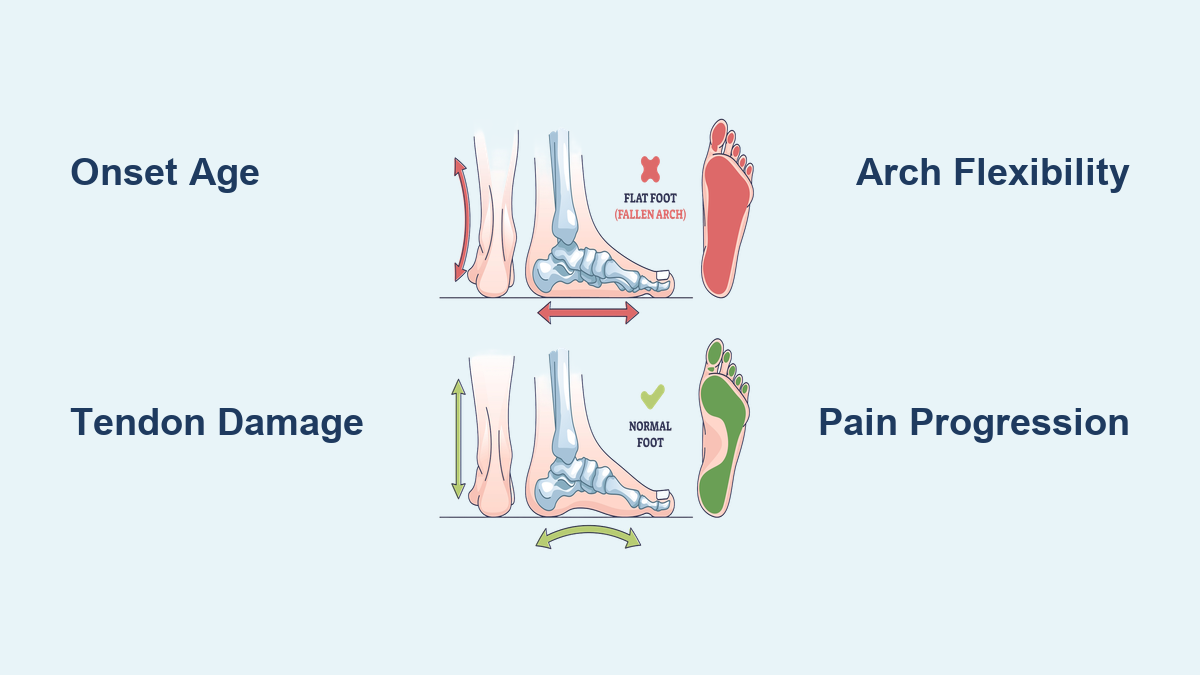
| Flexible Flat Feet | Arch visible when sitting or on tiptoes; collapses when standing. Most common, often painless. | Observation, exercises, supportive footwear. Orthotics only if painful. |
| Rigid Flat Feet | No arch, even when not bearing weight. Often painful, linked to structural issues. | Aggressive conservative care; possible surgery. |
How It’s Diagnosed
- Wet test: Wet sole, step on paper—full imprint suggests flat feet
- Physical exam: Check arch presence when sitting vs. standing
- Imaging: X-ray, MRI, or ultrasound if tendon damage (e.g., PTTD) is suspected
Prevention and Daily Management
Simple Strategies for Long-Term Foot Health
Even without symptoms, proactive care supports foot function.
Key Tips
- Wear supportive shoes: Look for arch support, firm heel counter, motion control
- Manage weight: Reduces load on tendons and joints
- Stretch daily: Focus on calves and Achilles tendon
- Strengthen feet: Use towel curls, marble pickups
- Avoid barefoot walking on hard surfaces if symptomatic
“You are not broken,” says Dr. Tarkit Modi. “With the right knowledge, you can step confidently into a pain-free future.”
Final Note: Flat feet are common, usually harmless, and rarely require aggressive treatment. The focus should shift from myth-driven fear to evidence-based care—prioritizing symptoms over shape, function over form, and professional guidance over self-diagnosis. Whether you’re a parent, athlete, or adult noticing changes, understanding the truth empowers better decisions and healthier feet for life.