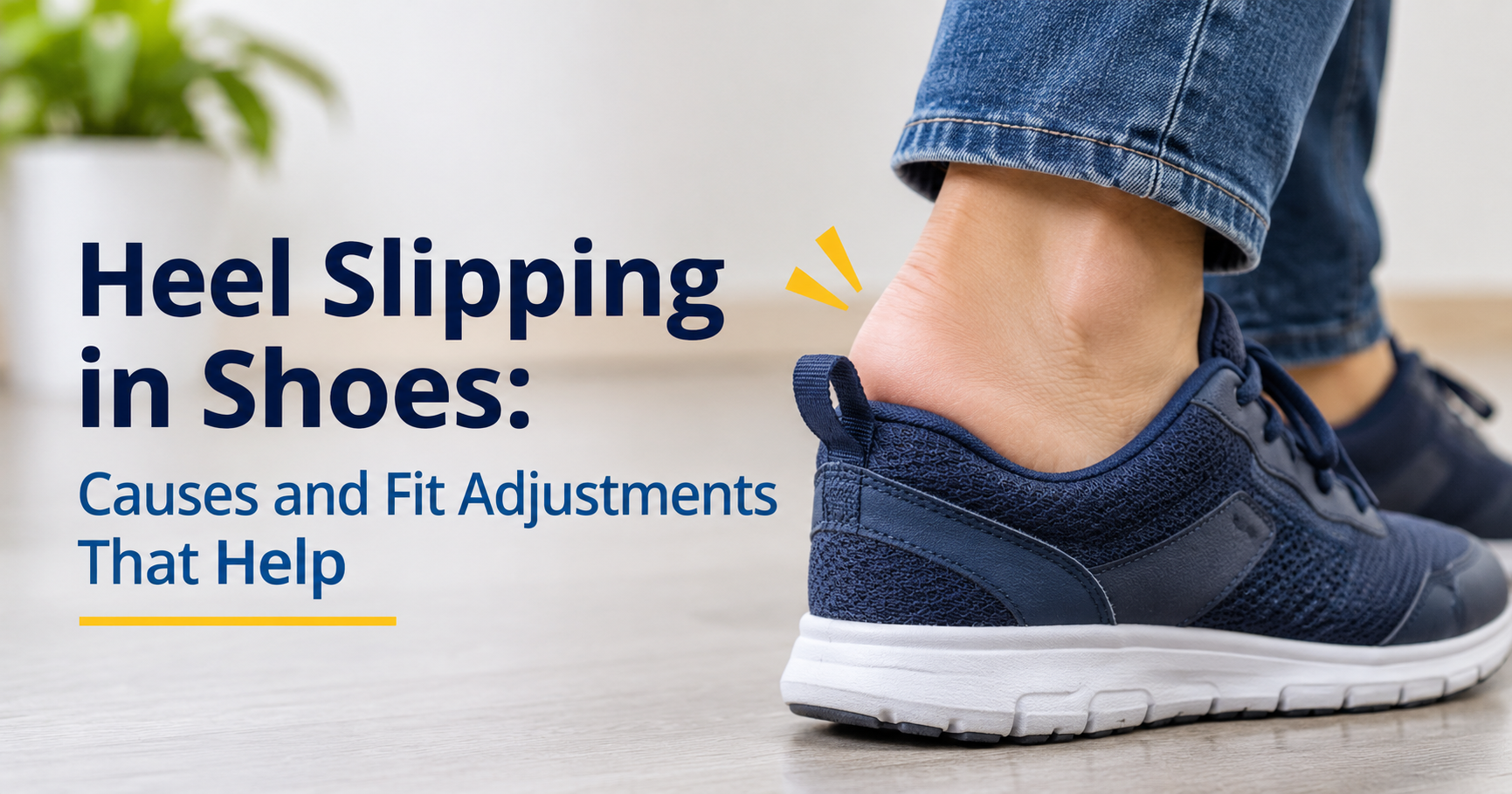
Few things are as annoying as a shoe that will not stay on your foot. Every step, your heel pops up, the back of the shoe slaps the ground, and you spend the whole walk gripping with your toes just to keep going. If you are dealing with heel slipping out of shoes when walking, you are not alone. It is one of the most common fit complaints, and it affects flats, sneakers, boots, sandals, loafers and heels alike.
The good news is that heel slip is almost always fixable. In this complete guide you will learn why it happens, how to tell which cause applies to you, and which solutions actually work, from simple lacing changes to the right kind of inserts. You will also find buying tips so you can avoid the problem with your next pair.
Table of Contents
- What Is Heel Slip and Why Does It Matter?
- 6 Common Causes of Heel Slipping Out of Shoes
- How to Tell Which Cause Is Yours
- 12 Proven Ways to Stop Your Heel Slipping
- How to Do the Heel Lock Lacing Technique
- Fixes by Shoe Type
- How to Buy Shoes That Stay on Your Heels
- When to See a Foot Specialist
- Frequently Asked Questions
- Final Thoughts
What Is Heel Slip and Why Does It Matter?
Heel slip happens when your heel lifts out of the heel cup of the shoe as you push off with each step. A small amount of movement is normal in some styles, especially stiff new shoes that have not been broken in. But when your heel rises noticeably or the shoe feels loose, it is a sign that the fit is not right.

Ignoring it is not harmless. Constant friction between the back of your foot and the shoe causes:
- Blisters and hot spots on the back of the heel and the Achilles area
- Calluses and irritated skin from repeated rubbing
- Toe gripping, where your toes curl to hold the shoe on, which can lead to tired feet and sore arches
- Altered walking pattern, which can add strain to your ankles, knees and lower back over time
- Reduced stability and a higher chance of tripping when the shoe slides off mid-step
6 Common Causes of Heel Slipping Out of Shoes
Before choosing a fix, it helps to understand the cause. Heel slip usually comes down to one or more of the following reasons.

1. Shoes That Are Too Big
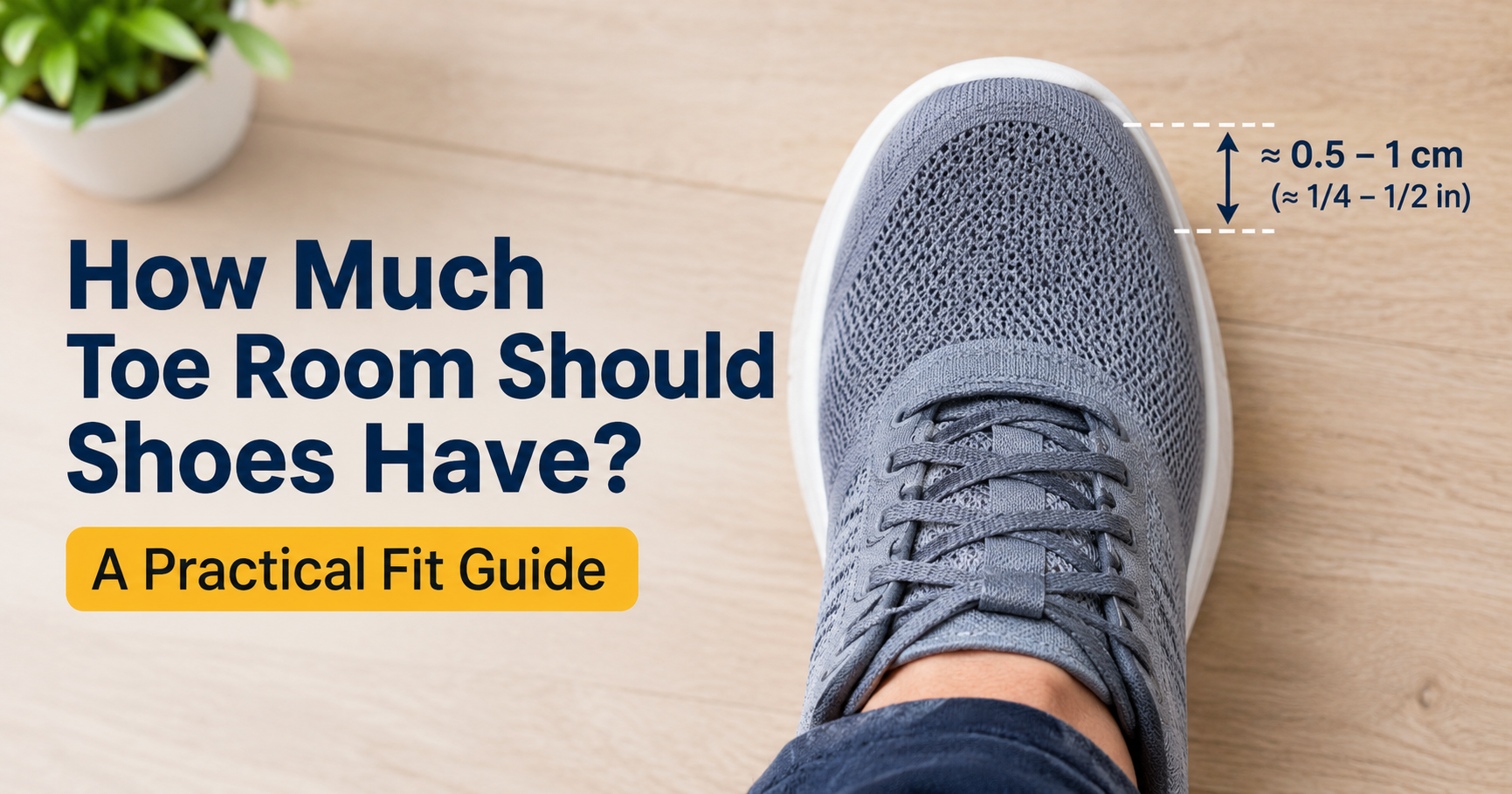
This is the most obvious cause. When a shoe is too long, your foot slides forward and your heel has space to rise. If there is more than about a thumb’s width in front of your longest toe, the shoe is probably too large. Many people also wear the wrong size without knowing it, because foot size can change with age, pregnancy, weight changes and long periods of standing.
2. Wrong Width or Heel Shape
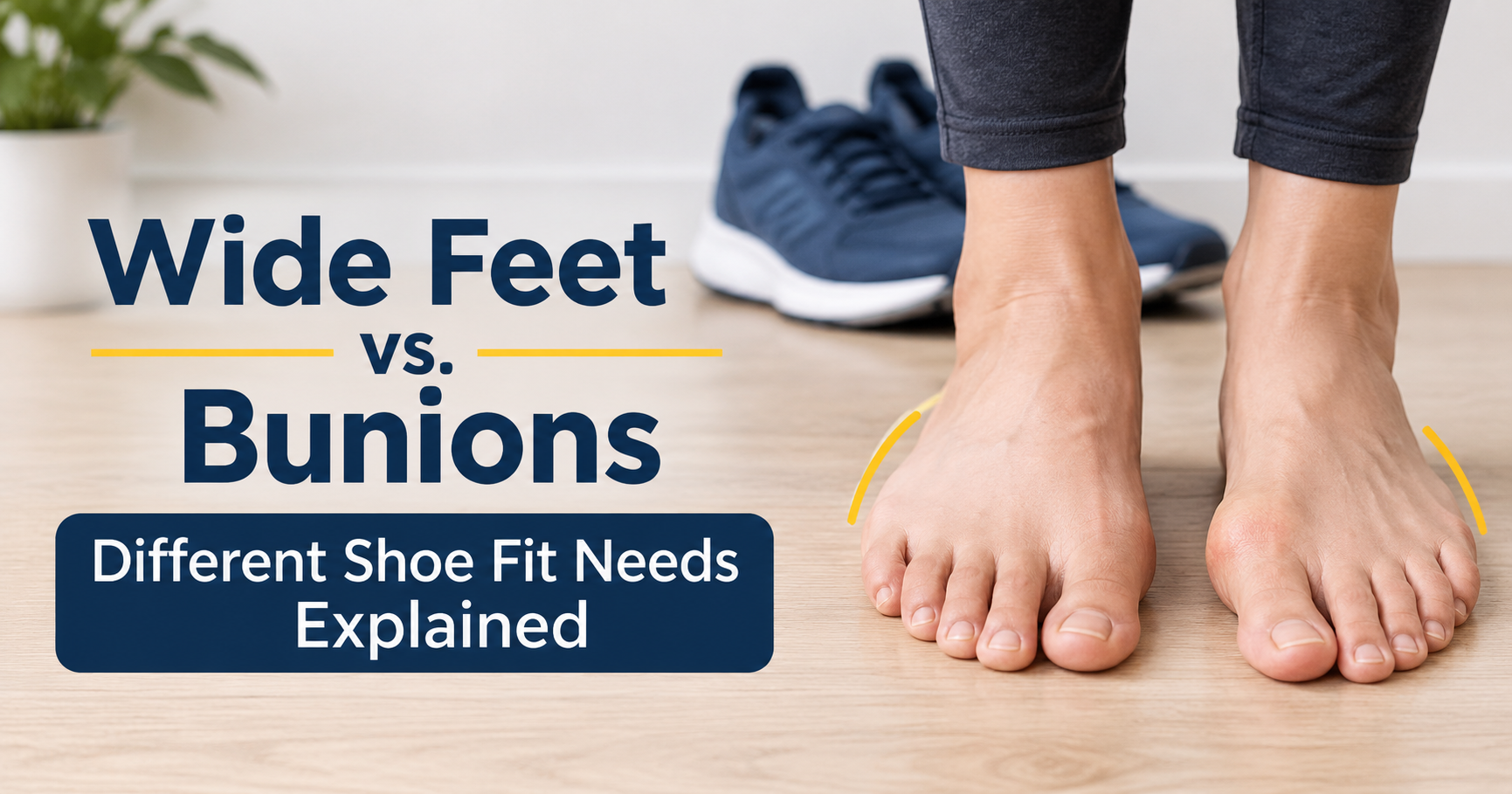
A shoe can be the correct length and still be a poor fit. Some brands cut a wide, shallow heel cup, while many people have a narrow heel relative to the front of the foot. In that case the forefoot feels right, but the heel has nothing to hold on to.
3. Stiff or Unbroken Material
New leather, structured boots and rigid soles do not bend easily. Until the shoe softens and flexes with your foot, your heel is pushed up on every step. This type of slip often improves after a few wears, although you should not suffer through blisters while waiting.
4. Worn-Out or Flat Insoles
Over time, insoles compress and lose their shape. A worn insole no longer cradles the heel or fills the inside of the shoe, which leaves extra room and lets the foot move. If a pair that once fit well now feels loose, tired insoles are a likely reason.
5. Low-Volume Feet or Slim Ankles
Some people have feet that are low in volume, meaning a slim ankle, a lower instep and a narrow heel. Standard shoes are built for an average foot, so these feet can feel like they are floating inside the shoe even at the correct size.
6. Slippery Lining or Thin Socks
Smooth synthetic lining, polished leather interiors and thin or worn socks create very little friction. Without grip, the heel slides up with ease. Sandals and slip-ons are especially affected, because there is often no back strap or structured counter to hold the heel.
How to Tell Which Cause Is Yours
You can narrow down the cause in a couple of minutes at home.
| What You Notice | Likely Cause | Best Place to Start |
|---|---|---|
| Room in front of the toes and the whole shoe feels loose | Shoe too big | Half-size smaller or a full insole |
| Toes fit well but the heel is loose | Wide heel cup or narrow heel | Heel grips and heel lock lacing |
| Heel lifts only in brand new shoes | Stiff material | Short wear sessions and soft padding |
| An old pair that used to fit now slips | Worn insoles | Replace the insoles |
| Slipping in sandals, flats or loafers | Smooth lining, no heel hold | Grip liners or heel cushions |
Try this simple test: put on the shoe, lace or fasten it as you normally would, and walk across the room. Then stand still and ask someone to look at the back of the shoe while you rise onto the balls of your feet. If the heel lifts more than a few millimetres or you feel the back of the shoe sliding down, you have confirmed heel slip.
12 Proven Ways to Stop Your Heel Slipping
Start with the simplest options first. Many people solve the problem with one or two of these fixes.

1. Use Adhesive Heel Grips
Heel grips, also called heel liners or heel cushions, are soft pads that stick to the inside back of the shoe. They add a little thickness and a grippy surface, so the heel sits snugly and stops sliding. They are available in suede, leather, foam and gel, and they are one of the most popular fixes for loafers, boots and dress shoes.
2. Add Full-Length or Three-Quarter Insoles
If the whole shoe feels roomy, an extra insole takes up empty volume and lifts the foot slightly. This presses the heel back into the heel cup. Choose a thin insole to avoid crowding the toes. A three-quarter insole is useful when the shoe is only loose near the heel and midfoot.
3. Try Tongue Pads
A tongue pad is a small, self-adhesive cushion that sticks under the tongue of a lace-up shoe or boot. It reduces the space above the foot and pushes the heel back and down. It works well when the instep is low and the shoe feels loose across the top.
4. Use Heel Lock Lacing
This lacing trick uses the top eyelets to create a snug hold around the ankle without squeezing your toes. It costs nothing and works on most lace-up sneakers, trainers and boots. Full instructions are in the next section.
5. Wear the Right Socks
Thin, slippery socks make a loose shoe worse. Cushioned socks with a bit of texture, especially ones made from wool blends or with a non-slip heel panel, add grip and fill small gaps. Avoid very thick socks in a tight shoe, because they can cause pressure points elsewhere.
6. Choose Ball-of-Foot Cushions for Heels and Flats
For dress shoes and high heels, a cushion under the ball of the foot stops your foot from sliding forward. When the foot stays back, the heel stays seated. This is also helpful for people whose toes are being squashed at the front.
7. Add Grip Strips to Sandals
Slim, sticky strips or pads placed on the footbed under the heel add traction in open shoes. They also help when your feet are sweaty in warm weather, because they stop skin from sliding over a smooth surface.
8. Replace Worn Insoles
If the original insoles are flat or squashed, swap them for a supportive pair with a deep heel cup. This restores both the volume inside the shoe and the shape that holds your heel in position.
9. Break In New Shoes Gradually
For stiff new shoes, wear them for an hour or two at a time around the house. Leather and similar materials soften and mould to your foot. If the slip is caused by stiffness alone, it often fades within a week or two. Put a blister plaster on the back of the heel as protection while you wait.
10. Try a Different Size or Width
If nothing else works, the shoe may simply be wrong for your foot. Going down half a size or choosing a narrow width can make a big difference. Always try on both shoes, because most people have one foot that is slightly larger than the other.
11. Ask a Cobbler to Adjust the Heel
A skilled cobbler can often tighten the heel area of leather shoes by adding padding inside the counter or reshaping it. This is a good option for expensive pairs you love but cannot return.
12. Pick a Shoe With a Better Heel Design
Look for a firm heel counter, which is the stiff cup at the back of the shoe, along with a padded collar and an adjustable closure such as laces, straps or buckles. Shoes with these features hold the heel far better than backless or elastic-only designs.
How to Do the Heel Lock Lacing Technique
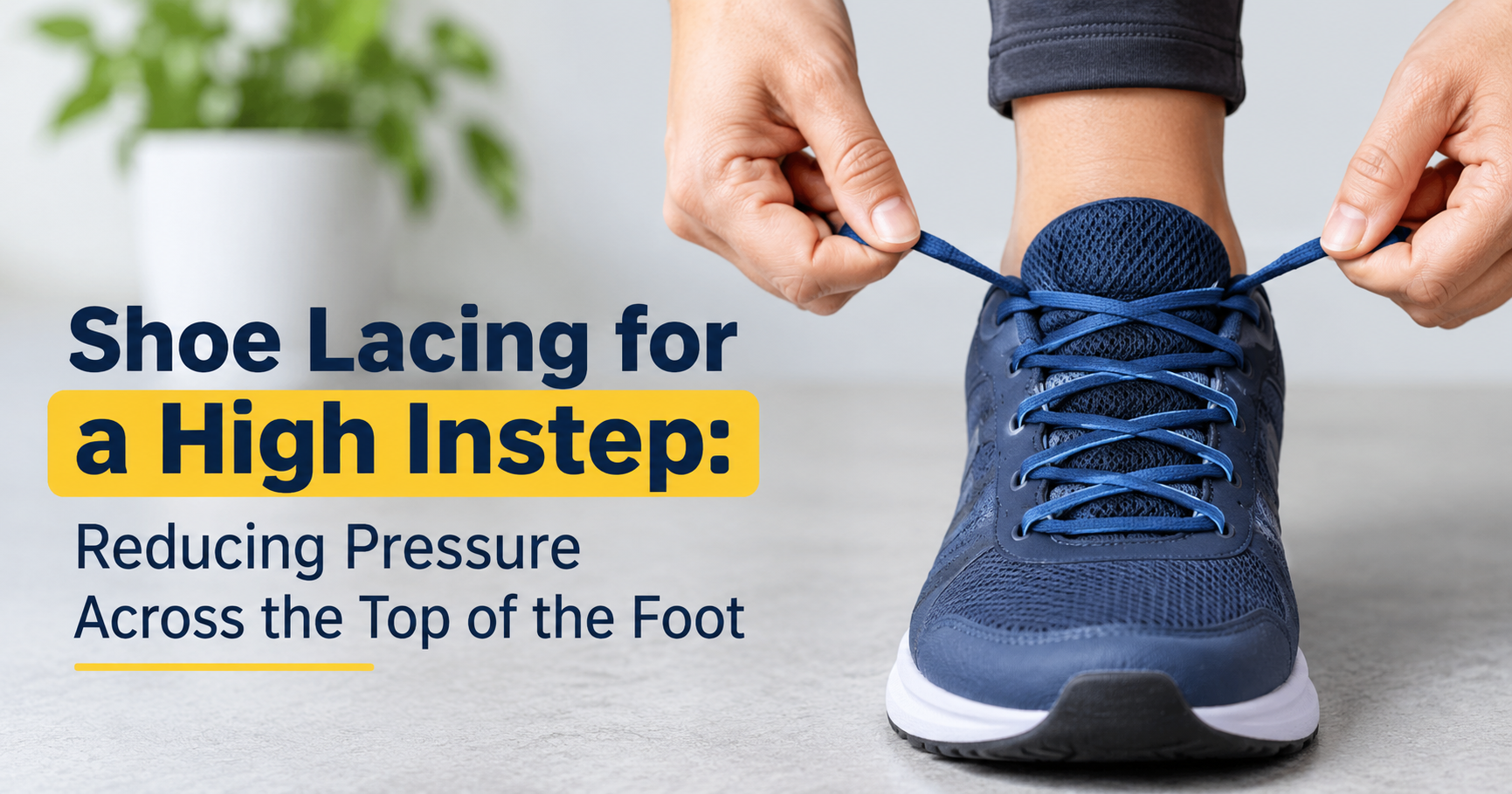
Heel lock lacing, sometimes called the runner’s loop or lace lock, is the most effective free trick for heel slip. It uses the extra eyelet at the top of most athletic shoes and boots.

- Lace the shoe normally up to the second-last pair of eyelets.
- Thread each lace straight up into the final eyelet on the same side, without crossing, so that a small loop forms on each side.
- Cross the laces over each other and pass each end through the loop on the opposite side.
- Pull the laces back and downwards. This tightens the top of the shoe around your ankle.
- Tie your usual bow and check that the fit feels secure but not painful.
Check that the tension is comfortable across the top of the foot. The goal is to hold the heel back, not to cut off circulation. If the shoe has fewer eyelets, you can still use the technique on the last two.
Fixes by Shoe Type
Sneakers and Running Shoes
Use heel lock lacing first. If that is not enough, try a thin insole or a tongue pad. Make sure the shoe is the correct size, because running shoes should have about a thumb’s width in front of the longest toe but should never let the heel move.
Boots
Boots with a loose heel respond well to tongue pads, heel grips and thicker socks. Leather boots may also need a proper break-in period. For tall boots, check the calf and ankle width as well, since a loose shaft can pull the heel upwards.
Flats and Ballet Flats
Flats have no laces or straps to adjust, so cushions and grips do most of the work. Use a heel grip along with a ball-of-foot cushion. Choose flats with a slightly elasticated or structured heel edge when shopping.
Loafers and Dress Shoes
Suede heel liners are especially useful for loafers, because they grip without adding much bulk. A half-size smaller can also fix the problem for good, as long as the toe area still feels comfortable.
High Heels
In heels, the foot slides forward because of the slope. A ball-of-foot cushion and heel grips both help, and an ankle strap gives extra security. Pick a heel counter that wraps firmly around the back of the foot.
Sandals and Slides
Choose sandals with an adjustable back strap. Footbed grip strips or a thin gel pad under the heel stop sliding, especially when your feet are warm or damp.
How to Buy Shoes That Stay on Your Heels
The easiest way to solve heel slip is to prevent it during shopping. Keep these tips in mind:
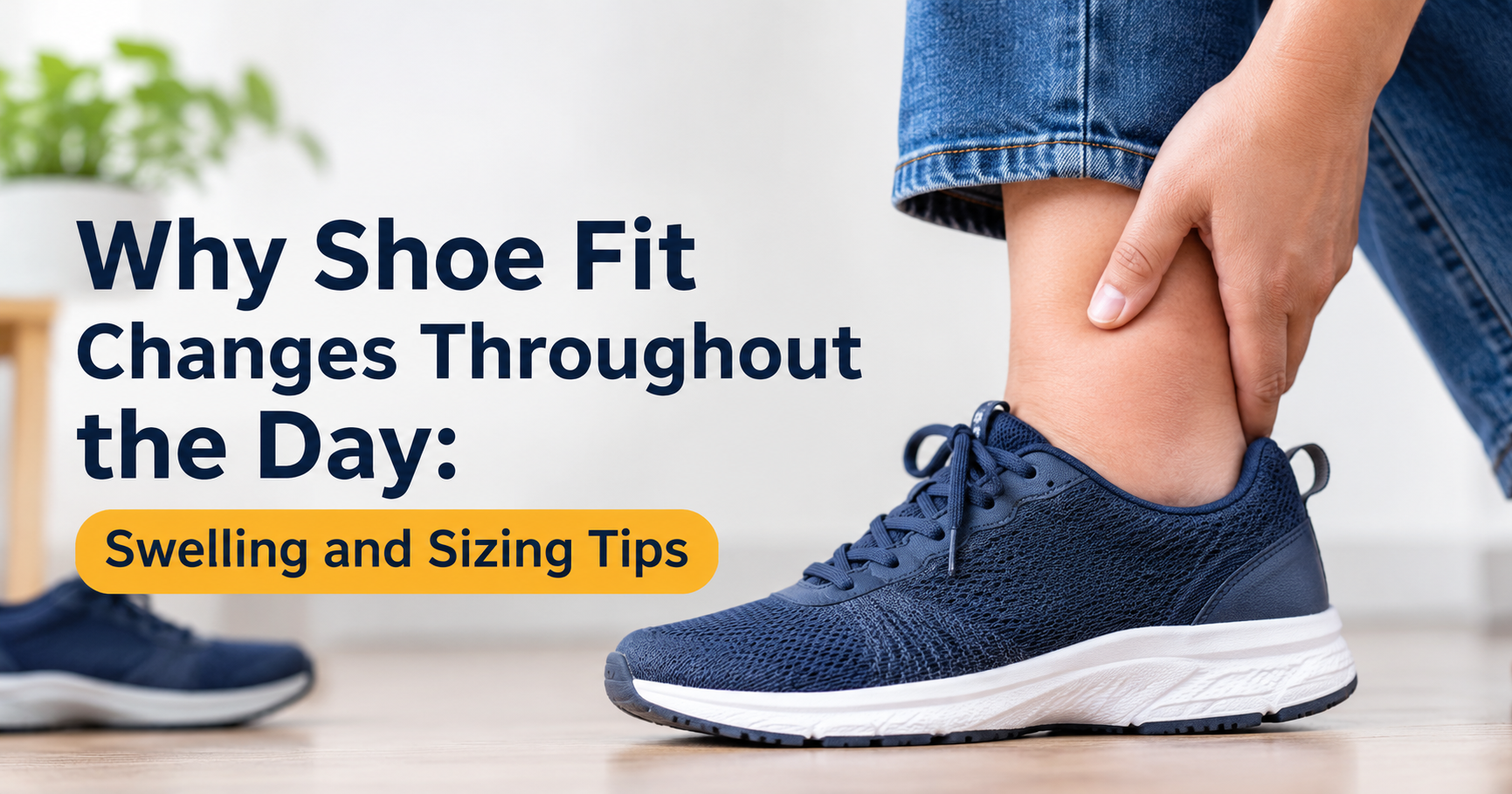
- Shop later in the day. Feet swell slightly by the afternoon, giving you a more realistic fit.
- Measure both feet regularly. Your size can change over the years, and the width matters as much as the length.
- Try shoes with the socks you plan to wear. This gives you an accurate feel for the fit.
- Walk, do not just stand. Take a few laps and go up and down a few steps if you can, watching for heel lift.
- Check the heel counter. Press the back of the shoe. It should feel firm and shaped, not floppy.
- Look for adjustable fastenings. Laces, straps and buckles allow a customised fit.
- Check the return policy. When buying online, make sure you can exchange for another size or width.
When to See a Foot Specialist
Most heel slip is a simple fit problem. However, it is worth speaking to a podiatrist or healthcare professional if you notice any of the following:
- Heel slip across many different shoes in correctly measured sizes
- Persistent heel, ankle or Achilles pain
- Blisters that keep returning or do not heal
- Swelling, redness or numbness in the feet
- A noticeable difference in size or shape between your two feet
A professional can check your foot structure, measure your feet accurately and recommend custom insoles if needed.
Frequently Asked Questions
Why does my heel slip out of my shoes even though they are my size?
Size numbers vary between brands and styles. Your shoe may match your length but not your heel width or foot volume. Narrow heels and low-volume feet are common reasons for slip in shoes that appear to be the right size.
Should I size down if my heels slip?
Sometimes. If your toes have excess room in front, going down half a size can help. If your toes already fit snugly, a smaller size will be uncomfortable, and a heel grip, insole or different shoe shape is a better choice.
Do heel grips really work?
Yes, for most people. They reduce the gap at the back of the shoe and increase friction, which keeps the heel seated. They work best when the shoe is the right length but slightly loose at the heel.
Can new shoes stop slipping on their own?
If the cause is stiffness, usually yes. Shoes soften with wear and begin to flex with your foot. If the shoe is simply too big or the wrong shape, it will not improve by itself.
How do I stop my heels slipping in sandals?
Use grip strips or a thin heel pad on the footbed, choose styles with an adjustable heel strap, and keep your feet dry. Sandals with a contoured footbed also hold the heel better than flat ones.
Is heel slip bad for my feet?
Occasional slip is only annoying, but long-term slip leads to blisters, calluses and toe gripping, which can cause foot fatigue. Fixing the fit early protects your feet and keeps walking comfortable.
Can heel lock lacing damage my shoes?
No. It uses eyelets that are designed for lacing. Just avoid pulling the laces too hard, which can strain the material or restrict blood flow in your foot.
Final Thoughts
Heel slipping out of shoes when walking is a frustrating problem, but it rarely means you need to throw the shoes away. Identify the cause first, whether that is size, width, stiff material, worn insoles or a slippery lining. Then choose a targeted fix such as heel grips, tongue pads, a better insole, heel lock lacing or a different pair of socks.
When you shop for your next pair, focus on a firm heel counter, adjustable fastening and a fit that holds your heel securely from the first step. With the right shoe and the right adjustments, you can walk with comfort and confidence all day, with no more slipping, rubbing or blisters.