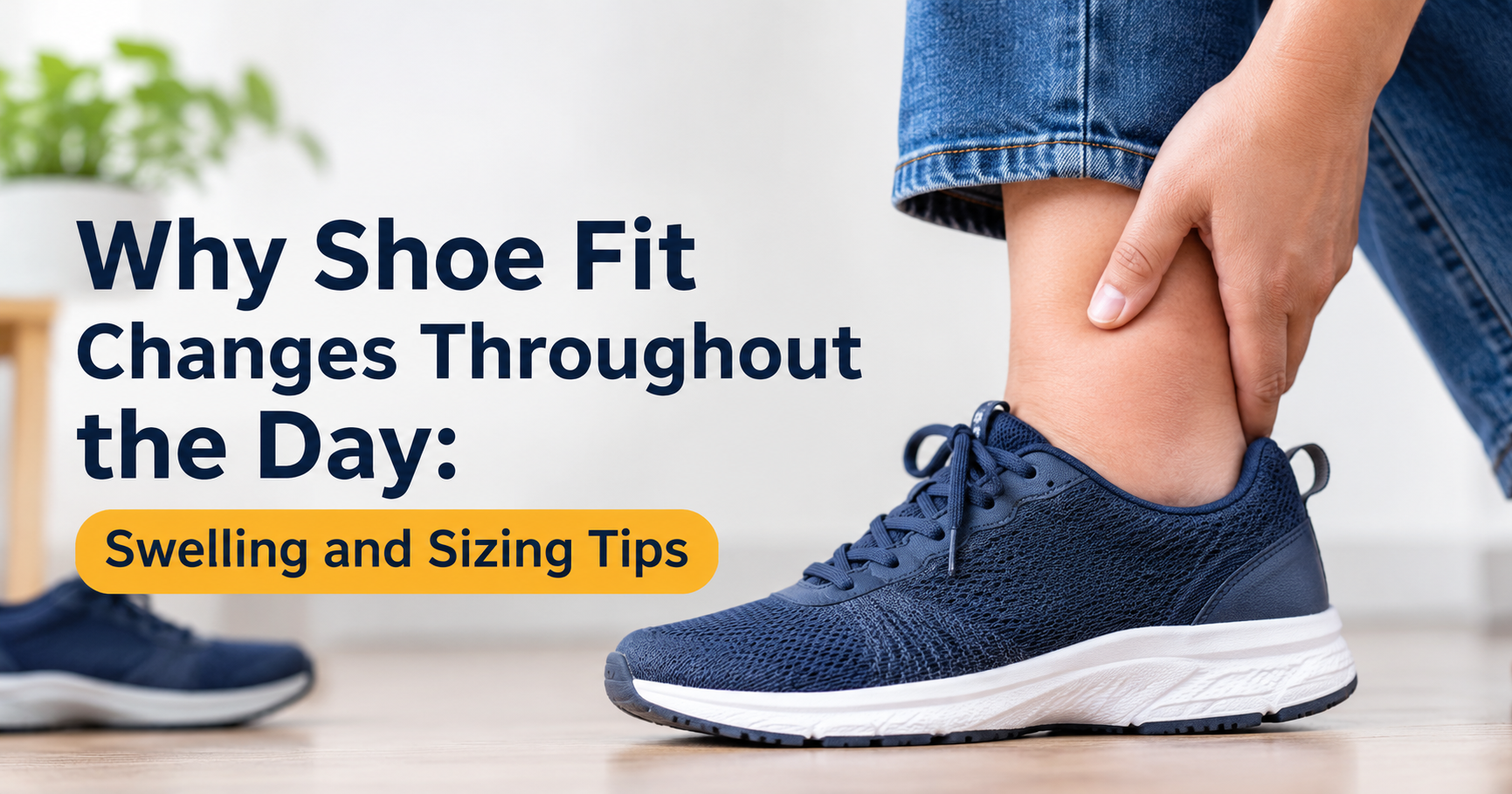
Have you ever slipped on a pair of shoes in the morning and felt perfectly comfortable, only to feel them squeezing your feet by evening? You are not imagining it. Shoe size changes during the day for almost everyone, and understanding why can save you from painful fits, blisters and wasted money.
In this complete guide, you will learn why your feet change size, how much the difference can be, the best time of day to buy shoes, and practical tips to get a comfortable fit every time.
Quick Answer: Does Your Shoe Size Really Change During the Day?
Yes. Feet are usually at their smallest in the morning and gradually expand as the day goes on. By late afternoon or evening, many people notice their feet feel larger, wider or more tightly packed inside their shoes. The difference is often small, but it is enough to change how a pair of shoes feels, especially if the fit was already snug.
Why Does Your Foot Size Change Throughout the Day?
Your feet are not rigid. They contain 26 bones, many joints, ligaments, tendons and a network of blood vessels, all surrounded by soft tissue. Several everyday factors affect how much space your feet take up.
1. Gravity and Fluid Movement
When you lie down at night, fluid in your body spreads out more evenly. Once you stand up and spend hours on your feet, gravity pulls fluid toward your lower legs and feet. This mild, temporary swelling is the main reason feet feel bigger later in the day.
2. Standing, Walking and Physical Activity
Long hours of standing, walking or exercising increase blood flow to the feet. The muscles and soft tissues can expand slightly, and the arch may flatten a little under repeated pressure, making the foot longer and wider.
3. Heat and Humidity
Warm weather causes blood vessels to widen, which can increase swelling. This is why shoes that fit well in winter may feel tighter in a hot summer afternoon.
4. Food, Salt and Hydration
A diet high in salt can encourage your body to hold on to water. Not drinking enough water may also contribute to fluid retention. Both can make feet feel puffier.
5. Long Periods of Sitting
Sitting for hours, such as during office work or long travel, slows circulation in the legs. Many people notice swollen feet after long flights or car journeys.
6. Pregnancy, Age and Body Weight
During pregnancy, extra fluid and hormonal changes can increase foot swelling, and some people find their shoe size permanently changes. Aging can also flatten the arches and loosen ligaments, while weight changes can alter foot width.
How Much Can Your Feet Change in Size?
The exact amount varies from person to person. Many footwear professionals note that feet may swell enough to feel like roughly half a size larger by the end of the day, and some people experience even more after long periods of activity. Feet can also be slightly different sizes from each other, which is completely normal.

What Is the Best Time of Day to Buy Shoes?
The best time to shop for shoes is in the late afternoon or evening. At that point your feet are at or near their largest size for the day. If shoes feel comfortable then, they are far more likely to stay comfortable during long hours of wear.
Buying shoes in the morning, when your feet are smallest, can lead to a pair that feels fine in the store but becomes tight and uncomfortable as the day goes on.

How to Get the Right Shoe Fit: A Step-by-Step Checklist
Use the following checklist whenever you try on a new pair, whether you shop in a store or order online.

- Shop later in the day. Try shoes when your feet have had time to expand naturally.
- Measure both feet. Most people have one foot slightly larger than the other. Always fit the larger foot.
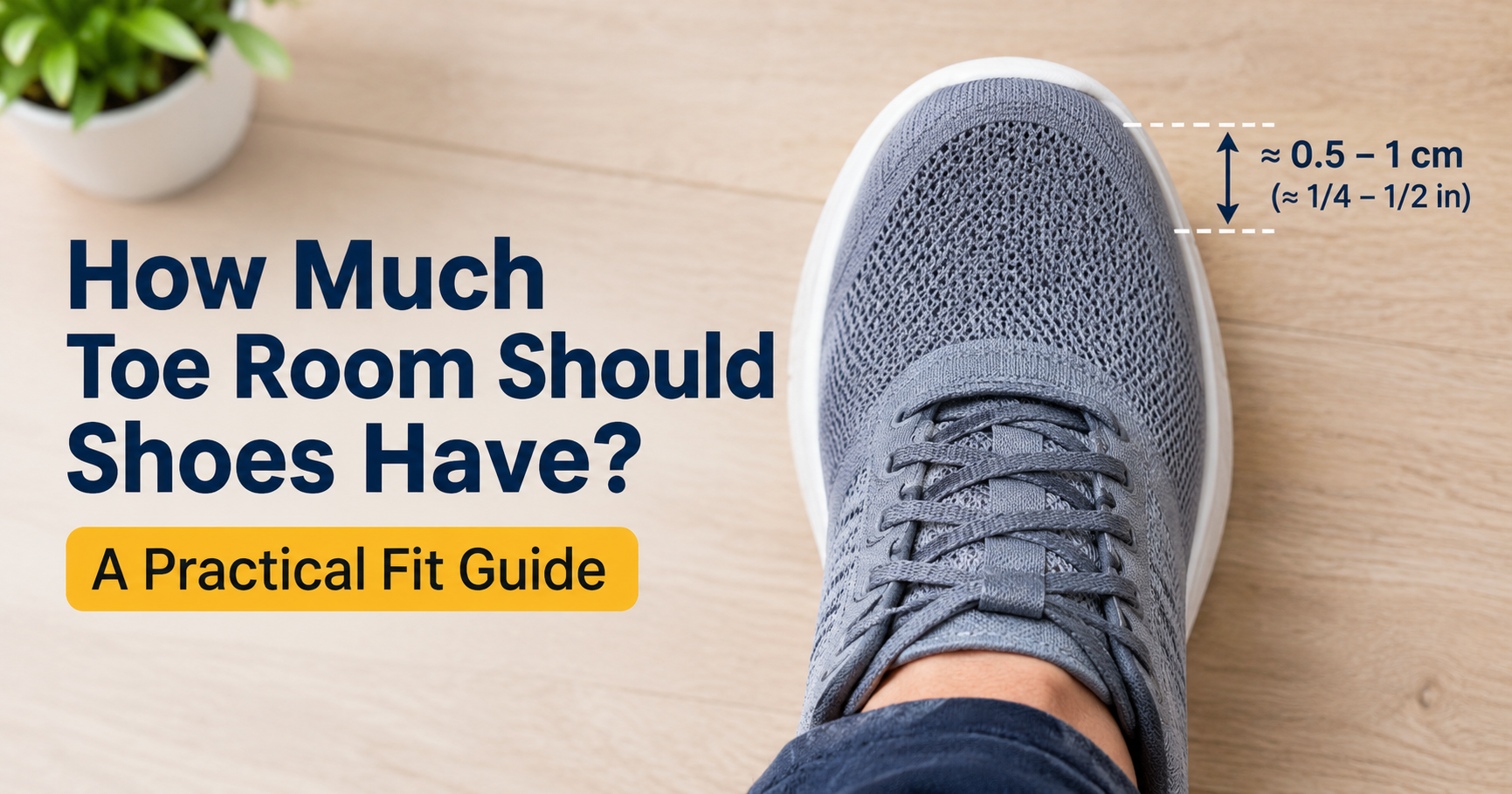
- Leave room at the toe. There should be roughly a thumb’s width of space between your longest toe and the end of the shoe, so your toes can move freely.
- Wear your usual socks. Thick athletic socks and thin dress socks can change the fit noticeably.
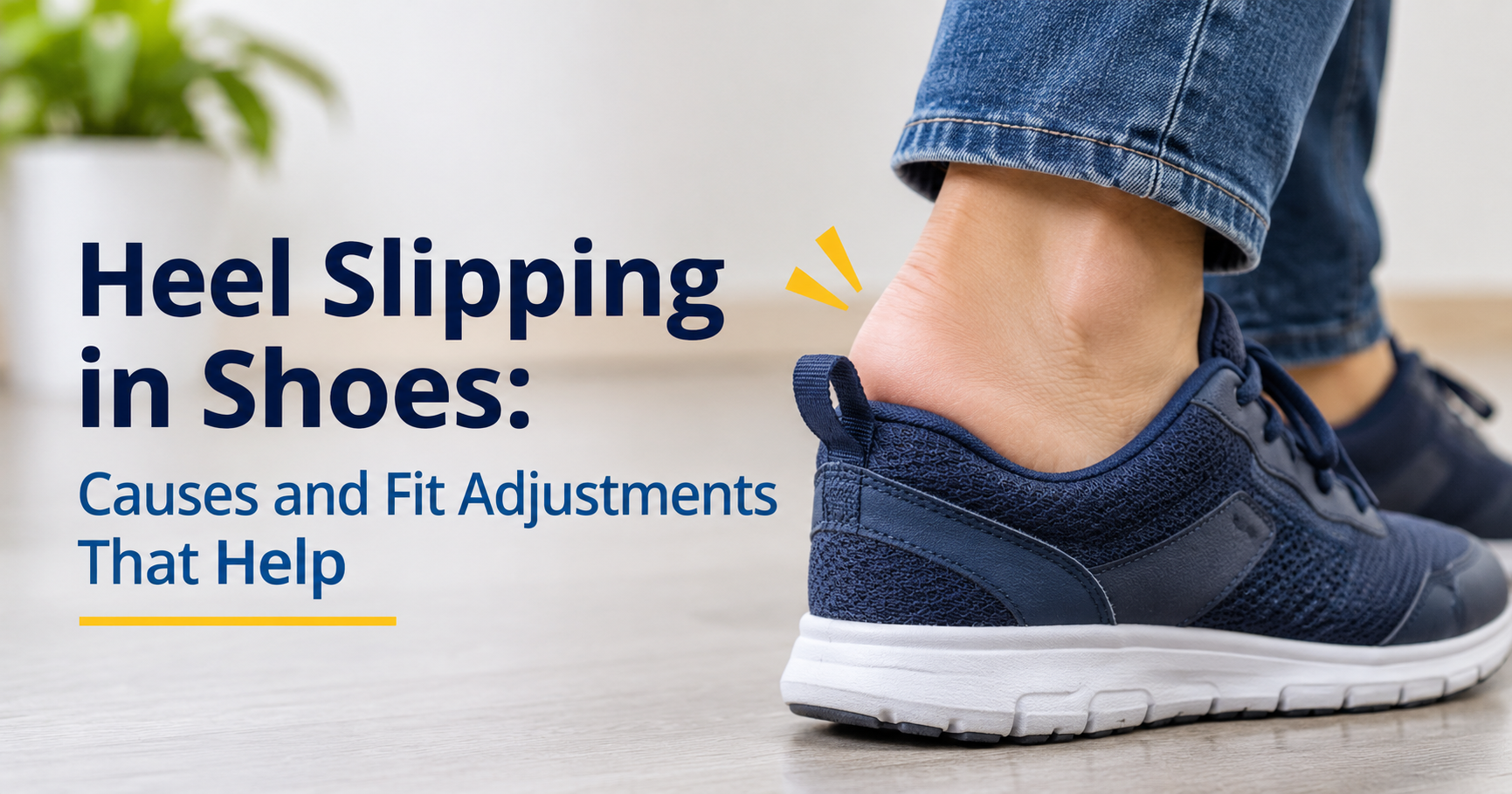
- Walk around. Spend several minutes walking, and if possible on different surfaces. Check that the heel does not slip and that nothing pinches or rubs.
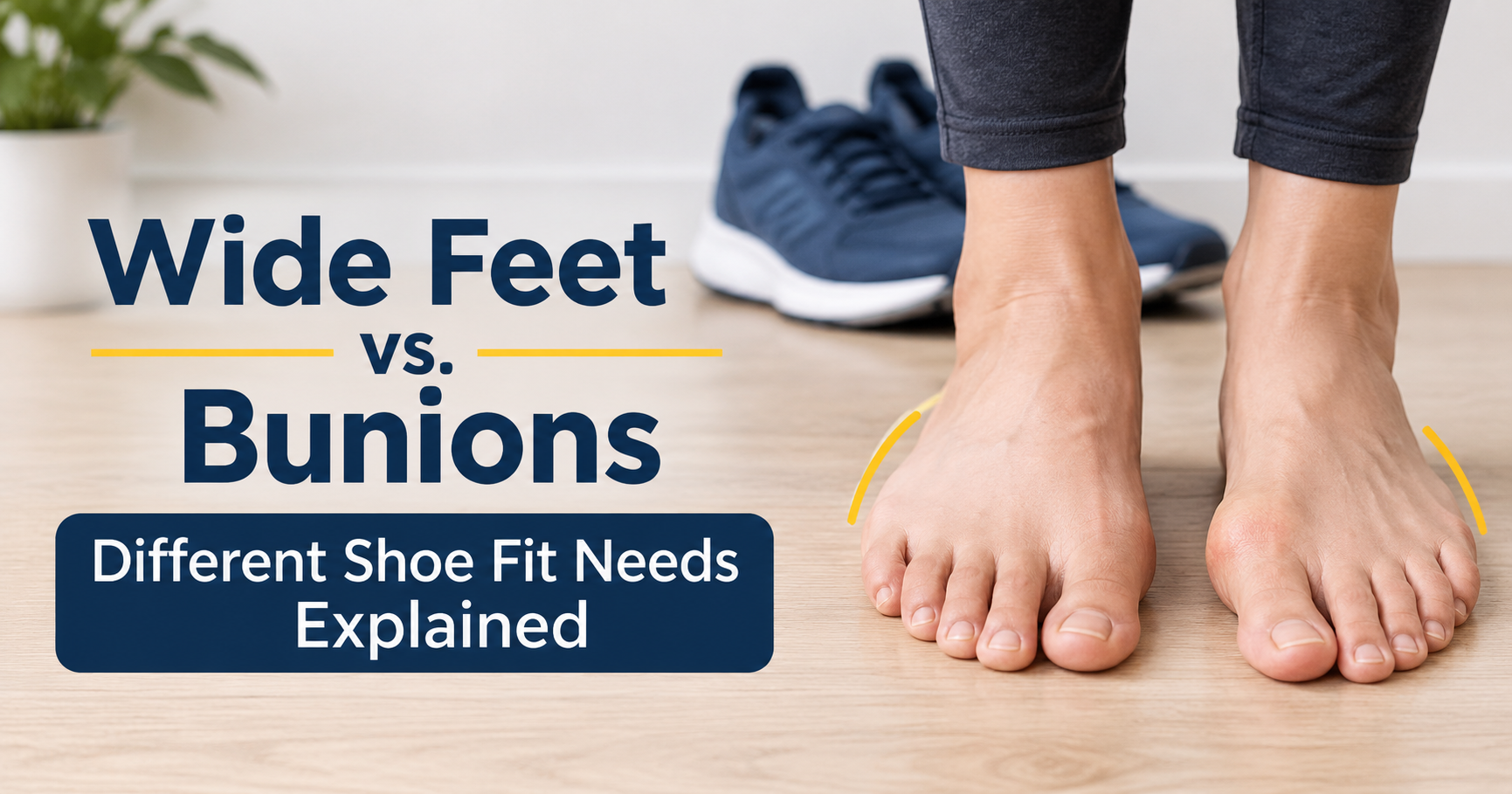
- Check the width, not just the length. A shoe that is long enough but too narrow will still hurt. Many brands offer wide and narrow options.
- Do not rely on a break-in period. A well-fitted shoe should feel comfortable almost immediately.
Special Advice for Running and Walking Shoes
Your feet swell more during running and long walks because of constant impact and increased blood flow. For this reason, many runners choose running shoes that are about half a size larger than their everyday casual shoes. A little extra room in the toe box helps prevent black toenails, blisters and pressure pain during long distances.
When trying on running shoes, test them after a workout or in the evening, and make sure your heel stays secure while your forefoot has space to spread.
Shopping for Shoes Online? Keep These Points in Mind
- Measure your feet in the evening and compare the length in centimeters or inches with the brand’s size chart, because sizing differs between manufacturers.
- Read the product description for details on whether a shoe runs small, large, narrow or wide.
- Check the return and exchange policy before buying, so you can swap sizes if the fit is not right.
- Try shoes on indoors first on a clean, soft surface so they remain in new condition if you need to return them.
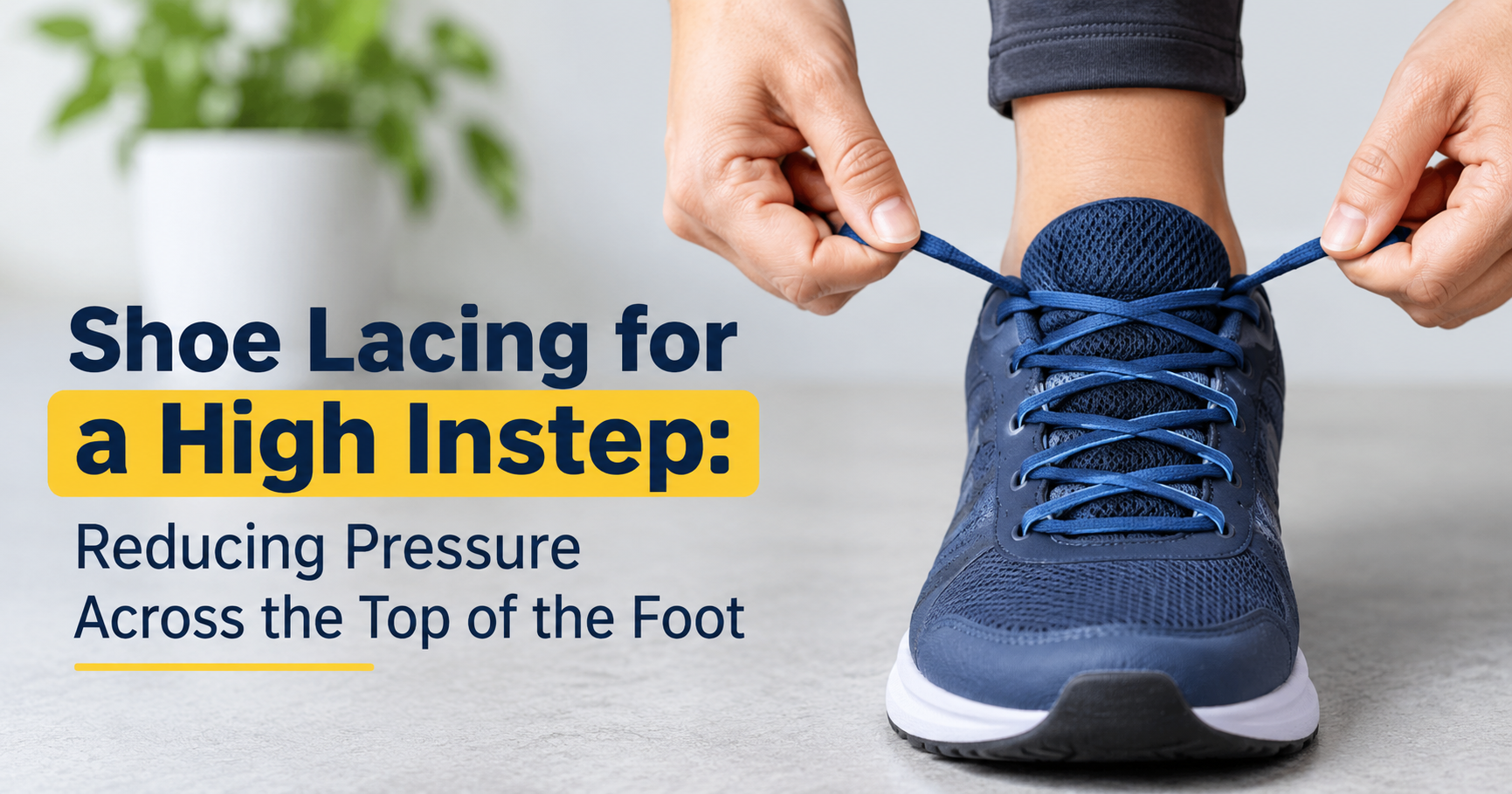
- Consider adjustable styles such as lace-ups, straps or stretch fabric uppers, which can adapt to small changes in foot size during the day.
Simple Ways to Reduce Foot Swelling During the Day
You cannot completely stop natural swelling, but these habits can help keep your feet more comfortable:
- Take short walking breaks if you sit for long periods, and sit down for a few minutes if you stand all day.
- Elevate your feet above heart level for 15 to 20 minutes in the evening.
- Drink enough water and avoid excessive salty foods.
- Wear breathable shoes and moisture-wicking socks in hot weather.
- Avoid shoes that are too tight, too narrow or have very high heels for long hours.
- Stretch your calves and ankles regularly to support circulation.
When Is Foot Swelling a Cause for Concern?
Mild swelling that appears by evening and improves after rest is usually normal. However, you should talk to a doctor if you notice any of the following:
- Swelling that is sudden, severe or affects only one foot or leg
- Swelling that does not go down after a night’s rest
- Pain, redness, warmth or tenderness in the swollen area
- Shortness of breath or chest discomfort along with swelling
- Swollen feet during pregnancy together with headaches or vision changes
Persistent swelling can sometimes be related to circulation, heart, kidney, liver or other medical conditions, so it should never be ignored. This article is for general information and does not replace professional medical advice.
Frequently Asked Questions
Why do my shoes feel tighter in the evening?
Because your feet naturally swell as the day progresses due to gravity, activity, heat and fluid movement in the body. Shoes that felt comfortable in the morning may feel snug by evening.
Should I buy shoes a size bigger?
Not automatically. It is better to try shoes in the evening and choose the size that is comfortable at that time, with about a thumb’s width of room at the toe. Going too large can cause slipping and blisters.
Is it normal for one foot to be bigger than the other?
Yes. It is very common for one foot to be slightly longer or wider than the other. Always fit your shoes to the larger foot.
Do feet get bigger as we age?
They can. Over time, ligaments and tendons may loosen and arches may flatten, which can make feet longer and wider. It is a good idea to re-measure your feet every year or two.
Do feet swell more in hot weather?
Yes. Heat widens blood vessels and can increase fluid buildup in the feet, so shoes may feel tighter in summer than in winter.
What is the best time to measure my feet?
Late in the afternoon or in the evening, when your feet are at their largest, gives the most useful measurement for choosing shoes.
Final Thoughts
Your shoe size does change during the day, and it is a completely normal result of how your body works. By shopping for shoes in the late afternoon or evening, measuring both feet, leaving enough toe room and testing shoes with your usual socks, you can avoid most fit problems. A properly fitted pair of shoes protects your feet, improves your comfort and helps you enjoy every step, from the first hour of the morning to the last hour of the night.