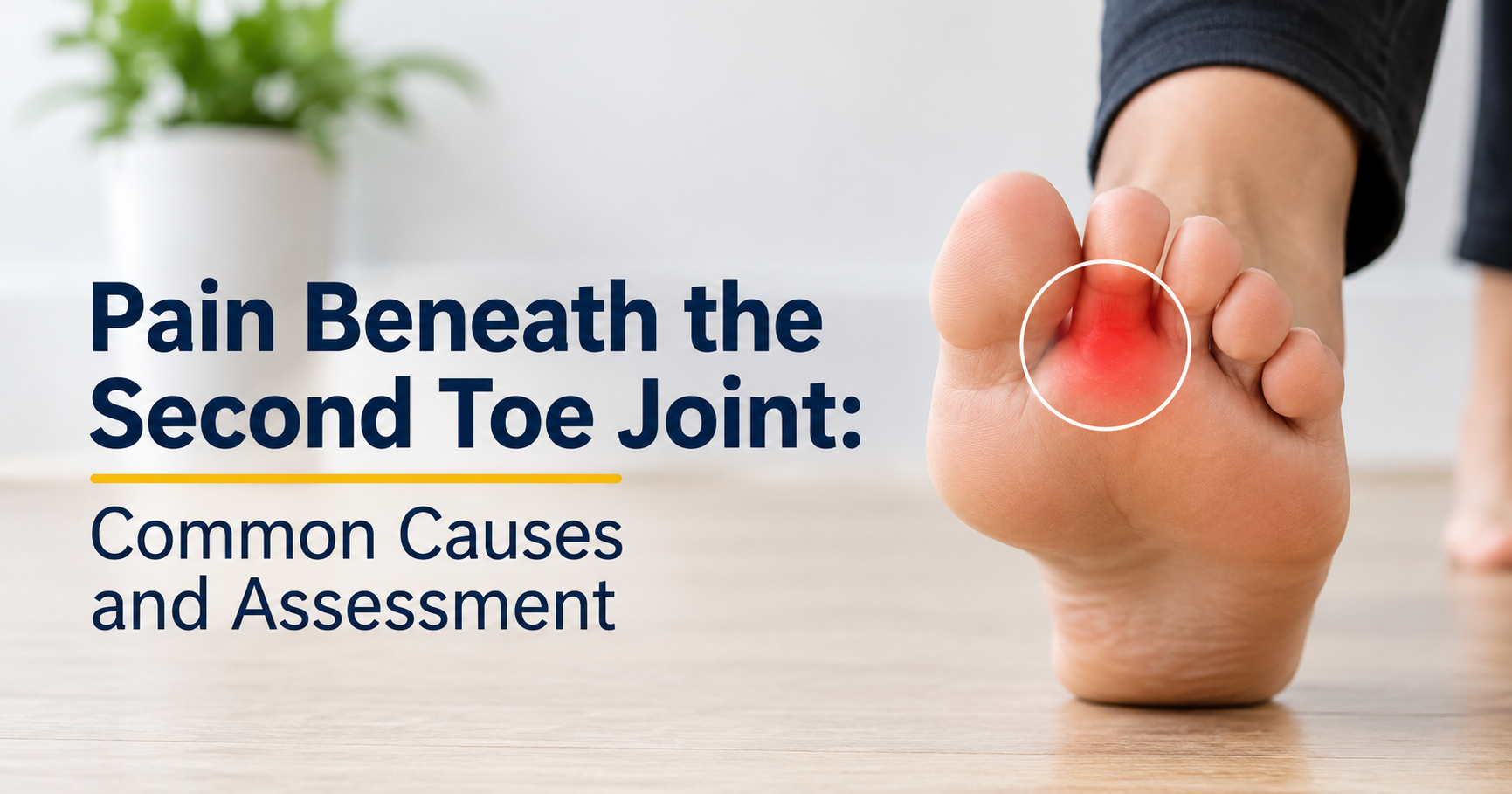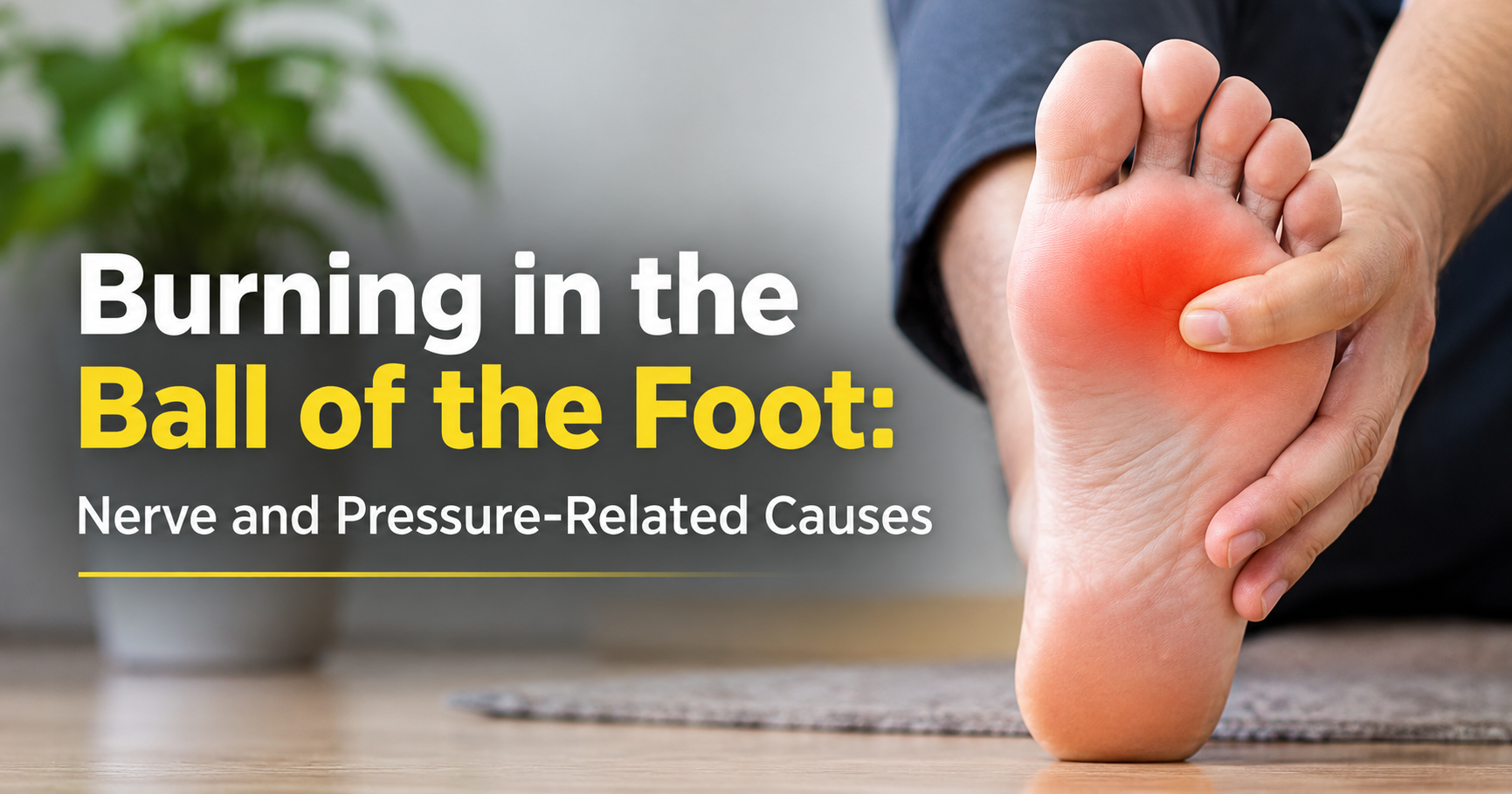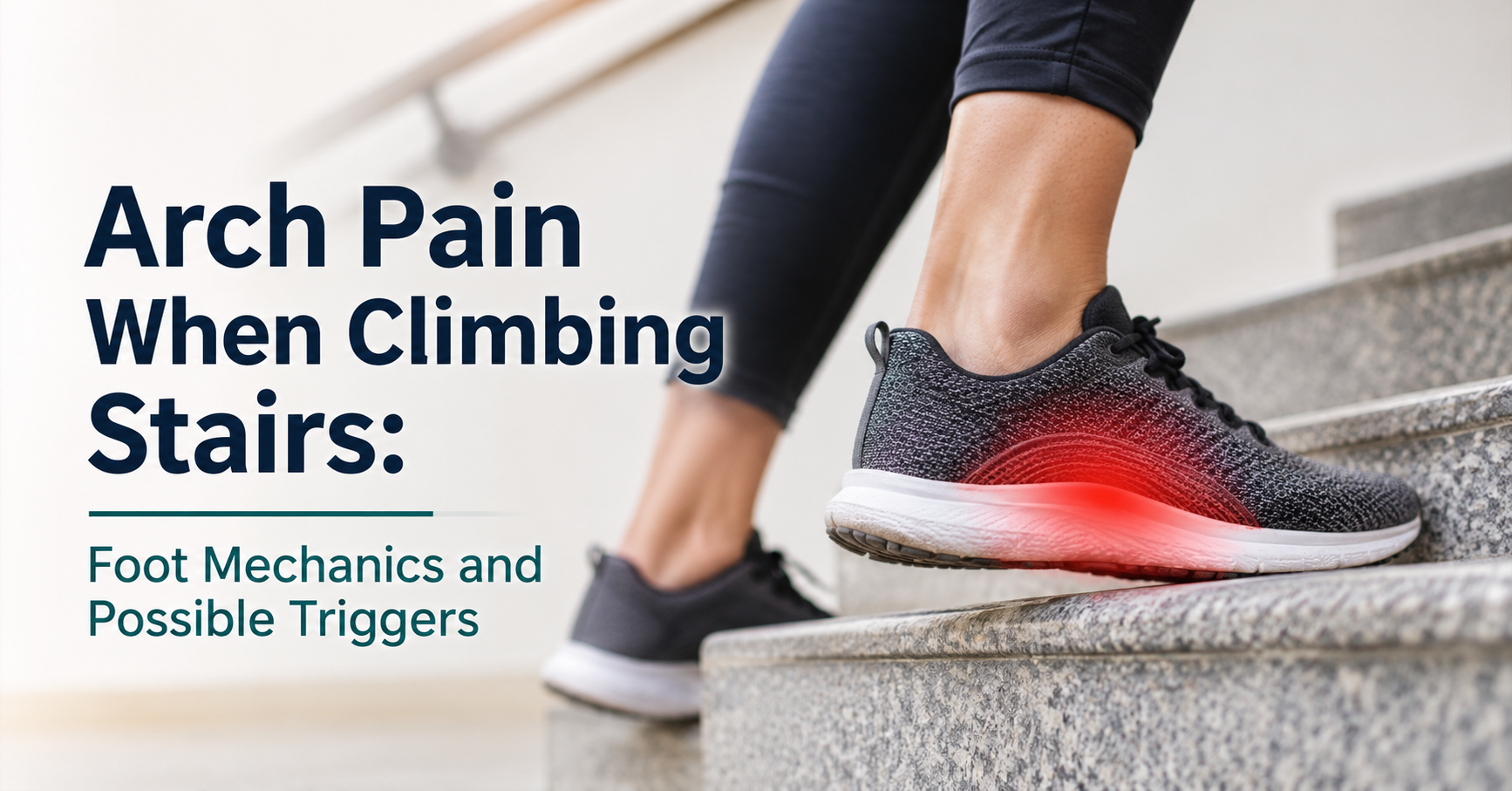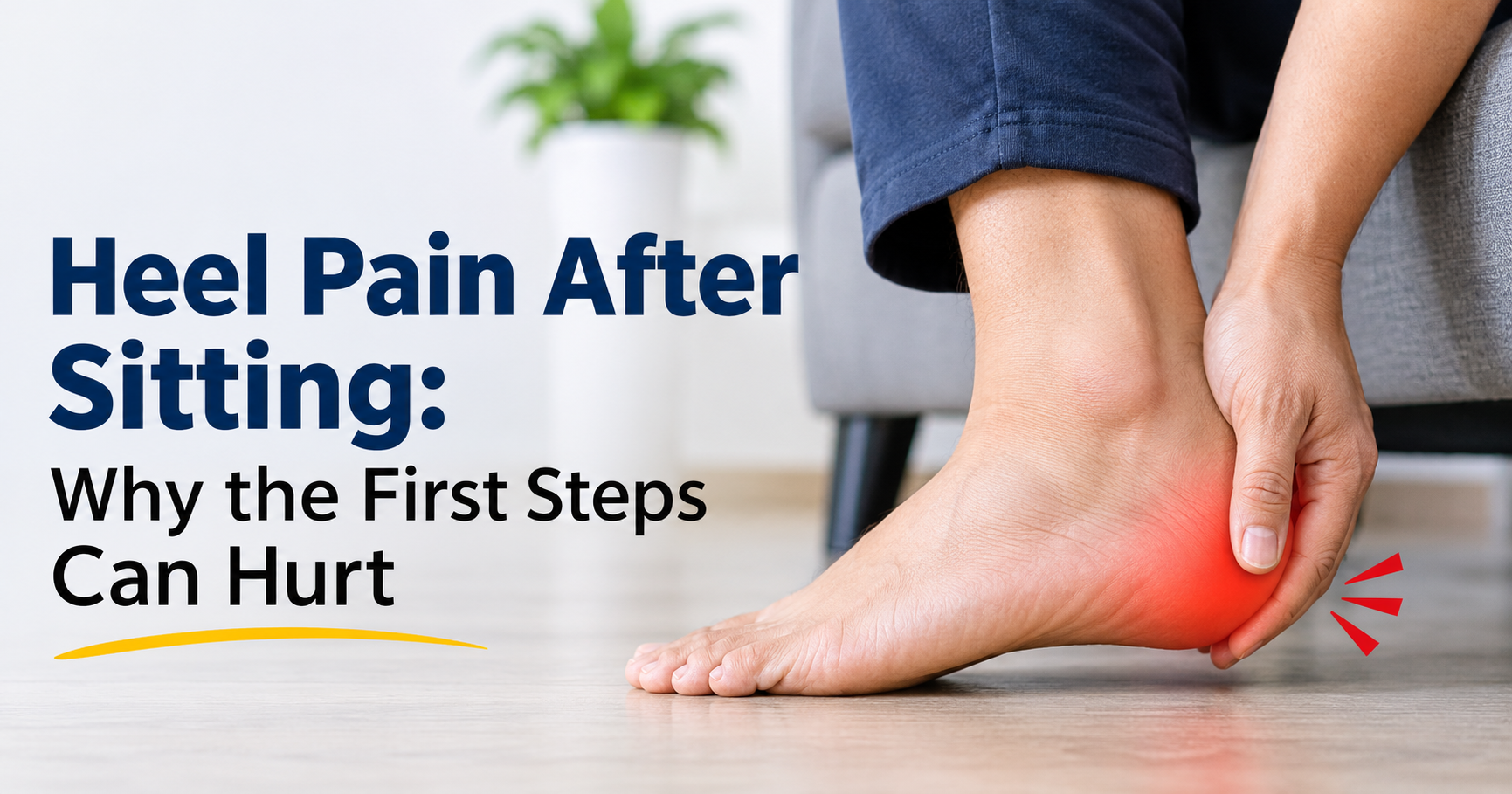
You finish a run feeling strong, and then it starts: a deep ache across the top of your foot, a sharp pinch along the inner arch, or a stubborn soreness on the outer edge that makes the first steps out of bed miserable. Midfoot pain after running is one of the most frustrating problems runners face, because the midfoot sits at the crossroads of every stride. It absorbs impact when your foot lands, stiffens to push you forward, and holds the arch together under several times your body weight.
The good news is that most cases are caused by overload, footwear or foot mechanics, and they respond very well to smart changes. The important news is that a minority of cases, such as stress fractures and Lisfranc injuries, need proper medical assessment and can become long-term problems if you run through them. This guide explains what is happening in your foot, how to tell the common causes apart, what you can safely do at home, and how to return to running with confidence.
Quick takeaways
- The midfoot is made of five bones (navicular, cuboid and three cuneiforms) held together by tough ligaments, tendons and the plantar fascia.
- Where it hurts gives strong clues: top of the foot, inner arch, outer edge, or where the toes meet the midfoot.
- Pinpoint bone pain, swelling, bruising under the arch, night pain or limping are red flags. Stop running and get assessed.
- Most overload cases settle with relative rest, load management, strengthening, better lacing and the right shoes or insoles.
- Return to running gradually, guided by a simple 0-10 pain scale.
Understanding the Midfoot: Why It Takes Such a Beating
Your foot has three regions. The forefoot holds the toes and metatarsals, the rearfoot holds the heel and ankle bones, and the midfoot sits between them. Five bones make up the midfoot: the navicular on the inner side, the cuboid on the outer side, and three cuneiform bones lined up across the middle. Together they form the arch, a shock-absorbing bridge.
Two key joint complexes sit here. The Lisfranc joint is where the midfoot meets the long metatarsal bones, and the midtarsal joints link the midfoot to the heel. When you land, the arch flattens slightly to absorb force. When you push off, tendons such as the tibialis posterior and peroneus longus tighten the arch so the foot becomes a rigid lever. A typical runner repeats this cycle roughly 1,500 times per mile, so even a small weakness in the system adds up quickly.
Common Causes of Midfoot Pain After Running
The cause is almost always a mismatch between the load placed on the foot and its ability to tolerate that load. These are the conditions seen most often.
1. Extensor Tendinopathy (Pain on Top of the Foot)
The extensor tendons run along the top of the foot and lift your toes with every step. They become irritated by tight laces, a stiff shoe tongue, hill running, tight calf muscles and sudden increases in mileage. The pain is usually felt on the top of the foot, is tender to touch, and often eases when you loosen your laces. This is among the most common and most treatable causes.
2. Tibialis Posterior Tendinopathy (Inner Arch Pain)
This tendon is the main stabiliser of your arch. When it is overloaded, you feel aching or soreness along the inside of the foot and ankle, often just below the bony bump on the inner side. It is more common in runners with flat or very flexible feet, weak calves or a sudden jump in training. Pain that worsens when you rise onto your toes, or an arch that looks visibly lower, deserves a professional assessment because untreated tendon problems can progress.
3. Navicular Stress Fracture
A stress fracture is a tiny crack caused by repeated loading faster than the bone can repair itself. The navicular is a high-risk bone because of its limited blood supply. Typical signs are a vague, poorly localised ache in the arch or top of the midfoot that builds during a run and eases with rest, plus tenderness when pressing on the top centre of the navicular (often called the “N-spot”). Early X-rays can look normal, so MRI or CT is frequently needed. Treatment often involves several weeks off the foot, which is why early recognition matters.
4. Cuboid Syndrome
Pain on the outer midfoot, often after an ankle sprain or a spell of running on uneven ground, may be described as cuboid syndrome. The cuboid bone and its surrounding joints become irritated, usually alongside the peroneus longus tendon. Walking on tiptoes and pushing off typically hurt. It tends to respond well to load management and sometimes to hands-on treatment from a physiotherapist or podiatrist.
5. Lisfranc Sprain or Injury
The Lisfranc ligament complex holds the midfoot to the forefoot. Injuries range from a mild sprain to a serious ligament tear. Warning signs include pain on top of the midfoot, swelling, difficulty pushing off, and bruising on the sole of the foot, which is a classic clue. Mild sprains can be missed on routine X-rays, so weight-bearing imaging is sometimes needed. Do not run on a suspected Lisfranc injury.
6. Plantar Fasciitis Affecting the Arch
The plantar fascia is a thick band running under the foot. Although it is best known for heel pain, it can also be sore in the arch. The pain is typically worst with the first steps in the morning or after sitting for a while, and it often improves slightly once you warm up.
7. Midfoot Osteoarthritis
Wear in the small midfoot joints causes stiffness, a deep ache, and sometimes a bony bump on top of the foot. It is more common in older runners and in people who had a previous midfoot injury. Pain is usually worse at the start of activity and after long periods of standing.
8. Metatarsal Base Stress Injury and Peroneal Tendinopathy
The base of the second and third metatarsals can develop stress reactions that mimic midfoot pain, while the peroneal tendons on the outer side can become irritated in runners with high arches or recurring ankle instability. Both are overload conditions that respond to the same principles of reduced load, gradual rebuilding and strengthening.
| Condition | Where it hurts | Typical clues | Urgency |
|---|---|---|---|
| Extensor tendinopathy | Top of the foot | Eases when laces are loosened, tender along tendon | Low: self-care and shoe changes |
| Tibialis posterior tendinopathy | Inner arch and ankle | Pain on toe-raise, flexible or flat foot | Moderate: assess if it persists |
| Navicular stress fracture | Top or inside of the arch | Vague ache, N-spot tenderness, builds during run | High: see a clinician promptly |
| Cuboid syndrome | Outer midfoot | After ankle sprain, painful on tiptoe | Low to moderate |
| Lisfranc injury | Top of midfoot | Swelling, bruising under the arch, cannot push off | High: stop running and get imaging |
| Plantar fasciitis | Underside of arch or heel | Worst with first steps in the morning | Low to moderate |
| Midfoot osteoarthritis | Top of midfoot | Stiffness, bony bump, long-standing ache | Moderate: ongoing management |
| Metatarsal base / peroneal | Forefoot junction or outer edge | Localised bone tenderness or tendon soreness | Moderate to high if bony |
Why Running Triggers Midfoot Pain
Understanding the trigger helps you fix the cause rather than just the symptom. The most common contributors are:
- Training errors. Increasing mileage, speed or hill work too quickly is the single biggest factor. Bone and tendon adapt more slowly than your lungs and muscles.
- Footwear problems. Worn-out midsoles, a narrow toe box, shoes that are too flexible through the middle, or laces pulled too tight can all overload the midfoot. Many runners replace shoes at roughly 300 to 500 miles (500 to 800 km), though this varies with body weight, surface and shoe construction.
- A sudden change in shoe type. Moving quickly to minimalist or very low-drop shoes, or from a cushioned shoe to a racing flat, increases the demand on the arch and calf.
- Foot structure. Very flat, flexible feet load the tibialis posterior heavily, while very high, rigid arches absorb less shock and shift stress to the outer foot.
- Weak or tight muscles. Weak foot and calf muscles, or a tight calf that limits ankle movement, force the midfoot to take extra strain.
- Surface and terrain. Hard roads, banked surfaces and uneven trails change how force travels through the foot.
- Running form. Overstriding with a long, heavy heel strike increases impact. A modest rise in cadence (steps per minute) can reduce loading per step.
- Bone health and energy intake. Low energy availability, inadequate calcium or vitamin D, and heavy training with too little fuelling raise stress fracture risk, especially in distance runners.
Red Flags: When to Stop Running and See a Professional
Mild, short-lived soreness that settles quickly is common. The following signs are different and suggest a bone, ligament or nerve problem that should be assessed by a doctor, sports medicine physician, physiotherapist or podiatrist:
- Sharp, pinpoint pain when pressing on a specific bone
- Pain at rest, at night, or while simply walking
- Visible swelling, or bruising on the top or under the arch of the foot
- Limping, or being unable to push off or bear weight comfortably
- Pain that follows a fall, twist or direct blow
- Numbness, tingling, burning, or colour changes in the foot
- Redness, heat or fever alongside foot pain
- No improvement after one to two weeks of reduced running
What to Do Right Now: The First 72 Hours
If you have no red flags, start with a calm, sensible response rather than complete bed rest or heroic training through the pain.
- Reduce the load. Skip hard runs, hills and speed work. Keep daily steps comfortable and avoid walking barefoot on hard floors.
- Swap to low-impact exercise. Cycling, swimming or pool running can maintain fitness as long as they do not aggravate the foot.
- Use cold or elevation for comfort. An ice pack for 10 to 15 minutes wrapped in a thin cloth, plus elevating the foot, can ease soreness. Never apply ice directly to skin.
- Loosen your laces and check your shoes. Look at the midsole wear pattern and replace shoes that are clearly worn out.
- Wear supportive footwear around the house. A stable shoe or supportive sandal is better than flat slippers.
- Be careful with painkillers. Over-the-counter medicines may ease discomfort, but using them to mask pain so you can keep running is a recipe for a bigger injury. Ask a pharmacist or doctor about suitability for you.
Lacing Techniques That Take Pressure Off the Midfoot
If your pain is on top of the foot, lacing is the quickest and cheapest fix to try. Window lacing (also called gap lacing) skips the crossover over the sore area so the laces no longer press on the tendon. Simply run the lace straight up the same side instead of crossing, leaving a small window over the tender spot, then resume crossing above it.
Other useful adjustments include skipping one eyelet pair, using a softer or thicker tongue, loosening the lace across the instep only, and using the extra top eyelet (a runner’s loop) to lock the heel so you do not need to over-tighten the middle of the shoe.
Choosing the Right Running Shoes and Insoles
Shoes
- Fit first. Aim for about a thumb’s width of space beyond the longest toe, a secure heel and a roomy toe box. Try shoes on in the afternoon when feet are slightly larger.
- Moderate structure. Shoes that twist or fold easily through the middle offer little midfoot support. A firmer midsole or a gently rockered sole can reduce arch strain for some runners.
- Adequate cushioning. Fresh foam or gel absorbs repeated impact, especially for runners who do most miles on pavement.
- Rotate pairs. Alternating two different models spreads load across slightly different areas and gives the foam time to recover.
- Replace on time. If the midsole looks compressed and wrinkled, or the shoe feels flat and dead, it is time for a new pair.
Insoles and Arch Support
Insoles will not fix every problem, but they can meaningfully reduce symptoms for many runners. Arch-supporting insoles can help flat or flexible feet by sharing the load with the tibialis posterior tendon. Cushioned sport insoles can add shock absorption for runners with stiff, high arches. Choose a model that matches your foot shape and fits your shoe without crowding the toes, and give it a one to two week adaptation period, wearing it for a few hours at a time initially. If symptoms persist, a podiatrist can assess whether custom orthoses are worthwhile.
Useful Recovery Gear
- Massage ball or foam roller for the calf and the sole of the foot
- Resistance band for ankle and foot strengthening
- Arch compression sleeves or supportive socks for comfort during daily activity
- Reusable cold pack for post-run soreness
- Recovery sandals or supportive slides to avoid hard floors barefoot
Strengthening and Mobility Exercises
Strong feet and calves tolerate more load, and that is the heart of long-term prevention. Start only when daily walking is comfortable, keep pain at 3/10 or below during the exercise, and perform them every other day.
| Exercise | How to do it | Dose |
|---|---|---|
| Short foot exercise | Seated or standing, draw the ball of the big toe toward the heel to lift the arch without curling the toes. | 3 sets of 10, hold 5 seconds |
| Towel scrunches | Place a towel on a smooth floor and pull it toward you using only your toes. | 3 sets of 15 |
| Calf raises (bent and straight knee) | Rise slowly onto the balls of your feet for 3 seconds, lower for 3 seconds. Progress to single leg. | 3 sets of 10 to 15 |
| Tibialis posterior heel raise | Place a small ball between your heels and rise onto your toes while squeezing the ball. | 3 sets of 10 |
| Single-leg balance | Stand on one foot with a soft knee. Progress to eyes closed or an unstable surface. | 3 x 30 seconds each side |
| Calf stretch | Heel down, back leg straight, lean into a wall until you feel a stretch. Repeat with the knee bent. | 3 x 30 seconds each leg |
| Arch release with a ball | Roll a massage ball slowly under the sole using light to moderate pressure. Avoid sharp pain. | 2 minutes each foot |
How to Return to Running Safely
Returning too soon is the most common reason midfoot pain comes back. Use a staged plan and let pain, not the calendar, decide when you progress. Do each stage every other day, and move on only after two sessions with pain at 2/10 or less that settles within 24 hours.
| Stage | Session | Total time | Goal to advance |
|---|---|---|---|
| 1 | Brisk walk | 30 minutes | Walk pain-free, normal gait |
| 2 | Run 1 minute, walk 4 minutes | 25 to 30 minutes | Two sessions at 2/10 or less |
| 3 | Run 3 minutes, walk 2 minutes | 25 to 30 minutes | No next-morning soreness |
| 4 | Run 5 minutes, walk 1 minute | 30 minutes | Comfortable on flat, soft surfaces |
| 5 | Continuous easy run | 20 to 30 minutes | Then build weekly volume gradually |
After stage 5, increase either duration or frequency, not both in the same week. Reintroduce hills, speed work and trails last. If a stress fracture or Lisfranc injury was diagnosed, follow your clinician’s timeline instead, as these can need much longer.
How Long Does Recovery Take?
| Problem | Typical recovery window* |
|---|---|
| Extensor tendon irritation | 1 to 4 weeks with shoe and lacing changes |
| Tendinopathy (tibialis posterior, peroneal) | 6 to 12 weeks with progressive loading |
| Cuboid syndrome | 2 to 6 weeks |
| Plantar fasciitis | Several weeks to several months |
| Bone stress injury (navicular, metatarsal) | 6 to 12 weeks or longer, often with offloading |
| Lisfranc sprain | Weeks to several months depending on severity |
*General ranges only. Individual recovery depends on severity, load, health and the guidance of your clinician.
Prevention Checklist for Runners
- Build weekly mileage gradually and include an easy week every third or fourth week.
- Change only one variable at a time: distance, pace, terrain or shoes.
- Transition into new or minimalist shoes slowly over several weeks.
- Strengthen your feet, calves and hips two to three times a week.
- Replace worn shoes and rotate between pairs.
- Check your laces and avoid over-tightening across the instep.
- Fuel properly. Eat enough energy, protein, calcium and vitamin D for your training load.
- Add one or two low-impact cross-training days each week.
- Sleep well. Most tissue adaptation happens during recovery.
- Take niggles seriously. Reducing load for two or three days early is far cheaper than six weeks off later.
What to Expect at the Clinic
A good assessment starts with your training history, footwear and the exact location of the pain, followed by palpation, movement tests, a look at your foot posture and gait, and strength tests. Imaging is chosen based on suspicion: X-rays reveal fractures and arthritis, ultrasound can assess tendons, and MRI or CT is best for stress fractures and subtle ligament injuries. A physiotherapist can design a progressive loading programme, and a podiatrist can advise on footwear and orthoses.
Frequently Asked Questions
Is it normal to have midfoot pain after running?
Mild soreness that fades within a day can be normal when you increase training. Pain that is sharp, pinpoint, keeps building during runs, or lasts into the next day is not something to ignore.
Should I run through midfoot pain?
If the pain stays at 3/10 or below, does not change your stride and settles within 24 hours, short easy runs may be reasonable. If it is higher, alters your gait or is bony and pinpoint, stop and get assessed.
What is the most common cause of pain on top of the foot?
Extensor tendon irritation from tight laces, tight calves or rapid training increases is very common, but stress fractures and Lisfranc injuries must be ruled out if there is bone tenderness, swelling or bruising.
Can tight shoes or laces cause midfoot pain?
Yes. Pressure over the top of the foot can inflame the extensor tendons and irritate nerves. Window lacing and a roomier shoe often help quickly.
Do insoles help midfoot pain?
For many runners, yes, particularly arch support for flat feet and cushioning for stiff, high arches. They work best alongside strengthening and load management, not as a replacement.
How can I tell a stress fracture from tendonitis?
Stress fractures usually cause deep, specific bone tenderness and pain that builds during a run, sometimes with night pain. Tendon pain tends to be tender along the tendon and warms up as you move. Only a clinician can confirm the difference, often with imaging.
Can I still exercise while recovering?
Usually yes, as long as the activity is pain-free. Swimming, cycling and upper-body or core training are popular choices. Your clinician will advise if the foot needs to be completely offloaded.
When can I get back to running?
When walking is pain-free, you can do 20 to 30 single-leg calf raises with good control, and you complete the early return-to-run stages without pain, you can progress. Bone injuries need clinician clearance.
Final Thoughts
Midfoot pain after running is a signal, not a sentence. In most cases, a few weeks of smarter training, better lacing, appropriate shoes or insoles and consistent foot and calf strengthening are enough to get you back on the road. The key is to listen early, respect red flags, and rebuild gradually. Your midfoot carries you through every mile, so give it the same attention you give your training plan.
Medical disclaimer: This article is for general information and education only and is not a substitute for professional medical advice, diagnosis or treatment. If you have severe pain, swelling, bruising, numbness or an injury you are worried about, consult a qualified healthcare professional before continuing to run.