Forefoot pain when walking is one of the most common foot complaints in adults. It can feel like a burning sensation under the ball of the foot, a sharp stabbing pain with every step, a bruise-like soreness, or the odd feeling of walking on a small pebble. For some people it is a mild annoyance at the end of a long day. For others, it makes even a short walk to the kitchen uncomfortable.
The good news is that in most cases forefoot pain is treatable, and many people find real relief with simple changes to footwear, activity and daily habits. This complete guide explains what the forefoot is, why it hurts, the most common conditions behind the pain, how to relieve it at home, which supportive products can help, and when it is time to see a doctor.
What Is the Forefoot?
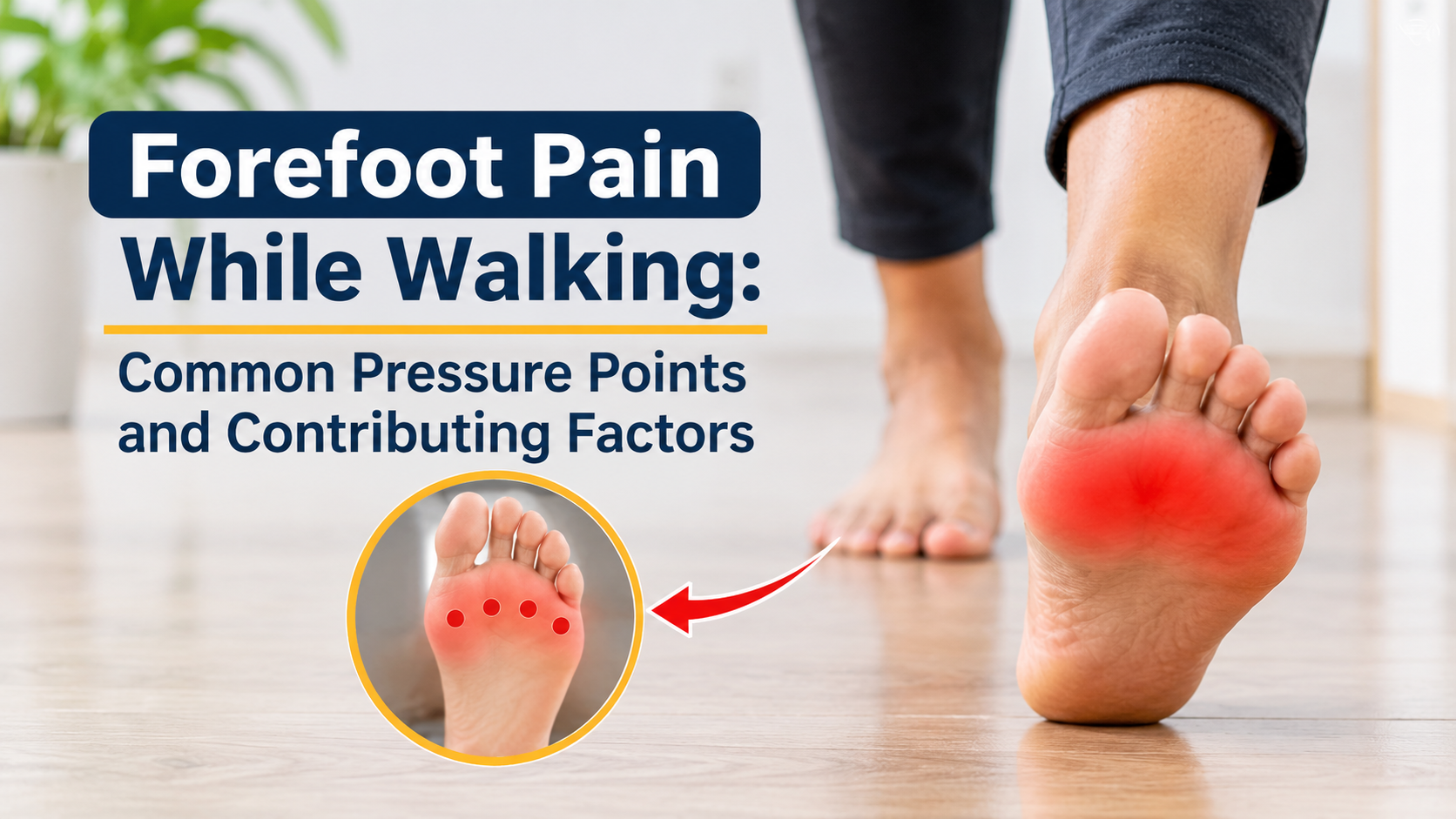
The forefoot is the front part of your foot. It includes the five toes (phalanges) and the five long metatarsal bones that connect the toes to the middle of the foot. The rounded ends of the metatarsals, known as the metatarsal heads, form the “ball” of your foot. Small pea-shaped bones called sesamoids sit beneath the big toe joint, and a protective fat pad cushions the whole area.
When you walk, your heel strikes the ground first, your weight rolls forward, and the ball of the foot and toes push you off the ground. This means the forefoot takes a large share of your body weight with every single step. Over thousands of steps per day, even a small problem with the bones, joints, nerves, soft tissues or footwear can turn into persistent pain.

Common Symptoms of Forefoot Pain
Symptoms depend on the cause, but people with forefoot pain commonly describe one or more of the following:
- Sharp, aching or burning pain in the ball of the foot
- Pain that gets worse when walking barefoot, standing for long periods, running or climbing stairs
- Pain that improves when you rest or take your shoes off
- A feeling that there is a stone, a bunched-up sock or a fold in your shoe under the ball of the foot
- Numbness, tingling or “pins and needles” in the toes
- Shooting pain or electric-like sensations that travel into the toes
- Swelling, redness or warmth around a toe joint
- Pain when you flex or bend your toes
- Calluses or thickened skin under the ball of the foot
Main Causes of Forefoot Pain When Walking
Several different conditions can cause pain in the front of the foot. Understanding which one is most likely affecting you is the first step toward choosing the right treatment.

1. Metatarsalgia
Metatarsalgia is a general term for pain and inflammation in the ball of the foot. It is usually caused by overload: too much pressure on the metatarsal heads from high-impact exercise, excess body weight, tight shoes, high heels, or a foot structure that places extra stress on the front of the foot. The pain is typically worse when standing, walking or running and eases with rest.
2. Morton’s Neuroma
Morton’s neuroma is a thickening of the tissue around a nerve, most often between the third and fourth toes. It tends to cause burning pain in the ball of the foot, tingling or numbness in the toes, and the sensation of standing on a pebble or folded sock. Narrow or tight shoes and high heels are well-known triggers, and the condition is more common in women.
3. Sesamoiditis
Sesamoiditis is irritation or inflammation of the tendons around the two small sesamoid bones under the big toe joint. It causes a dull, localized pain beneath the big toe that gradually worsens with activity. Runners, dancers and people who wear high heels are commonly affected.
4. Capsulitis of the Second Toe Joint (Plantar Plate Injury)
Capsulitis occurs when the ligaments surrounding a toe joint, most often the second, become inflamed or strained. It can feel like a bruise or a pebble under the base of the toe, and the toe may slowly begin to drift or lift. Early treatment matters because the condition can progress.
5. Stress Fracture
A stress fracture is a tiny crack in one of the metatarsal bones, usually caused by repetitive force, a sudden increase in activity or weakened bone. The pain is typically localized to one spot, gets worse with activity, and may come with swelling on the top of the foot. This condition needs medical evaluation.
6. Arthritis and Gout
Osteoarthritis of the big toe joint (hallux rigidus) causes stiffness and pain when pushing off. Gout can cause sudden, intense pain, redness and swelling at the base of the big toe, often starting at night. Rheumatoid arthritis commonly affects the joints of the forefoot on both feet.
7. Other Contributing Factors
- Foot shape: High arches, a long second metatarsal, flat feet, bunions and hammertoes can all shift pressure toward the ball of the foot.
- Thinning fat pad: The natural cushioning under the forefoot becomes thinner with age, leaving the bones less protected.
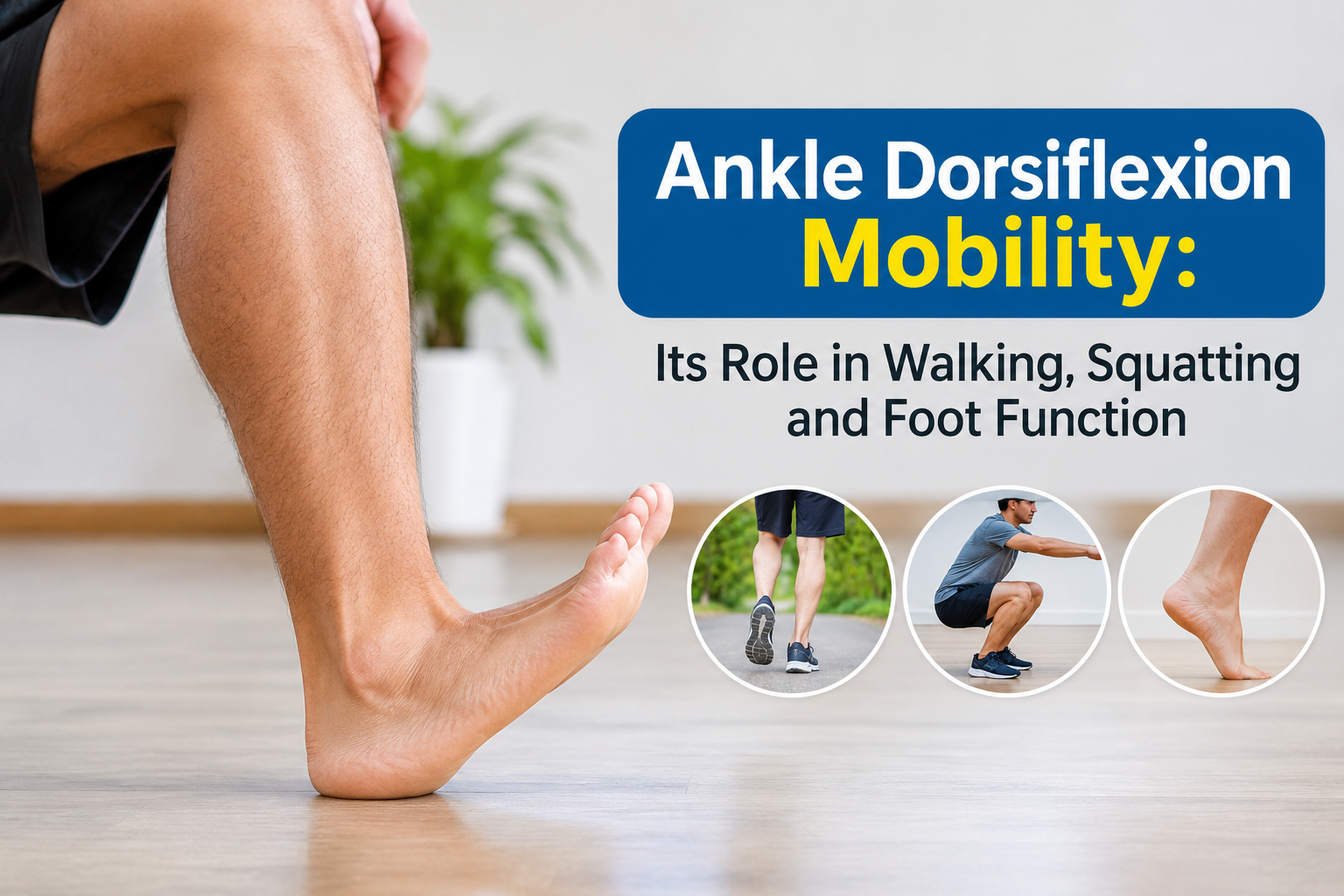
- Tight calf muscles: Limited ankle flexibility increases forefoot loading while walking.
- Footwear: High heels, thin soles, narrow toe boxes and worn-out shoes are among the most frequent causes.
- Body weight: Extra weight adds force with every step.
- Activity changes: A sudden increase in walking, running or jumping can overload the forefoot.
- Nerve conditions: Diabetic neuropathy and other nerve problems can cause burning or numb sensations in the feet.
Risk Factors
You may have a higher chance of developing forefoot pain if you regularly wear high heels or tight shoes, take part in high-impact sports, are overweight, have a foot deformity such as a bunion or hammertoe, have inflammatory arthritis or gout, stand or walk for long hours at work, or are over the age of 50.
How Is Forefoot Pain Diagnosed?
A doctor, podiatrist or orthopedic foot specialist will usually begin by asking where the pain is, when it started, what makes it better or worse, and what footwear and activities you do. They will examine your foot, press on specific areas, check the movement of your toes and ankle, and observe how you stand and walk.
Depending on what they find, they may suggest an X-ray to look at bones and joints, an ultrasound or MRI to check soft tissues and nerves, or blood tests if gout or inflammatory arthritis is suspected.
Home Remedies and Self-Care for Forefoot Pain
For mild to moderate pain without a serious injury, the following steps often provide relief within a few weeks.

Rest and Activity Modification
Reduce high-impact activities such as running and jumping while the foot settles. Low-impact alternatives like swimming or cycling keep you active without overloading the forefoot.
Ice Therapy
Apply an ice pack wrapped in a thin towel to the painful area for about 15 minutes, two to three times a day, especially after activity. Do not apply ice directly to bare skin, and be careful if you have reduced sensation in your feet.
Choose Better Footwear
Shoes make a major difference. Look for shoes with:
- A wide, deep toe box that lets your toes spread naturally
- Thick, cushioned soles that absorb shock
- A slightly rigid or rocker-style sole that reduces bending at the ball of the foot
- Low heels (ideally under 2 cm / about 1 inch)
- Good arch support and a secure fit at the heel
Replace athletic shoes when the cushioning is worn, which is commonly after 500 to 800 km (300 to 500 miles) of use.
Cushioned Insoles and Metatarsal Pads
Cushioned insoles, gel forefoot pads and metatarsal pads are popular, low-cost options that can reduce pressure under the ball of the foot. A metatarsal pad sits just behind the metatarsal heads and helps spread load more evenly. Full-length insoles with arch support can also reduce forefoot stress by improving how pressure is distributed across the whole foot. When shopping, look for medical-grade materials, a good fit for your shoe size, and durable shock absorption. For persistent or complex problems, custom orthotics prescribed by a podiatrist may be a better option.
Over-the-Counter Pain Relief
Non-steroidal anti-inflammatory drugs (NSAIDs) such as ibuprofen can help with short-term pain and inflammation for many adults. Always follow the label instructions and check with a pharmacist or doctor if you have stomach, kidney or heart conditions or take other medicines.
Foot and Calf Stretches
Gentle daily stretching can ease tension and improve mobility:
- Calf stretch: Stand facing a wall, step one foot back with the heel down, and lean forward until you feel a stretch in the calf. Hold 30 seconds, repeat 3 times per leg.
- Toe stretch: Sit and gently pull your toes back toward your shin. Hold 15 to 20 seconds, repeat 5 times.
- Towel stretch: Sit with your leg straight, loop a towel around the ball of your foot and gently pull it toward you. Hold 30 seconds.
- Toe spreading: Slowly spread your toes apart as wide as you comfortably can, hold for 5 seconds, and relax. Repeat 10 times.
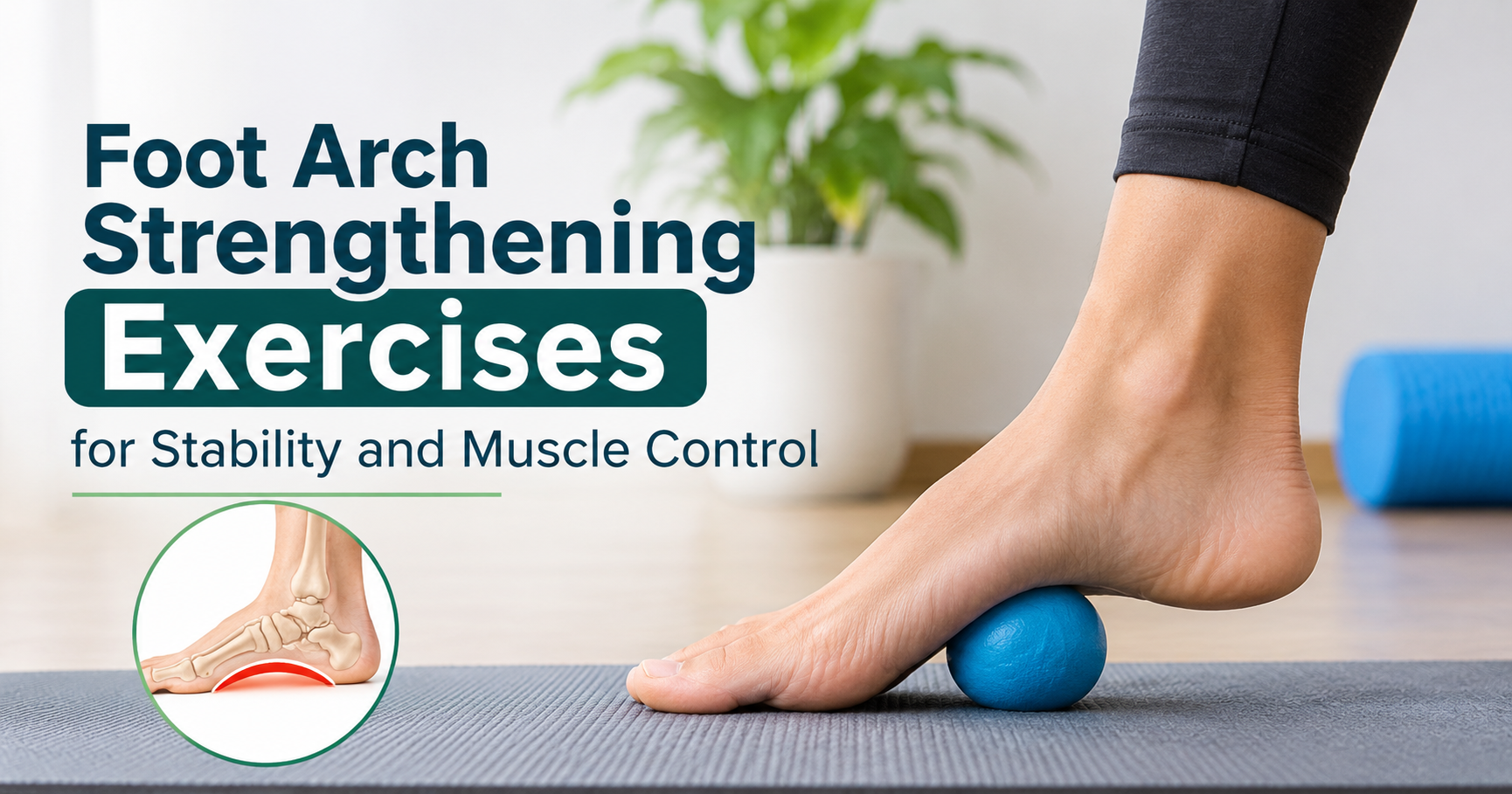
- Marble pick-up: Use your toes to pick up small objects and place them in a bowl to strengthen the small muscles of the foot.
Stop any exercise that causes sharp or increasing pain.
Weight Management
If you carry extra weight, even modest weight loss can lower the load on your feet with every step.
Medical Treatments for Forefoot Pain
If home care does not help after several weeks, a healthcare professional may recommend one or more of the following:
- Custom orthotics designed to redistribute pressure away from painful areas
- Physical therapy to improve flexibility, strength and walking mechanics
- Taping or strapping to support a painful joint, particularly in capsulitis
- Corticosteroid injections for inflammation, used carefully and sparingly
- Immobilization in a walking boot or stiff-soled shoe for stress fractures or severe inflammation
- Medication for conditions such as gout or inflammatory arthritis
- Surgery in a small number of cases, such as persistent neuroma, severe deformity or joint damage, when conservative treatment has failed
When to See a Doctor
Please seek medical advice promptly if you notice any of the following:
- Severe pain, or pain that began after an injury or fall
- Inability to put weight on your foot
- Visible swelling, bruising, redness or warmth, especially with fever
- Numbness or tingling that is spreading or persistent
- Pain that wakes you at night or is present even at rest
- A toe that is changing position or looks deformed
- No improvement after 2 to 4 weeks of home care
- Diabetes, poor circulation or any foot wound that is not healing
People with diabetes should be especially careful with any new foot symptom and should have it checked early.
How to Prevent Forefoot Pain
- Wear well-fitted, supportive shoes with a roomy toe box and cushioned soles
- Limit high heels and narrow, pointed shoes to short occasions
- Replace worn-out shoes and insoles regularly
- Increase walking or running distance gradually, by no more than about 10 percent per week
- Warm up and stretch before exercise, and cool down afterward
- Maintain a healthy body weight
- Avoid walking barefoot on hard floors for long periods if you are prone to forefoot pain
- Strengthen your feet and calves with regular exercises
- Check your feet regularly and treat small problems early
Frequently Asked Questions
Why does the ball of my foot hurt when I walk?
The most common reasons are metatarsalgia from overload, Morton’s neuroma, inflammation of the joint capsule, sesamoiditis, poorly fitting shoes, and a thinning fat pad. A professional examination can identify the exact cause.
How long does forefoot pain take to heal?
Mild overload-related pain often improves in two to six weeks with rest, better footwear and cushioning. Stress fractures typically need six to eight weeks or more, and chronic conditions such as arthritis or neuroma may require longer-term management.
Is walking good or bad for forefoot pain?
Gentle walking in supportive, cushioned shoes is usually fine for mild pain. If walking makes the pain sharply worse, cut back and get the foot checked. Pushing through strong pain can make the problem worse.
Do insoles really help forefoot pain?
Many people find that cushioned insoles and metatarsal pads reduce pressure and improve comfort, particularly for metatarsalgia and early neuroma symptoms. Results vary from person to person, and a correct fit is important.
Can tight shoes cause forefoot pain?
Yes. Narrow toe boxes compress the forefoot and can irritate nerves and joints, while high heels shift extra body weight to the ball of the foot.
Can forefoot pain go away on its own?
Mild cases caused by temporary overload often settle with rest and better footwear. If the cause is structural, nerve-related or inflammatory, the pain usually continues until the underlying issue is treated.
Final Thoughts
Forefoot pain when walking should not be ignored, but it also does not have to take over your life. In most cases, the right shoes, cushioning, gentle stretching, sensible activity levels and a little patience can make a big difference. If your pain is severe, persistent or accompanied by numbness, swelling or deformity, speak with a doctor or podiatrist for a proper diagnosis and treatment plan. Taking care of your feet early helps keep you moving comfortably for years to come.
Disclaimer: This article is for general information only and is not a substitute for professional medical advice, diagnosis or treatment. Always consult a qualified healthcare provider about your specific condition.