

How to Determine If You Have a Neutral or Stability Gait: 5 Easy Tests You Can Do at Home
Walk into any running shop and one of the first questions you will hear is about your gait. Are you neutral, or do you need a stability shoe? The answer influences which shoes, insoles and even exercises will suit your feet. The good news is that you can get a solid first answer at home with a sheet of paper, a mirror, your phone camera and a pair of well-worn shoes.
This guide explains what neutral and stability gaits really are, walks you through five practical tests, shows you how to read the results, and covers what to do next.
Key takeaways
- A neutral gait means your foot rolls inward just enough to absorb shock. A stability gait is shorthand for mild to moderate overpronation, where the foot rolls in too far.
- No single test is perfect. Look for a pattern across at least two or three tests.
- Flat arches do not always mean overpronation, and high arches do not always mean supination.
- Comfort matters as much as gait type when you choose shoes.
- Persistent pain is a reason to see a podiatrist or physiotherapist, not to keep guessing.
What Are Gait and Pronation?
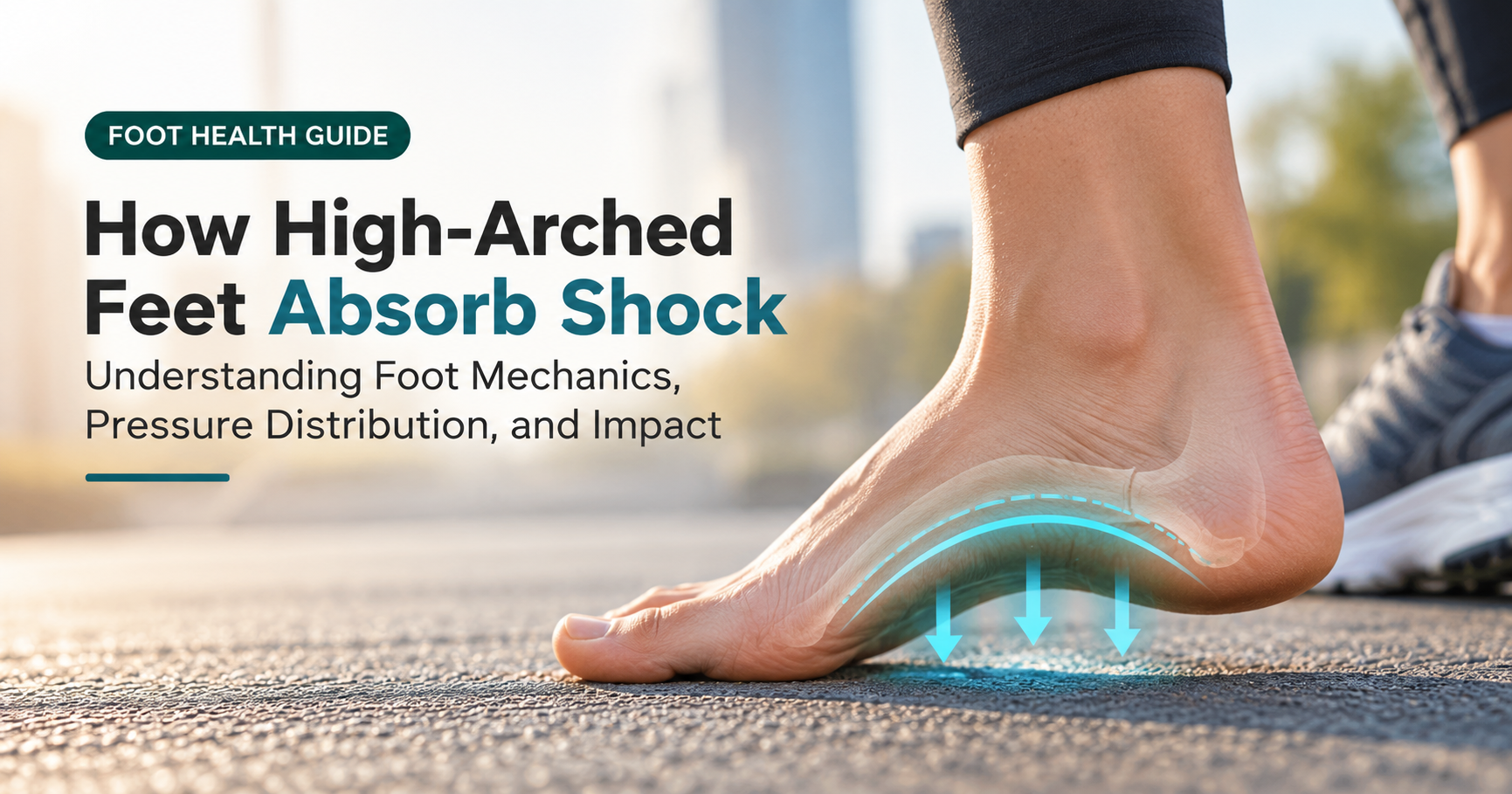
Gait is the way you walk or run. With every step your heel lands, your foot rolls inward a little while the arch flattens to absorb the impact, and then the foot stiffens so it can push off the ground. That inward roll is called pronation. It is natural, healthy and necessary.
Problems start when the roll is too much or too little. Most people fall into one of three groups:
- Neutral pronation: the foot rolls inward by a modest amount and the weight moves smoothly from heel to toes.
- Overpronation: the foot rolls inward too far or for too long, the arch flattens and the ankle drifts inward. Shoe makers design stability shoes for this pattern, which is why people call it a “stability gait”.
- Supination (underpronation): the foot rolls inward too little, so the outer edge takes most of the load.
“Stability gait” is not a medical diagnosis. It is a practical label from the footwear world for runners and walkers who benefit from extra guidance. Severe overpronation is sometimes matched with motion control shoes, which are firmer and more corrective.
| Neutral gait | Stability gait (overpronation) | Supination (underpronation) | |
|---|---|---|---|
| Foot motion | Rolls in slightly, then stiffens for push-off | Rolls in too far or too long | Rolls in too little, stays on the outer edge |
| Typical arch | Medium | Low or flat | High |
| Shoe wear | Even, centred | Inner edge of heel and forefoot | Outer edge of heel and forefoot |
| Shoe type often chosen | Neutral shoe | Stability shoe (motion control if severe) | Cushioned neutral shoe |
Your 5-Step Roadmap
Run the tests in this order. Each one adds a clue, and together they give a far more reliable picture than any one test alone.
Test 1: The Wet Footprint Test
This is the quickest way to see your arch shape.
- Pour a thin layer of water into a shallow tray.
- Wet the sole of one foot.
- Step onto a dark surface such as a brown paper bag, standing naturally with your weight evenly spread.
- Step off and look at the print.
- Almost the whole foot is filled in: a flat arch, which is often linked with overpronation.
- A clear curve on the inner side, with a wide band joining heel and ball: a medium arch, usually neutral.
- Only a thin strip along the outer edge: a high arch, often linked with supination.
Keep in mind that arch height is a clue, not proof. Plenty of people with flat feet have a perfectly neutral gait, and some people with normal arches overpronate when they are tired.
Test 2: Read the Wear Pattern on Your Shoes
Your old shoes record how you load your feet. Choose a pair you have worn regularly for a few months, place them on a table at eye level and then turn them over.
- Neutral: even wear across the ball of the foot and a little at the outer back corner of the heel.
- Overpronation: wear concentrated on the inner edge, especially under the big toe and the inside of the heel. The upper may also lean inward when the shoe sits on a flat surface.
- Supination: wear along the outer edge from heel to little toe, sometimes with the upper leaning outward.
Wear is also influenced by running surface, heel striking and differences in leg length, so treat it as supporting evidence.
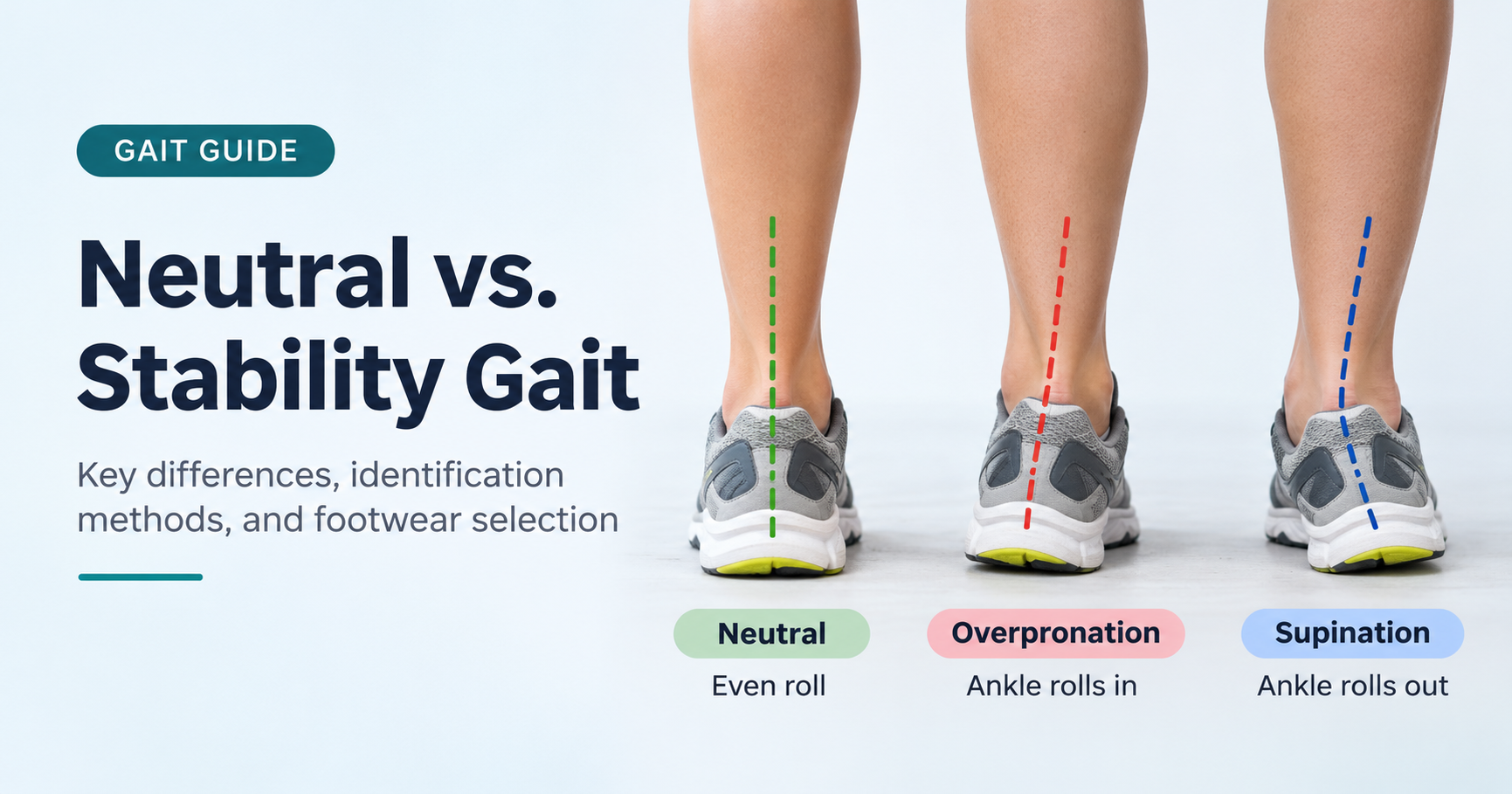
Test 3: The Rear-View Alignment Check
Stand barefoot with your heels about hip-width apart. Ask a friend to film your legs from behind at ankle height, or prop your phone on the floor and film yourself.
- Neutral: the Achilles tendon runs roughly straight up from the middle of the heel.
- Overpronation: the Achilles curves or leans, the heel tilts outward, the inner ankle bone looks prominent and you can see more of your toes on the outer side of the foot.
- Supination: the heel tilts inward and the ankle looks rolled toward the outer edge.
Repeat the check while balancing on one leg for a few seconds. Many people look neutral on two feet but collapse inward when the whole body weight rests on one foot.
Test 4: Navicular Drop and the Single-Leg Squat
These two quick checks show how your arch behaves under load.
Navicular drop. Sit with your foot flat and relaxed. Feel for the bony bump on the inner side of the arch (the navicular bone) and measure its height from the floor. Stand up and measure again. A drop of about 10 millimetres or more is commonly used as a sign of excessive pronation. Home measurements are rough, so a clinician’s measurement is more accurate.
Single-leg squat. Stand in front of a mirror and do a slow, shallow squat on one leg. If your knee falls inward, your arch collapses or your hip drops, your foot and hip may not be controlling motion well. This often points toward overpronation and weak hip stabilisers.
Test 5: Video Gait Analysis or a Professional Assessment
Film yourself from behind for 10 to 15 seconds on a treadmill at an easy pace, with the phone at ankle height, then watch it in slow motion. Look at the moment your foot lands and at mid-stance. If the heel and ankle tilt inward and the arch drops quickly, overpronation is likely. If the foot lands and stays on the outer edge, think supination.
For a definitive answer, book a gait analysis with a podiatrist, physiotherapist or an experienced specialty running store. Many use pressure plates, treadmill video and posture scoring that go far beyond what you can do at home.
How to Read Your Results
- Mostly neutral clues: you most likely have a neutral gait. A well-fitting neutral shoe is usually the right starting point.
- Mostly overpronation clues: you may benefit from a stability shoe and a supportive insole.
- Mostly supination clues: choose flexible, well-cushioned neutral shoes.
- Mixed clues: this is very common. Mild variations are normal, so let comfort break the tie.
Signs a stability gait may be causing trouble
These symptoms are associated with overpronation, but they are not diagnostic on their own:
- Heel or arch pain, especially with the first steps in the morning
- Aching along the inner shin
- Pain on the inner side of the knee
- Sore Achilles tendon or inner ankle
- Shoes that tilt inward quickly
What Does the Science Say?
It is worth being honest about the limits. Several studies have found that assigning shoes purely by foot type does not clearly prevent injuries, and some runners with pronated feet do just as well in neutral shoes. Researchers increasingly suggest choosing the shoe that feels most comfortable to you. Gait testing is therefore best used as a guide for narrowing options, not as a strict rulebook.
Choosing Shoes and Insoles for Your Gait
- Neutral gait: a neutral shoe with moderate cushioning and a flexible forefoot. An insole is optional.
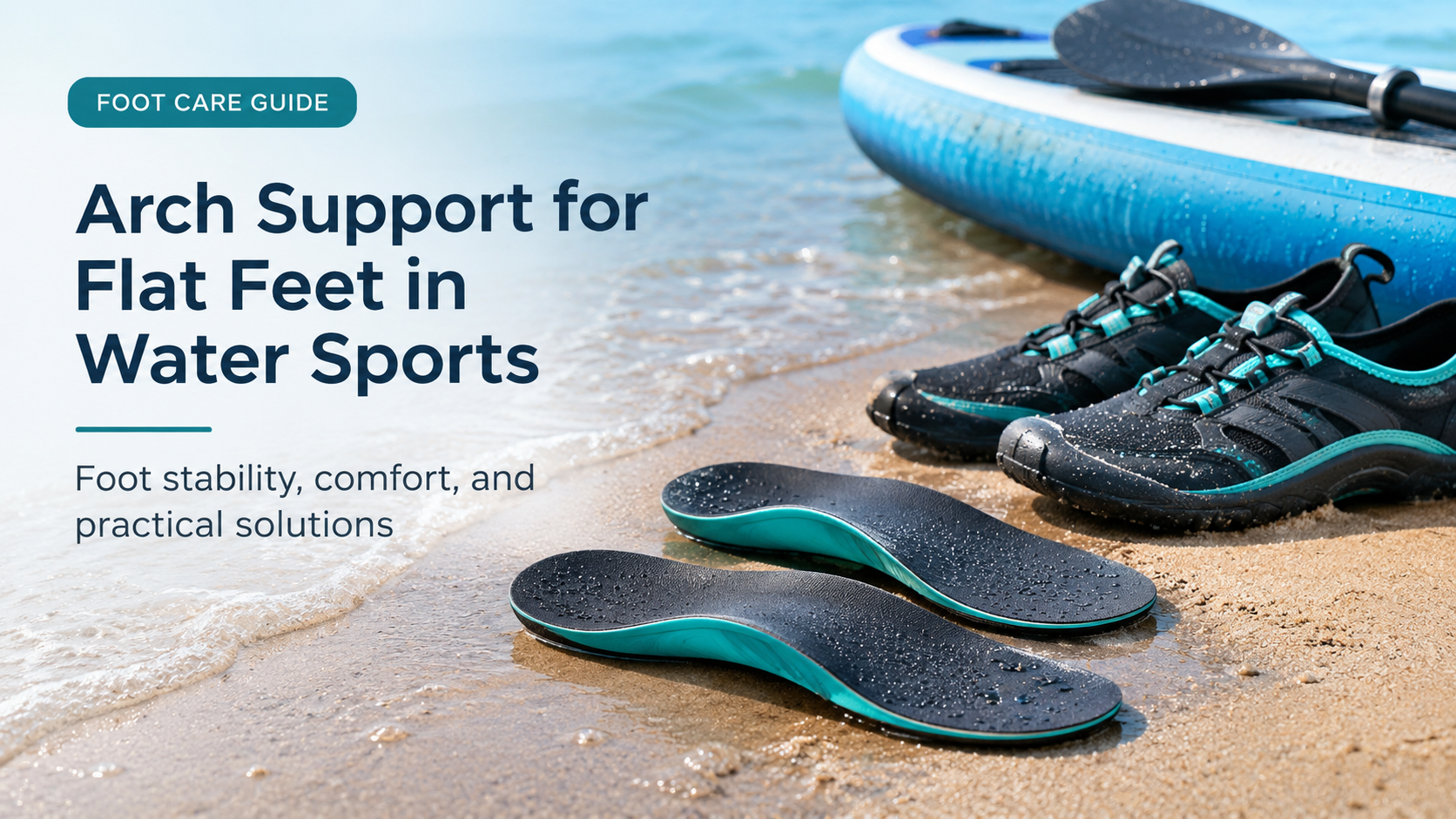
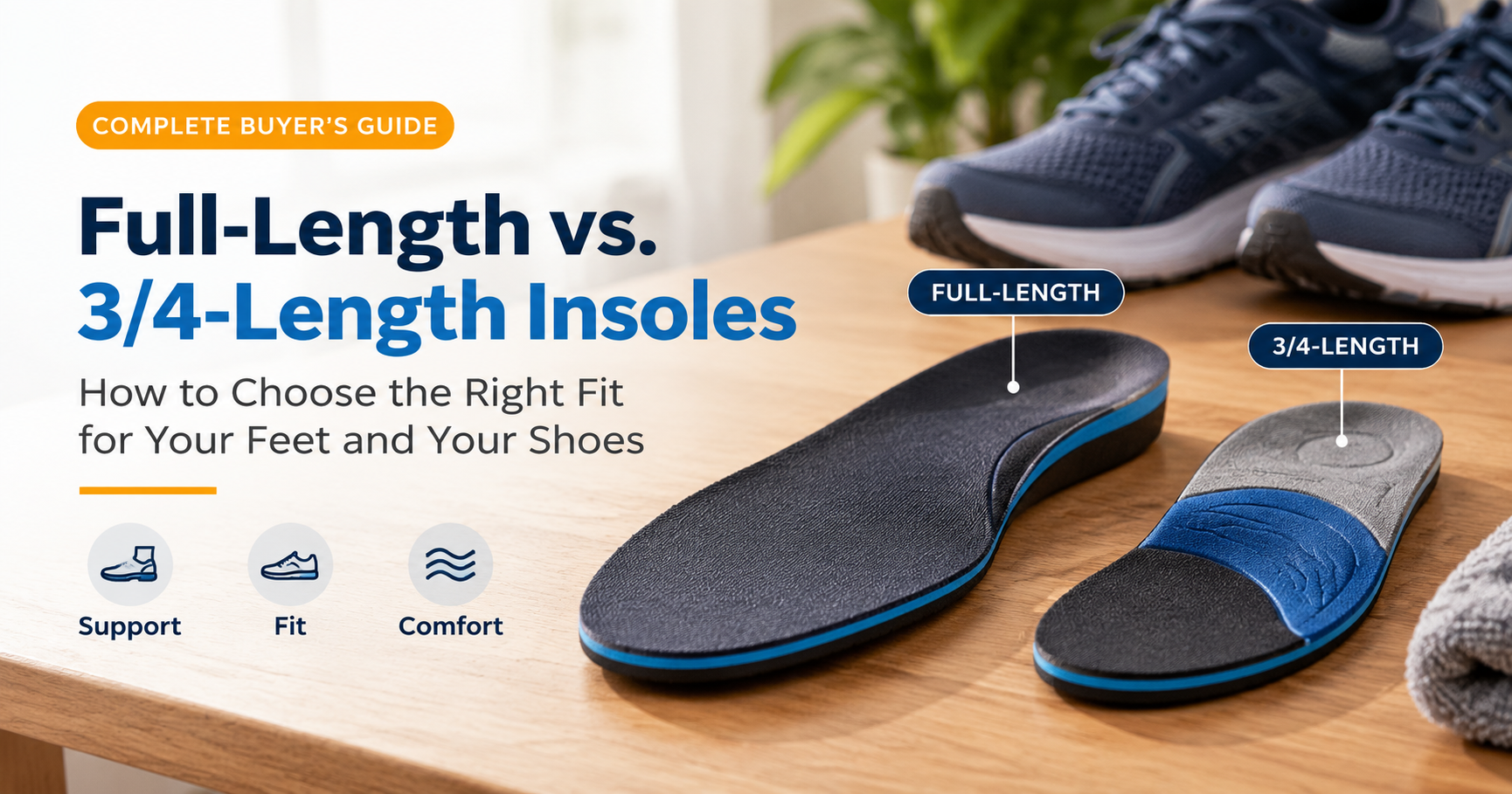
- Stability gait: look for a firmer inner midsole, guide rails or a medial post, plus a supportive heel cup. A semi-rigid arch support insole can add extra control.
- Supination: pick a soft, cushioned neutral shoe with a wider base and consider a cushioned insole that absorbs shock. Avoid heavy stability posts.
Whatever your result, try shoes later in the day when feet are slightly swollen, leave a thumb’s width in front of your longest toe, and replace running shoes every 300 to 500 miles (roughly 500 to 800 kilometres). Switch gradually to new shoe types, alternating old and new pairs for the first week or two.
Exercises That Improve Foot and Hip Control
Strength can improve how your feet and legs handle load. Aim for two or three sessions a week, 2 to 3 sets of 10 to 15 repetitions:
- Short foot exercise: draw the ball of the foot toward the heel without curling the toes, lifting the arch.
- Calf raises: rise slowly onto the balls of your feet and lower for three seconds.
- Single-leg balance: hold for 30 seconds, keeping the arch lifted and the knee over the second toe.
- Clamshells and side-lying leg raises: strengthen the hip muscles that keep the knee from collapsing inward.
- Towel scrunches and toe spreading: wake up the small muscles under the foot.
When to See a Professional
- Pain that lasts more than a couple of weeks
- Swelling, redness or warmth around the foot or ankle
- An arch that suddenly looks flatter on one foot
- Numbness, tingling or circulation problems, including diabetes
- Pain that wakes you at night or does not improve with rest
Frequently Asked Questions
Can my gait type change?
Yes. Weight changes, pregnancy, ageing, injury, muscle fatigue and strength training can all alter how your foot moves.
Do flat feet always mean overpronation?
No. Arch shape and foot motion are related but not identical. Test several clues rather than relying on the footprint alone.
Do I need stability shoes if I have no pain?
Not necessarily. If neutral shoes feel comfortable and you are injury-free, there is little reason to change.
Can insoles help with overpronation?
Supportive off-the-shelf insoles help many people feel more comfortable. If symptoms persist, a professional can advise on custom orthotics.
Is my walking gait the same as my running gait?
Not always. Many people pronate more when running, so test both if you do both.
Final Thoughts
Working out whether you have a neutral or stability gait does not require expensive equipment. Combine the wet test, your shoe wear, a rear-view video, a squat check and, if possible, a professional assessment, and you will have a trustworthy picture of how your feet work. Use it to narrow down your shoe choices, then let comfort have the final say.
Disclaimer: This article is for general information only and is not a substitute for professional medical advice, diagnosis or treatment. See a qualified healthcare professional about persistent foot, knee or leg pain.