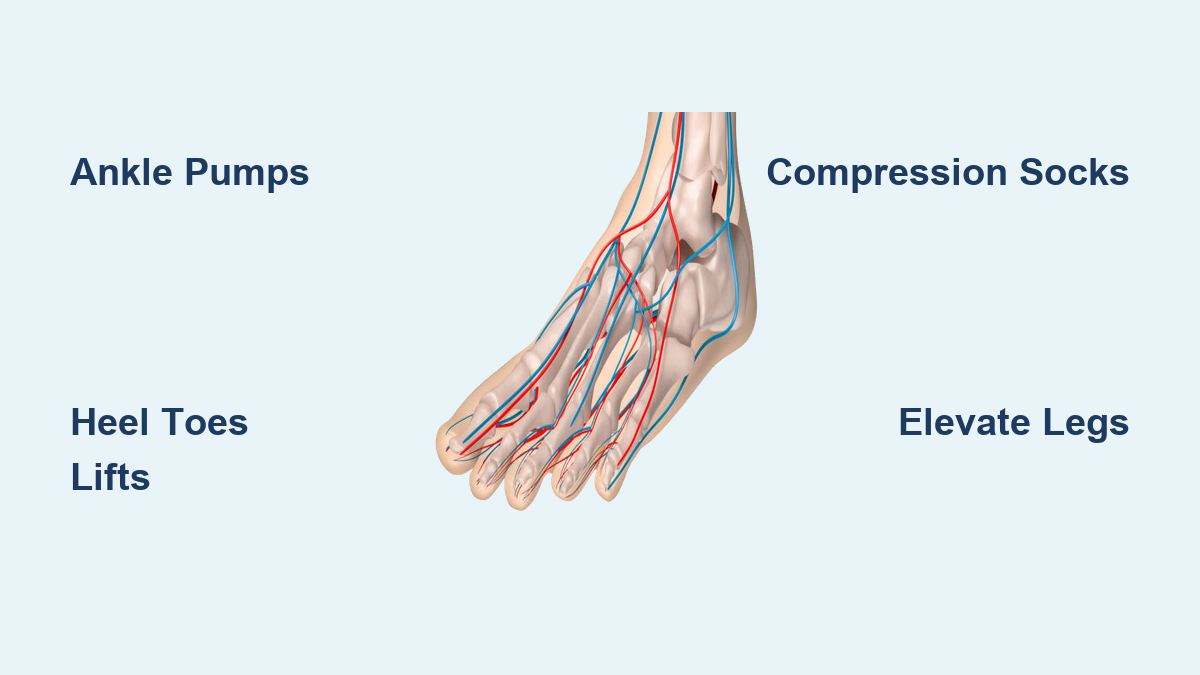
Sitting for hours at a desk, on a long flight, or during extended screen time can quietly compromise your foot and leg health. When you remain sedentary, blood flow slows, especially in the lower limbs—your feet, being farthest from the heart, suffer first. Poor circulation leads to swelling, cold feet, tingling, and even serious conditions like deep vein thrombosis (DVT) or peripheral artery disease (PAD). The good news? You don’t need to quit your job or overhaul your lifestyle. Simple, science-backed habits—like seated exercises, smart ergonomics, and hydration—can dramatically improve foot circulation while sitting. This guide delivers actionable strategies to keep your blood flowing, reduce discomfort, and protect your vascular health—no matter how long you sit.
Activate the Calf Muscle Pump with Seated Movements

Your calf muscles act as a secondary heart, squeezing veins to push blood back toward your heart. When you sit still, this vital pump shuts down, allowing blood to pool in your legs and feet. The fix? Re-engage it with targeted, low-effort movements you can do at your desk.
Perform Ankle Pumps Every 30 Minutes
Ankle pumps are one of the most effective seated exercises for circulation. Sit upright, extend your legs slightly, and flex your feet—pulling toes toward your shins (dorsiflexion), then pointing them down (plantarflexion). Repeat 10–15 times per foot every half hour. This motion mimics the natural muscle pump, boosting venous return by up to 60%. Set a smartwatch or phone reminder to stay consistent. Even brief sessions help prevent blood stagnation.
Rotate Ankles to Improve Joint and Blood Flow
Ankle rotations enhance mobility and microcirculation. Lift one foot off the floor and rotate the ankle in full circles—5–10 clockwise, then counterclockwise. Switch sides. Do this during calls or reading. Over time, you’ll notice smoother motion, a sign of better joint lubrication and improved blood flow to the foot tissues.
Alternate Heel and Toe Lifts
This rocking motion targets both front and back leg muscles. Keep your feet flat, lift your heels as high as possible, hold for 3 seconds, then lower. Next, keep heels down and lift your toes and forefoot. Alternate between the two in a gentle rocking motion for 1 minute. This stimulates the tibial veins and keeps blood moving through your lower legs.
Boost Circulation with Discreet Seated Exercises
You don’t need space or equipment—just a chair. These low-impact moves increase blood flow, reduce stiffness, and combat sedentary risks.
Do Seated Calf Raises
Press through the balls of your feet to lift your heels, squeezing your calves at the top. Lower slowly. Aim for 10–15 reps per set. Keep your knees stable and avoid bouncing. This directly activates the gastrocnemius and soleus muscles, compressing veins to push blood upward.
Extend Legs to Engage Thigh Muscles
Extend one leg straight, flex your foot, hold for 3 seconds, then lower. Alternate legs for 8–10 reps. This activates your quadriceps and stretches your hamstrings, improving circulation in your thighs and reducing stiffness from sitting.
Swing Knees to Stimulate Hamstring Flow
Sit forward on your chair, extend one leg, and gently bend and straighten the knee, bringing your foot toward and away from your buttocks. Do 8–10 reps per leg. This movement stimulates hamstring and calf muscle activity, enhancing venous return. If you have limited knee mobility, place a rolled towel under your thigh for support.
Walk Feet Side to Side for Lymphatic Drainage
With feet flat, walk your toes outward, then your heels. Bring them back in—heels first, then toes. This engages intrinsic foot muscles and supports lymphatic drainage, reducing swelling and improving foot dexterity.
March While Seated for Full-Leg Activation
Lift one knee toward your chest, then the other—like marching in place. Do 10–15 reps per leg. This activates hip flexors and core muscles, promoting overall leg circulation. It’s subtle enough for meetings but effective for vascular health.
Use Tools to Enhance Passive and Active Movement
Even when you’re stuck sitting, devices can keep your circulation pumping.
Try an Under-Desk Pedal Exerciser
Compact and quiet, a pedal exerciser fits under your desk. Use it while typing or reading for 15–30 minutes per hour. It keeps your calf muscles contracting, burns 50–150 kcal/hour, and reduces leg swelling. Look for models with adjustable resistance and smooth operation.
Use a Vibration Plate for Micro-Movements
Place your feet on a vibration plate while seated. Turn it on for 1–2 minutes. The high-frequency vibrations cause involuntary muscle contractions, boosting microcirculation and lymph flow. Pair it with ankle pumps for amplified results.
Roll Out Tension with a Foam Roller
Sit on the edge of a chair or floor, place a foam roller under your calves or thighs, and roll gently from ankle to knee. Avoid joints and bony areas. Do this for 1–2 minutes, twice daily, to relieve tightness, improve blood flow, and reduce soreness.
Optimize Your Sitting Environment

Your workspace setup can either support or sabotage circulation.
Use a Footrest to Prevent Dangling Feet
Dangling feet compress veins behind the knees. A footrest keeps your feet flat or slightly elevated—never higher than your knees. A rocking footrest adds passive movement, further boosting circulation.
Adjust Chair Height and Depth
Set your seat so your knees are at or slightly below hip level. Leave 2–4 inches between the back of your knees and the chair edge. Use lumbar support to maintain spinal alignment and reduce strain on your circulatory system. Choose breathable mesh fabric to prevent overheating and swelling.
Alternate Sitting with Standing
Switch to a standing desk every 30–60 minutes. Stand for 15–30 minutes per hour, shifting your weight or doing heel lifts. Avoid standing still—movement is key. This reduces venous stasis and improves overall circulation.
Try an Under-Desk Elliptical
More dynamic than a pedal exerciser, an under-desk elliptical offers full-range leg motion. It fits under most desks and provides superior joint and muscle activation. Use it for 10–20 minutes per hour while working.
Hydrate to Keep Blood Flowing Smoothly
Dehydration thickens your blood, slowing circulation and increasing clot risk. Men should aim for ~3.7 liters (15 cups) of fluids daily; women, ~2.7 liters (11 cups). During work hours, drink 32–48 oz (4–6 cups) of water. Keep a large bottle at your desk and refill it twice. Limit coffee (over 2 cups), energy drinks, and alcohol—they dehydrate and constrict blood vessels. Swap them for herbal tea, infused water, or low-sugar electrolyte drinks.
Wear Compression Socks for Targeted Support

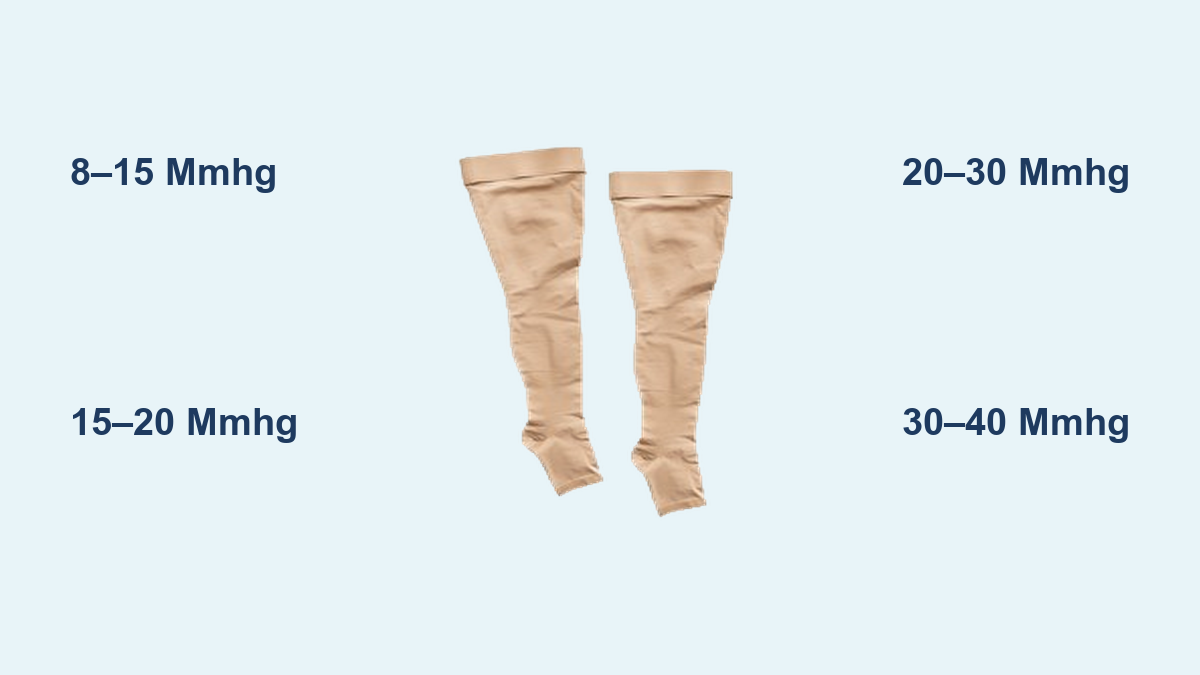
Compression stockings apply graduated pressure—tightest at the ankle, decreasing up the leg—preventing blood pooling. Choose 15–20 mmHg for mild swelling or prevention (available over-the-counter). For medical needs, 20–30 mmHg (medical grade) or 30–40 mmHg (prescription) may be required. Knee-high socks are most effective for foot and ankle circulation. Put them on first thing in the morning, before swelling starts. Turn them inside out, roll up gradually, and avoid bunching. Wash daily to maintain elasticity.
Elevate Legs to Reduce Swelling
Use gravity to your advantage. Lie back and elevate your legs above heart level using a leg wedge, ottoman, or pillows. Hold for 10–20 minutes, 2–3 times daily—after work, during TV time, or before bed. This helps blood and fluid return to the heart, reducing ankle swelling and leg heaviness.
Eat for Vascular Health
Your diet directly impacts circulation. Cut back on salt—aim for less than 2,300 mg daily—to reduce fluid retention and edema. Avoid processed snacks, canned soups, and fast food. Instead, eat foods that support blood flow: omega-3s (salmon, flaxseed, walnuts), antioxidants (berries, spinach, dark chocolate), and potassium/magnesium-rich foods (bananas, avocados, almonds). Follow a Mediterranean-style diet—rich in whole grains, vegetables, lean proteins, and olive oil—to improve endothelial function and reduce arterial stiffness.
Avoid Circulation Blockers
Some habits silently impair blood flow. Avoid tight jeans, belts, or socks with constrictive bands—they restrict blood and lymph flow. Wear loose, stretchy fabrics and non-binding socks. Ditch high heels; they limit ankle motion and reduce calf pump efficiency. Switch to flat, supportive shoes—even at the office. Quit smoking: nicotine narrows blood vessels, reduces oxygen, and accelerates plaque buildup, increasing PAD risk.
Tailor Strategies to Your Situation
In the Office
Every 30 minutes, do 1 minute of ankle pumps or heel/toe lifts. Every hour, stand and walk for 1–2 minutes. Use a pedal exerciser, footrest, and compression socks. Sip water consistently—don’t wait until you’re thirsty.
During Long Flights
Choose an aisle or extra-legroom seat. Every hour, do ankle circles, fast feet (rapid heel-toe taps), and knee hugs. Wear compression socks, avoid alcohol and caffeine, and walk the aisle when possible.
For Older Adults or Limited Mobility
Stick to safe moves: ankle pumps, towel grabs, seated marching. Hold a chair or wall for balance. Start with 5 reps and build up. Stop if you feel pain, dizziness, or shortness of breath.
Recognize Warning Signs
Seek medical help if you have:
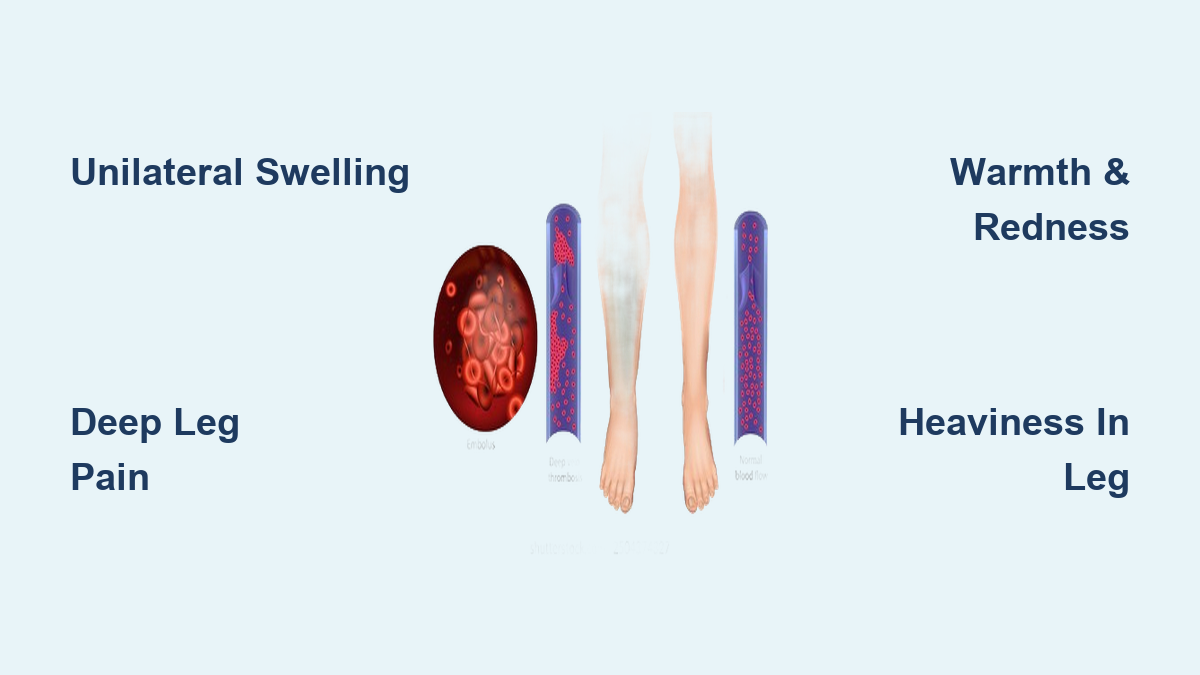
– One-sided leg swelling, warmth, or redness (possible DVT)
– Persistent numbness or tingling
– Skin discoloration (brown or purple patches)
– Non-healing foot sores
– Leg cramps when walking (sign of PAD)
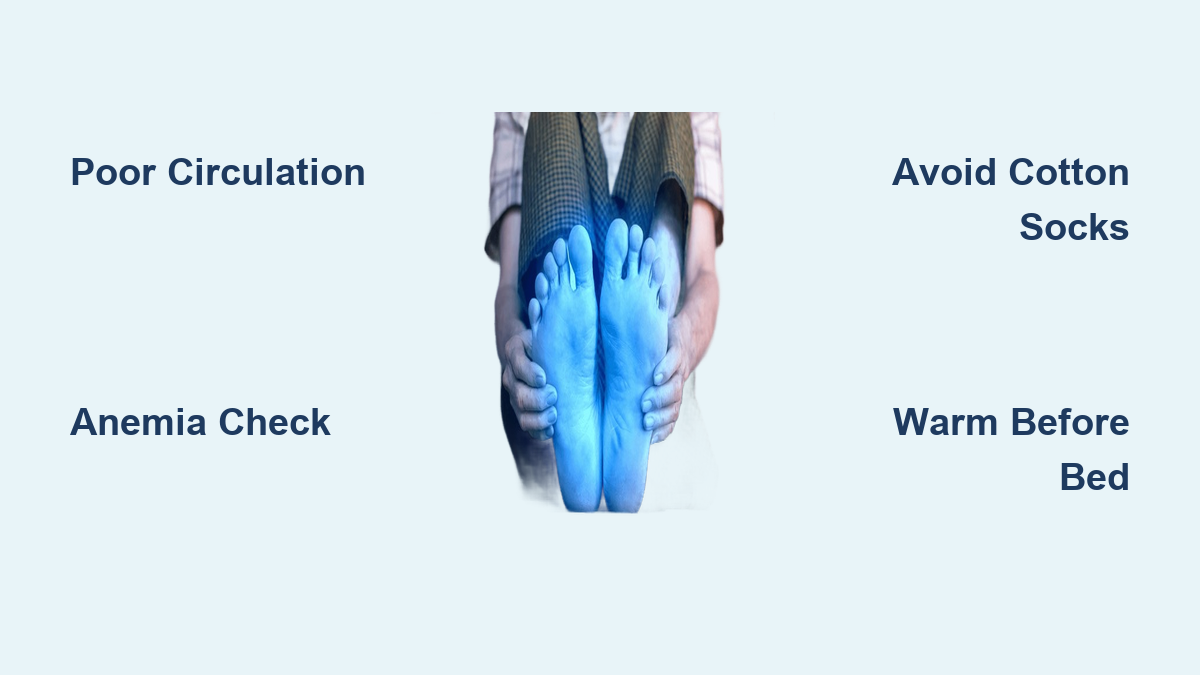
– Cold feet that don’t warm up
Final Tips for Lasting Circulation Health
Improving foot circulation while sitting is about consistency, not intensity. Build small habits into your day: put on compression socks in the morning, do ankle pumps every 30 minutes, stand and walk hourly, elevate your legs after work, and check your feet daily—especially if you have diabetes.
Your feet are the farthest from your heart—don’t let sitting cut them off. Start now: do 10 ankle pumps. Your legs—and your long-term health—will thank you.