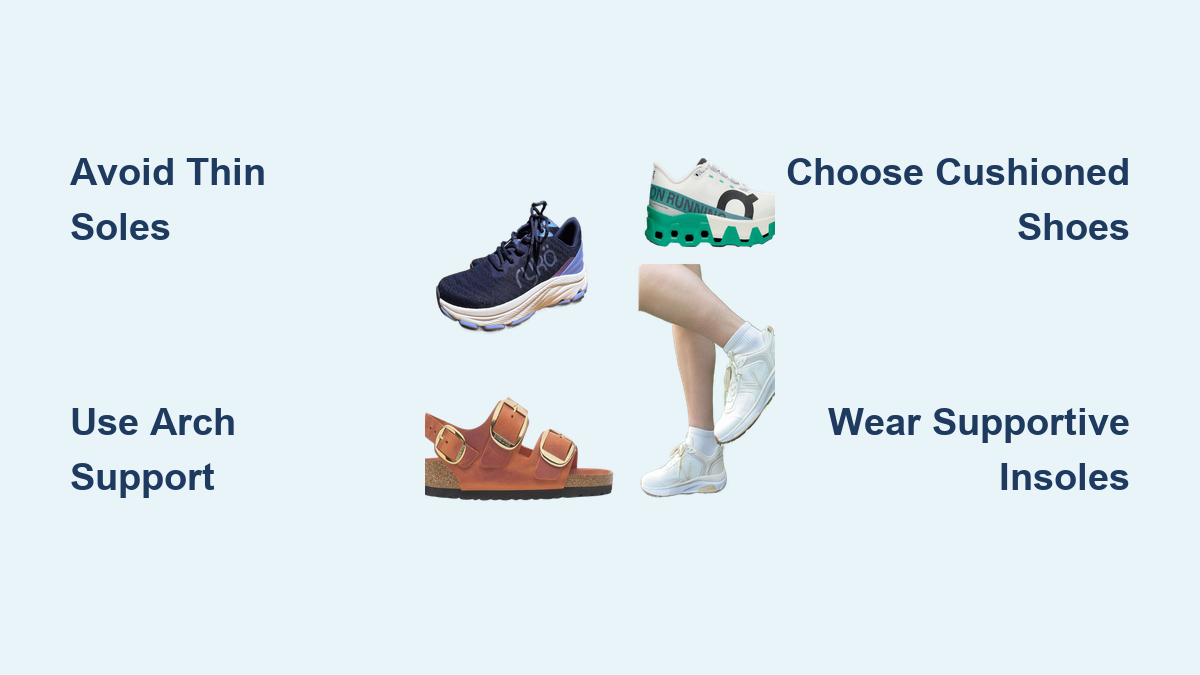
If you have high arches, slipping into a pair of thin-soled shoes might seem harmless—until the first step on concrete sends a jolt up your heel. That sharp discomfort isn’t just in your head; it’s your body reacting to poor biomechanics. High arches, also known as pes cavus, mean your foot has an abnormally elevated inner arch, reducing contact with the ground and concentrating pressure on the heel and ball of the foot. Without proper support, every step becomes a strain on your feet, ankles, and even your knees and back.
Thin-soled shoes make this worse by offering zero cushioning, no arch support, and minimal stability—essentially turning everyday walking into a high-impact activity. For people with high arches, wearing footwear like ballet flats, flip-flops, or minimalist sneakers isn’t just uncomfortable; it can lead to serious conditions like plantar fasciitis, metatarsalgia, ankle sprains, and long-term joint damage. This article explains exactly why thin soles are harmful, what to avoid, and how to choose shoes that protect your feet.
How High Arches Alter Foot Mechanics

Elevated Arch Leads to Uneven Weight Distribution
In a foot with high arches, the inner arch is significantly raised, meaning less of the foot touches the ground. Instead of weight spreading evenly across the sole, it piles onto the heel and forefoot. This imbalance increases stress on bones, tendons, and soft tissues, especially during prolonged standing or walking. Over time, this uneven loading can cause pain, inflammation, and even structural foot changes.
Natural Supination Increases Instability
High-arched feet tend to supinate, or roll outward, during walking and running. This reduces the foot’s ability to absorb shock and destabilizes the ankle joint. When combined with a thin sole that offers no lateral support, the risk of ankle sprains skyrockets—especially on uneven terrain. Supination also leads to abnormal wear on shoes and joints, accelerating degeneration over time.
Stiff Arch Compromises Shock Absorption
The arch of the foot acts like a natural spring, absorbing impact with each step. But in high-arched feet, this spring is rigid and less flexible. Without a cushioned sole to compensate, ground reaction forces travel straight up the leg, increasing the risk of shin splints, stress fractures, and knee pain. Thin soles provide no buffer, making every step a potential source of microtrauma.
Why Thin Soles Worsen High Arch Problems
No Cushioning Increases Impact Stress
Thin soles lack adequate midsole padding, so your feet absorb every pound of force directly. On hard surfaces like tile or pavement, this can overload the calcaneus (heel bone) and metatarsals (forefoot bones). Runners or people who stand for long hours are especially vulnerable to microtears, inflammation, and overuse injuries when wearing unsupportive footwear.
Pro tip: If your feet ache after a short walk in flat shoes, the lack of cushioning is likely the culprit.
Heightens Forefoot Pressure and Pain
Because high-arched feet already bear excess weight on the ball of the foot, thin soles that lack forefoot padding can trigger metatarsalgia—a sharp, burning pain under the toes. Continued pressure may also lead to Morton’s neuroma, a thickened nerve between the third and fourth toes that causes numbness, tingling, or electric-like pain.
Fails to Support the Plantar Fascia
Without arch support, the plantar fascia—the band of tissue connecting your heel to your toes—stretches excessively with each step. This overstretching causes tiny tears, leading to inflammation and the stabbing heel pain of plantar fasciitis. Thin-soled shoes, especially those worn without socks or orthotics, allow the arch to collapse momentarily at heel strike, worsening strain.
Increases Risk of Ankle Sprains
Many thin-soled shoes lack a reinforced heel counter or lateral stability. For someone who already supinates, this means less ankle control. A simple misstep on a curb or uneven surface can roll the ankle outward, resulting in sprains or chronic instability. Over time, repeated sprains weaken ligaments and increase long-term disability risk.
Strains the Achilles Tendon
Flat, thin-soled shoes often have a zero heel-to-toe drop, meaning the heel is level with the forefoot. This position keeps the calf muscles and Achilles tendon in a shortened state, increasing tension. Over time, this can lead to Achilles tendonitis or, in active children and teens, Sever’s disease—inflammation of the growth plate in the heel.
Triggers Joint and Postural Issues
Without a stable base, your body compensates by shifting weight abnormally. You might tilt your pelvis, bend your knees inward, or alter your gait. These compensations can lead to knee pain, hip tightness, and lower back discomfort—all linked to poor foot mechanics. The problem starts in the feet but can affect your entire posture.
Promotes Foot Deformities
Long-term use of unsupportive shoes worsens muscle imbalances in the foot. Toes may curl into hammertoes or claw toes due to uneven pressure and tendon strain. Narrow, thin-soled shoes also squeeze the forefoot, accelerating bunion formation at the big toe joint.
Footwear Types to Avoid with High Arches
Ballet Flats and Loafers
- No arch support or heel cushioning
- Rigid soles increase foot fatigue
- Often cause heel pain and blistering
- Narrow toe boxes lead to ingrown toenails and corns
Real-world effect: Wearing ballet flats for more than an hour often leads to arch strain and cramping in high-arched individuals.
Flip-Flops and Thin-Strapped Sandals
- Offer zero arch support or heel stabilization
- Force toes to grip the shoe, straining tendons
- Increase risk of ankle rolls and plantar fasciitis
- Expose feet to uneven surfaces without protection
Minimalist or Barefoot Shoes
- Designed to mimic barefoot walking
- Lack cushioning and arch support
- May strengthen feet over time—but not for symptomatic high arches
- Risk of injury during transition phase
Expert note: Only consider minimalist shoes under a podiatrist’s guidance—and only if you’re pain-free and gradually adapt.
High Heels
- Shift weight forward onto the already overloaded forefoot
- Worsen metatarsalgia and Morton’s neuroma
- Increase instability in supinated feet
- Combine thin soles with poor alignment? A recipe for pain.
Rigid Athletic Shoes (e.g., Cleats, Court Shoes)
- Thin, stiff soles lack shock absorption
- Increase risk of stress fractures and Achilles issues
- Not designed for high-arched biomechanics
- Common culprits in sports-related foot injuries
Best Shoe Features for High Arches

Thick, Cushioned Midsoles
Look for deep foam, gel, or air padding in the heel and forefoot. This absorbs impact and reduces pressure spikes. Brands like Hoka, Brooks, and ASICS offer excellent cushioning for high arches.
Built-In Arch Support
The shoe should have structured arch support that matches your arch height. Avoid flat insoles. Some models allow you to replace the insert with custom orthotics for better fit.
Flexible Yet Stable Midsole
A good shoe bends at the ball of the foot but resists twisting. This allows natural movement while controlling supination. Look for torsional stability in the midfoot.
Rocker Sole Design
Rocker soles help roll the foot smoothly from heel to toe, reducing strain on stiff, high-arched feet. Ideal for those with limited ankle mobility or foot pain.
Wide, Roomy Toe Box
Your toes should lie flat, not squeezed. A wide toe box prevents corns, calluses, and toe deformities. Brands like Altra and New Balance offer wide forefoot options.
Reinforced Heel Counter
A firm heel cup stabilizes the rearfoot, reduces supination, and prevents ankle rolling. Press the back of the shoe—it should resist squeezing.
Moderate Heel-to-Toe Drop (8–12 mm)
A slight heel elevation reduces tension on the Achilles. A 10mm drop is ideal for most high-arched individuals.
Orthotics: A Game-Changer for High Arches
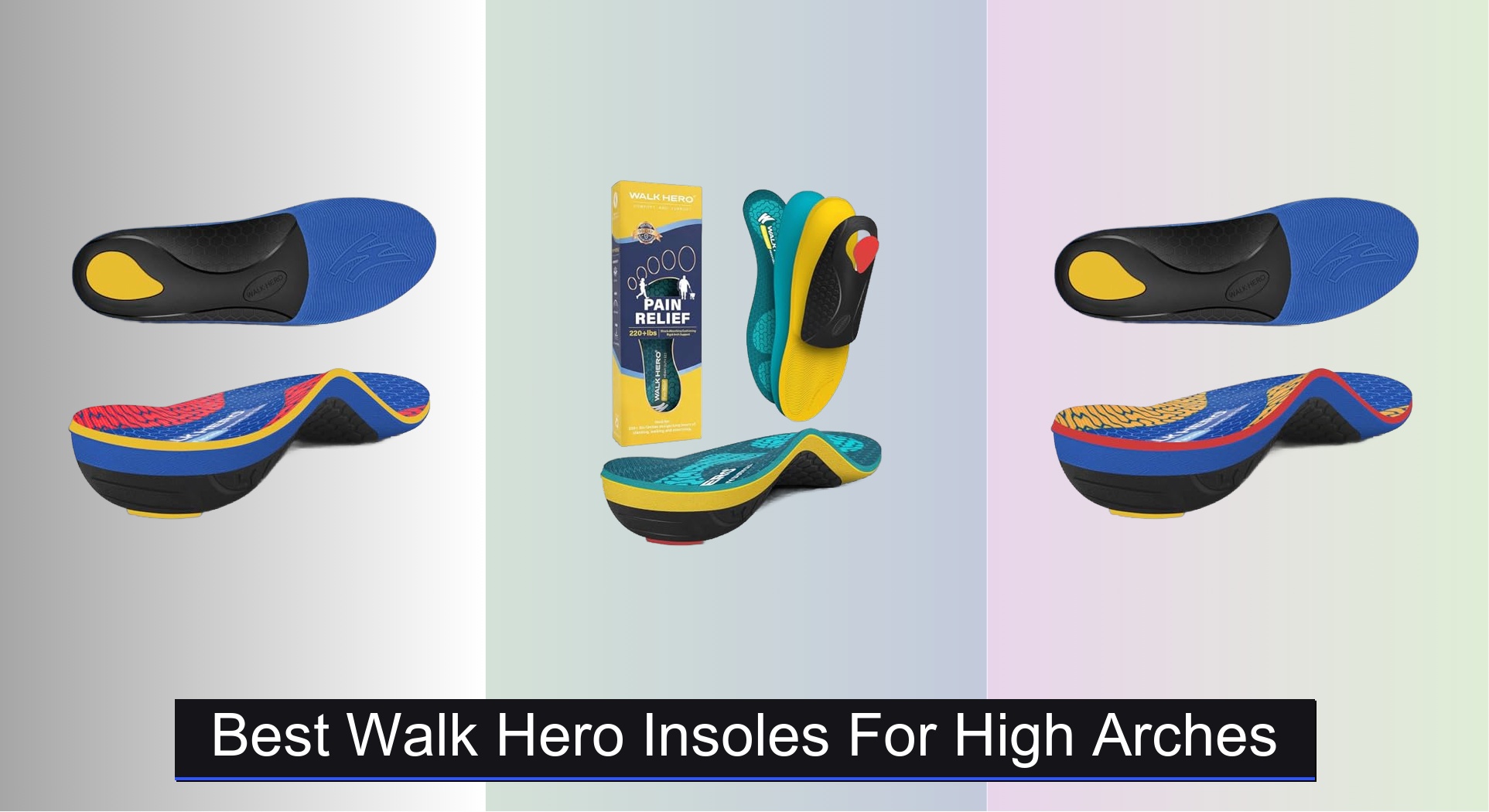
Custom Orthotics for Maximum Support
While over-the-counter insoles help, custom-molded orthotics from a podiatrist are far more effective. They:
– Match your exact arch shape
– Redistribute pressure away from painful spots
– Correct gait imbalances
– Reduce strain on plantar fascia and tendons
Over-the-Counter Inserts: A Temporary Fix
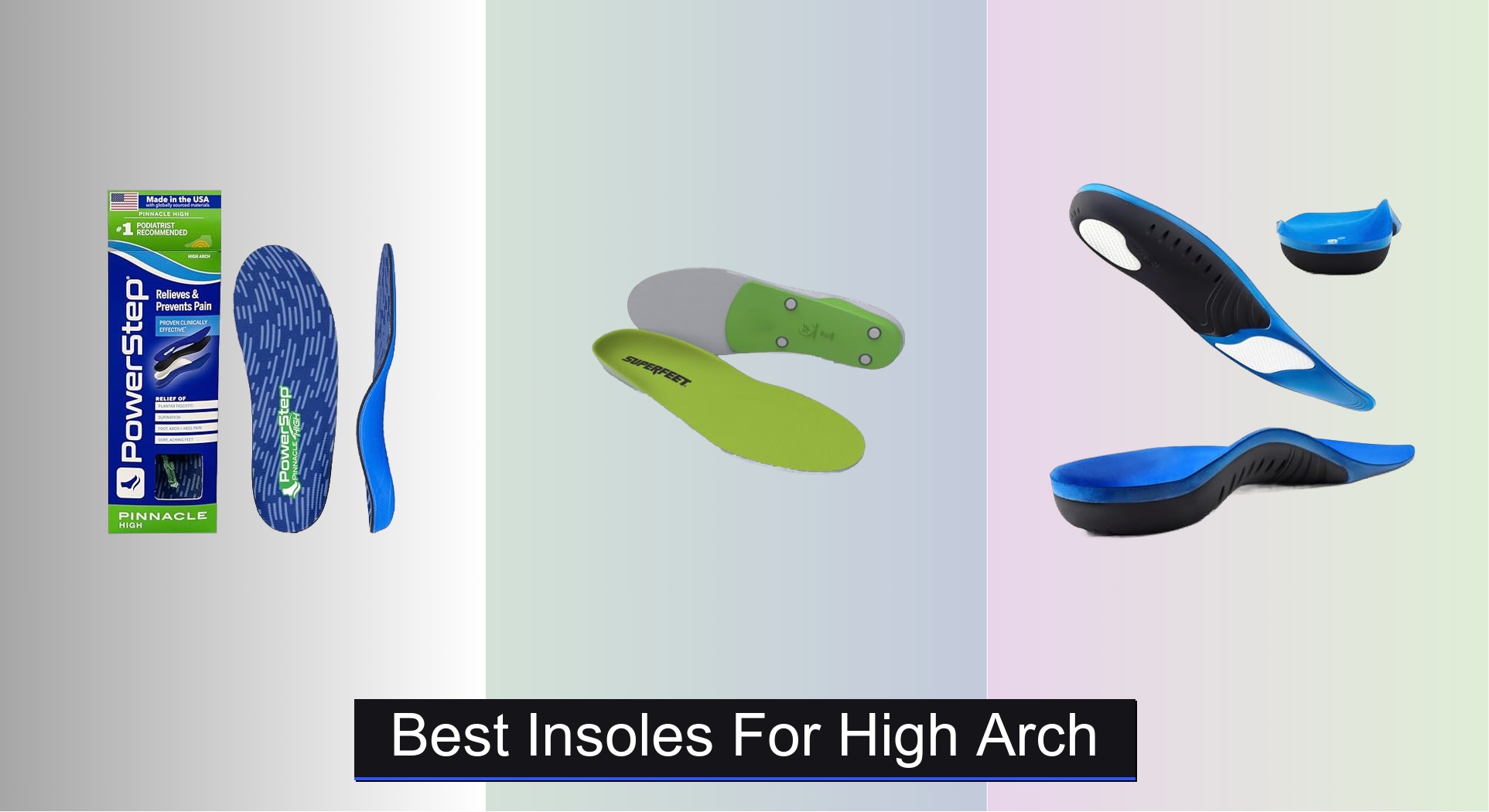
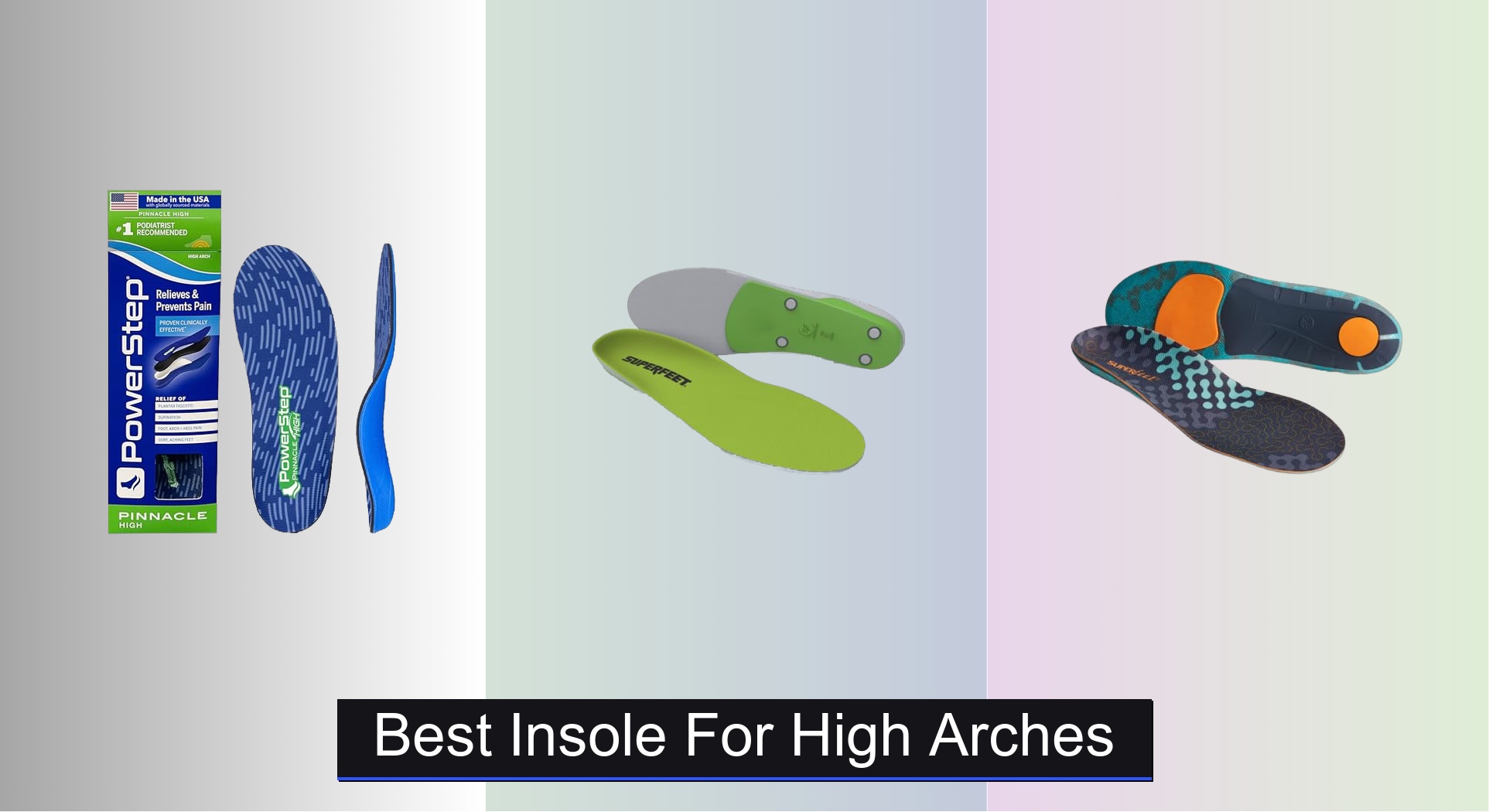
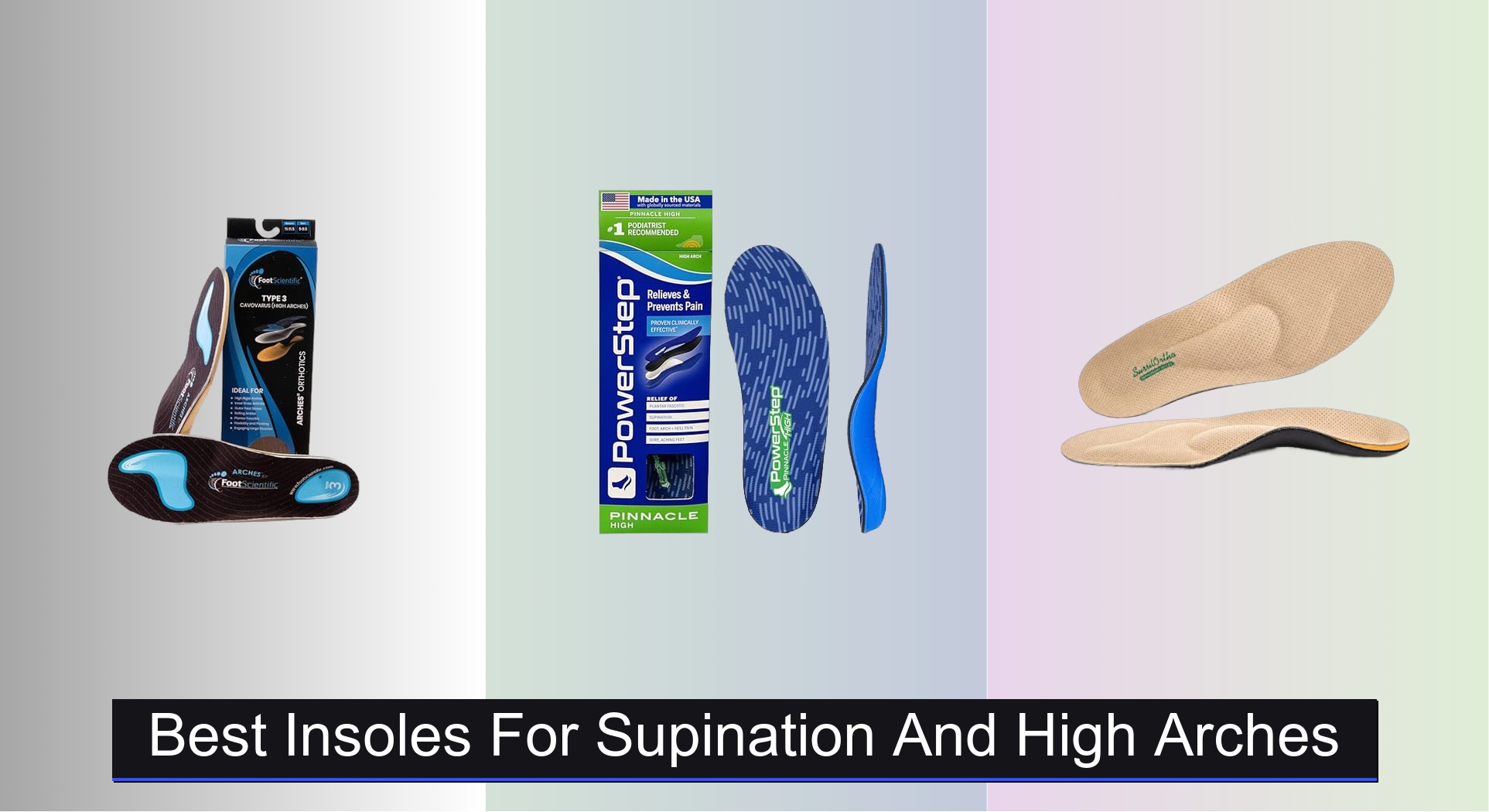
Choose insoles labeled “high arch support” with gel cushioning in the heel and forefoot. Brands like Superfeet, Powerstep, and Spenco offer solid options—but replace them every 6–12 months.
Better Shoe Alternatives for High Arches

Cushioned Running Shoes
- Brooks Ghost – Balanced cushioning and support
- ASICS Gel-Nimbus – Plush midsole, great for high arches
- Hoka Clifton – Max cushion, rocker sole, lightweight
Tip: Replace running shoes every 300–500 miles to maintain shock absorption.
Supportive Walking Shoes
- Dansko Walker – Rocker bottom, wide toe box
- Vionic Walker – Built-in orthotic support
- Saucony Echelon – High cushion, wide fit options
Low-Heeled Shoes with Thick Soles
For dressier wear:
– Wedge heels (2–3 inches) with cushioned insoles
– Block heels with supportive footbeds
– Avoid stilettos or thin-soled pumps
Daily Habits to Protect High Arches
Stretch Your Calf and Plantar Fascia
- Towel stretch: Sit with leg straight, loop towel around foot, gently pull toes toward you
- Wall calf stretch: Lean into a wall with one leg back, heel down
- Frozen water bottle roll: Roll underfoot for 5 minutes to massage and reduce inflammation
Strengthen Foot Muscles
- Toe curls: Scrunch a towel with your toes
- Marble pickups: Use toes to move marbles into a cup
- Heel raises: Slowly rise onto toes, then lower
Use Ice for Pain Relief
After long days or workouts:
– Ice the heel or ball of foot for 15–20 minutes
– Try the RICE method (Rest, Ice, Compression, Elevation) for flare-ups
Gradually Break In New Shoes
Switching to supportive shoes can feel strange at first. Wear them for 1–2 hours daily, increasing over 1–2 weeks to avoid muscle fatigue.
When to See a Podiatrist
Signs You Need Professional Help
- Persistent heel or forefoot pain
- Frequent ankle sprains
- Visible toe deformities
- Bunions that limit shoe choices
- No relief from OTC insoles or shoe changes
What a Podiatrist Can Do
- Perform gait analysis
- Prescribe custom orthotics
- Recommend physical therapy or night splints
- Rule out neurological causes (e.g., Charcot-Marie-Tooth disease)
Final Advice: Protect Your Feet
- Avoid thin-soled, flat, or rigid shoes
- Choose cushioned, supportive footwear with a wide toe box
- Use custom orthotics if you have chronic pain
- Stretch daily to maintain flexibility
- See a podiatrist for persistent issues
While minimalist shoes have benefits for some, they’re not safe for most people with high arches—especially if you’re already experiencing pain. Your feet need cushioning, support, and stability. Prioritize function over fashion, and your body will thank you with fewer aches, better balance, and long-term mobility.
Your arches are high—your standards for footwear should be too.