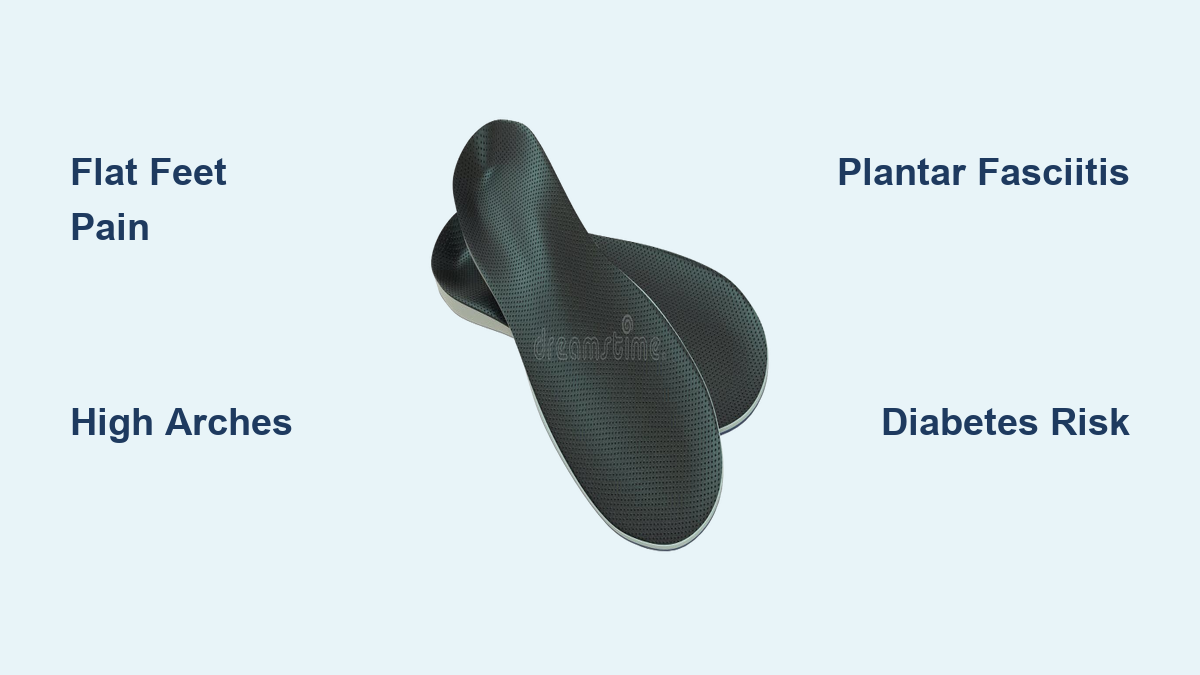
Foot pain isn’t just a minor annoyance—it can disrupt your daily life, affect your posture, and even lead to chronic knee, hip, or back problems. When discomfort strikes, most people reach for over-the-counter (OTC) insoles, hoping for quick relief. While these mass-produced inserts help some, many others find their pain lingers despite weeks of use. The reason? No two feet are alike.
If you’ve tried OTC insoles without success—or if you’re dealing with persistent foot pain, visible deformities, or conditions like diabetes—it may be time to consider custom orthotics. These aren’t just fancy shoe inserts; they’re medical-grade devices designed to correct your unique foot mechanics. This guide will help you recognize the key signs that OTC solutions aren’t enough and when it’s time to see a specialist for custom orthotics. You’ll learn how your foot type, symptoms, and health conditions determine the right support—and why choosing the wrong insole could be making your pain worse.
You Have Flat Feet and Experience Knee or Back Pain

Flat feet—also known as pes planus—are a major red flag that off-the-shelf insoles may not provide adequate support. When your arch collapses during standing or walking, your foot rolls inward excessively, a motion called overpronation. This alters how your body absorbs impact and can misalign your ankles, knees, and hips.
Pain That Extends Beyond Your Feet
Overpronation doesn’t just strain your arches. It can trigger a chain reaction of discomfort:
– Sharp heel or arch pain after walking
– Recurring shin splints
– Knee pain, especially on the inner side
– Chronic lower back tightness or aching
OTC insoles with generic arch support often fail to correct this motion. They may feel supportive at first but lack the structural integrity to stabilize your foot long-term. Custom orthotics, however, are designed to match the exact contours of your foot and stop excessive rolling. Research shows they’re significantly more effective than OTC options at reducing pain and improving function in people with flat feet.
Rigid vs. Flexible Flat Feet: Why It Matters
Not all flat feet respond to the same treatment:
– Flexible flat feet have an arch when non-weight-bearing but collapse when you stand.
– Rigid flat feet show no arch at all, even at rest.
Rigid cases often require rigid or semi-rigid custom orthotics to provide real correction. If you’ve tried multiple OTC inserts and still feel instability, fatigue, or pain, it’s time to get a professional evaluation.
You Have High Arches and Frequent Ankle Sprains

High arches, or pes cavus, create the opposite problem: your foot rolls outward (supination), reducing shock absorption and concentrating pressure on the heel and ball of the foot. This can lead to instability and injury.
Signs You’re a Supinator
You may be supinating if you notice:
– Repeated ankle sprains, especially on uneven surfaces
– Calluses or pain under the heel and forefoot
– Discomfort during or after running or long walks
– Shoes that wear out quickly on the outer edge
While OTC insoles with extra cushioning can help mild cases, they often compress too quickly and lose support. For active individuals or those with recurring injuries, soft or semi-rigid custom orthotics provide targeted shock absorption and better balance. One study found a 55% reduction in pain among high-arched individuals after using custom orthotics for three months.
Why Cushioning Alone Isn’t Enough
Flimsy gel inserts may feel comfortable at first but lack the durability to maintain support. Custom orthotics use medical-grade materials like EVA foam or layered composites that retain their shape while absorbing impact—critical for preventing stress fractures or chronic strain.
Your Plantar Fasciitis Pain Won’t Go Away
Sharp, stabbing heel pain with your first steps in the morning? That’s a classic sign of plantar fasciitis—a condition caused by inflammation of the thick band of tissue running along the bottom of your foot.
OTC Insoles May Help Early On—But Not Long-Term
OTC insoles can ease mild or early-stage plantar fasciitis, especially if they have a deep heel cup and firm arch support. But if your pain persists for more than 6–8 weeks, custom orthotics are often necessary.
Custom devices do more than cushion—they reduce strain on the plantar fascia by precisely supporting your arch and aligning your heel. Studies show they offer better long-term relief than corticosteroid injections and outperform generic inserts in patients with persistent symptoms.
When Custom Orthotics Are Non-Negotiable
You likely need custom orthotics if:
– Pain returns every morning despite stretching
– Rest and anti-inflammatory meds don’t help
– You’ve been diagnosed with heel spurs
– You have tight calves or limited ankle flexibility
– You’re overweight or on your feet all day
A podiatrist can design orthotics that offload pressure from the inflamed area and correct gait imbalances contributing to the problem.
You Have Knee, Hip, or Back Pain Linked to Walking

Your feet are the foundation of your posture. If they move abnormally, the effects travel up your body.
How Foot Mechanics Affect Joints
Overpronation or supination can:
– Rotate your lower leg inward or outward
– Shift your pelvis out of alignment
– Increase stress on knee cartilage
– Trigger chronic low back pain
If you’ve been told you have “poor biomechanics” or your shoes wear unevenly, your foot motion could be the hidden cause of joint pain. Custom orthotics realign your feet, reducing strain on knees and hips. Many patients report noticeable improvement in joint comfort within weeks of consistent use.
OTC Insoles Often Fall Short
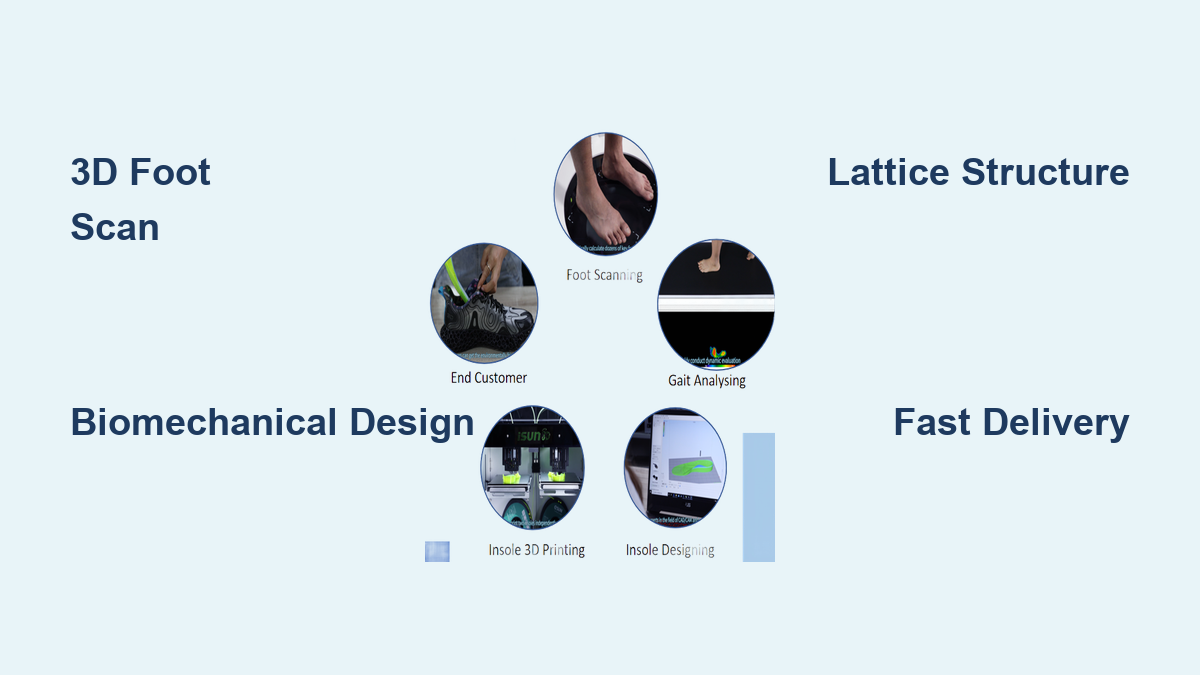
Generic inserts can’t correct complex gait patterns. They may feel supportive at first but don’t address the root cause. Custom orthotics, made from gait analysis or 3D scans, are engineered to guide your foot into a healthier motion path.
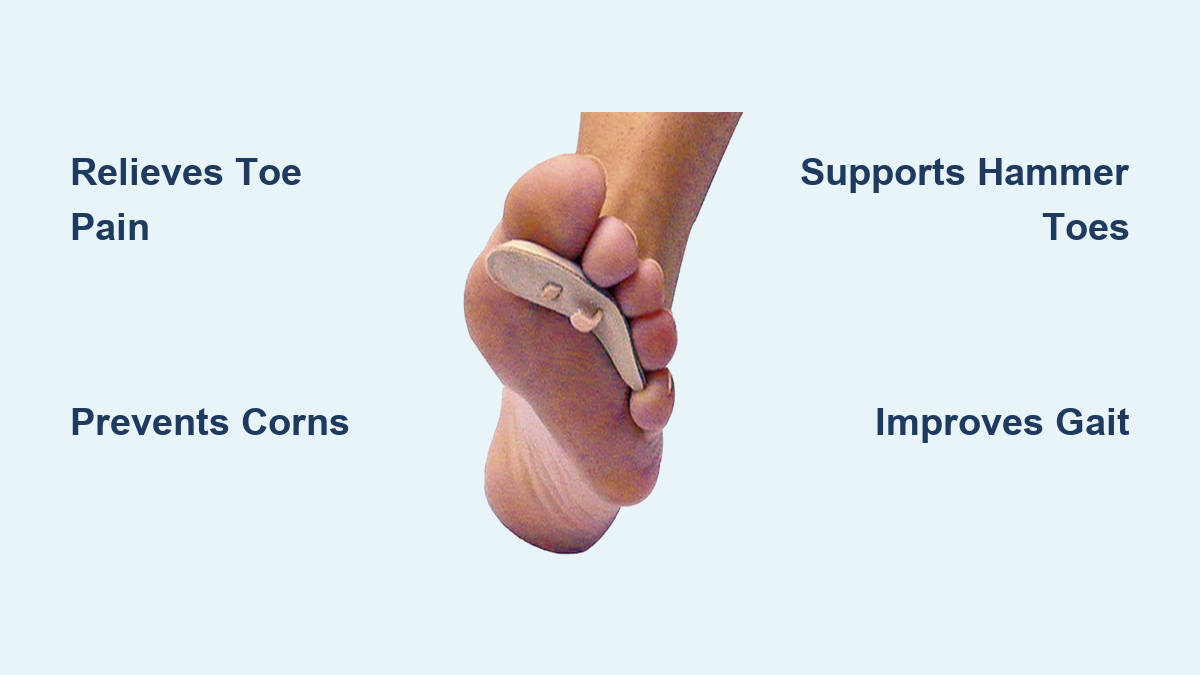
You Have Visible Foot Deformities Like Bunions or Hammertoes
Bunions, hammertoes, or collapsing arches aren’t just cosmetic issues—they change how your foot bears weight and increases pressure on vulnerable areas.
How Custom Orthotics Help
Custom orthotics can:
– Reduce pressure on bunion joints
– Prevent hammertoes from worsening
– Support fallen arches and slow progression
Unlike OTC insoles, which may press against painful areas, custom devices are molded to avoid high-pressure zones and redistribute weight safely. They work best when paired with proper footwear.
Don’t Wait Until It’s Severe
Early use of custom orthotics may delay or even prevent surgery. If you notice your toe drifting toward the others or pain when wearing normal shoes, see a specialist before the deformity becomes rigid.
You Have Diabetes or Nerve Damage

If you have diabetes—especially with neuropathy—never rely on OTC insoles without medical advice.
Why Custom Orthotics Are Lifesaving
Diabetic neuropathy causes numbness, so you may not feel blisters, pressure sores, or ulcers forming. Custom orthotics:
– Eliminate hot spots by distributing pressure evenly
– Prevent shear forces that damage fragile skin
– Are made to avoid seams or edges that could cause injury
Studies confirm custom insoles reduce the risk of first-time foot ulcers in diabetic patients—something OTC inserts can’t guarantee.
Insurance Often Covers Them
Because they’re medically necessary, many insurance plans cover custom orthotics for diabetic patients. You’ll need a prescription and documentation from a podiatrist, but the investment protects your long-term foot health.
You Keep Spraining Your Ankle or Losing Balance
Frequent ankle sprains, shin splints, or unexplained falls aren’t just bad luck—they may signal poor foot stability.
Who Benefits Most
Custom orthotics are especially helpful for:
– Runners with recurring stress injuries
– Older adults over 65 with balance issues
– People with neurological conditions affecting gait
Semi-rigid or soft orthotics improve stability, reduce postural sway, and enhance walking confidence. For older adults, this can mean fewer falls and greater independence.
Not Just for Athletes
Even if you’re not active, poor balance increases fall risk. Custom orthotics improve foot-to-brain feedback, helping you stay steady on uneven surfaces or when standing for long periods.
You’ve Tried OTC Insoles and Still Have Pain
You’ve given OTC insoles a fair shot—maybe even multiple brands—but your pain hasn’t improved.
The 2–4 Week Rule
Give OTC insoles a trial period of 2 to 4 weeks of daily use. If you still have:
– Persistent foot fatigue
– Pain during or after walking
– Discomfort that limits your activity
…it’s time to see a specialist. Continuing with ineffective inserts can worsen alignment issues and delay proper treatment.
Beware of “Fake” Custom Insoles
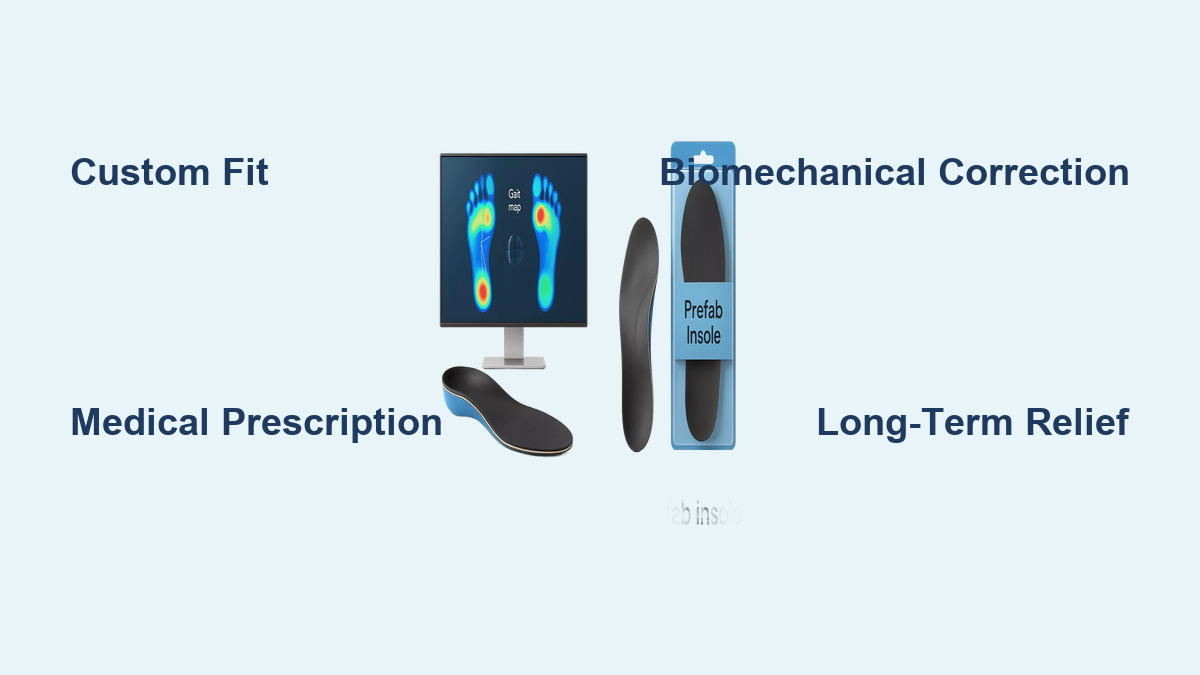
Some online brands claim to offer “custom” orthotics based on foot photos or pressure mats. These are often just slightly adjusted OTC inserts. True custom orthotics require a podiatrist’s evaluation, mold, or 3D scan. Don’t waste money on products that can’t address your specific biomechanics.
When to See a Specialist
If foot pain is holding you back, don’t guess. A foot and ankle specialist can determine the best solution through:
Clinical Foot Exam and Gait Analysis
The doctor will:
– Inspect your foot structure
– Check joint mobility
– Observe your walking pattern
– Use pressure-mapping systems to see where stress builds
Imaging and Casting
X-rays or scans rule out fractures or arthritis. Then, your foot is casted or scanned to create a precise orthotic model.
Final Signs You Need Custom Orthotics
You should consider custom orthotics if you have:
1. Persistent foot pain after 4 weeks of OTC use
2. Diagnosed plantar fasciitis, heel spurs, or shin splints
3. Flat feet with knee or back pain
4. High arches and frequent ankle sprains
5. Visible bunions or hammertoes
6. Diabetes with numbness or ulcer history
7. Balance issues or falls
8. Chronic joint pain linked to walking
9. Abnormal shoe wear or gait patterns
10. Need for long-term, durable support
Final Note: OTC insoles work well for mild discomfort and prevention, especially in people with neutral arches. But when pain is chronic, structural, or tied to systemic conditions like diabetes, custom orthotics are the smarter, safer choice. They’re not just inserts—they’re medical devices designed to correct, protect, and prevent. If foot pain is holding you back, don’t guess. See a podiatrist, get evaluated, and take the first step toward lasting relief.