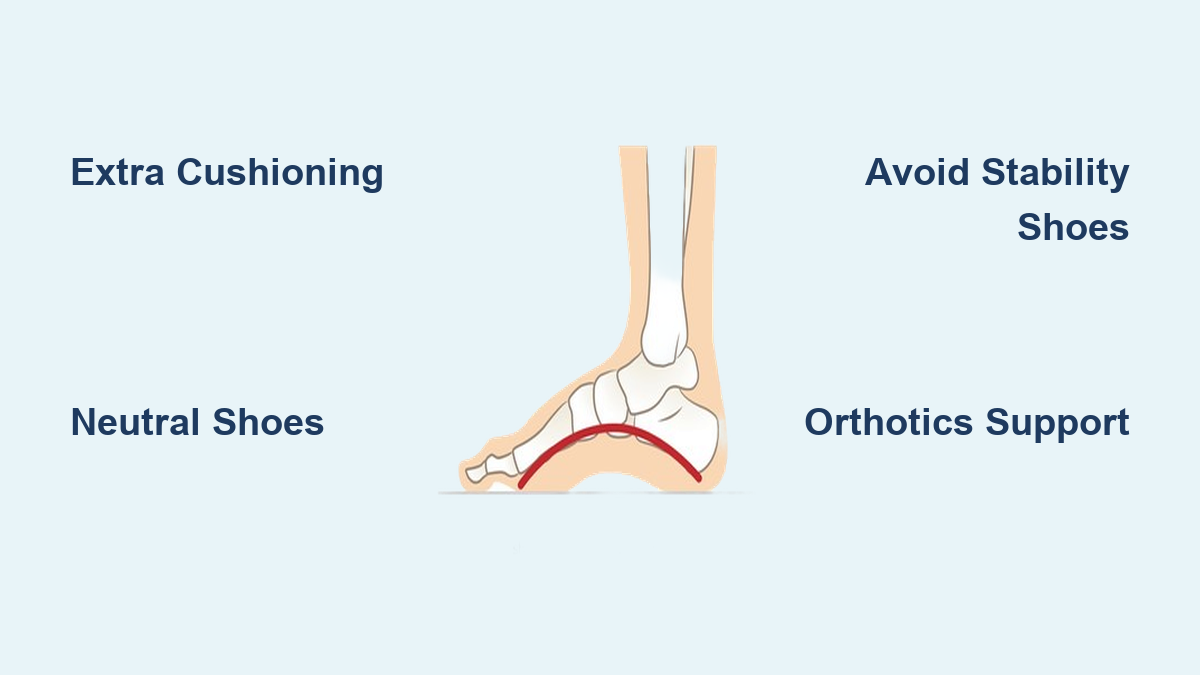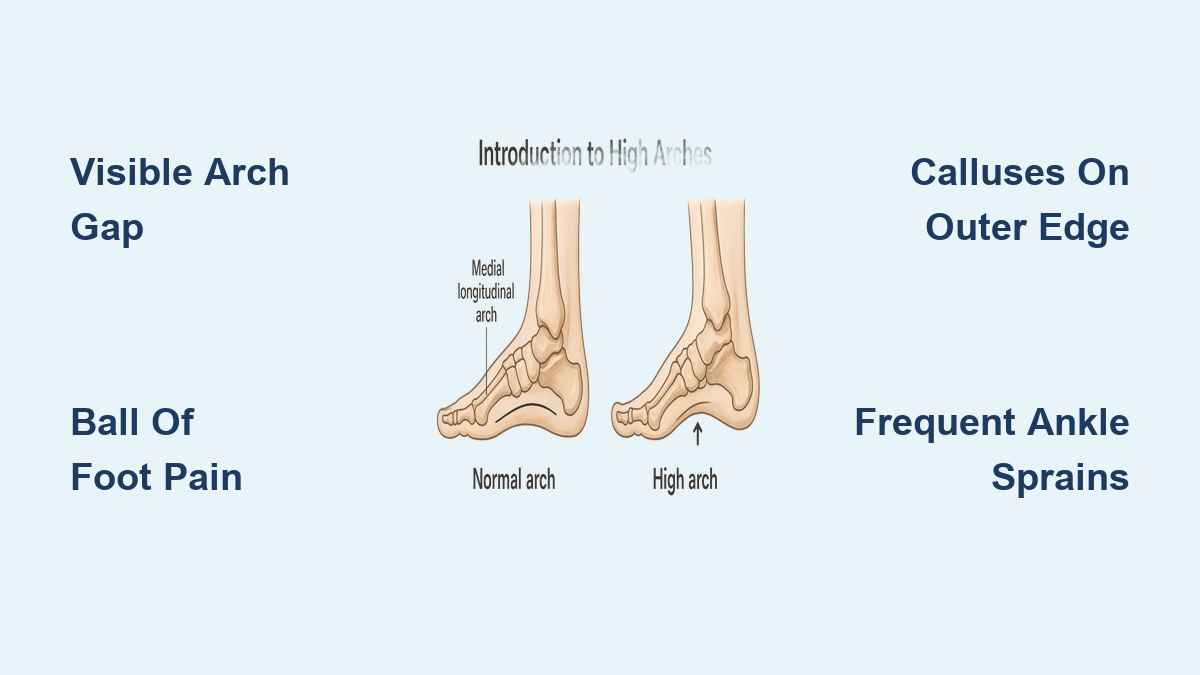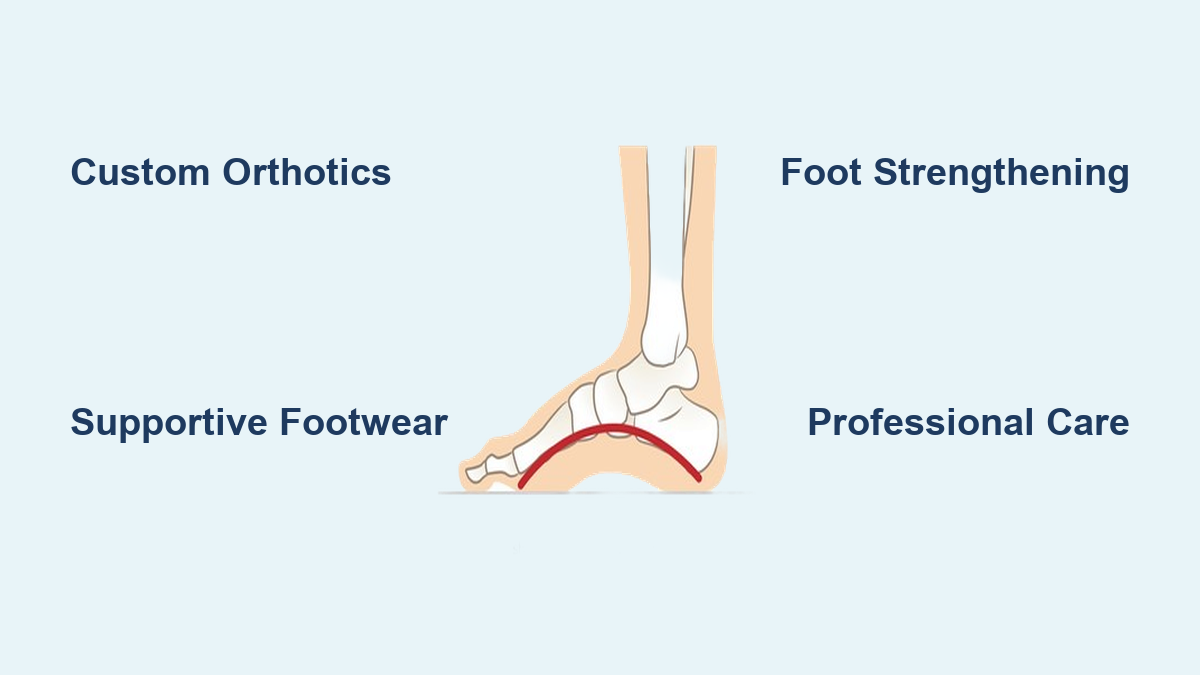
Do you struggle with nagging lower back pain that never seems to go away—no matter how many core workouts or posture corrections you try? The root cause might not be in your back at all. It could start much lower: in your feet. High arches, medically known as pes cavus, affect roughly 20% of people and can trigger a domino effect of misalignment that travels up the body, ultimately leading to chronic back pain. When your arches are too high, your feet lose their natural ability to absorb shock, forcing your spine to absorb the impact of every step. This disrupts your posture, strains your muscles, and over time, leads to persistent discomfort that’s hard to shake.
The connection lies in the kinetic chain—the interconnected system of joints and muscles from your feet to your spine. High arches often cause supination (underpronation), where your foot rolls outward during walking or standing. This throws off your ankle, knee, and hip alignment, which in turn tilts your pelvis forward and exaggerates the curve in your lower back. The result? Overworked back muscles, compressed spinal discs, and recurring pain that won’t respond to typical treatments. But the good news is: you can break this cycle. With the right combination of supportive footwear, custom orthotics, targeted exercises, and professional care, you can stabilize your arches, realign your body, and finally relieve—or even prevent—back pain. This guide gives you a science-backed, step-by-step plan to support high arches effectively and protect your spine.
Choose Footwear That Stabilizes High Arches
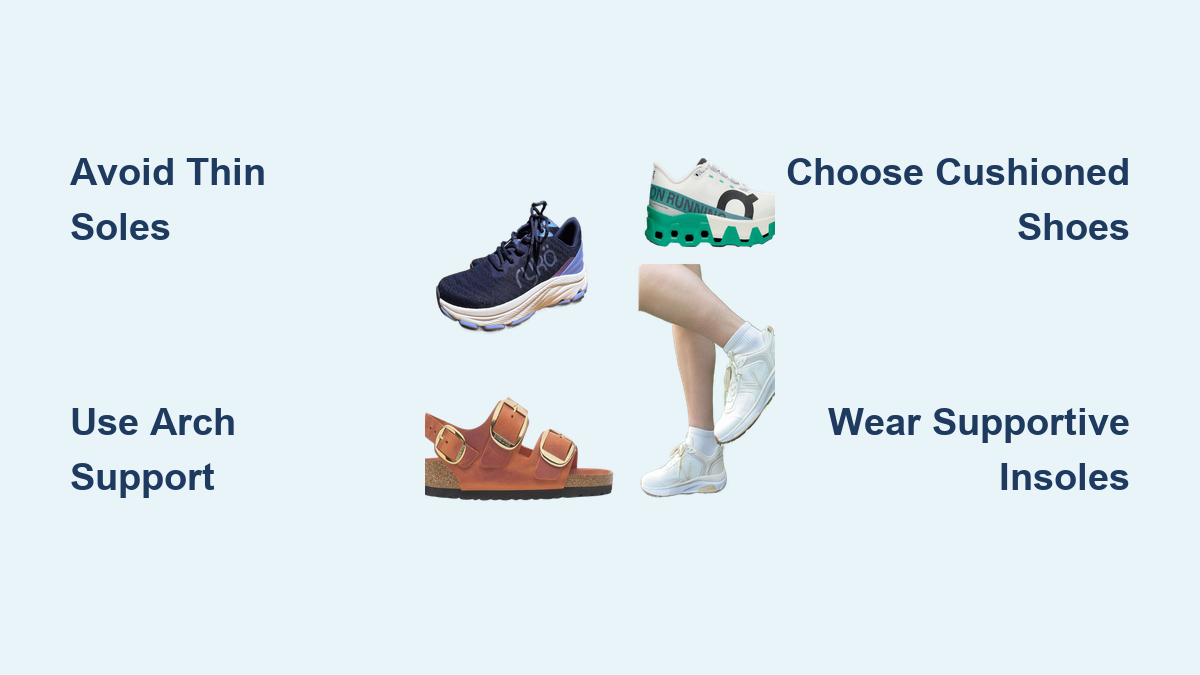
The shoes you wear play a critical role in either supporting or worsening high arches. Wearing unsupportive footwear increases instability, worsens supination, and amplifies stress on your spine with every step.
Features of the Best Shoes for High Arches
Not all shoes are created equal. Look for these key features to ensure proper support:
– Firm heel counter: Provides rearfoot stability and reduces excessive motion.
– Built-in arch support: Reinforces your high arch without collapsing under pressure.
– Cushioned midsole and heel: Absorbs impact forces, reducing strain on your lower back.
– Removable insole: Makes room for custom orthotics without crowding your foot.
– Wide toe box: Allows your toes to spread naturally, improving balance and reducing pressure.
– Low heel-to-toe drop: Minimizes forward lean and helps maintain a neutral pelvic position.
Avoid flat shoes, narrow heels, and stiff soles—they offer little to no shock absorption and can worsen supination.
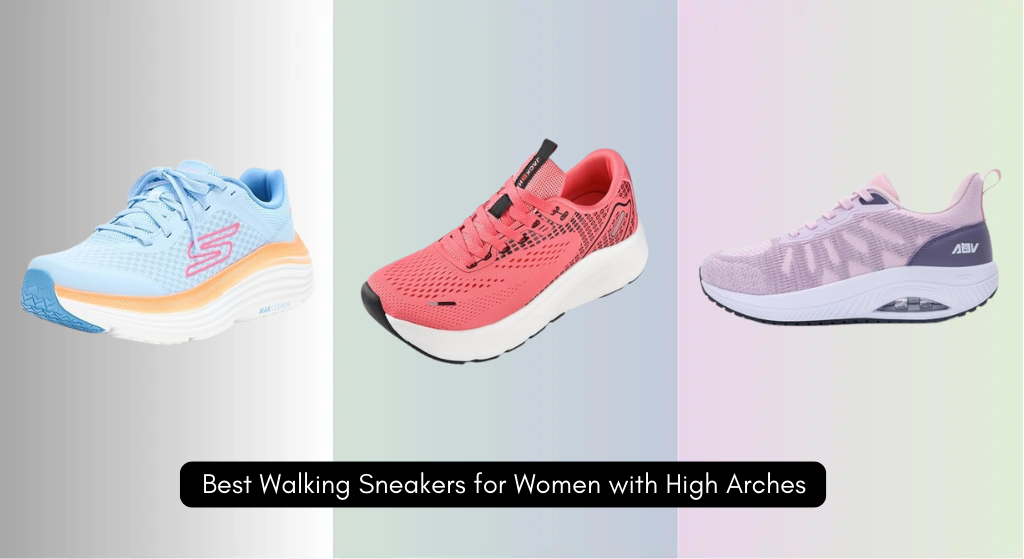
Top Shoe Recommendations

Prioritize models designed for cushioning and stability:
– ASICS Gel-Nimbus and Brooks Ghost: Ideal for runners; offer plush cushioning and smooth heel-to-toe transitions.
– Hoka One One Bondi: Maximalist cushioning perfect for long periods of standing or walking.
– New Balance 990 series: Durable, structured, and orthotic-friendly for daily wear.
– Dansko Professional Clogs: Excellent for work environments; feature a deep heel cup and firm arch support.
Always test shoes with your orthotics or insoles inside to ensure a proper fit and avoid discomfort.
Use Custom Orthotics and High-Arch Insoles
Over-the-counter inserts often fail people with high arches because they don’t match the unique height and shape of the foot. Without proper support, your foot remains unstable, and your back continues to endure the strain.
Why Custom Orthotics Are the Gold Standard
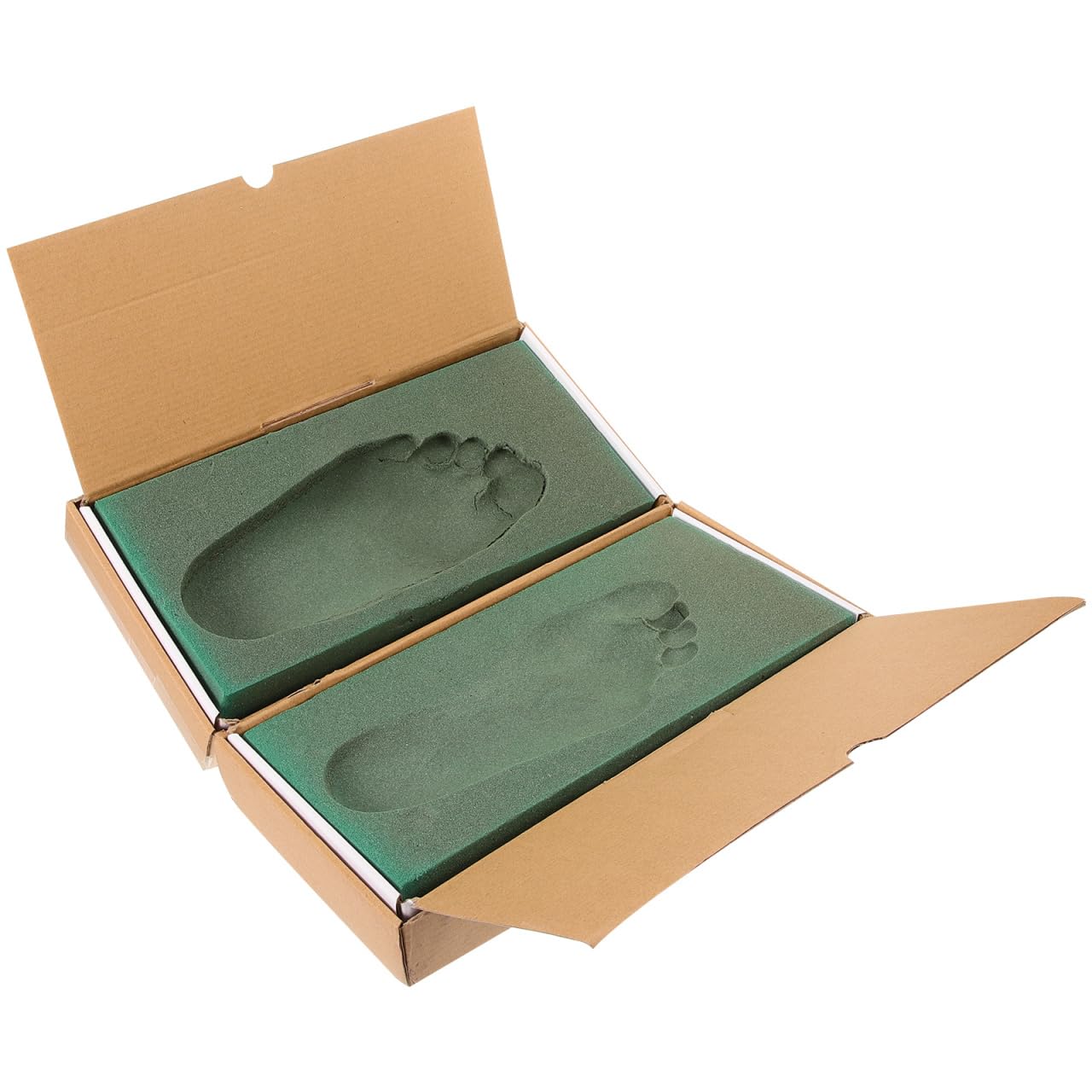
Custom orthotics, prescribed by a podiatrist, are molded to your exact foot structure. They:
– Fill the gap under your arch to distribute weight evenly.
– Stabilize your heel with a deep cup, reducing lateral sway.
– Correct supination by guiding your foot into a neutral position.
– Reduce strain on your knees, hips, and lower back by aligning the kinetic chain.
Studies show that custom orthotics can reduce back pain in high-arched individuals by up to 40% within 12 weeks.
Best Over-the-Counter Insoles for Mild Cases
If custom orthotics aren’t immediately accessible, consider these reliable OTC options:
– PowerStep Pinnacle High: Designed specifically for high arches; combines firm arch support with deep heel cushioning.
– Tread Labs Ramble or Pace (High/Extra-High Arch): Color-coded by arch height, ensuring a precise fit.
– Superfeet Green: Offers strong support but may be too rigid for very high arches—best for medium-to-high arches.
Pro Tip: Never use flat, generic insoles. They collapse under high arches and offer zero support.
Strengthen Your Feet and Hips to Improve Gait
Weak intrinsic foot muscles and poor hip stability worsen supination, leading to pelvic tilt and increased spinal stress. Strengthening these areas is essential to correct gait imbalances.
Foot and Ankle Strengthening Exercises
Start with simple daily exercises:
– Towel Scrunches: Place a towel on the floor. Use your toes to pull it toward you. Do 3 sets of 15 reps.
– Toe Curls: Pick up marbles or small objects with your toes to improve arch control.
– Heel Raises (Calf Raises): Rise onto your toes, hold for 2 seconds, then lower slowly. Do 3 sets of 12. Progress to single-leg raises.
These exercises strengthen the plantar fascia and tibialis posterior, muscles crucial for arch stability.
Balance and Proprioception Training
Improve stability with:
– Single-Leg Stands: Balance on one foot for 30 seconds. Repeat 3 times per leg.
– Foam Pad Balance: Stand on a foam mat or folded towel to challenge your balance.
– Heel-to-Toe Walk: Walk in a straight line, placing your heel directly in front of your toes. Enhances gait control.
Perform these daily to retrain your nervous system and reduce fall risk.
Hip and Core Stability Exercises
Weak glutes and tight hip flexors pull your pelvis forward, increasing lower back curve. Fix this with:
– Clamshells: Lie on your side, knees bent. Lift the top knee while keeping feet together. Do 3 sets of 15 per side.
– Glute Bridges: Lie on your back, knees bent. Lift hips until your body forms a straight line. Squeeze glutes at the top.
– Bird-Dog: On hands and knees, extend opposite arm and leg. Hold for 5 seconds. Builds core control.
These exercises reduce lumbar lordosis and prevent compensatory back strain.
Stretch and Massage to Release Tension

Tight muscles pull your body out of alignment. High arches often lead to tight calves, hamstrings, and plantar fascia, which contribute to back pain by altering pelvic position.
Daily Stretching Routine
Incorporate these stretches:
– Calf Stretch (Gastrocnemius and Soleus):
– Stand facing a wall, one foot forward, one back.
– Keep back heel down, knee straight (gastrocnemius); bend knee (soleus).
– Hold 30 seconds per leg, 2 reps.
– Plantar Fascia Stretch:
– Sit, cross one foot over the other.
– Pull toes back toward shin. Hold 30 seconds per foot.
– Hamstring Stretch:
– Sit with one leg extended. Reach toward toes without rounding your back. Hold 30 seconds per side.
– Hip Flexor Stretch (Kneeling Lunge):
– Kneel on one knee, other foot forward. Tuck pelvis and lean forward. Hold 30 seconds per side.
Stretching daily reduces anterior pelvic tilt and eases pressure on the lower back.
Self-Massage Techniques
Relieve tightness with:
– Golf Ball or Massage Ball Roll: Sit barefoot, place a ball under your arch. Roll slowly for 1–2 minutes per foot.
– Foam Rolling: Roll calves and hamstrings for 30–60 seconds per leg.
– Percussion Massager: Apply to calves, glutes, and lower back to reduce muscle fatigue.
Warning: Avoid aggressive massage if you have neuropathy or circulation issues.
Apply Taping or Bracing for Immediate Support
Sometimes you need extra mechanical support—especially during activity or recovery.
Low-Dye Taping for Arch Support
Kinesiology or athletic tape can temporarily support the arch:
– Applies gentle upward force to the plantar fascia.
– Mimics orthotics during sports or long walks.
– Must be applied correctly—see a physical therapist for training.
Many users report improved alignment within 24 hours.
When to Use Bracing
For severe instability or neurological causes, a foot/ankle orthosis (FAO or AFO) may be needed:
– Provides rigid support to prevent foot drop and supination.
– Worn inside shoes; prescribed by a specialist.
– Essential for unilateral high arches or progressive conditions.
Bracing prevents falls and protects joints.
Seek Professional Care for Lasting Relief
Self-care helps, but professional guidance ensures you’re treating the root cause.
See a Podiatrist
A podiatrist can:
– Confirm high arches with gait analysis and foot imaging.
– Prescribe custom orthotics.
– Treat related issues like plantar fasciitis or hammertoes.
Work with a Physical Therapist
A physical therapist can:
– Perform video gait analysis.
– Design a personalized exercise program.
– Use manual therapy to release tight tissues.
Therapy typically reduces back pain within 6–8 weeks.
Consider Chiropractic Care
Chiropractors understand the foot-spine connection. They may:
– Adjust spinal misalignments.
– Recommend orthotics.
– Treat nerve irritation from pelvic tilt.
Rule Out Neurological Causes
Sudden or one-sided high arches may signal:
– Charcot-Marie-Tooth disease
– Stroke
– Diabetic neuropathy
Early diagnosis is critical.
Prevent Back Pain with Smart Lifestyle Adjustments
Even with orthotics and exercises, daily habits matter.
Reduce Standing Strain
- Use anti-fatigue mats.
- Shift weight frequently.
- Wear supportive shoes—never stand barefoot on hard floors.
Improve Posture and Ergonomics
- Practice neutral spine alignment.
- Use a sit-stand desk.
- Choose a supportive office chair.
Rotate Your Shoes
Wear 2–3 pairs of supportive shoes to extend their life and maintain cushioning.
Final Note: High arches don’t have to mean chronic back pain. By supporting your feet with custom orthotics, proper shoes, targeted exercises, and professional care, you can correct the root cause of your discomfort. Every step you take sends a signal up your body—make sure it’s one of stability, not strain. Start today, and take back control of your posture, your movement, and your pain-free life.