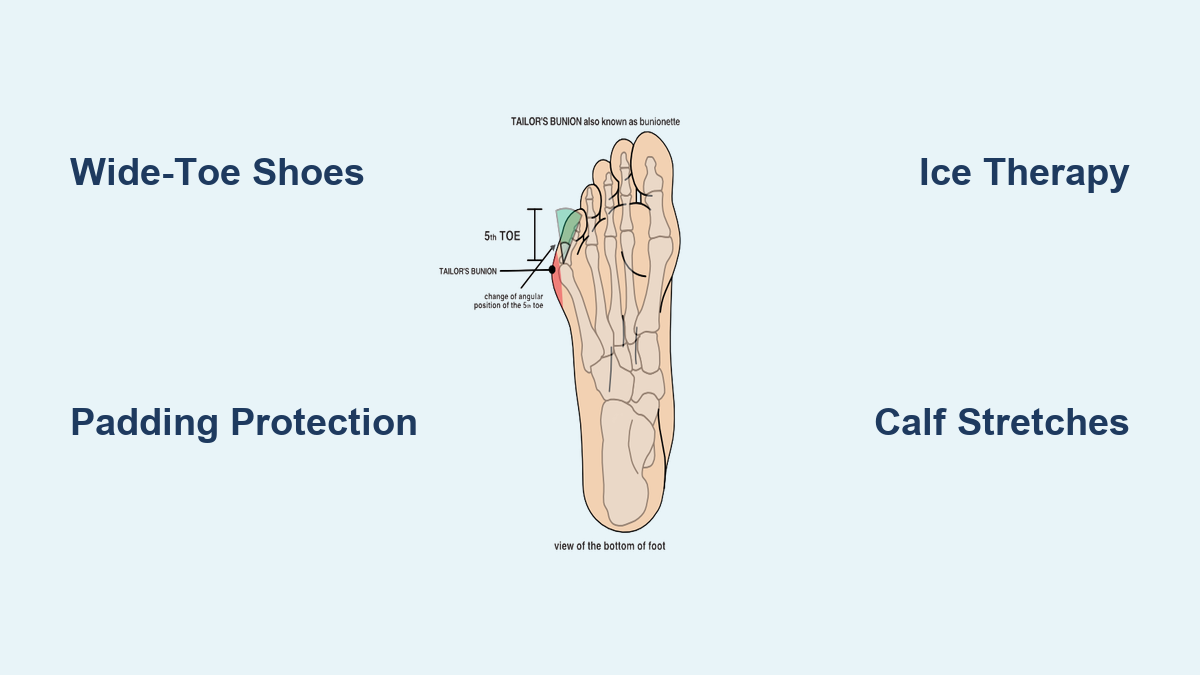
If you’ve ever taken a step in tight shoes and felt a sharp jab from your bunion, you know the discomfort all too well. Bunion pain—often throbbing, burning, or aching at the base of the big toe—flares up when rigid or narrow footwear presses directly on the bony protrusion caused by hallux valgus, a common foot deformity. This condition forces the big toe inward, crowding the other toes and creating a sensitive bump that rubs painfully against shoe material. While bunions don’t disappear on their own, you can stop bunion pain in tight shoes with practical, immediate fixes and long-term strategies that protect your feet without sacrificing style or mobility.
The good news? Relief doesn’t mean retiring your favorite pair of shoes. Simple changes—like using gel pads, adjusting laces, or stretching your footwear—can make even snug shoes wearable again. More importantly, adopting bunion-friendly habits, such as wearing wide-toe-box shoes and strengthening foot muscles, can prevent future flare-ups. In this guide, you’ll learn how to reduce pressure, ease inflammation, and walk comfortably—even if you’ve been living with bunion pain for years.
Choose Wide-Toe-Box Shoes to Prevent Pressure
Wearing narrow or pointed shoes is like forcing your toes into a packed elevator—everything gets squeezed, especially the bunion. The most effective long-term solution? Switch to wide-toe-box shoes that allow your toes to lie flat and spread naturally.
Look for True Width Labels: W, XW, or 2E–4E+
Don’t rely on the word “wide” alone—check the actual width designation. Opt for shoes labeled “Wide” (W) or “Extra Wide” (XW, 2E–4E+), especially if you have a prominent bunion. A true wide shoe expands across the ball of the foot, not just the heel. When standing, there should be about ½ inch (a thumb’s width) between your longest toe and the end of the shoe. This space prevents your toes from being pushed forward into a cramped toe box.
Prioritize Depth and Flexible Uppers
Depth matters just as much as width. A deep toe box stops the bunion from rubbing against the upper lining of the shoe. Choose uppers made from soft leather, suede, or stretchable knit fabrics—these materials naturally conform to your foot shape over time. Avoid stiff synthetics or seams that sit directly over the bunion, as they can cause friction, redness, and even blistering.
Pro tip: Always try on shoes in the evening. Feet swell throughout the day, so fitting them when they’re largest ensures lasting comfort.
Use Bunion Pads for Instant Cushioning

When tight shoes press against your bunion, gel or silicone pads act as a protective barrier, reducing friction and absorbing shock.
Choose the Right Type of Pad
- Gel pads are ideal for daily wear—they conform to your bunion and provide excellent cushioning.
- Silicone toe sleeves wrap around the big toe, offering both padding and gentle realignment.
- Moleskin or fabric pads are thinner and breathable, best for mild irritation or when wearing dress shoes.
Apply Pads Correctly to Avoid More Pressure
Place the pad directly over the bony bump before putting on your shoes. Test the fit with the pad inside—don’t let it make an already tight shoe worse. Replace pads every few weeks, as they lose elasticity and effectiveness over time.
Warning: If the pad increases discomfort, switch to a thinner option or try a different shoe. The goal is relief, not added pressure.
Modify Lacing to Relieve Forefoot Pressure

Even stylish shoes can be made more bunion-friendly with a simple lacing adjustment that creates extra space over the painful area.
Skip the Painful Eyelet
Leave unfastened the eyelet closest to your bunion. This simple step opens up space over the inner forefoot while keeping the heel and midfoot secure.
Try Window Lacing for Targeted Relief
Lace normally until you reach the bunion area. Then, skip the next set of eyelets, forming a “window” over the painful spot. Continue lacing diagonally above. This method reduces pressure precisely where you need it most.
Loosen the Front, Keep the Heel Tight
Keep laces snug around the heel and arch to prevent slippage, but loosen the forefoot section to allow natural toe splay. This balance prevents blisters while reducing bunion pain.
Bonus: Combine this with wide-toe-box shoes for maximum comfort.
Stretch Tight Shoes at Home for More Room
Don’t toss tight shoes yet—stretch them to add space where your bunion needs it most.
Use the Freeze Method for Leather Shoes
Fill a zip-top bag with water, place it in the toe box near the bunion, and freeze overnight. As the water turns to ice, it expands and gently widens the shoe. This works best on leather, suede, or soft nubuck.
Warm and Wear for Flexible Materials
Put on thick socks, then use a hairdryer to heat the tight part of the shoe—especially the leather around the bunion. Walk in them until they cool, molding the material to your foot.
Try the Tennis Ball Trick for Depth
Insert a tennis ball into the toe box and leave it overnight. The pressure slowly pushes the upper outward, increasing depth and reducing pressure on the bunion.
Note: Avoid stretching synthetic or glued shoes—they may crack or come apart.
Wear Low or Zero-Heel Shoes to Reduce Forefoot Load

High heels shift your weight forward, doubling pressure on the bunion joint. Every extra inch in heel height sends more force to the ball of the foot.
Limit Heel Height to 1.5 Inches
Heels over 2 inches can send up to 75% of your body weight to the forefoot. This forces the big toe into the shoe’s side, worsening pain and potentially accelerating deformity.
Choose Flat or Zero-Drop Styles
Zero-drop shoes keep your heel and forefoot level, reducing joint stress. Look for supportive flats with cushioned soles and built-in arch support. Brands like Bared Footwear and Charleston Shoe Co. offer stylish options designed for bunion comfort.
Opt for Heel-Free Sandals with Secure Straps
Backless sandals with ankle or adjustable straps keep your foot stable without toe gripping. Avoid flip-flops—they lack support and encourage clawing, which strains the bunion joint.
Expert tip: If you must wear heels, stick to under 1 inch and wear them for no more than 2 hours at a time.
Insert Custom Orthotics for Biomechanical Support

Even great shoes need help if your feet roll inward (overpronate)—a major contributor to bunion formation.
Why Orthotics Help
Custom orthotics correct flat feet, reduce overpronation, and redistribute pressure away from the bunion. They also improve alignment of the big toe joint, slowing progression.
Choose Between OTC and Custom-Made
- Over-the-counter insoles (e.g., Powerstep, Superfeet) offer mild support for early-stage pain.
- Custom orthotics, prescribed by a podiatrist, are molded to your foot and provide long-term correction.
Important: Ensure your shoes have removable insoles to fit orthotics without crowding.
Apply Toe Spacers for Daily Relief
Toe spacers gently separate the big toe from the second toe, reducing pressure and improving alignment.
Best for Flexible, Early-Stage Bunions
Spacers like Correct Toes or YogaToes work best when the joint still moves. They won’t reverse the deformity, but may slow progression and improve comfort.
Wear with Roomy Shoes
Use spacers inside wide-toe-box shoes. Never force them into tight footwear—they should feel supportive, not painful.
Reality check: No evidence shows spacers cure bunions. Use them for symptom relief, not structural correction.
Ice and Elevate After Wearing Tight Shoes
If your bunion feels hot, swollen, or tender after wearing tight shoes, cool it down to reduce inflammation.
Ice for 10–15 Minutes, 2–3 Times Daily
Wrap an ice pack in a thin towel and apply directly to the bunion. This numbs pain and reduces swelling.
Elevate to Drain Fluid and Reduce Pressure
Lie down and raise your foot above heart level for 15–20 minutes. This helps reduce swelling, especially after long periods of standing.
Pro tip: Combine icing with gentle toe stretches for faster recovery.
Do Daily Foot Strengthening Exercises
Weak foot muscles contribute to poor alignment. Strengthening them helps stabilize the bunion joint.
Try These Simple Moves
- Toe stretches: Gently pull your big toe away from the others. Hold 10 seconds, repeat 5–10 times.
- Towel curls: Scrunch a towel toward you using only your toes—3 sets of 10.
- Marble pickups: Use toes to pick up marbles and drop them in a cup.
- Big toe mobilization: Manually move the joint through its full range.
Best time: Do exercises barefoot in the morning or before bed.
Wear Seamless, Non-Restrictive Socks
Even socks can aggravate bunions. Choose seamless socks made from moisture-wicking blends like merino wool or Coolmax. Avoid cotton—it holds moisture and increases blister risk.
Tip: Pair seamless socks with gel pads for double protection.
Maintain a Healthy Weight to Reduce Foot Load
Every extra pound adds 3–4 pounds of pressure to your forefoot with each step. Losing just 5–10 pounds can significantly reduce bunion strain.
Long-term benefit: Weight management supports overall foot health and reduces recurrence risk.
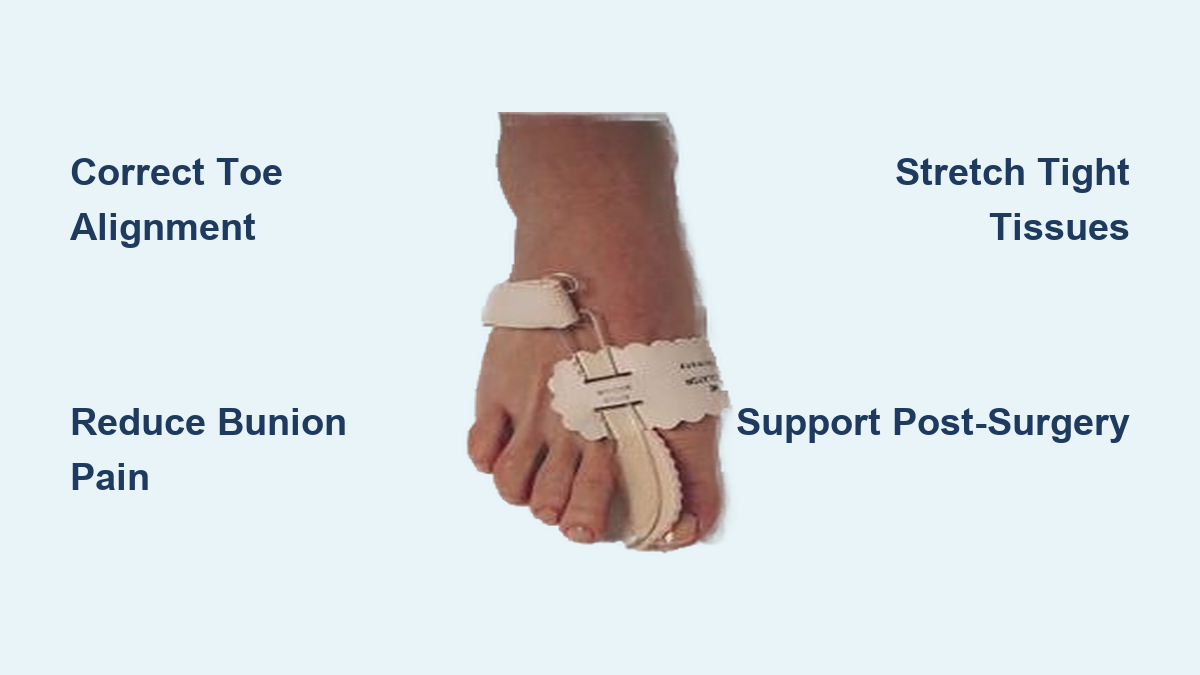
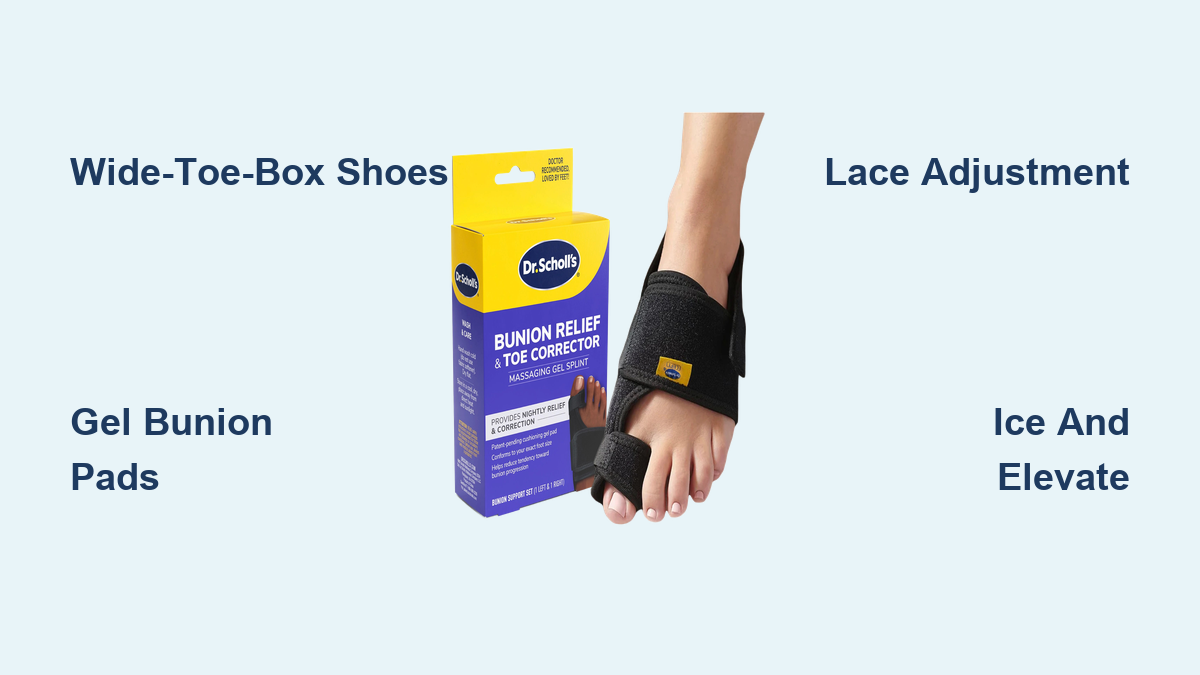
Use Night Splints for Morning Comfort
Wear a bunion splint at night to keep your big toe aligned. While it won’t reverse the deformity, it may reduce stiffness and pain upon waking.
Use wisely: Splints are comfort tools, not cures.
Know When to See a Podiatrist
If pain persists despite changes, or if the joint becomes stiff or immobile, see a podiatrist. Specialists like Dr. Eric Blanson (TX), Dr. Errol Gindi (NY), or Neuhaus Foot & Ankle can assess your condition with X-rays and recommend custom orthotics or surgery if needed.
Consider Surgery as a Last Resort
When conservative methods fail, bunionectomy surgery may be an option. It removes the bony bump and realigns the joint. Recovery takes 6–12 weeks, and lifelong footwear changes are still essential to prevent recurrence.
Final Tips to Prevent Future Flare-Ups
Stopping bunion pain starts with awareness—but preventing it long-term requires consistency:
– Prioritize fit over fashion
– Break in new shoes gradually
– Inspect shoes for wear
– Go barefoot at home to strengthen feet
Remember: Tight shoes don’t cause bunions alone, but they definitely make them worse. Genetics load the gun—footwear pulls the trigger.
You don’t have to live with bunion pain. By choosing the right shoes, using protective pads, modifying laces, and strengthening your feet, you can walk comfortably—even in shoes that once felt unbearable. Start with one change today: swap your tight pair for a wide, flat shoe with a gel pad. That small step could be the beginning of lasting relief.