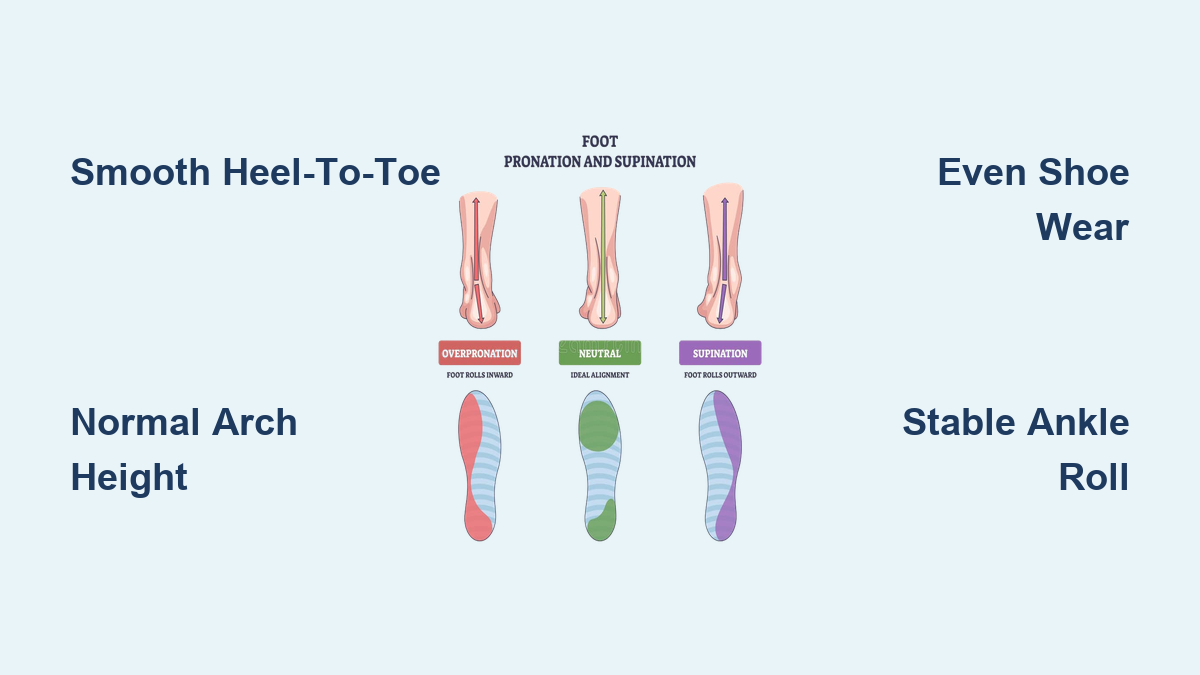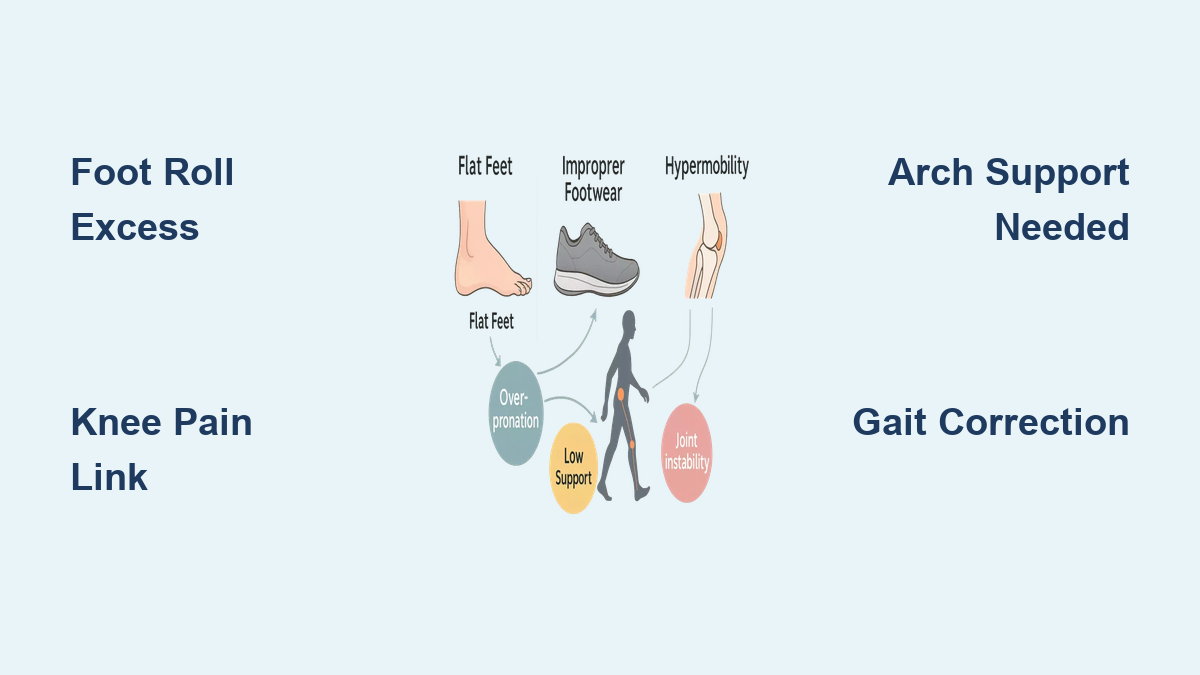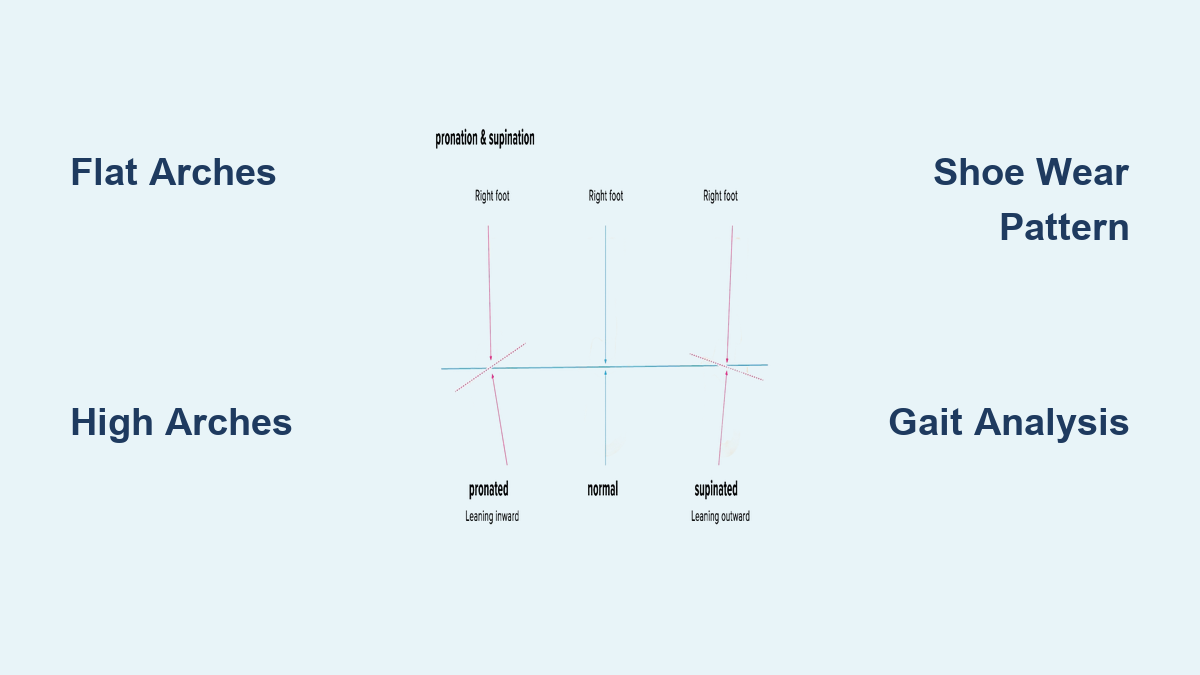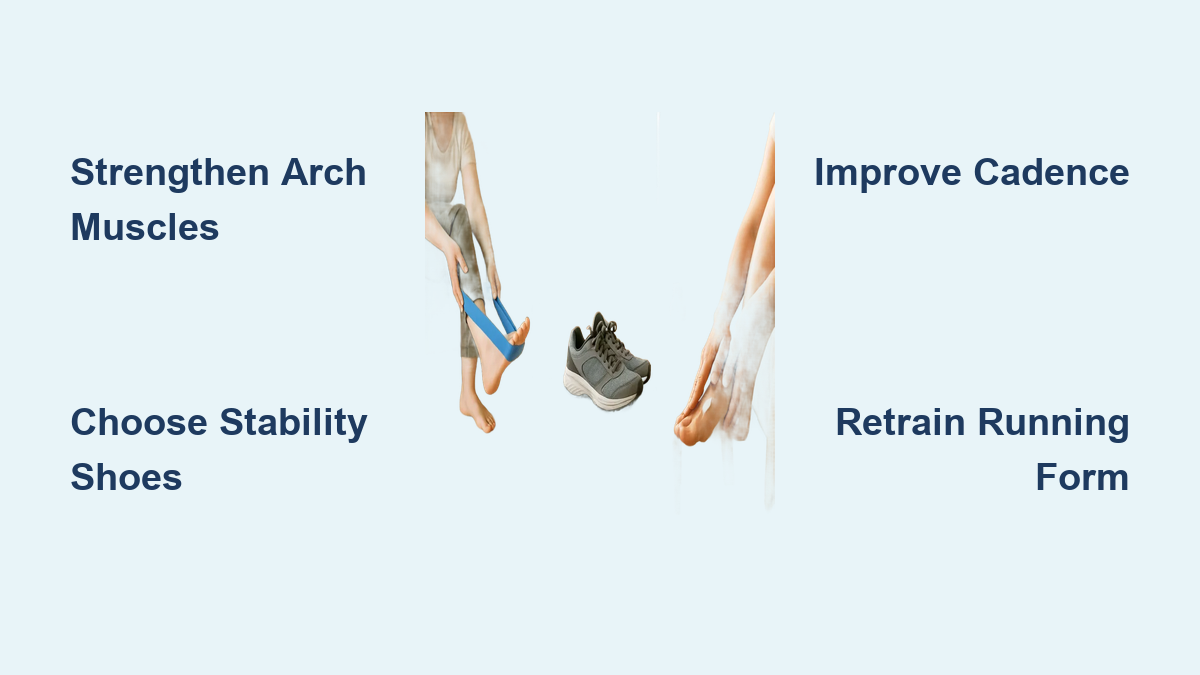
If your feet roll inward excessively when you run—leading to tired arches, sore shins, or nagging knee pain—you’re likely dealing with overpronation when running. This common biomechanical issue affects millions of runners and can silently increase your risk of injury over time. While some foot roll is natural and essential for shock absorption, excessive inward motion disrupts your body’s alignment, reduces propulsion efficiency, and places strain on joints from your ankles to your lower back. The good news? Overpronation isn’t a permanent flaw. With the right combination of targeted exercises, supportive footwear, and gait awareness, you can correct the motion, stabilize your stride, and run stronger, longer, and pain-free. This guide delivers science-backed strategies to help you prevent overpronation, improve running form, and stay injury-free.
Identify the Signs of Overpronation Early
Catching overpronation early can prevent long-term damage. Left uncorrected, it leads to repetitive stress injuries that sideline even the most dedicated runners.
Spot the Warning Signs
Key indicators include:
– Flat-looking arches when standing barefoot
– Excessive wear on the inner edge of your running shoes—especially near the big toe and heel
– Foot or ankle fatigue after short runs
– Pain along the inner arch, heel, shin, or knee
– Knee cave, where your knees collapse inward during stance or squatting
These symptoms suggest your foot isn’t properly stabilizing your body during impact, forcing other muscles and joints to compensate.
Watch for Common Running Injuries
Overpronation increases your risk of several overuse injuries due to poor shock absorption and altered mechanics:
– Shin splints (medial tibial stress syndrome)
– Plantar fasciitis from overstretched arch tissue
– Achilles tendinopathy caused by heel misalignment
– IT band syndrome from internal tibia rotation
– Runner’s knee (patellofemoral pain) due to poor kneecap tracking
– Stress fractures in the navicular or metatarsal bones
Interestingly, a large study of 927 runners found no direct link between arch height and injury rates, highlighting that how your foot functions dynamically during movement matters more than its static shape.
Get an Accurate Gait Diagnosis

Guessing your foot type can lead to the wrong shoes or missed solutions. A proper diagnosis separates myth from reality.
Get a Professional Gait Analysis
The gold standard for identifying overpronation. Experts use:
– Slow-motion video on a treadmill
– Pressure mapping to analyze force distribution
– 3D motion capture in clinical settings
Available at running specialty stores, physical therapy clinics, and sports medicine centers, this analysis reveals how your foot actually moves—not just how it looks when standing.
Use the Foot Posture Index (FPI)
A clinical tool that evaluates six static foot traits:
1. Talar head visibility
2. Lateral malleolus curve
3. Heel position in frontal plane
4. Navicular alignment
5. Arch height
6. Forefoot-to-rearfoot alignment
A score above +4 indicates overpronation. While helpful, static assessments like FPI don’t replace dynamic gait analysis during running.
Try DIY Checks (With Caution)
Wet Footprint Test
- Wet your foot and step on dark paper.
- Full imprint with no waist = likely flat foot/overpronation
- Thin midsection = high arch (supination)
- Moderate curve = neutral arch
Limitation: Shows foot structure, not motion. Many neutral runners have flat feet.
Inspect Shoe Wear
- Inner sole wear = overpronation
- Outer edge wear = underpronation
- Even wear or heel/ball focus = neutral
Warning: Some shoes wear oddly due to design—always combine wear patterns with other clues.
Strengthen the Muscles That Support Your Arch
Exercises rebuild foot control, activate arches, and correct imbalances that contribute to overpronation.
Activate Your Foot’s Intrinsic Muscles
Weak small foot muscles allow the arch to collapse.
Do Toe Yoga Daily
- Press little toes down, lift big toe—hold 5 sec
- Reverse: big toe down, little toes up
- 10–15 reps per foot, barefoot
Why it works: Trains brain-to-foot connection for better gait control.
Perform the Short Foot Exercise
- Sit with feet flat, barefoot.
- Lift arch upward without curling toes.
- Hold 5 seconds, relax.
- 3 sets of 10–15 reps.
Progress to: Standing, then single-leg.
Try Tripod Push-Ups
- Stand barefoot.
- Press heel, big toe, and little toe into ground.
- Lift arch, hold 5 seconds.
- Repeat 10 times.
Builds the foot’s natural tripod for stability.
Strengthen the Tibialis Muscles
The tibialis posterior is your arch’s main supporter.
Use Banded Gas Pedal Drill
- Loop resistance band around foot.
- Push foot down and inward (like pressing gas).
- Slow return.
- 3–4 sets of 10–15 reps.
Focus on controlled lowering to build endurance.
Do Resistance Band Inversion
- Anchor band, pull foot inward against tension.
- Hold 3–5 seconds.
- 10–15 reps per foot.
Targets tibialis posterior directly.
Try Dorsiflexion with Toe Flex
- Anchor band, loop around foot.
- Flex toes, then pull foot upward.
- Hold 3–5 seconds.
- 10–15 reps.
Improves control during foot strike.
Boost Calf and Ankle Strength
Powerful calves stabilize the rearfoot and reduce excessive roll.
Do Calf Raises
- Rise onto toes, hold 5 seconds.
- Lower slowly.
- 15–20 reps.
Progress to:
– Single-leg
– Off a step (deeper range)
Stretch Tight Calves
- Wall stretch: Back leg straight, lean forward
- Step stretch: Heel hangs off edge
- Hold 30 seconds, 4 reps per leg
Tight calves worsen overpronation—keep them flexible.
Train Towel Scrunches
Builds foot strength and arch control.
Towel Scrunch Drill
- Place towel on floor.
- Use toes to pull it toward you.
- 5 reps per foot.
Add challenge: Place a light weight on the towel.
Towel Pull with Arch Lift
- Same motion, but lift arch as you pull.
- Engages windlass mechanism for push-off.
Fix Hip Weakness
Weak glutes cause knee cave, worsening foot roll.
Do Clamshells
- Lie on side, knees bent.
- Lift top knee, keep feet together.
- 10–15 reps per side.
Add band for more resistance.
Perform Glute Bridges
- Lie on back, knees bent.
- Lift hips, squeeze glutes.
- Hold 3 seconds.
- 10–15 reps.
Try Single-Leg Hold Bridge
- At peak of bridge, lift one foot.
- Hold 3–5 seconds, switch.
- 12–15 reps per side.
Improves pelvic stability.
Add Band Walks
- Loop band around ankles.
- Slightly squat, step sideways or forward.
- 10–15 steps per direction, 3–4 sets.
Activates gluteus medius—key for knee alignment.
Improve Balance and Stability
Running is single-leg balance. Train it.
Try Single-Leg Bosu Lunge
- Stand on Bosu (dome up), one foot.
- Lunge forward, knee over ankle.
- Return with control.
- 10–12 reps per leg.
Mimics running stance on unstable surface.
Practice Arch Activation While Balancing
- Stand on one foot.
- Actively lift the arch while holding balance.
- Hold 30 seconds, 3 reps.
Builds real-time arch control.
Choose the Right Running Shoes

Footwear can reduce overpronation by 2–3 degrees—enough to prevent injury.
Pick Stability or Motion Control Shoes
For Mild to Moderate Overpronation
- Stability shoes (e.g., Brooks Adrenaline GTS 25)
- Use medial post or dual-density foam
For Severe Overpronation or Flat Feet
- Motion control shoes (e.g., ASICS Gel-Kayano 32)
- Firmer structure, stiffer heel
Note: Save lightweight racers for race day—they lack support.
Top Stability Shoes for Overpronators
- Brooks Adrenaline GTS 25 – GuideRails tech
- Saucony Tempus 2 – Balanced cushion + support
- ASICS Gel-Kayano 32 – 4D Guidance + medial post
- HOKA Gaviota 6 – J-Frame for smooth roll
- New Balance 860v14 – Reliable medial post
Replace every 300–500 miles—worn shoes lose support.
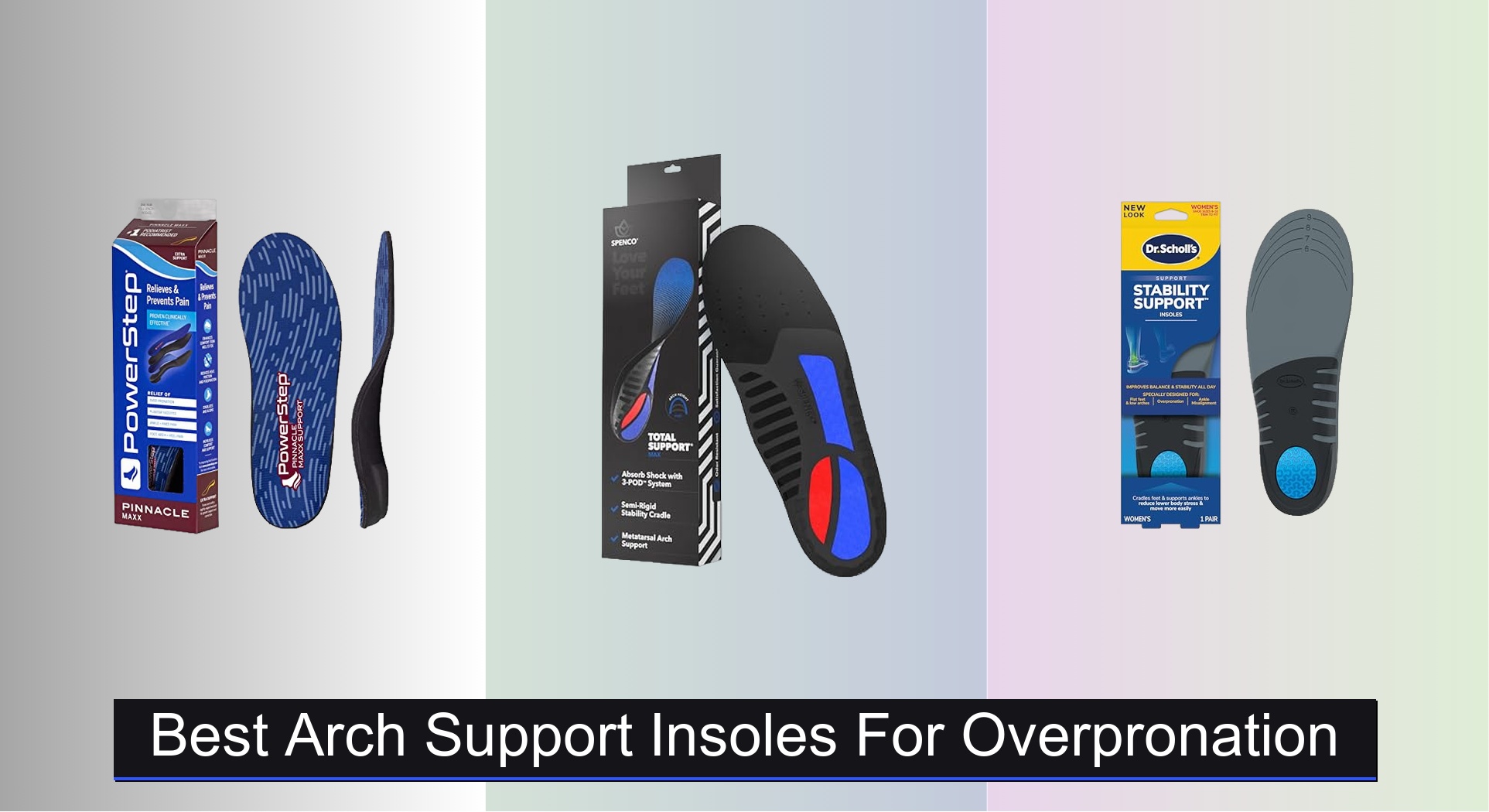
Use Orthotics and Insoles Wisely
Insoles can help—but aren’t always the answer.
OTC vs. Custom Orthotics
- No strong evidence that custom orthotics beat OTC for most runners
- OTC insoles (e.g., PowerStep Pinnacle Maxx) work well for mild to moderate cases
- Custom orthotics may be needed for:
- Severe structural issues
- Post-injury rehab
- Failed conservative treatment
Pro tip: Use insoles with exercises, not instead of them. Orthotics should support—not replace—muscle function.
Stretch and Release Tight Tissues
Tight muscles pull joints out of alignment.
Stretch Calves and Achilles
- Wall stretch: Back leg straight, front bent
- Step stretch: Heel drops below step
- Hold 30 seconds, 4 reps per leg
Do daily, especially post-run.
Roll the Plantar Fascia
- Use tennis ball, lacrosse ball, or frozen water bottle
- Roll under arch for 2–3 minutes per foot
Reduces tension and inflammation.
Foam Roll Key Areas
- Calves
- Hamstrings
- Glutes
- IT band
5–10 minutes post-run improves recovery and mobility.
Retrain Your Running Form
Better mechanics reduce overpronation naturally.
Increase Your Cadence
- Aim for 170–180 steps per minute
- Use a metronome app or music with matching BPM
Higher cadence shortens stride, reduces overstriding, and lessens foot roll.
Shift to Midfoot Strike
- Land with foot under body, not ahead
- Encourage softer, quicker steps
Avoid forcing it—gradual transition prevents new injuries.
Focus on Big Toe Push-Off
- “Push off the big toe” cue
- Engages windlass mechanism, lifting the arch
Improves propulsion and stability.
Try High-Knee Marching
- March in place, lifting knees high
- Emphasize controlled foot placement
- 30–60 seconds before runs
Primes neuromuscular system.
When to See a Professional
Don’t wait for pain to become chronic.
Consult a Specialist If:
- Pain persists after 2–3 weeks of self-care
- Shoe wear or symptoms worsen
- You’ve had repeated injuries
- You suspect a structural issue (e.g., tarsal coalition)
What a Pro Can Do
- Gait analysis with video or pressure mapping
- Prescribe custom orthotics
- Design a personalized rehab plan
- Rule out tendon tears or joint damage
A physical therapist or podiatrist can fast-track recovery.
Stay Injury-Free Long-Term
Prevention beats treatment. Build habits that last.
Combine Strategies for Best Results
Use a 3-part approach:
1. Daily exercises (foot, tibialis, glutes)
2. Supportive shoes + insoles
3. Form awareness (cadence, foot strike)
This multiplies your protection.
Monitor Progress Monthly
- Recheck shoe wear patterns
- Test single-leg balance time
- Note pain levels during runs
Improvement takes 6–12 weeks—be patient.
Replace Shoes on Schedule
- Track mileage with apps
- Replace at 300–500 miles
- Don’t run in worn-out trainers
Worn midsoles lose stability and cushioning.
Warm Up with Activation Drills
Before every run:
– 1 min toe yoga
– 1 min short foot holds
– 1 min glute bridges
Primes muscles for efficient motion.
Final Note: Overpronation is common, but not inevitable. With consistent effort—targeted strength work, smart footwear, and gait awareness—you can stabilize your stride, reduce injury risk, and run with greater power and comfort. The key is early action and a holistic plan. Start today, and your feet (and knees, and back) will thank you for miles to come.