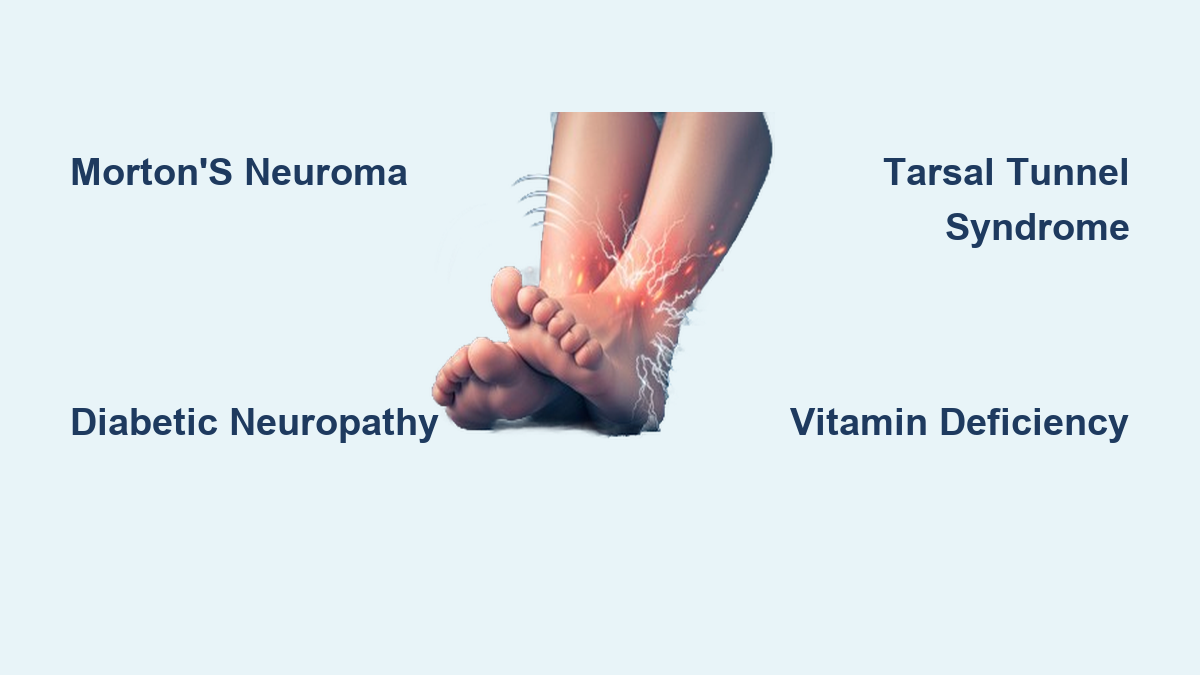
Have you ever taken a step and suddenly felt a sharp, electric-like tingle in the ball of your foot? You’re not alone. That “pins and needles” sensation—medically known as paresthesia—is surprisingly common, especially in the forefoot. While brief tingling from sitting too long or wearing tight shoes usually fades quickly, persistent or recurring tingling in the balls of the feet can signal something more serious. Because this area bears much of your body’s weight and houses delicate nerves like the intermetatarsal and plantar nerves, it’s highly susceptible to irritation, compression, and damage.
Chronic tingling isn’t just uncomfortable—it can be a red flag for nerve dysfunction, poor circulation, or systemic diseases like diabetes. Left unaddressed, these issues may lead to numbness, foot ulcers, balance problems, or even permanent nerve damage. The good news? Most causes are treatable, especially when caught early. Whether the culprit is a pinched nerve from high heels or a deeper issue like vitamin deficiency or spinal compression, understanding the root cause is the first step toward relief.
In this guide, we’ll break down the most common and serious causes of tingling in the balls of the feet, from mechanical foot conditions like Morton’s neuroma to systemic disorders such as diabetes and autoimmune diseases. You’ll learn how to identify warning signs, when to seek medical help, and what treatments can restore comfort and protect your foot health.
Morton’s Neuroma: Nerve Compression in the Forefoot

One of the top causes of localized tingling in the ball of the foot is Morton’s neuroma, a condition where the tissue around the nerve between the third and fourth toes thickens due to irritation.
What Leads to Nerve Damage?
This non-cancerous growth develops from repeated pressure or trauma to the intermetatarsal nerve. High-risk factors include:
– Wearing narrow-toed or high-heeled shoes
– Participating in high-impact sports like running or tennis
– Having pre-existing foot conditions such as flat feet, bunions, or hammertoes
Over time, the nerve becomes inflamed and scarred, sending abnormal signals that result in tingling, burning, or numbness.
Recognizing the Symptoms
If you have Morton’s neuroma, you may experience:
– A sharp or electric tingling in the ball of the foot
– Numbness spreading into the third and fourth toes
– The sensation of walking on a marble or crumpled sock
– Pain that worsens with activity or tight footwear and improves with rest
Symptoms typically affect one foot and intensify over time without intervention.
How It’s Diagnosed and Treated
Doctors often use Mulder’s click test, pressing the forefoot to reproduce a clicking sensation and pain. Ultrasound or MRI confirms nerve thickening. Treatment starts with conservative measures:
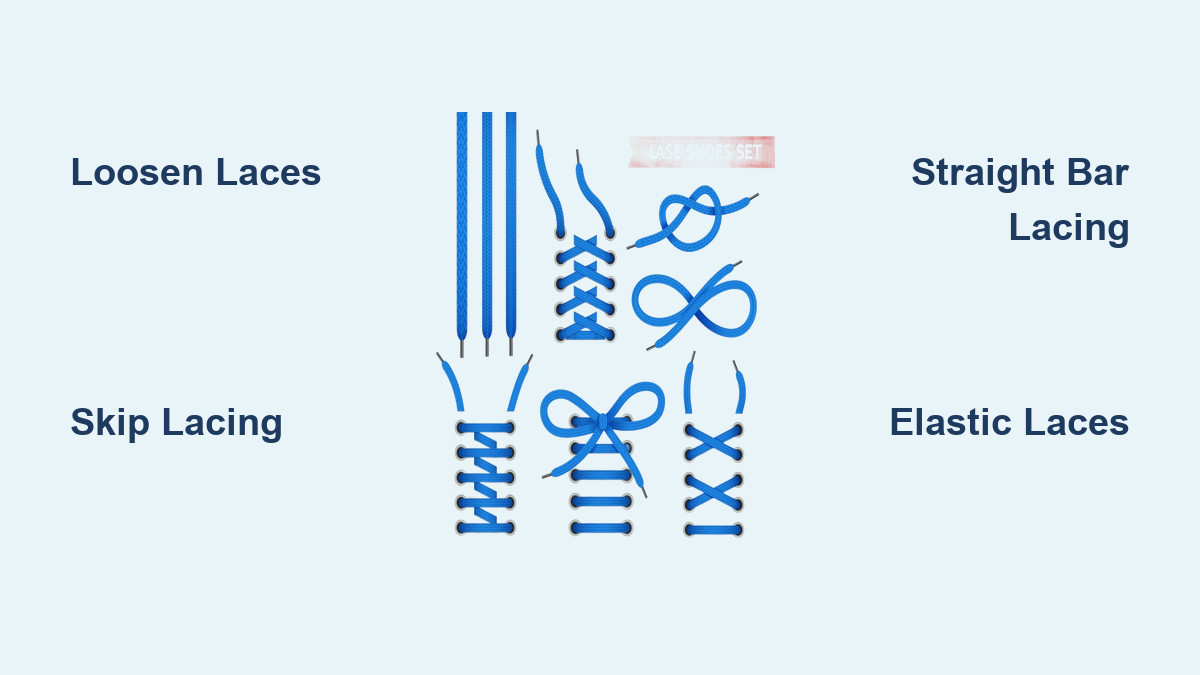
– Switching to wide-toe, low-heeled shoes
– Using metatarsal pads in orthotics to relieve pressure
– Corticosteroid injections to reduce inflammation
– Alcohol sclerosing injections to shrink the nerve
Surgery to remove the affected nerve is considered only if other methods fail. Most patients find relief without going under the knife.
Metatarsalgia: Forefoot Pain That Triggers Tingling
While primarily a pain condition, metatarsalgia—inflammation of the metatarsal heads—can irritate nearby nerves, leading to secondary tingling in the ball of the foot.
Why Tingling Develops
Chronic pressure on the forefoot from activities like running or standing for long periods can inflame the ball of the foot. This inflammation may compress surrounding nerves, resulting in tingling or numbness in the toes.
Contributing factors include:
– High-impact exercise
– Poorly cushioned footwear
– High arches or tight calf muscles
– Excess body weight
– Calluses or stress fractures
Key Warning Signs
Symptoms often develop gradually and include:
– Aching or sharp pain under the ball of the foot
– Tingling or “dead” feeling in the toes
– Increased discomfort when walking barefoot on hard floors
– Swelling or tenderness in the forefoot
Pain usually peaks during or after activity.
Effective Relief and Recovery
Treatment focuses on reducing pressure and inflammation:
– Rest and ice after activity
– Gel or foam insoles for shock absorption
– Custom orthotics to distribute weight evenly
– Supportive shoes with rocker soles and forefoot cushioning
– NSAIDs like ibuprofen for short-term pain relief
– Physical therapy to correct gait and strengthen foot muscles
With consistent care, most cases resolve within weeks.
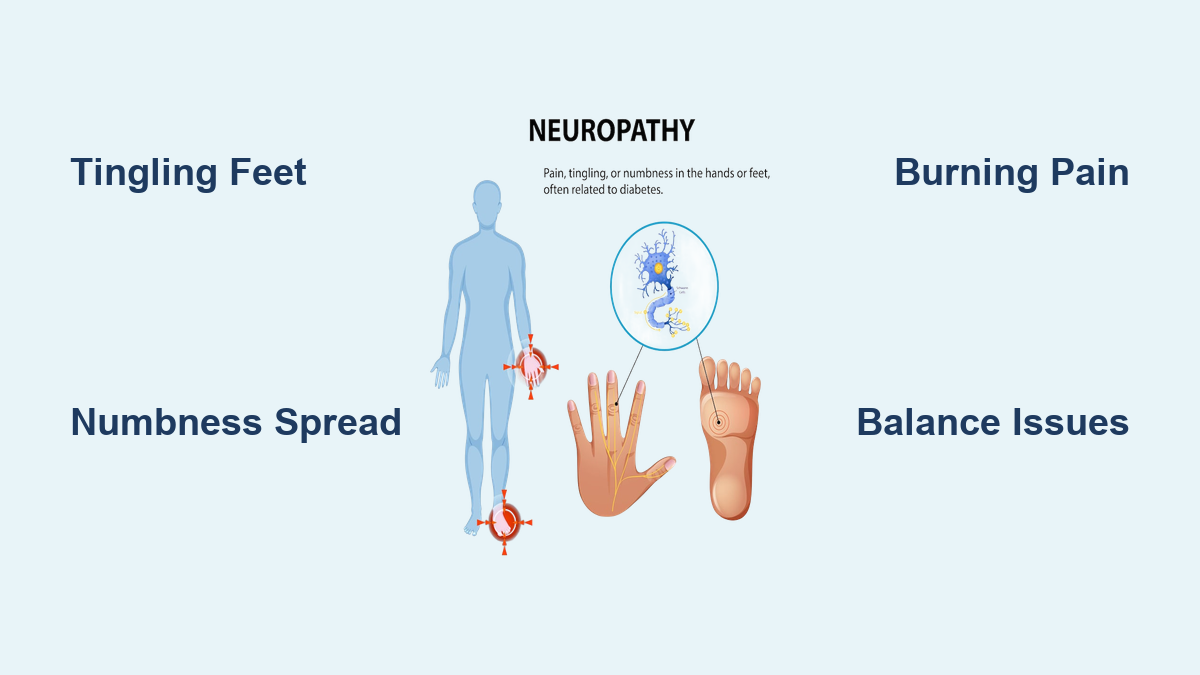
Diabetic Peripheral Neuropathy: A Leading Cause of Foot Tingling

Diabetes is the most common cause of chronic tingling in the feet, especially in the ball of the foot and toes.
How High Blood Sugar Hurts Nerves
Prolonged high glucose levels damage small nerve fibers through oxidative stress, reduced blood flow, and toxic metabolic buildup. Since the feet have the body’s longest nerves, they’re often the first to show signs of damage.
Early Symptoms in the Forefoot
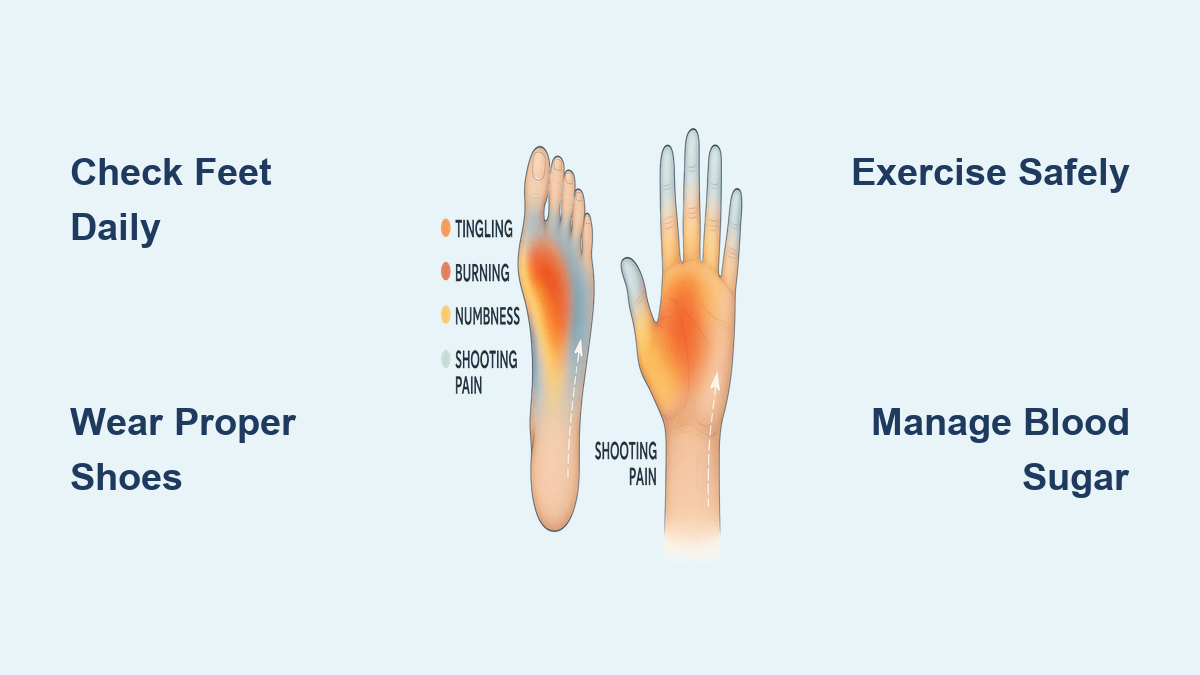
Diabetic neuropathy typically starts subtly:
– Tingling or burning in the ball of the foot
– Numbness that increases the risk of unnoticed injuries
– Worsening pain at night
– Hypersensitivity to touch (allodynia)
Symptoms are usually bilateral and symmetrical, starting in the toes and moving upward.
Preventing Severe Complications
Untreated neuropathy can lead to ulcers, infections, and even amputation. Critical steps include:
– Keeping HbA1c below 7%
– Performing daily foot checks using a mirror
– Wearing diabetic-approved, well-fitted shoes
– Seeing a podiatrist annually
Medications like gabapentin, duloxetine, or lidocaine patches help manage symptoms.
Tarsal Tunnel Syndrome: Nerve Compression Behind the Ankle
Compression of the posterior tibial nerve can cause tingling that radiates into the ball of the foot.
How Nerve Compression Occurs
The tibial nerve runs behind the ankle and branches into nerves that supply the sole and forefoot. When squeezed in the tarsal tunnel, it can produce burning, numbness, or tingling in the ball of the foot.
Common causes:
– Flat feet
– Ankle swelling or injury
– Cysts or varicose veins
– Diabetes (increases nerve vulnerability)
Identifying the Signs
Look for:
– Tingling along the inner ankle and sole
– Radiating sensations into the toes
– Worsening with standing or walking
– Tinel’s sign: Tingling when tapping behind the ankle
Treatment Options
Conservative care often works:
– Custom orthotics to support the arch
– Bracing or immobilization
– Nerve gliding exercises
– Corticosteroid injections
Surgical decompression is reserved for persistent cases.
Lumbar Radiculopathy: Spinal Nerves Affecting the Foot

Lower back issues like herniated discs can refer tingling down to the ball of the foot via the sciatic nerve.
How Spinal Compression Causes Foot Tingling
Nerve roots from L4 to S1 form the sciatic nerve. When compressed (e.g., by a bulging disc), they can cause:
– Radiating tingling or numbness
– Shooting leg pain
– Muscle weakness
Recognizing the Pattern
Symptoms often include:
– Tingling starting in the lower back or buttock
– Pain worsened by sitting, coughing, or sneezing
– Positive straight leg raise test
Diagnosis and Management
MRI and nerve studies confirm the diagnosis. Treatment includes:
– Physical therapy (nerve flossing, core strengthening)
– NSAIDs or muscle relaxants
– Epidural steroid injections
– Surgery if severe
Treating the spine often resolves foot symptoms.
Vitamin Deficiencies: Hidden Causes of Nerve Tingling
Lack of key vitamins—especially B12, B1, B6, and E—can directly damage nerves.
At-Risk Groups
Those most vulnerable include:
– Vegans and vegetarians (B12 deficiency)
– Heavy alcohol users (B1 and B12 deficiency)
– People with Crohn’s, celiac, or post-bariatric surgery
– Older adults and long-term metformin users
Symptoms and Treatment
Gradual onset of tingling, balance issues, fatigue, and cognitive changes may occur. Blood tests confirm deficiencies. Treatment involves:
– B12 injections or supplements
– Thiamine replacement
– Balanced B-complex supplementation
Symptoms often improve with correction.
Autoimmune and Circulatory Causes
Conditions like rheumatoid arthritis, lupus, and vasculitis can inflame or damage nerves. Meanwhile, peripheral artery disease (PAD) and Raynaud’s disease reduce blood flow, causing tingling due to ischemia.
Key Signs
- PAD: Cold feet, claudication, weak pulses, non-healing sores
- Raynaud’s: Toes turning white → blue → red with cold or stress
Management
- ABI testing for PAD
- Vasodilators like nifedipine for Raynaud’s
- Immunosuppressants for autoimmune neuropathies
When to See a Doctor
Seek immediate care for:
– Sudden weakness, facial droop (stroke signs)
– Loss of bladder control (cauda equina)
– Rapidly spreading numbness or infection
See a doctor soon if tingling lasts more than a few days, especially with diabetes or other risk factors.
Prevention and Daily Foot Care
Protect your feet with:
– Daily inspection
– Proper footwear
– Blood sugar control
– Smoking cessation
– Regular exercise
Persistent tingling is not normal. Early diagnosis saves nerves—and feet. If symptoms linger, consult a podiatrist, neurologist, or primary care provider to uncover the cause and start treatment.