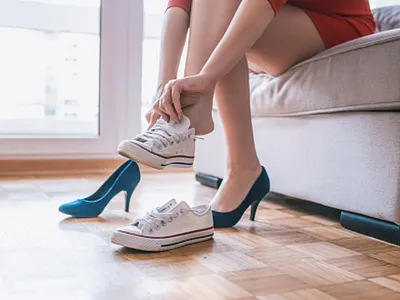
Wearing shoes that are too big is more than just a minor annoyance—it can cause serious discomfort and even long-term foot problems. Heel slippage, blisters, toe jamming, and foot fatigue are common when your shoes don’t fit properly. Over time, ill-fitting footwear can lead to plantar fasciitis, joint strain, and posture issues due to unnatural gait patterns. Whether you ordered the wrong size online, received a pair as a gift that doesn’t fit, or your feet have changed due to aging, pregnancy, or weight loss, there’s no need to toss out your favorite shoes just yet.
The good news? You can fix loose shoes that are too big—often with simple, affordable solutions. From quick fixes like thicker socks and tissue stuffing to long-term upgrades like custom insoles and cobbler adjustments, this guide covers proven methods backed by podiatrists, cobblers, and real users. You’ll learn how to tighten oversized shoes safely—without damaging them—and when it’s time to let go and invest in a better fit.
Whether you’re dealing with sneakers, heels, boots, or loafers, we’ve got targeted fixes for every shoe type and budget. By the end, you’ll know exactly how to improve the fit of any loose shoe—and protect your foot health in the process.
Signs Your Shoes Are Too Big
Before diving into fixes, confirm that your shoes are actually too big.
If you notice any of these symptoms, your shoe size is likely off:
- Your heel lifts with each step, causing friction and potential blisters
- Toes hit the front of the shoe when walking or going downhill
- Excess creasing on the upper, especially across the vamp
- You can fit more than half an inch (about one finger width) between your longest toe and the front of the shoe
- More than one finger fits behind your heel when standing in the shoe
Rule of thumb: A half-size too big is usually fixable. A full size or more is much harder to correct—and may not be worth the effort.
Ignoring fit issues can lead to blisters, calluses, foot pain, and even knee or back problems. Fixing loose shoes isn’t just about comfort—it’s about protecting your overall foot health.
Immediate Fixes You Can Try Today
Wear Thicker or Layered Socks
One of the fastest ways to fill space in oversized shoes is to add volume with thicker socks.
- Best for: Sneakers, boots, casual shoes
- Try: Wool blends, moisture-wicking athletic socks, or thermal socks
- Pro tip: Layer a thin liner sock under a thick outer sock to prevent sweat buildup while adding bulk
Avoid cotton socks—they retain moisture and increase blister risk.
This method works well for shoes that are slightly big, but it’s not ideal for sandals or warm weather.
Stuff the Toe Box with Tissue or Cotton
Need a quick fix? Use household items to fill empty space.
- How: Roll tissue paper, toilet paper, or cotton balls and tuck them into the toe box
- Best for: Flats, heels, narrow shoes
- Pros: Free, instantly available
- Cons: Flattens quickly, not durable
Replace the stuffing every time you wear the shoes. This hack is great for short-term wear, like a wedding or event, but not for daily use.
Use Sanitary Pads as Shoe Fillers
Yes, really—sanitary pads or panty liners can double as effective shoe inserts.
- Cut to size and place in the heel or toe area (adhesive side down)
- Roll them up for the toe box to prevent forward sliding
- Best for: Heels, flats, open-toe shoes
“A panty liner from my makeup bag to the rescue!” — User tip
Pads are absorbent, slightly stiff, and stay in place—perfect for emergency fixes. They’re not reusable, but they’re surprisingly effective.
Tape and Adhesive Solutions
Apply Heel Grips with Fashion Tape
Stop heel slippage fast with double-sided fashion tape.
- Stick the tape to the back of your heel or inside the shoe
- Best for: Open-back heels, mules, sandals
- Works by: Creating friction between your skin and the shoe
Test on a small skin area first to avoid irritation. For extra hold, wrap athletic tape around your heel or ankle.
Tape Boots to Your Legs
For thigh-high or knee-high boots that slip down:
- Apply fashion tape to the inside top edge
- Stick to tights or leggings (not bare skin for long periods)
- Or, wrap an elastic band around your knee to give the boots something to grip
This keeps boots upright and eliminates constant readjusting.
Best Insoles for Loose Shoes

Full-Length Insoles
The most effective long-term fix is replacing your shoe’s original insole.
- Reduces internal volume by up to one full size
- Improves support and comfort
- Available in foam, gel, leather, and orthotic styles
Top Types:
- Memory foam: Soft cushioning for casual shoes
- Gel: Ideal for heels and standing all day
- Orthotic: Corrects arch issues and fills space
- Leather: Breathable and durable for dress shoes
Replace every 6–12 months as they compress.
Pro tip: Measure your existing insole before buying. Match the size exactly.
3/4-Length Insoles
Perfect for shoes where full inserts crowd the toes.
- Best for: Pumps, loafers, dress shoes
- Sits under the heel and arch, leaving room for toes
- Can be stacked with heel grips for extra fit control
Use a thin 3/4 insole if your shoe is only slightly big.
Targeted Inserts by Problem Area
Heel Grips for Slipping Heels
Stop your heel from lifting.
- Adhesive gel pads: Stick inside the heel counter
- U-shaped grips: Wrap around the back of your heel
-
Heel cups: Deep cushion that cradles the foot
-
Best for: Pumps, flats, boots
- Cost: $3–$10 for a pack
- Durability: 1–3 months
“Heel grips reduce movement, prevent blisters, and improve stability.” — Expert tip
Choose non-slip gel for maximum grip.
Toe Inserts to Fill Extra Length
Prevent your foot from sliding forward.
- Foam or gel toe fillers: Place in the toe box
- Rollable inserts: DIY using cut pads or foam
- Best for: Pointed-toe shoes, flats, ballet pumps
Use in pairs to keep pressure even. Avoid overstuffing—too much bulk causes discomfort.
Ball-of-Foot Pads for Heels and Sandals
Anchor your foot in place.
- Place under the metatarsal head (just behind toes)
- Prevents forward slide, especially in high heels
-
Materials: Gel, silicone, contoured foam
-
Best for: Open-toe heels, strappy sandals
- Pro tip: Choose anatomically shaped pads to avoid pressure points
“Ball-of-foot pads help keep your foot in place, especially in heels.” — User review
Fix Loose Tongue or Laces
Use Tongue Pads
Stop the tongue from sliding side to side.
- Adhesive pad stuck to the underside of the tongue
- Keeps foot centered and improves lacing tension
- Best for: Sneakers, boots, lace-ups
Prevents rubbing and improves fit without tools.
Retie Laces with Locking Techniques
Better lacing = tighter fit.
- Runner’s loop (lace lock):
1. After normal lacing, bring each lace up through the side eyelet
2. Cross and tie as usual -
Result: Locks heel in place, prevents slippage
-
Best for: Running shoes, hiking boots, casual trainers
Combine with thicker socks and insoles for full effect.
Shoe-Specific Fixes
Sneakers Too Big?
Use a 3-part fix.
- Full-length insole – fills volume
- Heel grip – stops slippage
- Thick socks + runner’s loop lacing – secures foot
For slip-ons: Add no-show socks and toe pouches.
Avoid stacking more than two inserts—can cause pressure.
Fixing Loose Loafers or Slip-Ons
No laces? No problem.
- Insole + heel grip + no-show sock = ideal combo
- Add toe filler if feet slide forward
- Try padded moccasin-style insoles for extra grip
For leather loafers: A cobbler can add permanent heel padding.
High Heels That Slip?

Target both heel and ball of foot.
- Heel grip – stops lifting
- Ball-of-foot pad – keeps foot from sliding forward
- Gel insole – adds cushion and fills space
- Fashion tape – for open-back styles
Avoid tissue paper—it shifts with movement.
Pro combo: Heel grip + ball pad = game-changer for pumps.
Boots That Are Too Loose
Ankle or Heel Slippage?
- Heel grips
- Thicker socks
- Padded insoles
Calf or Thigh Area Loose?
- Wear tights or leggings
- Use fashion tape on top edge
- Insert rolled foam or cardboard behind the calf
- For thigh-highs: Wrap an elastic band around your knee
Leather Boots Slightly Big?
- Dampen slightly and wear while drying (see DIY section)
Never use heat—can crack leather.
Professional Fixes That Last

Visit a Cobbler
For high-value or frequently worn shoes, a cobbler can make permanent improvements.
- Add hidden padding under the lining
- Install custom insoles or heel grips
- Reinforce the heel counter
- Sew in leather inserts for structure
“A cobbler can conceal heel grips under the lining.” — Expert advice
Cost: $20–$60. Best for leather shoes, boots, dress shoes.
Get Custom Orthotics
For chronic fit issues or foot conditions.
- Made from a mold of your foot
- Fills space perfectly, improves alignment
- Can reduce effective shoe size by up to 1.5 sizes
Best for flat feet, high arches, leg length differences. Cost: $200–$600 (may be insurance-covered).
“Custom orthotics are the gold standard.” — Podiatrist recommendation
DIY Methods That Work
Shrink Leather Shoes Slightly
Only for untreated leather.
- Dampen a cloth (not soaking wet)
- Wipe inside or outside of the shoe
- Wear with thick socks while air-drying
- Let dry naturally—no heat!
Leather tightens as it dries. Repeat if needed. Avoid on suede or synthetics.
Use Shoe Trees or Stuffing
Maintain shape and absorb moisture.
- Cedar shoe trees: Best for leather dress shoes
- Foam or inflatable inserts: For boots
- Newspaper stuffing: Cheap alternative when not in use
Helps shoes hold their shape and compress slightly over time.
What NOT to Do
❌ Put shoes in the dryer – Heat melts glue and warps materials.
❌ Boil or soak shoes – Destroys structure.
❌ Iron shoes – Melts synthetics.
❌ Wet suede to shrink – Causes stains.
❌ Stack too many inserts – Leads to pressure and poor gait.
Stick to one insole + one grip max for safety.
When to Replace Oversized Shoes
Some shoes can’t be fixed.
Don’t Try to Fix If:
- More than one size too big
- Too wide and too long
- Made of stiff, non-moldable material
- Don’t match your foot shape
Recommended Actions:
- Return or exchange if possible
- Sell or donate if wearable
- Repurpose as garden shoes or travel spares
If your feet have changed permanently, update your size.
Final Tips for Lasting Results
- Start with: Heel grip + full insole + thicker sock
- Test indoors for 30 minutes before wearing out
- Measure your feet before buying online
For daily wear, invest in custom orthotics or visit a cobbler. For emergencies, double socks + fashion tape can save the day.
“These aren’t quick fixes—they’re smart, science-backed solutions. No gimmicks. No ruined shoes. Just better fit, better comfort, and healthier feet.” — Expert advice
If the shoe is beyond fixing, let it go. Your feet will thank you.