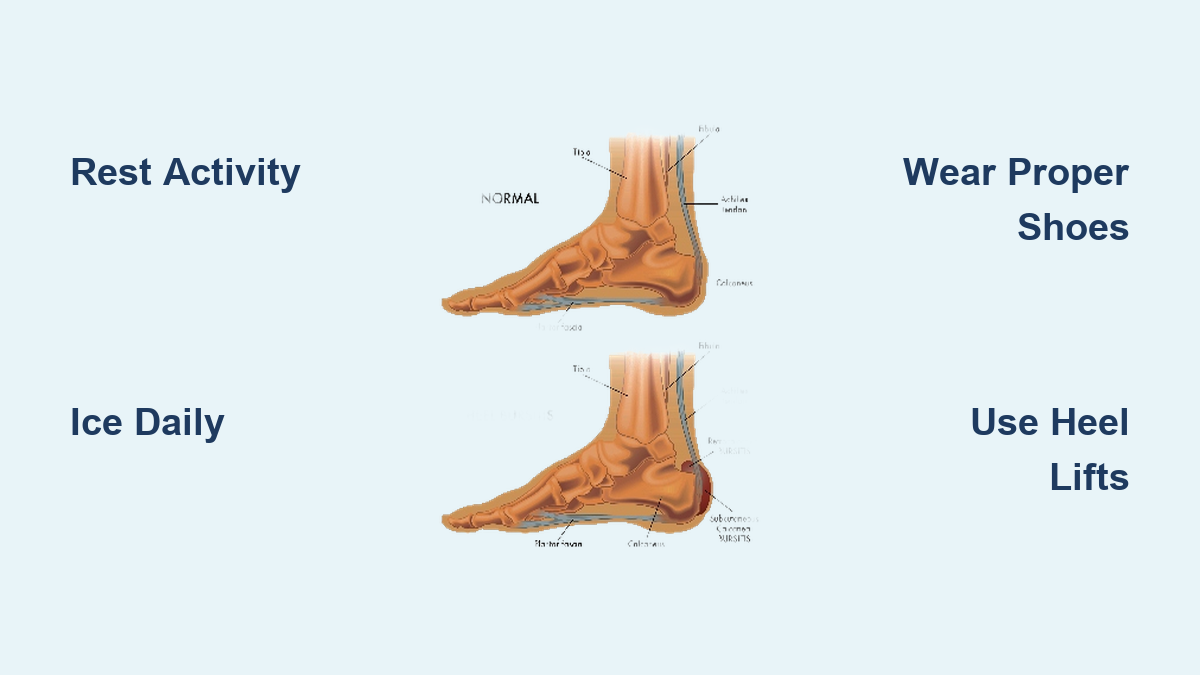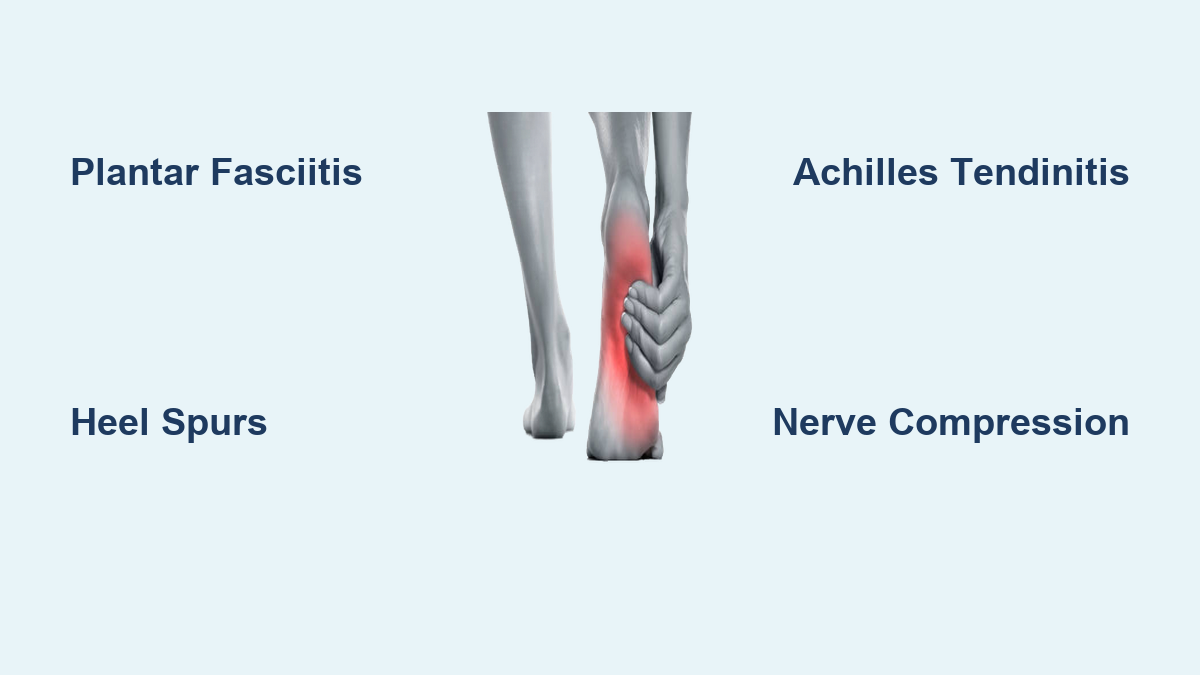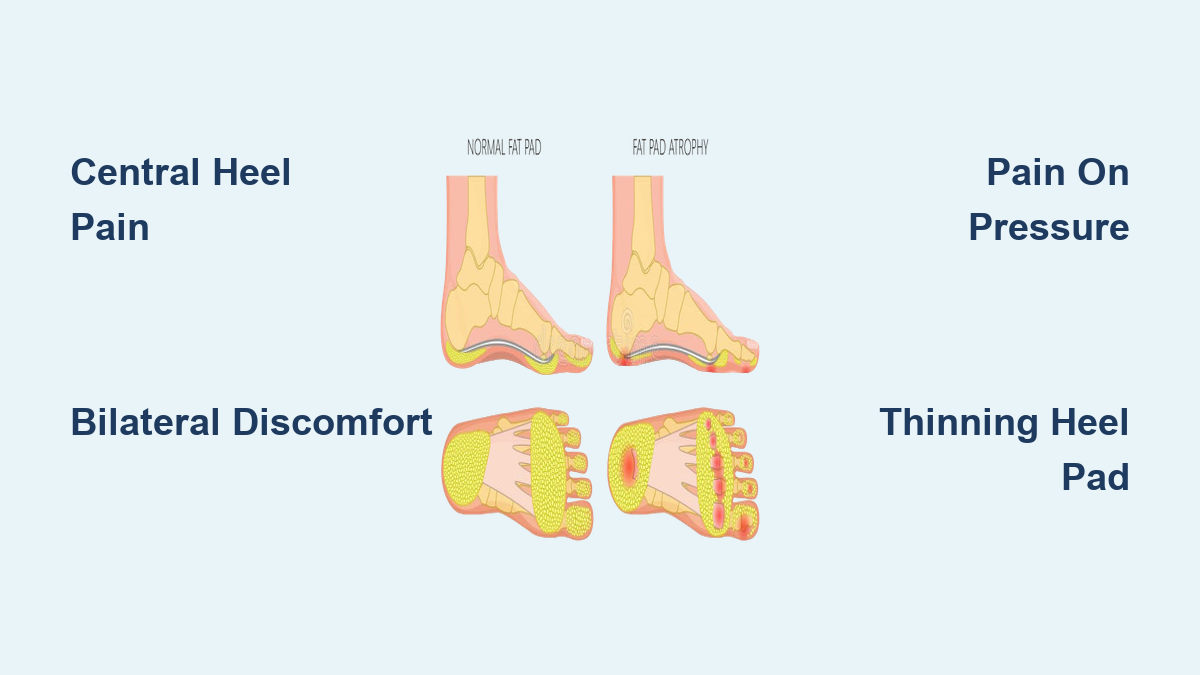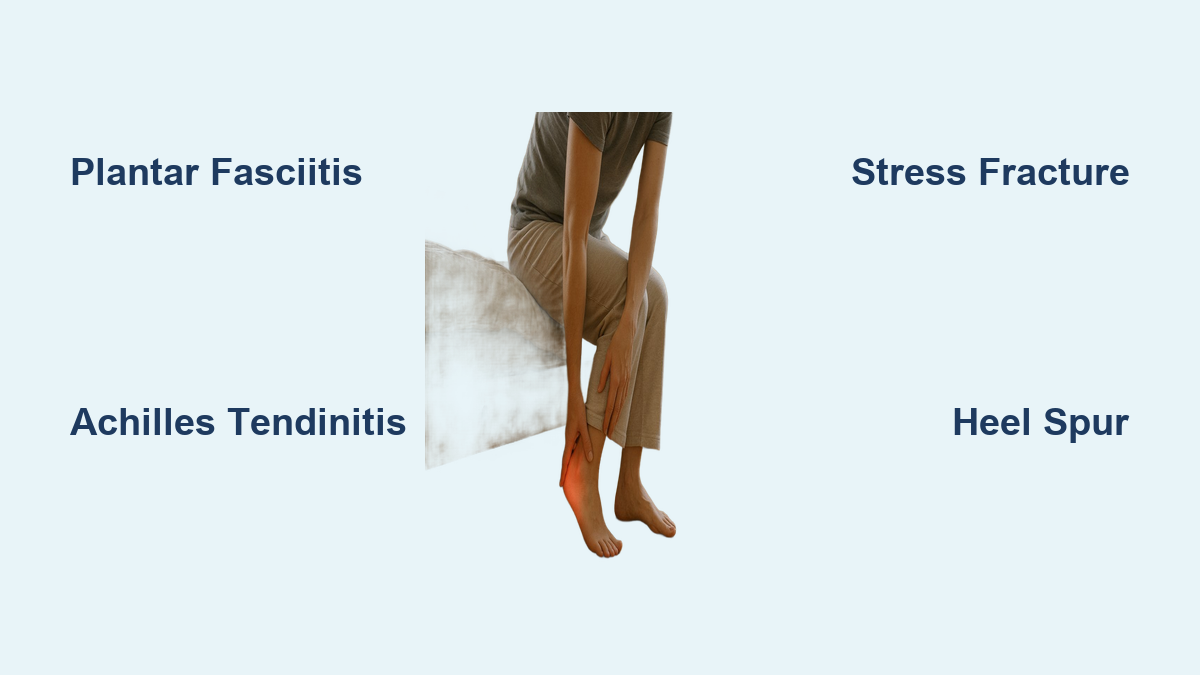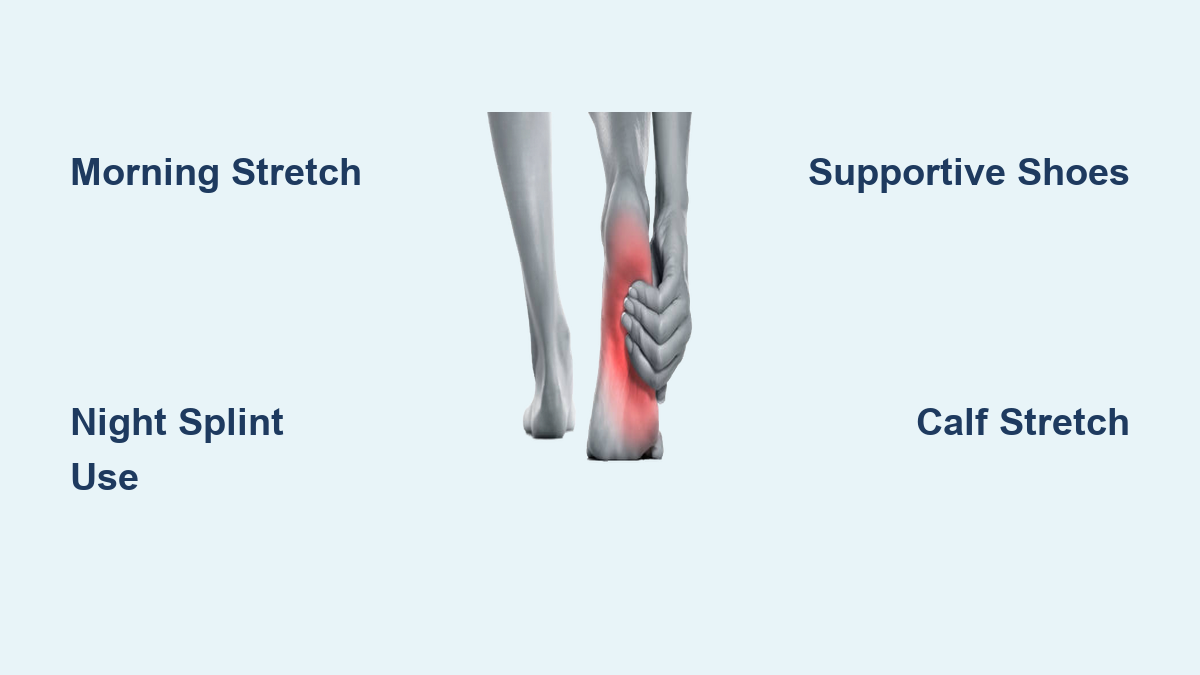
Waking up with a sharp, stabbing pain in your heel is more than just an unpleasant start to the day—it can feel like stepping on broken glass with every first stride. If you’re dealing with heel pain when first waking up, you’re not alone. This symptom affects millions, and while it often eases after a few minutes of walking, it’s usually a red flag for an underlying issue. The most common culprit? Plantar fasciitis, a condition where the thick band of tissue along the bottom of your foot—the plantar fascia—tightens overnight and gets violently stretched the moment you stand. But it’s not the only cause. Achilles tendinitis, bursitis, heel spurs, or even systemic conditions like rheumatoid arthritis can mimic the same early-morning agony. The good news: most cases respond well to simple, consistent home treatments. In this guide, you’ll learn how to pinpoint the cause, relieve pain before your first step, stretch effectively, choose the right footwear, and stop the pain from coming back—all backed by medical insights and expert strategies.
Identify the Real Cause of Morning Heel Pain
Before you can fix heel pain, you need to know what’s really causing it. While plantar fasciitis is responsible for the majority of cases, other conditions have similar symptoms but require different treatments.
Plantar Fasciitis: The Most Likely Culprit
If your pain is a sharp, stabbing sensation under the heel—especially worse with your first steps in the morning—you’re likely dealing with plantar fasciitis. This condition stems from microtears or inflammation in the plantar fascia, a strong ligament that supports your arch. While sleeping, your foot naturally points downward (plantarflexion), shortening the fascia. When you stand, it’s suddenly stretched, causing pain.
- Key signs:
- Worst pain first thing in the morning
- Improves slightly with walking but returns after sitting
- Tenderness on the inside bottom of the heel
Despite popular belief, heel spurs are not the source of pain. They’re often seen on X-rays in people with long-term plantar fasciitis, but they’re a secondary effect—not the cause.
Achilles Tendinitis vs. Plantar Fasciitis
Pain at the back of the heel, not the bottom, points to Achilles tendinitis. This involves inflammation of the Achilles tendon, which connects your calf muscles to the heel bone. Like the plantar fascia, it tightens overnight and aches when stretched.
- How to tell the difference:
- Location: Back of heel (Achilles) vs. bottom/inside (plantar fascia)
- Pain pattern: Worse during or after activity (Achilles) vs. worst at rest (plantar fascia)
- Morning calf stiffness suggests Achilles involvement
Both conditions are linked by the “heel cord”—a biomechanical chain from calf to foot—so treating calf tightness helps both.
Rule Out Other Conditions
Not all heel pain is mechanical. Consider these less common but serious causes:
- Bursitis: Swelling of the fluid-filled sac near the heel, often due to shoe pressure
- Tarsal tunnel syndrome: Nerve compression causing burning, tingling, or numbness
- Stress fracture: Deep, aching pain that worsens with activity and doesn’t improve
- Rheumatoid arthritis: Morning stiffness lasting over 30 minutes, swelling in multiple joints
- Hypothyroidism: Can cause generalized swelling and nerve compression in the foot
If you have numbness, redness, swelling, or systemic symptoms, see a doctor to rule out these issues.
Immediate Relief: 5-Minute Morning Routine
Don’t take that first painful step. Instead, do these stretches and movements while still in bed to warm up your foot and reduce the shock of standing.
Massage the Plantar Fascia (1 Minute)
Before standing, massage the bottom of your foot to stimulate blood flow and gently stretch the fascia.
- Use your fingers, knuckles, or a small ball (like a tennis ball)
- Start at the ball of your foot and roll slowly toward the heel
- Gently pull your toes upward to increase the stretch
- Goal: Loosen tissue, not cause pain
Pro tip: Keep a massage ball or frozen water bottle by your bed for quick access.
Perform the Toe Pull Stretch
This targeted stretch directly lengthens the plantar fascia.
- Sit on the edge of your bed or chair
- Cross the affected foot over your opposite knee
- Gently pull your toes back toward your shin with one hand
- Hold for 15–30 seconds, repeat 3 times
- You should feel a stretch along the arch, not sharp pain
Why it works: This mimics the tension of standing but in a controlled way, reducing microtears.
Stretch Your Calf with a Towel
Tight calves pull on the heel, increasing strain on the plantar fascia.
- Loop a towel or belt around the ball of your foot
- Keep your leg straight and gently pull the towel toward you
- Hold for 20–30 seconds, repeat 3 times
- For deeper stretch, bend both knees to target the soleus muscle
This stretch also improves hamstring flexibility and neuromuscular control.
Write the ABCs with Your Toes
This mobility drill engages all ankle motions and wakes up stiff joints.
- Sit or lie down, lift your foot off the bed
- Use your big toe to trace the alphabet A–Z in the air
- Move slowly and deliberately
- Focus on dorsiflexion (toes up) and plantarflexion (toes down)
Benefit: Improves circulation, reduces stiffness, and enhances fascial glide.
Wear Supportive Shoes—Even Indoors

Walking barefoot, even at home, is one of the worst things you can do for morning heel pain.
Never Walk Barefoot on Hard Floors
Hard surfaces like tile, wood, or concrete increase strain on the plantar fascia. Every barefoot step reinforces microtears.
- Keep supportive slippers or house shoes by your bed
- Choose ones with:
- Firm arch support
- Cushioned heel
- Stable, non-flexible sole
Avoid soft, flat slippers—they offer no protection.
Choose the Right Daily Footwear
Your shoes play a huge role in recovery and prevention.
What to look for:
– Stiff sole: Reduces strain on the plantar fascia
– Slight heel elevation (1–2 cm): Decreases pull from the Achilles tendon
– Good arch support: Prevents overpronation (rolling inward)
– Adequate cushioning: Absorbs impact during walking
Replace running or walking shoes every 400–500 miles or when the midsole compresses.
Pro tip: Rotate between two pairs of shoes to vary foot stress and extend shoe life.
Use Night Splints for Faster Healing

If morning pain persists, night splints are one of the most effective treatments.
How Night Splints Work
These devices keep your foot in 90-degree dorsiflexion (toes pointing up) while you sleep. This prevents the plantar fascia and Achilles tendon from tightening overnight.
- Result: No sudden stretch in the morning = less pain
- Effectiveness: Many people see improvement in days to weeks
They come in over-the-counter and custom-fitted versions and are often covered by insurance with a prescription.
How to Use Them
- Wear for 6–8 hours while sleeping
- Start with 30–60 minutes if uncomfortable
- Use even while resting during the day for quick relief
Expert insight: Dr. Sean Peden says, “Night splints work for many people… it can bring relief in a matter of days.”
Note: They may feel awkward at first, but most adjust within a week.
Perform Daily Stretches and Exercises
Consistent stretching is key to long-term recovery. Do these exercises 2–3 times daily, especially in the morning and after sitting.
Calf Stretch (Gastrocnemius)
Tight calves increase heel tension. This stretch targets the upper calf muscle.
- Stand facing a wall, hands at shoulder height
- Step one leg back, keep heel down, bend front knee
- Lean forward until you feel a stretch in the back calf
- Hold 15–30 seconds, 2–3 sets, 3 times daily
Visual cue: Back leg straight, heel planted firmly.
Soleus Stretch (Deep Calf)
This targets the lower calf muscle, which contributes to Achilles and heel strain.
- Same position, but bend both knees
- Keep back heel on the ground
- You’ll feel the stretch lower in the calf
Why it matters: The soleus is active when walking and running—tightness here directly affects heel load.
Plantar Fascia-Specific Stretch
Repeat the toe pull stretch (from the morning routine) throughout the day, especially after long sitting.
- Sit, cross leg, pull toes back gently
- Hold 15–30 seconds, repeat 3 times per foot
Do this before standing up from desk, car, or couch.
Try Ice and Massage—But Do It Right
Cold therapy and massage reduce inflammation and improve tissue mobility, but improper use can worsen symptoms.
Roll a Frozen Water Bottle
This combines ice therapy and passive stretching.
- Freeze a water bottle half-full
- Roll under your foot for 10–15 minutes
- Apply moderate pressure from heel to ball of foot
Best times: Morning, after activity, or in the evening
Why it works: Cold reduces inflammation; the cylinder shape gently stretches the arch.
Use a Ball for Massage—Gently
A tennis ball, lacrosse ball, or foam roller can massage the arch.
- Sit in a chair, place ball under foot
- Roll slowly for 1–2 minutes
Warning: Dr. Sean Peden cautions that excessive pressure can aggravate microtears. Use gentle force—this isn’t deep tissue work.
Avoid if: You feel sharp pain or bruising.
Know When to See a Doctor
Most heel pain resolves with home care, but some signs mean it’s time to get professional help.
Seek Medical Attention If You Have:
- Pain that lasts more than 1–2 weeks despite home treatment
- Swelling, redness, or warmth around the heel
- Numbness, tingling, or burning (suggests nerve issues)
- Severe pain or inability to bear weight (possible stress fracture)
- Symptoms that worsen over time
“Don’t wait until the pain is excruciating,” advises Dr. Diel. “Early intervention can prevent the condition from worsening.”
What to Expect at the Doctor
- Physical exam: Palpation of the heel, assessment of ankle motion, gait analysis
- Imaging only if needed: X-ray to rule out fractures or arthritis; ultrasound or MRI for soft tissue evaluation
Most cases are diagnosed clinically—no imaging required.
Prevent Heel Pain from Returning
Once your pain improves, maintain healthy habits to prevent recurrence.
Maintain a Healthy Weight
Extra weight increases load on the plantar fascia. Even 10 pounds can make a difference.
Stretch Daily—Even When Pain-Free
- Continue calf and plantar fascia stretches
- Do them in the morning and after sitting
Prevention is easier than treatment.
Replace Shoes Regularly
- Running shoes: Every 400–500 miles
- Everyday shoes: When sole is worn or cushioning compresses
Check tread wear and support.
Use Orthotics if Needed
- Over-the-counter inserts: Great for mild arch support
- Custom orthotics: Best for flat feet, high arches, or gait issues
Can be moved between shoes.
Stay Active—But Smart
- Avoid sudden increases in activity
- Alternate high-impact (running) with low-impact (swimming, cycling)
- Warm up properly before exercise
Final Note: Morning heel pain is treatable. By combining pre-step stretches, supportive footwear, night splints, and daily mobility work, you can break the cycle of pain. Most people recover within 3–6 months with consistent care. Don’t ignore early stiffness—act fast to prevent long-term issues. And remember: you don’t have to live with heel pain. With the right approach, relief is within reach.