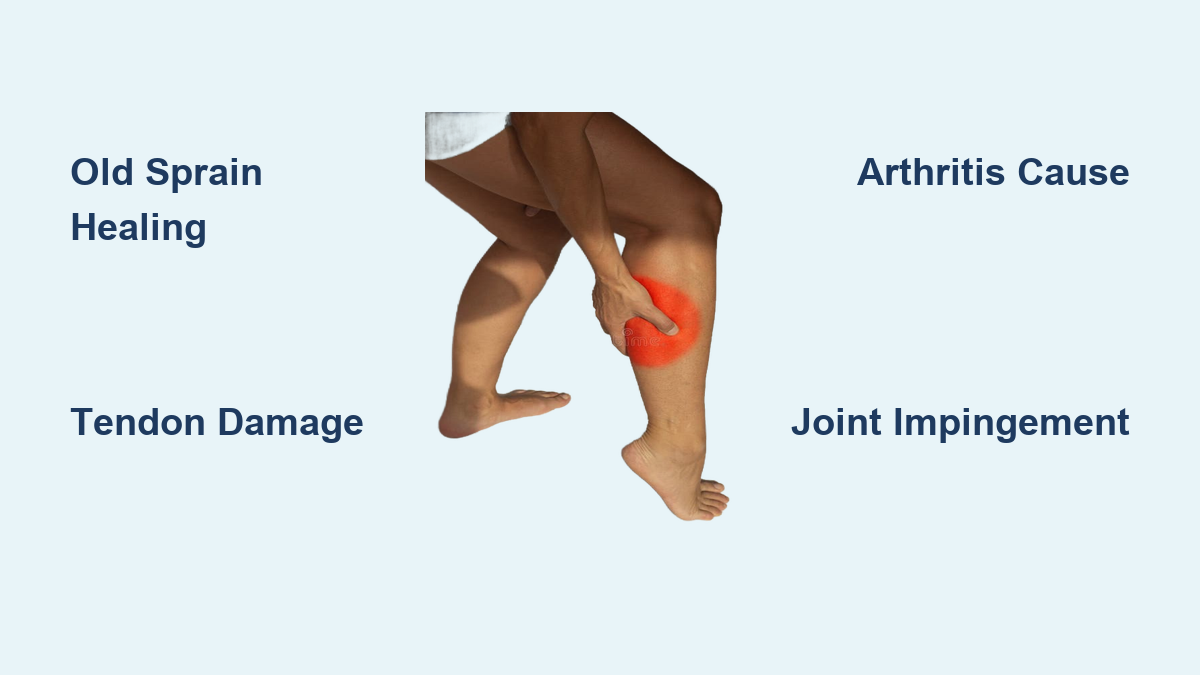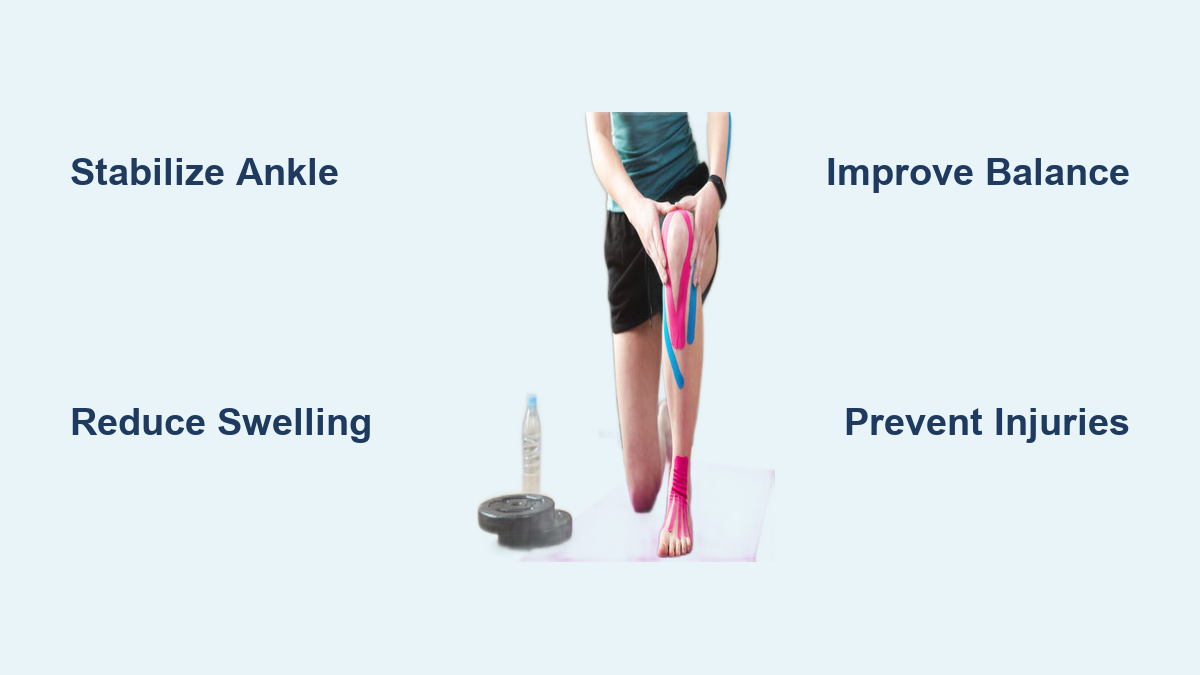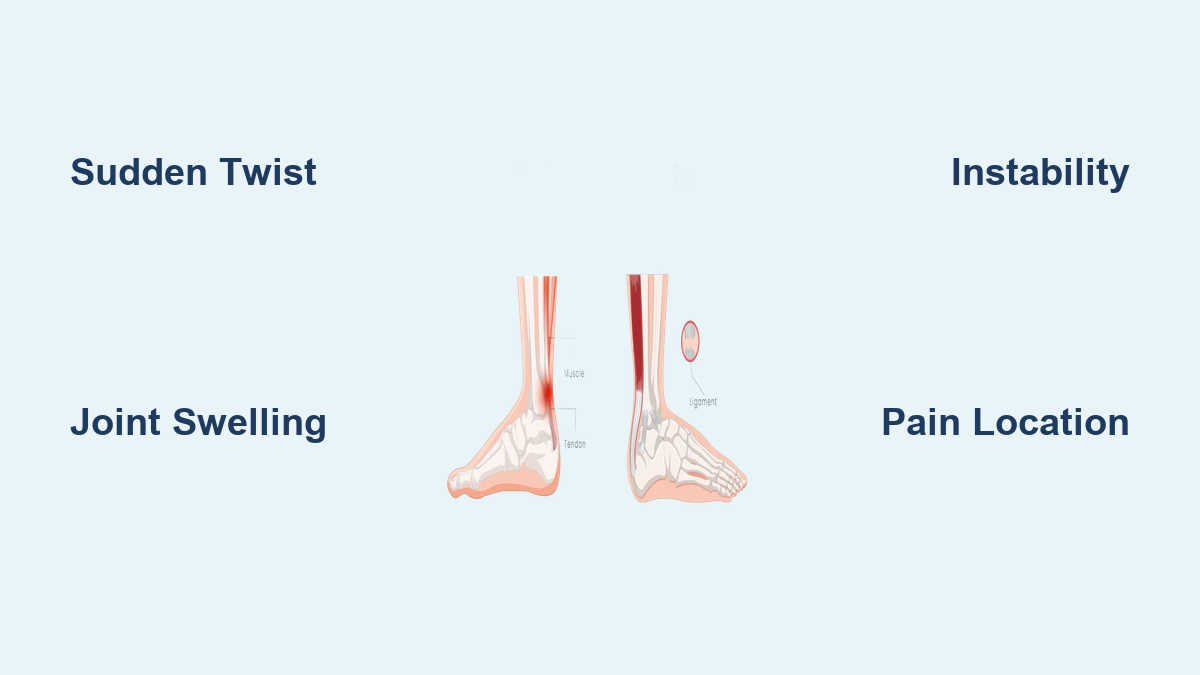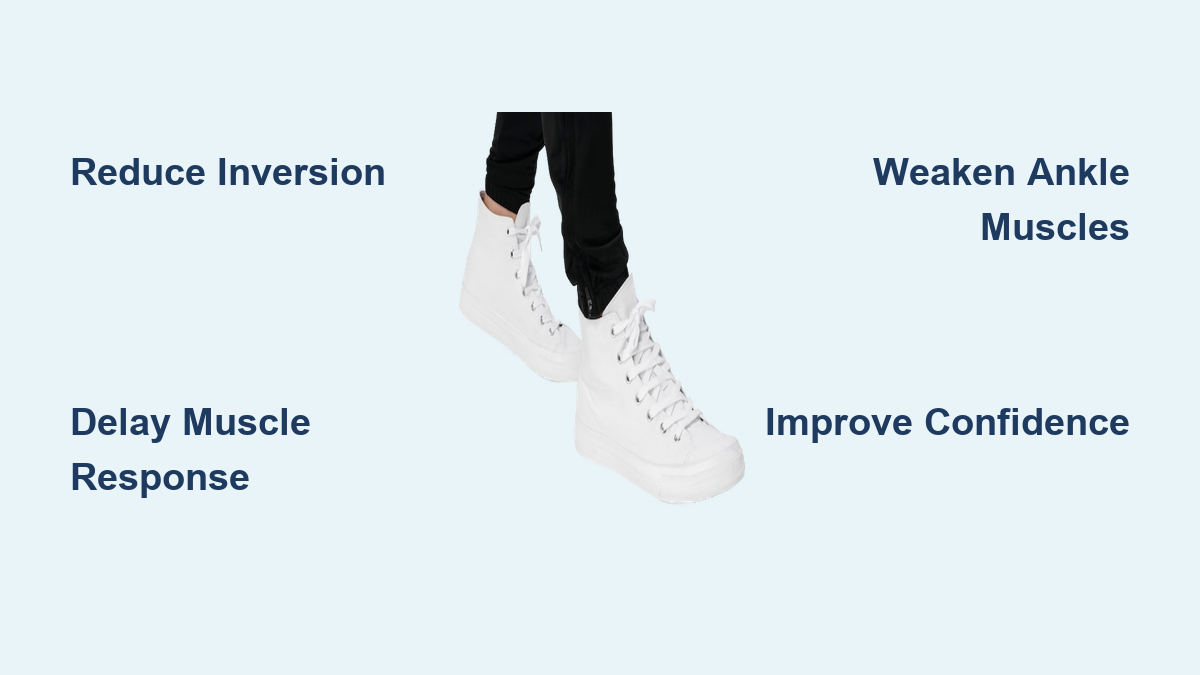
If you’ve ever rolled your ankle during a jump, quick cut, or misstep on uneven ground, you’ve probably wondered how to prevent it from happening again. One go-to solution? High-top shoes. Marketed for their snug, ankle-hugging design, these shoes are staples in basketball, skateboarding, and trail hiking—sports where ankle stability is critical. But do high-top shoes truly protect your joints, or do they just create the illusion of support?
The truth, backed by science, is more nuanced than marketing claims suggest. Research confirms that high-top shoes mechanically restrict ankle inversion—the inward rolling motion responsible for 85% of ankle sprains. In controlled lab tests, high-tops reduce peak inversion by 4.5° and slow the rate of collapse by over 100° per second, giving your body a crucial buffer during sudden missteps. This mechanical resistance comes from the shoe’s elevated collar and stiffer upper, which act like a passive brace during unpredictable landings.
Yet real-world studies tell a different story. A study of 622 basketball players found no significant difference in sprain rates between high-top and low-top wearers. Systematic reviews, including one by Ci Jiang (2019), conclude that neither shoe type consistently reduces injury risk in healthy athletes. Many users report spraining their ankles even while wearing high-tops, especially after repeated injuries.
So why the disconnect? Because true ankle stability isn’t just structural—it’s neuromuscular. While high-tops offer passive support, they may delay peroneal muscle activation, dull your body’s natural feedback, and shift stress to your knees. Some experts argue the biggest benefit isn’t physical protection, but psychological confidence—a sense of security that boosts performance, even if injury risk remains unchanged.
This article breaks down what science, athletes, and physical therapists reveal about high-top shoes: their real benefits, hidden trade-offs, and what actually keeps your ankles safe. You’ll learn why shoe fit often matters more than height, why ankle braces outperform most footwear, and why strengthening your muscles is the ultimate defense against sprains.
How High-Tops Physically Limit Ankle Inversion

Slowing Down Dangerous Motion: What Lab Tests Show
High-top shoes can reduce the severity of ankle rolls by acting as a mechanical barrier to inversion. In a controlled study using an ankle inversion platform, researchers tested 20 male participants with no recent injuries and found:
- 4.5° reduction in peak ankle inversion
- 100.1°/s slower maximum inversion speed
- 73.0°/s decrease in average inversion rate
These numbers are meaningful. A slower, less extreme roll gives your muscles more time to react—even if just by milliseconds—potentially preventing a full sprain.
The rigid collar and structured upper of high-tops resist lateral bending, especially during unanticipated movements like landing on another player’s foot. This passive resistance is most effective in predictable, low-force scenarios, such as routine cuts or minor missteps.
Pro tip: Look for shoes with a firm, non-collapsible collar. Press on the side of the upper—if it gives easily, it won’t offer real support.
Do Lab Results Translate to Fewer Injuries?
Despite these biomechanical advantages, real-world sprain rates don’t drop significantly with high-top use.
- The Barrett et al. (1993) study of over 600 basketball players found no difference in ankle injury rates between high-top and low-top wearers.
- Handoll et al. (2001) and Rovere et al. (1988) reached similar conclusions: no consistent injury prevention benefit.
- Many athletes with chronic instability report spraining their ankles even in high-tops, especially after multiple prior injuries.
This suggests that while high-tops can reduce inversion in controlled settings, they don’t reliably prevent dynamic, high-impact sprains—especially when muscles are weak or movement control is poor.
Bottom line: Mechanical restriction helps, but it’s not a substitute for strong, responsive muscles.
Why High-Tops May Slow Down Your Natural Reflexes
Delayed Peroneal Muscle Activation
Your body’s first line of defense against ankle rolls isn’t your shoe—it’s the peroneal muscles on the outside of your lower leg. These muscles contract reflexively within milliseconds to counteract inversion.
But research shows high-top shoes may delay this critical response.
- Fu et al. (2014) found that high-tops slowed the onset and reduced the force of peroneus longus activation during simulated landings.
- The stiff collar appears to dampen sensory input, interfering with the neuromuscular loop needed for rapid stabilization.
Consequence: Even if the shoe slows the roll, your muscles may kick in too late to stop it.
Imagine stepping on a curb and your ankle starts to collapse. Your brain should fire the peroneals instantly—but if the shoe blunts the sensation, that signal is delayed. By the time your muscles respond, the ligaments may already be overstretched.
Pro insight: Relying too much on shoe support may weaken your body’s natural reflexes over time.
How High-Tops Can Reduce Proprioception

Feeling “Disconnected” From Your Feet
Proprioception—your body’s ability to sense joint position—is essential for balance and coordination. High-top shoes with rigid collars can interfere with this system.
- Restricted movement means less sensory feedback from the ankle joint.
- Users report feeling “disconnected” from the ground or misjudging foot placement.
- Shoes like the Kobe 9 Elite were criticized for altering natural alignment due to their tight, elevated collars.
User experience: “The braces can affect your natural proprioception and bodily alignment.” — deepfakefuccboi
Over time, reduced feedback may lead to poorer dynamic control, especially during landings or quick cuts.
Expert insight: If your brain doesn’t “feel” the ankle moving, it can’t correct imbalances fast enough.
The Psychological Edge: Confidence Without Injury Reduction
Why You Feel More Stable—Even If You’re Not
Many athletes say they feel more stable in high-top shoes—even when data shows no injury prevention benefit.
- The snug fit and height create a sense of containment.
- Players report increased aggression and confidence driving to the basket.
- This psychological advantage can enhance performance, independent of physical protection.
Expert note: “High top shoes do not reliably prevent ankle sprains. While they may provide a psychological sense of security, research suggests they are not effective at reducing risk.”
This perceived safety can be valuable—but dangerous if it leads to overconfidence. Athletes might take riskier moves, assuming their shoes will protect them, only to exceed the shoe’s mechanical limits.
Reality check: Feeling secure doesn’t mean you’re safe—especially without proper warm-ups or strength training.
Hidden Risks of Over-Relying on High-Tops

Increased Knee Stress from Restricted Motion
Limiting ankle motion doesn’t eliminate force—it redirects it.
- When the ankle can’t absorb impact through natural dorsiflexion or inversion, energy transfers upward.
- This increases load on the knee joint, particularly the tibiofemoral and patellofemoral compartments.
- Some studies note a trend: high-top users report more knee pain, while low-top users suffer more ankle sprains.
Mechanical trade-off: Supporting the ankle may compromise the knee.
User observation: “You want to protect the ankles, you have to restrict their movement—and by doing so, you put more load on the knees when landing.”
For athletes with a history of knee issues, this shift in stress could be a hidden risk.
Do High-Tops Weaken Your Natural Stabilizers?
Muscle Atrophy from Constant Support
The foot and ankle are dynamically stabilized—meaning muscles, not bones or shoes, are the primary protectors.
But when joints are constantly supported:
– Muscles receive less activation stimulus
– Neuromuscular pathways become less responsive
– Over time, this can lead to weaker evertor muscles (like the peroneals)
Clinical warning: “Too much external support of a joint can lead to instability due to weakening of the surrounding muscles.”
Wearing high-tops daily—even as fashion—may reduce your body’s ability to stabilize the ankle independently.
Long-term consequence: Dependence on shoes instead of strength increases injury risk when switching to low-tops or barefoot activities.
Fit and Structure Matter More Than Collar Height
Heel Lockdown and Midfoot Support Are Key
Research and user feedback agree: how a shoe fits matters more than how high it sits.
Key features for true stability include:
- Rigid heel counter (often made of TPU) to prevent slippage
- Secure midfoot containment to keep the foot planted
- Wide base or out-rigger design for better balance
- Low-to-the-ground profile for improved ground feel
User insight: “Having a shoe with good lockdown and the right fit can help prevent ankle sprains.” — aeoluxreddit
Even a low-top with excellent heel support (like the Kobe 8) can outperform a loose high-top in real-world stability.
Expert verdict: “Fit and lockdown matter more than height.”
Not All High-Tops Are Built for Support
Modern high-tops vary widely in function.
- Many prioritize style, flexibility, and weight savings over rigidity.
- Some skate or lifestyle models (e.g., Splay REV HT) are designed to cover the ankle without restricting motion, focusing on abrasion protection, not immobilization.
User critique: “Most mid/high tops nowadays are just for show—they don’t wrap enough to provide support or they flex too much to be effective.” — [deleted]
Always assess the material stiffness, lacing system, and heel construction—not just the collar height.
Pro move: Press on the upper. If it collapses easily, it won’t offer meaningful support.
High-Tops vs. Braces vs. Taping: What Works Best?
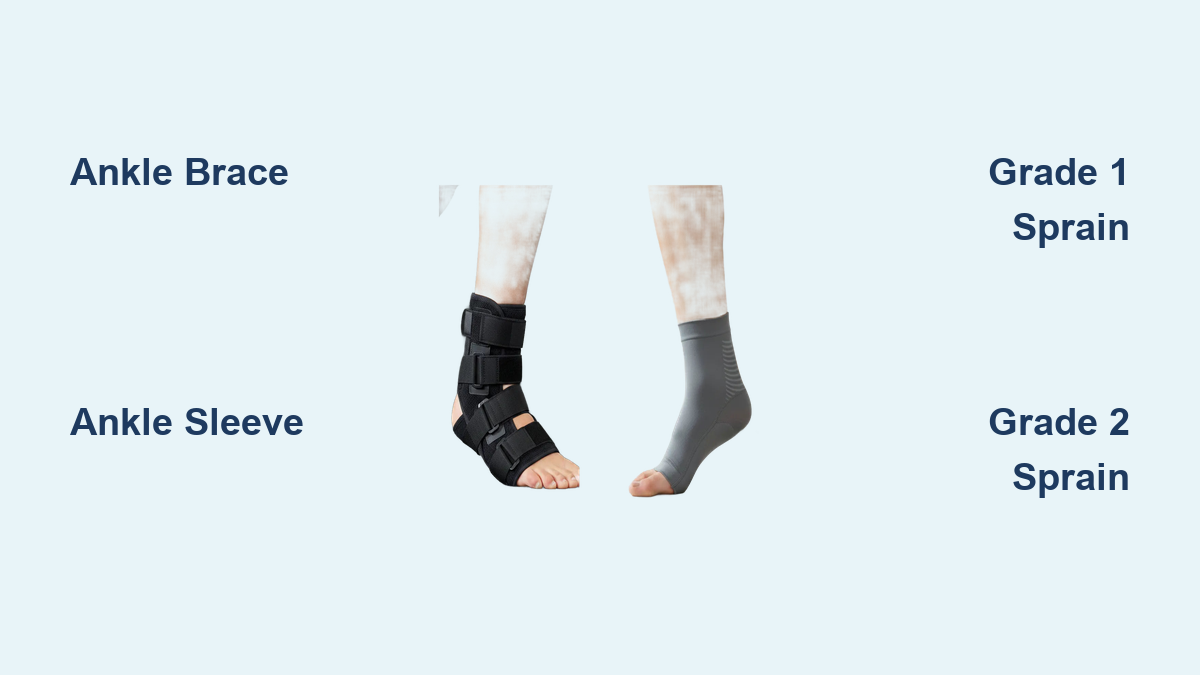
Braces Offer Superior Mechanical Restriction
When it comes to preventing sprains, ankle braces outperform shoes.
- Braces use rigid stays, straps, or sleeves to directly limit inversion and eversion.
- They apply targeted compression and maintain consistent tension throughout activity.
- Users report: “Ankle braces is really the only thing that helped prevent some ankle sprains.” — warsbbeast1
Expert take: “Short answer: no. High top shoes can’t possibly wrap tight enough to restrict movement like a high quality ankle brace would.” — testertom
However, braces also carry risks—like reduced proprioception and gait changes—so they’re best used post-injury or during high-risk play.
Equal Preventive Effectiveness Overall
Orthopedic surgeon Dr. Sara Lyn Miniaci-Coxhead states:
“Studies show that high-top shoes, ankle braces, and taping are likely all equal in their effectiveness in supporting the ankle.”
This means:
– No single method is clearly superior
– Choice should depend on comfort, sport, and personal history
– Combining methods (e.g., brace + well-fitted shoe) may offer the best protection for high-risk individuals
Bottom line: Protection depends more on how you use it than the tool itself.
Strength Beats Support Every Time
Strong Muscles Prevent Sprains Better Than Any Shoe
The strongest predictor of ankle stability? Muscular strength, not footwear.
- The evertor muscles (peroneals) must activate quickly to counteract inversion.
- Research shows they’re more effective when trained—not suppressed by over-supportive shoes.
- Dr. Miniaci-Coxhead emphasizes: “The best prevention for an inversion injury is having strong muscles on the outside of the foot.”
Key truth: No shoe can replace a strong, responsive neuromuscular system.
Athletes with weak ankles often benefit more from targeted training than from switching shoe types.
Essential Exercises for Ankle Stability
Build Dynamic Control with Targeted Moves
To strengthen your natural defenses, incorporate these exercises:
Range of Motion Drills
- Ankle circles: 10 reps clockwise/counter-clockwise (seated)
- Alphabet tracing: Move foot to “write” A–Z in the air
Resistance Band Training
- Inversion/eversion: Anchor band to fixed point; pull foot inward/outward (3 sets of 15)
- Dorsiflexion/plantarflexion: Pull band toward you, then push away
Balance and Proprioception
- Single-leg stance: Hold 30 seconds per leg, eyes open → closed
- Wobble board or BOSU ball: 2–3 minutes daily
Dynamic Warm-Ups
- Jump rope
- Lateral hops
- Walking lunges with twist
Pro tip: Do these 3–4 times per week to build resilience.
Physical therapists can tailor programs for those with chronic instability or post-injury rehab needs.
Final Recommendations
For Injury Prevention
- Strengthen evertor muscles with resistance bands
- Train balance and proprioception weekly
- Warm up dynamically before activity
- Don’t rely on shoes alone
For Footwear Selection
- Choose based on heel counter rigidity, midfoot lockdown, and outsole width
- Test upper stiffness—press on the collar
- Consider low-profile shoes with wide bases for better ground feel
- Use high-tops for environmental protection, not just support
For High-Risk Individuals
- Use ankle braces post-injury for maximum restriction
- Avoid long-term overuse of restrictive shoes to prevent muscle weakening
- Combine braces + well-fitted shoes during intense play
For General Use
- High-tops don’t prevent sprains reliably
- Choose based on comfort, activity, and fit
- Remember: No shoe replaces strong muscles
Final Note: High-top shoes offer modest mechanical benefits in reducing ankle inversion, and many users feel more confident wearing them. But science shows they don’t consistently reduce sprain rates. True stability comes from muscle strength, neuromuscular control, and smart footwear choices—not collar height alone. Whether you wear high-tops or low-tops, invest in your body’s natural defenses first. That’s the real foundation of ankle health.