


Healthcare workers are on their feet for 12-hour shifts, rushing between patients, responding to emergencies, and navigating environments where spills are routine. From operating rooms to hallways, floors can become slick with water, bodily fluids, or disinfectants—making slips, trips, and falls a constant threat. In fact, slips on wet or contaminated floors account for nearly 30% of all non-fatal workplace injuries in the UK, with healthcare staff among the most at risk. In the U.S., these incidents cost over $13 billion annually in workers’ compensation.
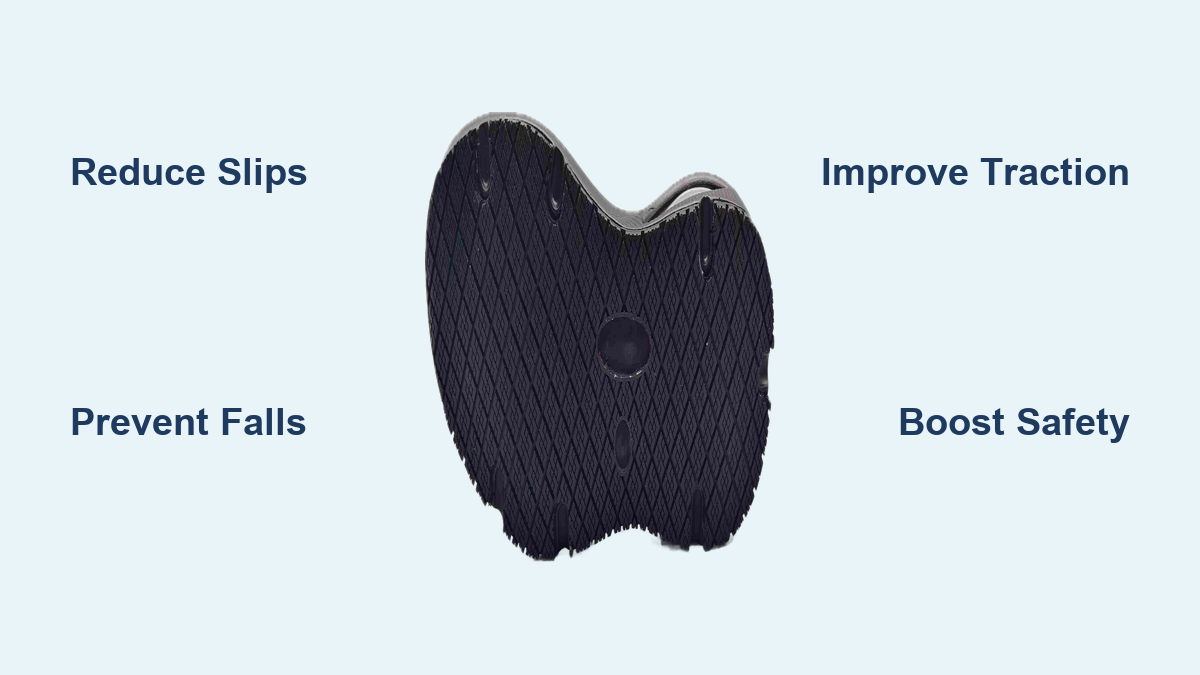
The solution? Non-slip soles. More than just a comfort feature, slip-resistant footwear is a proven form of personal protective equipment (PPE) that significantly reduces injury risk by improving traction on hazardous surfaces. A landmark study of NHS workers found that those wearing 5 GRIP-rated non-slip shoes experienced a 37% lower slip rate and 49% fewer falls* than peers in regular footwear. These aren’t just statistics—they represent real protection for nurses, doctors, aides, and other frontline staff who keep hospitals running.
In this guide, you’ll learn how non-slip soles reduce injury risks, boost job performance, and save healthcare facilities money—all while supporting long-term physical health. You’ll also discover what to look for in quality footwear and how to combine shoes with other safety practices for maximum protection.
Reduce Slips in High-Risk Zones

Healthcare environments are inherently slippery. Mopping, patient spills, rain tracked indoors, and routine cleaning create unpredictable floor conditions. Non-slip soles are engineered to combat these hazards through advanced outsole design and high-friction materials.
Maximize Traction on Wet Floors
Non-slip soles use rubber or polyurethane compounds with a high coefficient of friction, allowing them to grip even when surfaces are wet. The tread patterns—often multi-directional or deeply grooved—channel liquids away from the foot’s contact point, preventing hydroplaning. This is especially critical in areas like:
– Patient bathrooms
– Operating rooms
– Kitchens and utility rooms
– Emergency departments
Unlike standard shoes, which can lose grip instantly on slick tiles, non-slip soles maintain stability during walking, turning, and sudden stops.
Prevent Slips During Rushed Movement
Healthcare workers often respond to alarms, codes, or urgent patient needs with little time to assess floor conditions. Running or fast-walking increases slip risk, especially on recently mopped floors. Non-slip soles provide reliable grip during rapid movement, reducing the chance of losing balance when seconds count.
Pro Tip: Look for shoes tested under ASTM F2913, the standard for measuring slip resistance on wet surfaces.
Prevent Serious Workplace Injuries

A slip doesn’t always result in a fall—but when it does, the consequences can be severe. Non-slip soles don’t just reduce slips; they prevent the injuries that follow.
Avoid Fractures and Sprains
Common slip-related injuries include:
– Wrist or ankle fractures
– Hip fractures (especially in older workers)
– Ligament sprains (e.g., ACL, MCL)
– Back and spinal injuries
– Concussions from head impact
In the SSHeW trial, one worker in the control group suffered a broken ankle after slipping—highlighting how quickly a minor hazard can lead to serious harm. With a 49% reduction in fall rates, non-slip footwear directly lowers the risk of such injuries.
Protect Against Long-Term Disability
Musculoskeletal injuries from falls can lead to chronic pain, reduced mobility, or early retirement. Lower back injuries and joint damage may require surgery or long-term therapy. By preventing slips, non-slip soles help healthcare workers stay active and on the job longer.
Warning: Workers over 50 are at higher risk for severe injury from falls. Slip-resistant shoes are especially important for experienced staff.
Boost Confidence and Clinical Focus
Safety isn’t just physical—it’s psychological. When healthcare workers worry about slipping, their attention divides between patient care and self-protection.
Improve Mental Focus During Shifts
Wearing reliable non-slip shoes reduces background anxiety about floor safety. Nurses and aides can focus fully on:
– Monitoring patient vitals
– Administering medications
– Communicating with teams
– Responding to emergencies
This mental clarity enhances situational awareness and decision-making, especially during high-pressure moments.
Increase Job Satisfaction and Retention
Feeling safe at work improves morale. Staff who trust their footwear are more likely to report higher job satisfaction and lower stress levels. Facilities that provide or require slip-resistant shoes often see:
– Lower turnover
– Fewer absenteeism days
– Stronger safety culture
Expert Note: In a U.S. hospital study, slip-resistant footwear adoption was linked to a 58% drop in workers’ comp claims—a sign of both safety and employee confidence.
Support Physical Health All Shift Long
Healthcare shifts last 12+ hours, with minimal sitting. Non-slip shoes aren’t just about traction—they’re designed for endurance.
Reduce Foot and Back Fatigue
Many slip-resistant models include:
– Memory foam or EVA midsoles for cushioning
– Arch support to prevent overpronation
– Heel counters for ankle stability
– Contoured footbeds for natural alignment
These features reduce strain on feet, knees, hips, and lower back, helping workers avoid fatigue-related discomfort.
Prevent Chronic Conditions
Prolonged standing without support contributes to conditions like:
– Plantar fasciitis
– Shin splints
– Varicose veins
– Lower back pain
Shoes with proper support and shock absorption help mitigate these risks, promoting long-term musculoskeletal health.
Pro Tip: Choose lightweight designs to reduce leg fatigue over long shifts.
Cut Costs for Hospitals and Clinics
Non-slip footwear isn’t just an individual benefit—it’s a smart investment for healthcare institutions.
Lower Workers’ Compensation Claims
A U.S. study of food service workers found that providing 5-star slip-resistant shoes led to a 67% reduction in slip-related claims. Similar results appear in healthcare:
– Fewer slips = fewer injury reports
– Fewer falls = fewer paid leave days
– Reduced legal and medical costs
Reduce Absenteeism and Training Expenses
Injured workers often take time off for recovery. Replacing them requires overtime pay or hiring temporary staff—both costly. By preventing injuries, non-slip shoes help maintain stable staffing and reduce training costs for new hires.
Qualify for Insurance Discounts
Insurers assess workplace risk when setting premiums. Facilities with strong safety programs—including mandatory slip-resistant footwear—may qualify for lower rates due to reduced claim histories.
Bottom Line: The average slip-related injury costs thousands in medical and administrative expenses. Prevention pays.
Meet Safety Standards and Avoid Penalties
Regulatory bodies expect healthcare employers to protect workers from known hazards—even when spills can’t be prevented immediately.
Comply With OSHA and Institutional Rules
OSHA’s 29 CFR 1910 Subpart D requires employers to maintain dry, clean walking surfaces and provide protective measures when hazards exist. Non-slip footwear is considered a recognized control measure when engineering controls (like immediate cleanup) aren’t enough.
Many hospitals now mandate slip-resistant shoes as part of uniform policies—especially in high-risk departments like ERs, ICUs, and surgical units.
Choose Footwear With Verified Ratings
Not all “non-slip” shoes are equal. Look for:
– 5* GRIP Rating (UK): Based on real-world testing with wet, greasy, and contaminated floors
– ASTM F2913: U.S. standard for measuring slip resistance
– ISO 13287:2012: International test for personal protective footwear
These certifications ensure the shoes perform under actual working conditions—not just in labs.
Warning: Avoid fashion shoes labeled “slip-resistant” without independent testing. Many fail under real-world conditions.
Maintain Hygiene and Infection Control
In healthcare, shoes aren’t just about safety—they’re part of infection prevention.
Block Fluid Absorption and Contamination
Many non-slip shoes use:
– Waterproof rubber or seamless leather
– Non-porous uppers that resist blood, urine, and chemicals
– Easy-to-clean surfaces that can be wiped or disinfected
This prevents fluids from soaking into the shoe, reducing cross-contamination risks between patient areas.
Support Daily Sanitation Protocols
Shoes that are simple to clean help staff comply with hygiene standards. Features like:
– Smooth, stain-resistant finishes
– Odor-resistant linings
– Mold- and mildew-proof materials
…make it easier to maintain clean footwear throughout shifts and between uses.
Pro Tip: Avoid shoes with fabric uppers or stitching that traps moisture and bacteria.
Choose the Right Features for Safety
Not all slip-resistant shoes offer the same protection. To get the most benefit, focus on key design elements.
Pick the Best Outsole Material
Opt for:
– Natural rubber: Excellent grip on wet tiles
– Polyurethane: Durable and lightweight, good for long shifts
– Thermoplastic rubber (TPR): Balanced traction and flexibility
Avoid hard plastic soles, which offer minimal grip on slick surfaces.
Look for Smart Tread Patterns
Effective treads include:
– Deep, multidirectional grooves
– Siping (thin slits in the sole for flexibility and grip)
– Lugs for dispersing liquids
These features increase surface contact and prevent slipping during side-to-side movements.
Prioritize Fit and Comfort
Even the best sole won’t help if the shoe causes blisters or pain. Choose models with:
– Adjustable straps or laces
– Wide toe boxes
– Removable insoles for orthotics
– Breathable mesh panels to prevent sweating
Expert Note: Poor fit leads to early shoe replacement and increased injury risk.
Trusted Brands for Healthcare Staff

Several brands specialize in footwear that combines safety, comfort, and durability.
Top Picks for Nurses and Aides
- Dansko: Known for clogs with excellent arch support and 5* GRIP-rated outsoles
- Crocs Professional: Lightweight, waterproof, and easy to disinfect—ideal for surgery
- Skechers Work: Memory foam comfort with ASTM-compliant traction
- Nurse Mates: Designed specifically for healthcare workers, with cushioned soles
- Merrell: Athletic-style shoes with breathable uppers and rugged grip
Pro Tip: Replace shoes every 6–12 months or when treads show visible wear.
Combine Shoes With Other Safety Steps
Non-slip soles are powerful—but they work best as part of a full safety strategy.
Clean Spills Immediately
Even the best shoes can’t prevent slips on large puddles. Follow the “see it, clean it” rule:
– Use absorbent pads for bodily fluids
– Mark wet floors with warning signs
– Assign cleaning staff to high-traffic zones
Use Anti-Slip Mats Strategically
Place mats in:
– Patient bathrooms
– Kitchen entrances
– Lab doorways
– Handwashing stations
These add extra traction in the slippiest areas.
Train Staff on Safe Movement
Teach workers to:
– Walk, don’t run, during emergencies
– Take shorter steps on wet floors
– Avoid carrying items that block vision
– Report damaged flooring or worn-out shoes
Key Point: Footwear is the last line of defense. Engineering and administrative controls should come first.
Final Note: Non-slip soles are a simple, science-backed way to protect healthcare workers from one of the most common workplace hazards. With a 37% reduction in slips and 49% fewer fall-related injuries, they deliver measurable safety, health, and financial benefits. When combined with comfort, hygiene, and compliance features, high-quality slip-resistant shoes are not just footwear—they’re essential protective gear. For hospitals and individual practitioners alike, choosing the right pair is a small step that leads to safer, more confident care.