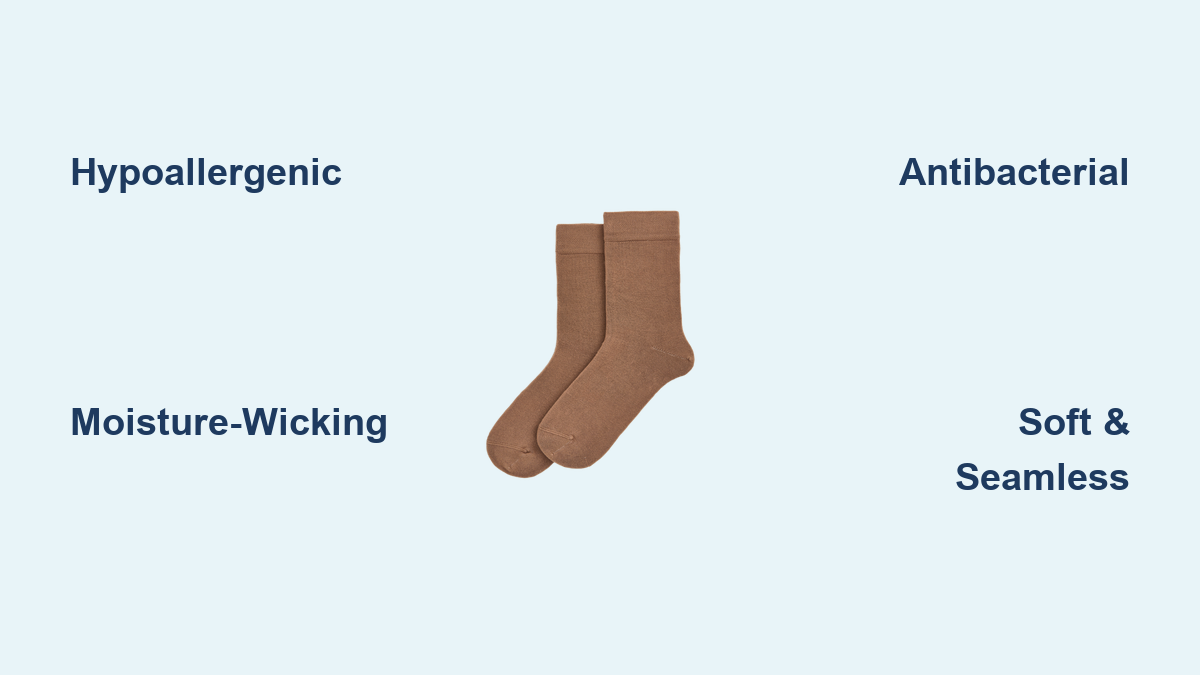
If you’ve ever pulled on a pair of socks and immediately felt a prickling itch, noticed redness, or experienced raw discomfort by midday, you’re not alone. For people with sensitive skin—whether due to eczema, diabetes, allergies, or environmental triggers—finding socks that don’t aggravate the skin can feel nearly impossible. Cotton can retain moisture, wool often itches, and synthetics trap heat and sweat. But there’s a growing solution that’s changing the game: bamboo socks. Made from naturally soft, breathable, and hypoallergenic bamboo fibers, these socks are engineered to protect and soothe delicate skin. With superior moisture control, built-in antibacterial properties, and a silky texture gentler than cotton, bamboo socks reduce friction, prevent irritation, and support long-term foot health. This guide explores the science-backed benefits of bamboo socks for sensitive skin and why they’re becoming a top choice for dermatologists, diabetics, and comfort seekers alike.
Hypoallergenic Protection for Reactive Skin
Bamboo socks are naturally hypoallergenic, making them one of the safest choices for people with easily irritated or allergy-prone skin. Unlike synthetic fabrics or even conventional cotton, bamboo fibers are less likely to cause itching, rashes, or inflammation. Their smooth surface minimizes micro-abrasions, a common trigger for flare-ups in conditions like eczema, psoriasis, and diabetic dermatopathy.
Low Risk of Allergic Reactions
Bamboo fibers contain no common allergens found in wool or synthetic textiles. When processed using closed-loop lyocell methods, the production avoids harsh chemical residues, significantly reducing the risk of skin sensitization. This purity makes bamboo socks ideal for children, older adults, and anyone managing chronic skin conditions. Unlike cotton, which can trap dust, pollen, and detergent residues, bamboo resists allergen buildup, offering a cleaner, safer barrier for sensitive skin.
Gentle on Compromised Skin Barriers
Sensitive skin often has a weakened protective barrier, leaving it vulnerable to irritation and infection. Bamboo’s fine, rounded fibers glide over the skin instead of scratching it, preventing chafing and micro-tears. Many users with atopic dermatitis report fewer flare-ups after switching to bamboo socks, thanks to their non-irritating structure and reduced friction. For those with neuropathy or circulation issues, this gentle contact is essential in preventing unnoticed sores or ulcers.
Unmatched Softness for Daily Comfort
The moment you slip on a pair of bamboo socks, the difference is noticeable. Wearers often describe the sensation as “cloud-like” or “silky,” and it’s not just perception—it’s rooted in the fiber’s physical properties. Bamboo cellulose fibers are finer and smoother than cotton, creating a luxuriously soft texture that’s ideal for even the most reactive skin.
Softer Than Cotton or Wool
While cotton is a common go-to for sensitive skin, bamboo outperforms it in both softness and flexibility. Wool, though warm, can be scratchy and trigger histamine responses in people with sensitive skin. Bamboo delivers warmth without itch and softness without fragility. It’s the ideal middle ground—providing comfort without sacrificing durability.
Seamless Design Reduces Pressure Points
Many high-quality bamboo socks feature flat-knit or seamless toe closures, eliminating the bulky seams that dig into toes and cause irritation. This design is especially beneficial for people with diabetic neuropathy or poor circulation, where pressure sores and skin breakdown are serious concerns. By removing friction points, seamless bamboo socks help prevent blisters and calluses before they start.
“They’re so gentle, it feels like you’re walking on clouds.”
— Verified user review
Superior Moisture-Wicking for Dryer Feet

Moisture is a major culprit behind skin irritation, fungal infections, and blisters. Bamboo excels at keeping feet dry by pulling sweat away from the skin and releasing it into the air—up to 70% more efficiently than cotton.
Absorbs 70% More Moisture Than Cotton
Bamboo fibers can absorb up to three times more moisture than cotton before feeling damp. This means your feet stay dry longer, even during long walks, workouts, or hot weather. By reducing prolonged exposure to sweat, bamboo helps prevent maceration—the softening and peeling of skin that can lead to cracks, infections, and discomfort.
Prevents Blisters and Skin Sores
Damp skin increases friction, making it more prone to blisters and abrasions. Bamboo’s rapid moisture absorption and quick-drying properties significantly lower this risk. This is especially critical for athletes, hikers, and diabetics, where even minor skin damage can escalate into serious complications.
Ideal for Hyperhidrosis
If you struggle with excessive sweating (hyperhidrosis), bamboo socks offer real relief. Their breathable weave and high absorbency create a drier microclimate inside your shoes, reducing discomfort and minimizing the need for frequent sock changes. Unlike synthetic moisture-wicking fabrics that rely on chemical treatments, bamboo’s performance is natural and non-irritating.
Natural Antibacterial and Odor-Fighting Power
Bamboo contains a bio-agent called bamboo kun, a natural compound that gives the plant resistance to bacteria, fungi, and pests. This protection carries over into the fabric, offering long-term hygiene benefits without the need for chemical additives.
Fights Odor-Causing Bacteria
Bacteria like Staphylococcus and Micrococcus thrive in warm, moist environments—like sweaty shoes. Bamboo kun inhibits their growth, reducing both odor and the risk of skin irritation from bacterial byproducts. Unlike synthetic antimicrobials (e.g., silver nanoparticles), bamboo’s protection is non-toxic and won’t sensitize the skin over time.
Resists Fungal Infections Like Athlete’s Foot
Fungi such as Trichophyton, the cause of athlete’s foot, struggle to grow on bamboo fibers. This makes bamboo socks a smart preventive choice for those prone to fungal infections or recovering from them. The combination of dryness and natural antifungal properties creates an inhospitable environment for pathogens.
Stays Fresh Longer Between Washes
Thanks to its antimicrobial properties, bamboo socks stay odor-free and hygienic for longer. This reduces the need for daily washing, which in turn lowers exposure to detergents, fragrances, and fabric softeners—common triggers for contact dermatitis. Fewer washes also mean less wear and tear, extending the life of the socks.
“Bamboo kun makes the socks antifungal and antibacterial. It fights the bacteria that cause smells.”
— Article 2
Temperature Regulation for Balanced Comfort

Sensitive skin reacts strongly to temperature changes—overheating leads to sweating and irritation, while cold causes dryness and cracking. Bamboo fibers naturally balance both extremes, helping maintain a stable foot climate year-round.
Keeps Feet Cool in Heat
The porous structure of bamboo allows air to circulate freely, wicking moisture and dissipating heat. This breathability keeps feet cool during summer months or physical activity, reducing sweat-related irritation and discomfort.
Provides Light Insulation in Cold
Despite being lightweight, bamboo retains warmth without trapping excess heat. This makes it suitable for winter wear, offering gentle insulation without the bulk or itch of wool. It’s ideal for people with Raynaud’s syndrome or neuropathy, who need consistent warmth without overheating.
Prevents Temperature-Related Flare-Ups
Sudden temperature shifts can trigger pain or discomfort in sensitive individuals. Bamboo’s thermal adaptability helps buffer these changes, supporting overall foot comfort and reducing stress on nerve endings.
“They help keep your feet warm in the cold and cool in the heat.”
— Article 2
Lowers Risk of Infections and Skin Damage

For high-risk users—especially those with diabetes—foot health is a matter of safety. Bamboo socks play a preventive role by supporting hygiene, reducing infection risk, and protecting fragile skin.
Maintains a Healthy Skin pH
Bamboo fibers help preserve the skin’s slightly acidic surface, which acts as a natural defense against harmful bacteria and fungi. This balanced pH discourages pathogen colonization and supports skin resilience.
Reduces Detergent Exposure
Because bamboo resists odor and bacteria, it requires fewer washes. This means less contact with detergents, fragrances, and fabric softeners—common culprits behind contact dermatitis.
Recommended by Foot Care Professionals
Podiatrists and dermatologists increasingly recommend bamboo socks as part of daily foot care routines, especially for diabetic patients. Their combination of softness, moisture control, and infection resistance aligns perfectly with medical guidelines for foot protection.
Eco-Friendly and Non-Toxic by Design
Choosing bamboo isn’t just good for your skin—it’s good for the planet. The sustainability of bamboo cultivation indirectly benefits skin health by minimizing exposure to pesticides, dyes, and pollutants.
Grows Without Pesticides or Fertilizers
Bamboo is one of the fastest-growing plants on Earth and thrives without synthetic inputs. This reduces environmental contamination and lowers the risk of chemical residues in the final fabric.
Biodegradable and Microplastic-Free
Unlike polyester or nylon, which shed microplastics and persist in landfills for centuries, bamboo is fully biodegradable. When composted, it breaks down naturally without harming ecosystems.
Low Water Footprint
Bamboo uses up to 30% less water than cotton farming, making it a more sustainable choice without sacrificing quality. This eco-efficiency supports ethical production practices that prioritize both human and environmental health.
“Bamboo is one of the fastest-growing plants in the world, requiring less water and pesticides than cotton.”
— Article 1
Who Benefits Most From Bamboo Socks?
Bamboo socks aren’t just a luxury—they’re a functional solution for specific high-need groups:
- Eczema & psoriasis sufferers: Reduced friction and moisture help prevent flare-ups.
- Diabetics: Softness, dryness, and infection resistance support foot health.
- Hyperhidrosis patients: Superior wicking manages excessive sweat.
- Allergy-prone individuals: Hypoallergenic fibers minimize reactions to wool, synthetics, or dyes.
- Children & elderly: Thin, delicate skin benefits from gentle materials.
- Athletes: Fewer blisters, less odor, and faster drying enhance performance.
How to Care for Bamboo Socks
Proper care extends the life of your socks and preserves their skin-friendly properties.
Machine Washable at 40°C
Bamboo socks can be washed with regular laundry using mild detergent. Keep water temperature at or below 40°C (104°F) to protect fiber integrity.
Skip Fabric Softeners
Avoid fabric softeners—they coat fibers and reduce moisture-wicking ability. They can also leave residues that irritate sensitive skin.
Air-Dry When Possible
While tumble drying on low is acceptable, air-drying preserves elasticity and prevents shrinkage. Hang socks flat or on a rack to maintain shape.
No Ironing Needed
Bamboo is naturally wrinkle-resistant. There’s no need to iron, which could degrade fibers and reduce breathability.
“You can machine wash them with your regular laundry… they don’t need ironing.”
— Article 2
Bamboo socks deliver a powerful combination of comfort, protection, and sustainability for sensitive skin. From their hypoallergenic nature and silky softness to natural antibacterial defense and temperature regulation, they outperform cotton, wool, and synthetics in nearly every category. Whether you’re managing a chronic skin condition or simply want gentler everyday wear, bamboo socks offer a scientifically supported, dermatologist-approved solution. With proper care, they remain effective, comfortable, and skin-safe for years—making them a smart investment in long-term foot health.