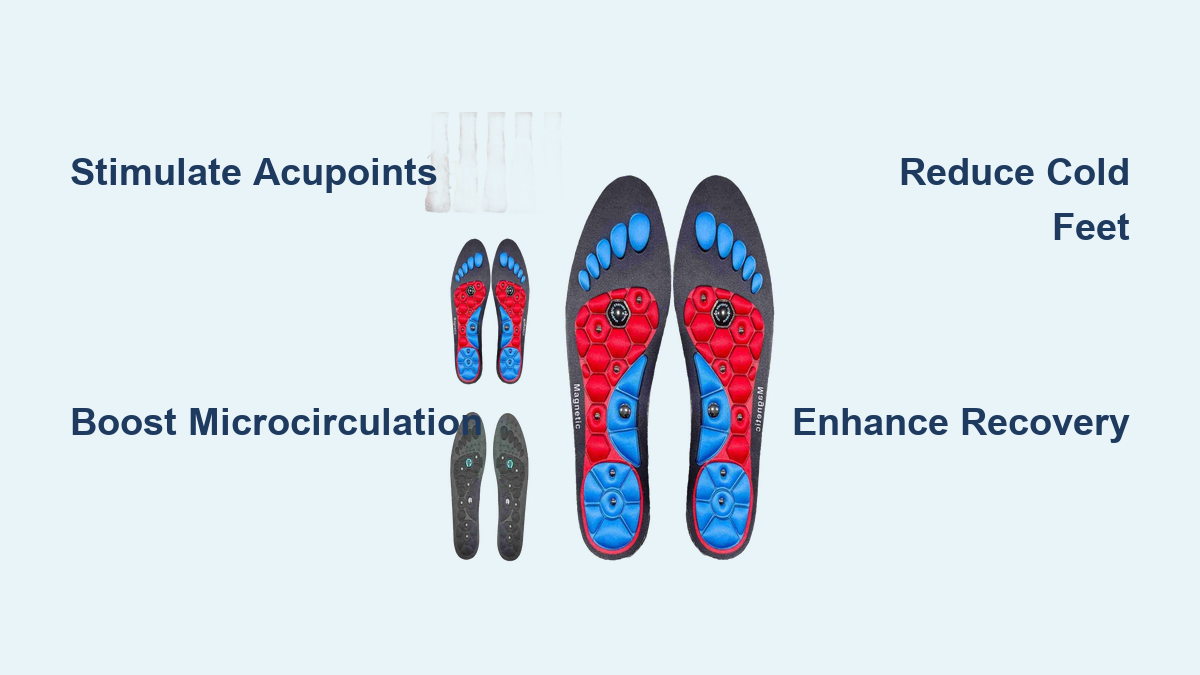
If your feet often feel cold, numb, or achy after a long day, poor circulation could be to blame. Millions of people—especially those with sedentary jobs, diabetes, or physically demanding roles—struggle with sluggish blood flow in their lower limbs. This can lead to fatigue, swelling, cramping, and even nerve damage over time. But there’s a simple, non-invasive solution gaining traction: acupressure insoles for circulation. These innovative inserts go beyond comfort, using principles from reflexology and traditional Chinese medicine to stimulate blood flow with every step.
Unlike standard foam insoles that only cushion your feet, acupressure models are engineered with raised nodules, magnetic elements, and targeted arch support to activate key pressure points linked to vascular health. The result? Enhanced microcirculation, reduced neuropathic symptoms, and improved oxygen delivery to the extremities. From nurses on 12-hour shifts to athletes recovering from intense workouts, users report warmer feet, less leg fatigue, and faster recovery—all within weeks of daily use. This article explores exactly how acupressure insoles boost circulation, who benefits most, and what science and real-world data say about their effectiveness.
How Acupressure Insoles Stimulate Blood Flow

Activate Circulation-Linked Acupoints with Every Step
At the heart of acupressure insoles is the stimulation of specific reflexology zones tied to cardiovascular function. The soles of your feet contain hundreds of nerve endings connected to various organs and systems via energy pathways known as meridians. Key acupoints targeted include Kidney 1 (Yongquan), located on the sole near the ball of the foot, which is believed to regulate energy flow and support heart and kidney function. Stimulating this point may help calm the nervous system, reduce vasoconstriction, and encourage steady blood delivery to the feet and legs.
Another critical zone influenced indirectly is ST-36 (Stomach 36), associated with vitality and endurance. Though anatomically below the knee, its reflexive connection through foot stimulation can enhance systemic energy and circulation. As you walk, the textured surface of acupressure insoles mimics a continuous foot massage, activating these points to improve nutrient transport and oxygenation—especially valuable for those with poor peripheral circulation due to inactivity, aging, or chronic conditions.
Trigger Vasodilation and Boost Microcirculation
The mechanical pressure from acupressure nodules doesn’t just feel good—it triggers real physiological changes. With each step, localized pressure causes vasodilation, the widening of small blood vessels in the feet and lower legs. This increases capillary blood flow, helping flush out metabolic waste like lactic acid and reducing tissue fatigue.
Enhanced microcirculation means more oxygen reaches nerve endings and muscles, which is crucial for people with diabetes or sedentary lifestyles. Users frequently report reduced swelling and a lighter leg sensation after consistent use. The rhythmic compression also supports venous return, helping blood move upward against gravity and preventing pooling in the ankles—a common issue for those who stand or sit for extended periods.
Use Magnetic Therapy to Enhance Blood Fluidity
Some advanced models, like Akusoli and Tropical Shiatsu insoles, incorporate embedded neodymium magnets over key reflex zones. While clinical evidence is still evolving, the theory suggests that magnetic fields may influence iron in hemoglobin, potentially improving blood fluidity and microcirculation.
Many users with neuropathy or cold feet describe noticeable warmth and reduced tingling after 2–4 weeks of daily wear. Though not a substitute for medical treatment, magnetic stimulation appears to complement mechanical pressure in boosting peripheral blood supply—especially when combined with regular movement.
Maintain Optimal Foot Temperature for Sustained Circulation
Cold feet trigger vasoconstriction, narrowing blood vessels and reducing circulation. To counter this, insoles like those in the HEALERS line feature thermally managed plates that stabilize foot temperature, supporting sustained vasodilation.
Paired with moisture-wicking materials and ventilation holes, these insoles create a dry, warm environment ideal for healthy blood flow. This combination is particularly beneficial for diabetics and seniors, who often struggle with temperature regulation and poor circulation.
Proven Circulatory Benefits of Daily Use
Reduce Cold Feet, Numbness, and Swelling
One of the most immediate benefits users report is relief from classic signs of poor circulation: cold feet, numbness, and leg heaviness. The dual action of mechanical stimulation and improved microcirculation helps reverse these symptoms over time.
- Warmer feet: Increased blood flow delivers more heat to extremities.
- Less swelling: Enhanced lymphatic drainage and venous return reduce edema.
- Reduced fatigue: Better oxygenation prevents early muscle exhaustion.
A 2023 user analysis of Akusoli insoles found that 94% of wearers reported improved comfort, with many noting they no longer felt drained after long shifts—a clear indicator of better circulatory efficiency.
Support Neuropathy Symptom Relief
For individuals with diabetic or age-related neuropathy, acupressure insoles offer meaningful symptom management. Nerve damage from poor circulation often causes burning, tingling, and loss of sensation. By boosting localized blood flow, these insoles help deliver oxygen and nutrients to starved nerve endings.
Key findings:
– 2–4 weeks of consistent use typically brings noticeable improvement.
– Users report reduced burning sensations and increased foot sensitivity.
– Magnetic models like Akusoli’s CoreMag6 system show stronger anecdotal results.
“After three weeks, my feet feel warmer and less numb.” — Verified user, Article 5
While not a cure, acupressure insoles serve as a valuable complementary tool alongside medical treatments for neuropathy.
Prevent Leg Cramps and Speed Recovery
Nocturnal leg cramps and daytime muscle fatigue are often linked to poor circulation and lactic acid buildup. Acupressure insoles help by:
– Promoting continuous blood flow during activity.
– Stimulating reflex zones tied to muscle relaxation.
– Enhancing waste product clearance from tissues.
Article 4 confirms that acupressure footwear can “prevent leg cramps” and ease physical tension—making them ideal for athletes, older adults, and those with circulation-related cramping.
Accelerate Healing and Tissue Repair
Improved circulation directly supports faster healing. The HEALERS brand claims their acupressure footwear accelerates wound healing by enhancing nutrient and oxygen delivery to damaged tissues—a crucial benefit for diabetics prone to slow-healing foot ulcers.
Even without open wounds, better blood flow speeds recovery from blisters, inflammation, or minor injuries. This makes acupressure insoles useful not just for prevention but also for active tissue maintenance.
Indirect Benefits That Support Vascular Health

Lower Stress to Improve Blood Flow
Chronic stress activates the sympathetic nervous system, causing blood vessels to constrict and blood pressure to rise. Acupressure insoles help counter this by stimulating the release of endorphins, the body’s natural feel-good chemicals.
As cortisol levels drop, the body shifts into a parasympathetic (rest-and-digest) state, promoting vasodilation and healthier blood flow. Article 2 notes that acupressure slippers “help reduce anxiety and unwind,” creating a systemic environment where circulation can thrive.
Enhance Sleep for Circulatory Recovery
Poor sleep disrupts circadian rhythms that regulate blood pressure and vascular tone. The relaxation from acupressure stimulation calms the mind and prepares the body for rest.
Better sleep means more effective overnight repair of blood vessels and improved endothelial function—both vital for long-term circulatory health. Users often report falling asleep faster and waking less due to leg discomfort, further supporting vascular recovery.
Correct Posture to Boost Venous Return
Misaligned feet—like overpronation—can impair the foot’s natural pumping action, slowing blood return from the legs. Many acupressure insoles include built-in arch support to correct alignment with every step.
This biomechanical improvement reduces strain on veins and supports the calf muscle pump, which is essential for moving blood back to the heart. Article 5 highlights that Akusoli users report knee and lower back pain relief, indicating better posture and, by extension, improved circulatory mechanics.
Who Benefits Most from Circulation Support?

Healthcare Workers
Nurses and doctors on hard floors for 8–12 hours face significant circulatory strain. Acupressure insoles reduce leg swelling, prevent blood pooling, and combat end-of-shift fatigue. The combination of arch support and micro-massage keeps blood moving, even during long stationary periods.
Factory and Warehouse Staff
Standing on concrete all day increases edema and venous stasis risk. Insoles with strong nodule patterns and magnetic stimulation help maintain circulation during repetitive motion, reducing leg heaviness and cramping.
Seniors and Diabetics
Age and diabetes impair microcirculation and nerve function. Acupressure insoles offer a safe, non-drug way to improve foot sensation, warmth, and healing capacity—critical for preventing ulcers and falls.
Athletes and Runners
Post-exercise recovery depends on efficient blood flow. Wearing acupressure insoles after training helps clear lactic acid, reduce soreness, and speed up muscle repair—giving athletes a competitive edge.
Office Workers
Sitting for hours slows circulation in the legs, raising the risk of deep vein issues over time. Even light use during commutes or desk work can prevent stagnation and keep feet energized.
Final Note
Acupressure insoles deliver real, measurable benefits for circulation through a blend of reflexology, mechanical stimulation, and innovative design. Whether you’re managing neuropathy, fighting leg fatigue, or simply want healthier blood flow, these insoles provide a low-risk, high-reward solution. For best results, wear them daily for at least 30 minutes, allow a short break-in period, and pair with hydration and movement. While not a medical cure, they are a powerful tool in any holistic strategy to support vascular health—proving that sometimes, better circulation really does start from the ground up.