How to Use Silicone Heel Cups for Spur Relief: A Complete Step-by-Step Guide

If your first steps out of bed feel like walking on a sharp stone, you are far from alone. Heel pain linked to a heel spur and an irritated plantar fascia is one of the most common foot complaints in adults, and it often turns simple daily routines into a struggle. The good news is that many people find meaningful comfort with simple, non-invasive tools, and silicone heel cups are among the most popular.
But a heel cup only helps when it is the right size, worn the right way, and used as part of a sensible routine. In this guide you will learn what a heel spur actually is, how silicone heel cups work, how to choose a good pair, exactly how to wear them, how to build up wearing time, the mistakes that reduce results, and when it is time to see a professional.
Quick Summary
- A silicone heel cup cushions the heel pad, absorbs impact, and holds the natural fat pad under the heel bone.
- Choose a cup that matches your shoe size range, heel width, and the depth of your shoes.
- Wear it centered under the heel, in both shoes, and increase wearing time gradually.
- Combine it with stretching, supportive footwear, and activity management for best results.
- See a healthcare professional if pain is severe, getting worse, or not improving after several weeks.
What Is a Heel Spur?
A heel spur (also called a calcaneal spur) is a small, bony outgrowth that can form on the underside of the heel bone. It usually develops slowly over months or years in response to repeated strain on the tissues of the foot. Many spurs cause no symptoms at all and are only discovered by chance on an X-ray.
When pain does occur, it is often not the bony growth itself that hurts. The discomfort commonly comes from the surrounding soft tissue, especially the plantar fascia, a thick band of tissue that runs from the heel bone to the base of the toes and supports the arch. When this band is overloaded, it can become irritated and tender right where it attaches to the heel.

Common Signs of Spur-Related Heel Pain
- Sharp or stabbing pain in the bottom of the heel with the first steps in the morning
- Pain after standing up from a long period of sitting
- Tenderness when pressing on the underside of the heel
- Discomfort that eases a little with movement, then returns after long periods on your feet
- Pain that is worse on hard floors or when walking barefoot
Why Do Heel Spurs and Heel Pain Develop?
Several everyday factors can increase the strain on the heel:
- Long hours standing or walking, especially on hard surfaces
- Unsupportive or worn-out footwear, such as flat, thin-soled shoes
- Excess body weight, which increases the load on the heel with every step
- Tight calf muscles or Achilles tendon, which pull on the heel bone
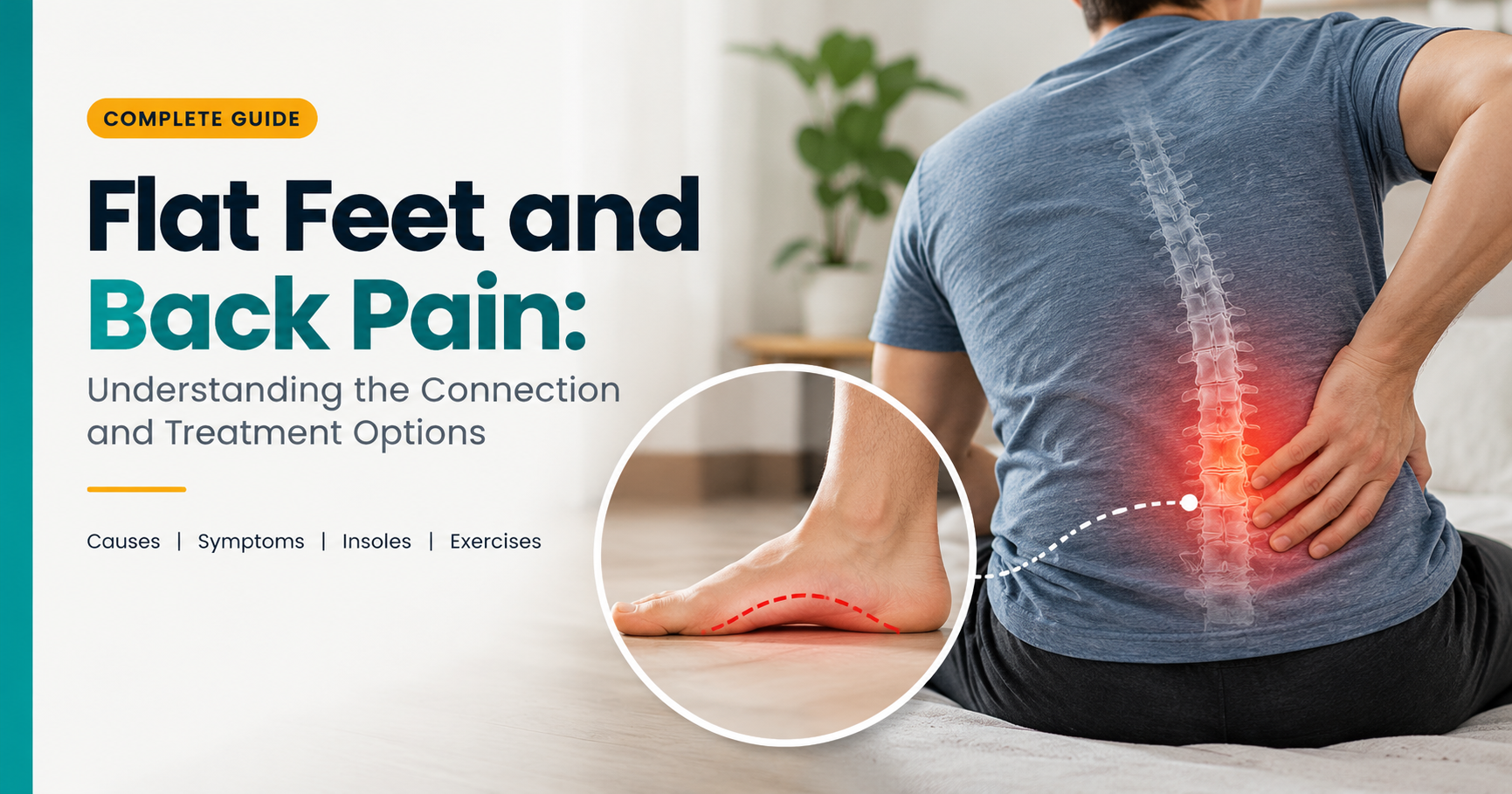
- Foot structure, such as flat feet or very high arches
- Sudden increases in activity, such as starting running or long walks too quickly
- Natural thinning of the heel fat pad with age
What Are Silicone Heel Cups?
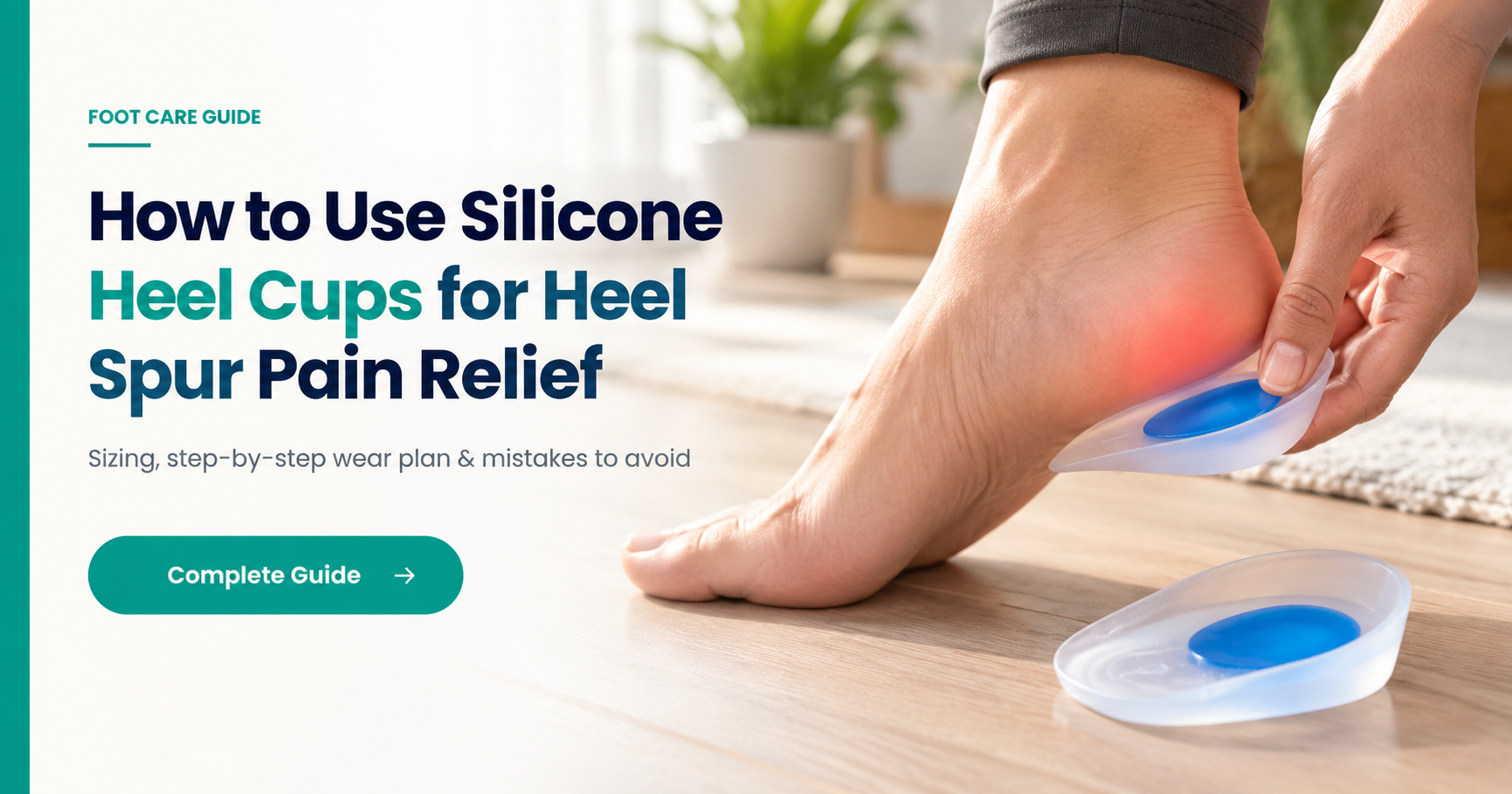
A silicone heel cup is a soft, flexible insert shaped like a shallow bowl. It sits inside your shoe under the back of the foot. The raised walls of the cup hug the sides of the heel, while the thicker base provides a layer of shock-absorbing cushioning between your heel and the hard sole of the shoe.
Medical-grade silicone is popular for this purpose because it is soft, durable, and resilient. It compresses under load and then returns to its original shape, so it keeps cushioning step after step. Many cups are also easy to wash, which is a practical advantage for daily use.
How Do Silicone Heel Cups Help With Spur Relief?
Heel cups do not make a spur disappear. Their job is to reduce the load and irritation at the heel so that your body is more comfortable while the tissues settle down. Here is how they help:
1. Shock Absorption
Every step sends a wave of impact up from the ground. A soft silicone base absorbs part of that force before it reaches the sensitive area under the heel.
2. Pressure Redistribution
The cup spreads pressure over a wider area instead of letting it concentrate on one tender point. This is particularly valuable if you spend many hours on hard floors.
3. Heel Pad Containment
The natural fat pad under your heel acts as a built-in cushion. The raised walls of a heel cup help keep this pad centered and compact under the heel bone, so it can do its job more effectively.
4. Gentle Heel Positioning
Because the cup hugs the heel, it helps keep the foot positioned consistently inside the shoe. Some users also find that a slight lift at the heel reduces the stretch on the calf and plantar fascia during walking.

Important to know
A heel cup is a comfort and support tool, not a cure by itself. Most people get the best results when it is combined with stretching, good shoes, and sensible activity.
Who Can Benefit From Silicone Heel Cups?
- People who feel pain under the heel when standing or walking
- Workers on their feet all day, such as nurses, teachers, retail staff, and factory workers
- Walkers and runners who feel heel soreness after activity
- Adults with a thinning heel fat pad
- People who must wear hard-soled shoes for long hours
How to Choose the Right Silicone Heel Cups
Not all heel cups are the same, and the wrong choice can feel uncomfortable or push your heel out of the shoe. Check the following before you buy:
| Feature | What to Look For | Why It Matters |
|---|---|---|
| Size | Match the manufacturer size chart to your shoe size and heel width | A cup that is too small cannot contain the heel; one that is too large can slip and rub |
| Material | Soft, medical-grade silicone that is skin-friendly | Provides cushioning that recovers its shape and lasts longer |
| Thickness | Enough cushioning to feel supportive, but not so thick that the shoe feels tight | Too much height can push the heel out of the back of the shoe |
| Cup Depth & Walls | Gently contoured walls that hug the heel without squeezing | Keeps the heel pad centered and the cup stable |
| Surface | Smooth, slightly textured, or covered with a soft fabric top | Reduces slipping and friction against socks or skin |
| Care | Washable and easy to dry | Helps with hygiene and odor control |
Check Your Shoes Too
Before you start, look at the shoes you wear most. Heel cups work best in shoes with a firm heel counter, a removable insole, and enough room at the back. Shoes that are already snug may feel too tight with the cup inside. If your insole is removable, taking it out and placing the cup on the flat shoe base can create more room, but only do this if the shoe still feels secure.
How to Use Silicone Heel Cups for Spur Relief: Step by Step
Step 1: Start With Clean, Dry Feet and Shoes
Wash and dry your feet, and wipe the inside of your shoe so the cup sits flat. Moisture can cause slipping and skin irritation, so make sure everything is dry.
Step 2: Place the Cup Flat in the Back of the Shoe
Slide the cup into the heel area of the shoe so the base lies flat against the insole. The raised rim should curve up around the back of the heel area. Smooth out any wrinkles so there are no ridges under the foot.
Step 3: Put Your Shoe On and Seat Your Heel in the Center
Wear thin, dry socks, then step into the shoe. Press your heel firmly back and down into the center of the cup. The heel should feel cradled, with the cushioning directly under the tender spot. If the cup moves out of place when you put your foot in, take your foot out and reposition it.
Step 4: Check the Fit Before You Walk
Stand up and take a few gentle steps. Your heel should feel supported and stable. It should not slip up and out of the shoe, and your toes should not feel crowded. If the shoe feels too tight, try a thinner cup or a shoe with more depth.
Step 5: Wear a Matching Cup in Both Shoes
Even if only one heel hurts, it is usually better to use a cup in both shoes. Wearing one cup raises one side of the body slightly and can leave you feeling uneven. Using both keeps your stance balanced.
Step 6: Build Up Wearing Time Gradually
Your foot needs time to adapt, so do not wear the cups all day on the very first day. Use the schedule below as a gentle guide and adjust it to your comfort level.

| Period | Suggested Wearing Time | What to Watch For |
|---|---|---|
| Days 1-3 | 1 to 2 hours per day | Pressure marks, shoe tightness, or unusual soreness |
| Days 4-7 | 3 to 4 hours per day | Whether the heel feels cushioned and stable |
| Week 2 | 5 to 6 hours per day | Gradual drop in morning and end-of-day heel pain |
| Week 3 onward | Most of the day in supportive shoes | Comfort during long standing or walking |
This schedule is a general comfort guide, not a medical prescription. If any step causes pain, go back to the previous stage for a few more days.
Getting the Most From Your Heel Cups
Heel cups work best as one part of a complete approach. These supportive habits can make a real difference:
Stretch the Calves and Plantar Fascia
Tight calf muscles increase the pull on the heel. Gentle stretching a few times a day, especially before getting out of bed and after long periods of sitting, can ease that tension. Keep stretches slow and controlled, and never bounce.
Wear Supportive Shoes
Choose shoes with a cushioned sole, a firm heel counter, and good arch support. Avoid walking barefoot on hard floors while your heel is sensitive. Even at home, supportive slippers or sandals can help.
Manage Your Activity Level
If you run or walk long distances, increase your distance slowly instead of making sudden jumps. On days when your heel feels sore, switch to lower-impact activities such as swimming or cycling.
Consider Your Body Weight
Extra body weight increases the load on the heel with every step. If this applies to you, even gradual weight management can reduce the strain on your feet over time.
Rest and Recover
Give your feet breaks during the day. Sitting down for a few minutes, elevating your feet in the evening, and getting enough sleep all help the tissues recover.
How to Clean and Care for Silicone Heel Cups
- Remove the cups from your shoes at the end of the day.
- Wash them with lukewarm water and mild soap, using a soft cloth or your hands.
- Rinse well so no soap residue remains.
- Pat dry and let them air dry completely, away from direct heat or strong sunlight.
- Store them flat in a clean, dry place.
Avoid harsh chemicals, hot water, and rough scrubbing, which can damage the silicone. Replace the cups when they look flattened, cracked, or no longer feel cushioned, which often happens after several months of regular use depending on your activity level.
Common Mistakes to Avoid
- Choosing the wrong size. A cup that is too big or too small will not support the heel properly.
- Wearing them in shoes that are too tight. This can cause pressure points, blisters, and extra discomfort.
- Using only one cup. This can create an uneven stance.
- Skipping the break-in period. Wearing them all day from the start can leave your feet sore.
- Relying on the cup alone. Without stretching and good footwear, relief may be limited.
- Using worn-out cups. A flattened cup no longer absorbs shock effectively.
- Ignoring skin irritation. Redness, blisters, or itching mean you should stop and check the fit or material.
When to See a Doctor or Foot Specialist
Heel cups are a helpful self-care option for many people, but they are not right for every situation. Consult a healthcare professional if:
- Your pain is severe, sudden, or getting worse
- Pain does not improve after several weeks of consistent self-care
- You notice swelling, redness, warmth, or numbness in the heel or foot
- You have diabetes, poor circulation, or reduced sensation in your feet
- You cannot comfortably put weight on your foot
- You develop skin damage, blisters, or sores from your footwear
A professional can confirm the cause of your heel pain, since several conditions can feel similar, and may recommend custom orthotics, physical therapy, or other treatment options suited to you.
Frequently Asked Questions
Can silicone heel cups cure a heel spur?
No. Heel cups do not remove a bony spur. They help reduce pressure and impact on the heel so that you feel more comfortable while the irritated tissues settle. Many people feel a difference in comfort, but results vary from person to person.
How long does it take to feel relief?
Some people notice more comfort within the first few days, while others need a few weeks of consistent use combined with stretching and good footwear. If you feel no improvement after several weeks, speak with a healthcare professional.
Should I wear heel cups all day?
Build up gradually. After the adjustment period, many people wear them for most of the day in supportive shoes. Remove them if you feel pain, tightness, or skin irritation.
Can I wear heel cups in any shoe?
They fit best in closed shoes with a firm heel and some extra depth, such as sneakers, work shoes, and boots. They may not fit well in very tight shoes, flats, or open-backed footwear.
Can I wear them with socks?
Yes. Thin, dry socks are recommended. They reduce friction, absorb moisture, and keep the cup cleaner.
Do I need a cup in both shoes?
Usually yes. Using a cup in both shoes keeps your height and posture balanced, even if only one heel is painful.
Are silicone heel cups suitable for people with diabetes?
People with diabetes or reduced foot sensation should check with a doctor or foot specialist before using any new insert, since pressure marks can go unnoticed and lead to skin problems.
How often should I replace my heel cups?
Replace them when they look flattened, cracked, or no longer feel cushioned. For regular daily use this commonly means every few months, depending on your weight, activity, and the quality of the cup.
Final Thoughts
Silicone heel cups are a simple, affordable, and practical way to add cushioning and support where your heel needs it most. When you pick the right size, seat your heel correctly, and increase your wearing time gradually, they can make standing and walking noticeably more comfortable.
For the best outcome, treat them as part of a bigger plan: stretch regularly, wear supportive shoes, manage your activity, and listen to your body. And if your heel pain is persistent, severe, or worrying, do not wait. A professional assessment is the safest route to lasting relief.
Medical Disclaimer
This article is for general educational purposes only and is not a substitute for professional medical advice, diagnosis, or treatment. Always seek the advice of a qualified healthcare provider with any questions about a medical condition.