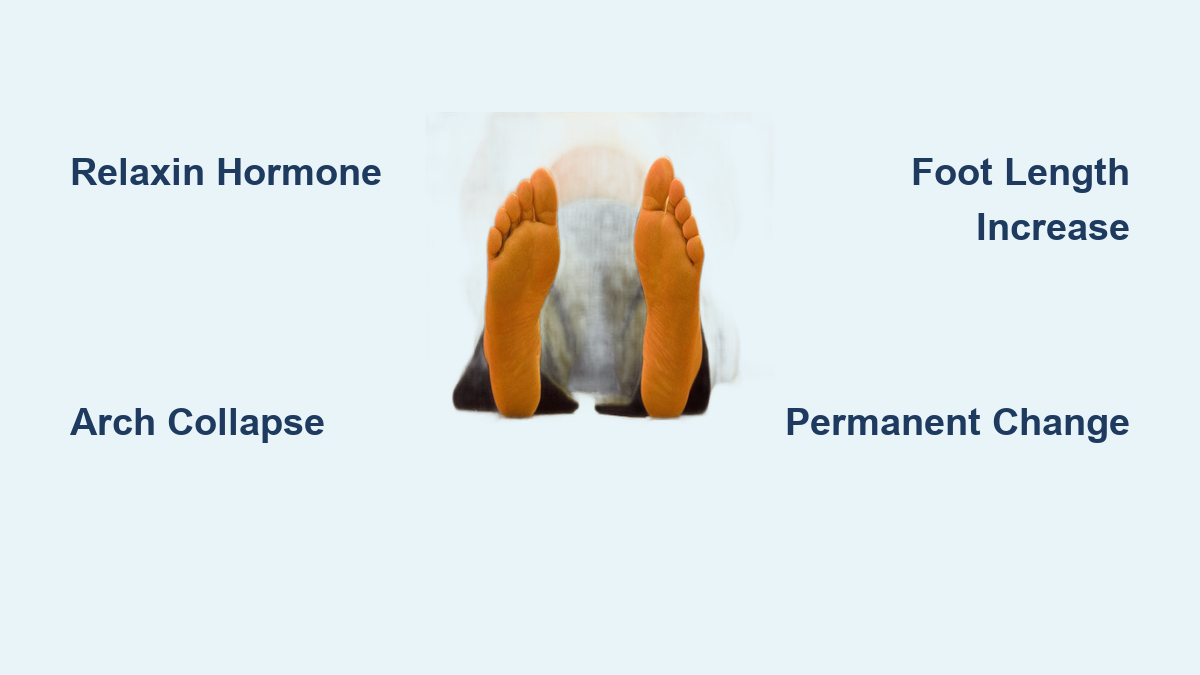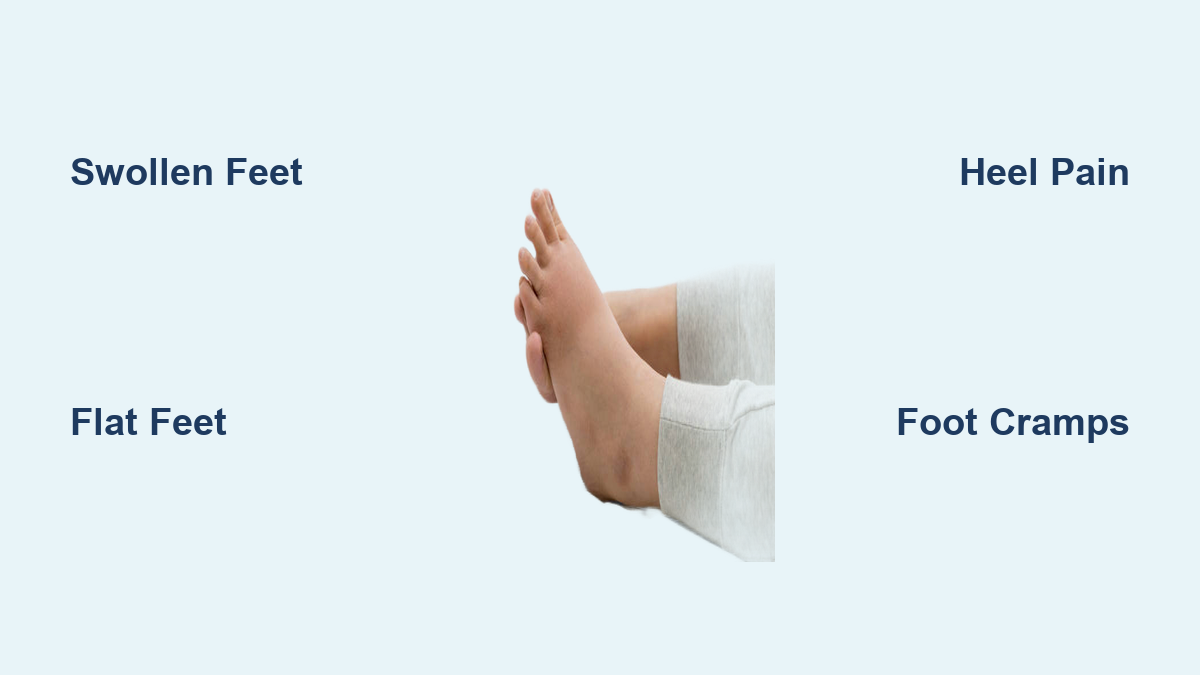
If you’re pregnant, you’ve likely noticed your feet feeling heavier, more swollen, or achy by the end of the day. You’re not alone—foot fatigue during pregnancy affects up to 80% of expectant mothers. As your body transforms, your feet undergo real structural and physiological changes. Weight gain, hormonal shifts like elevated relaxin, fluid retention, and altered posture all combine to increase pressure on your feet, leading to discomfort, swelling, and even permanent changes in foot size.
The good news? Foot fatigue during pregnancy is preventable with the right care. From choosing supportive footwear to daily stretches and elevation techniques, this guide gives you science-backed strategies to keep your feet feeling light, strong, and pain-free. You’ll learn how to counteract over-pronation, reduce swelling, prevent plantar fasciitis, and maintain foot health with simple daily habits—whether you’re in your first trimester or nearing delivery.
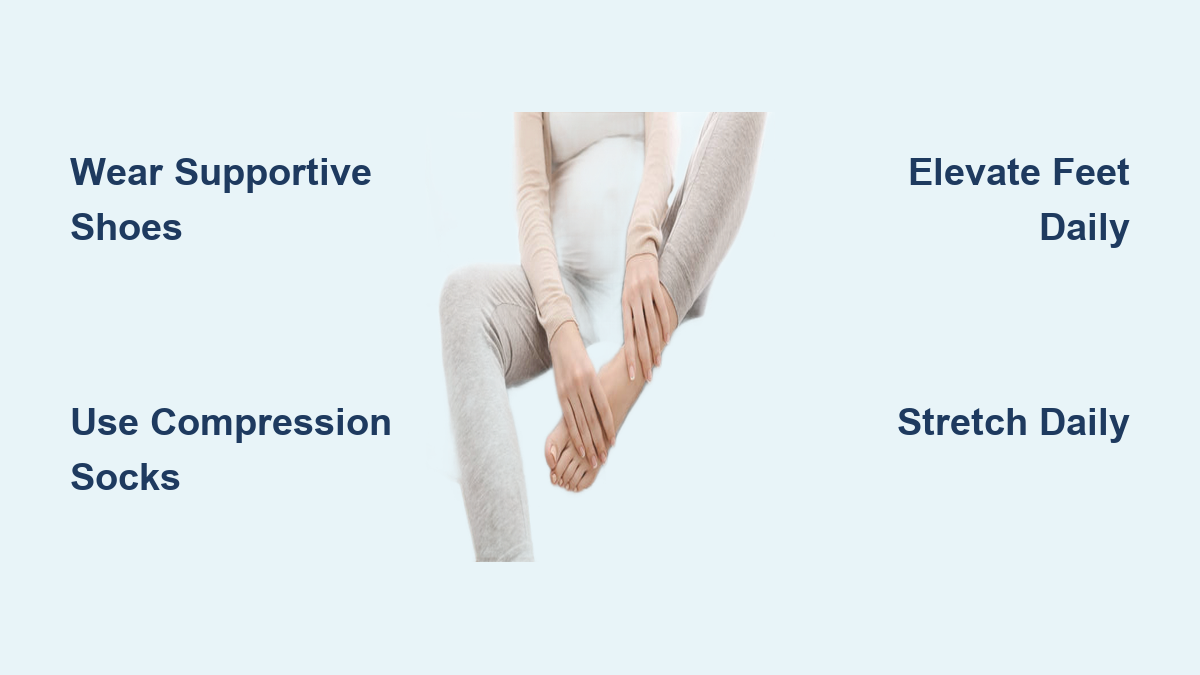
Wear Supportive Pregnancy Shoes That Fit Your Changing Feet
Choose Shoes with Arch Support and Cushioning
As your arches flatten and your weight increases, unsupportive footwear can worsen strain and lead to chronic pain. The best shoes for pregnancy feature firm arch support and a cushioned midsole to absorb impact and distribute weight evenly. This reduces stress on the plantar fascia—the thick band of tissue running along the bottom of your foot—and helps prevent conditions like plantar fasciitis.
Avoid flat sandals, flip-flops, and ballet flats. These offer little to no support and encourage over-pronation, where your foot rolls inward excessively. Over time, this can lead to flat feet, heel pain, and even knee or back discomfort due to misalignment.
Look for athletic shoes or walking sneakers designed for stability. Brands like Brooks, New Balance, and Propet offer pregnancy-friendly styles with excellent support and wide widths.
Pick a Wide, Flexible Toe Box
Swelling and foot widening are normal—many women increase by half to a full shoe size. A wide toe box prevents crowding, reduces pressure on your toes, and helps avoid blisters, calluses, and ingrown toenails. Choose shoes with soft, breathable uppers made from stretchable materials like mesh or knit fabric.
Avoid narrow or rigid shoes. They restrict circulation and increase discomfort, especially in the third trimester when swelling peaks. Shoes with adjustable closures—like Velcro straps or elastic laces—make it easier to accommodate changing foot volume throughout the day.
Select Low Heels and Secure Fastenings
Heels higher than 1.5 inches shift your weight forward onto the ball of your foot, increasing pressure and disrupting your natural gait. Stick to low heels (0.5–1.5 inches) or supportive flats to maintain proper alignment and reduce fatigue.
Choose shoes with secure fastenings—such as slip-ons, elastic laces, or Velcro straps. As your belly grows, bending becomes harder, and shoes that are easy to get on and off will save you daily frustration.
Get Fitted Regularly—Feet Change Size
Up to 70% of women experience permanent foot enlargement during pregnancy due to ligament laxity and arch collapse. Don’t assume your pre-pregnancy size still fits. Get your feet measured every trimester, especially if you notice discomfort or tightness.
Always try shoes on while standing, since feet expand under weight. Leave about ½ inch (a thumb’s width) between your longest toe and the front of the shoe. Remember: sizes vary by brand—fit matters more than the number.
Use Orthotics for Extra Arch and Foot Support

Try Over-the-Counter Insoles First
Even the best shoes may lack sufficient arch support. Over-the-counter orthotics like Powerstep, Superfeet, or Sof Sole provide firm arch support and heel cushioning, helping correct over-pronation and reduce strain. These are ideal for mild to moderate foot fatigue or early signs of arch pain.
Look for insoles with a deep heel cup and contoured arch. Replace them every 6–12 months, or when they lose their shape.
Consider Custom Orthotics if Pain Persists
For ongoing discomfort, fallen arches, or a history of plantar fasciitis, custom orthotics from a podiatrist may be necessary. These are molded to your foot’s unique shape and gait pattern, offering superior alignment and long-term support.
Custom orthotics can also help reduce knee, hip, and lower back pain caused by poor foot mechanics. Many podiatrists specialize in prenatal foot care and work closely with OB-GYNs.
Elevate Feet Daily to Reduce Swelling and Fatigue
Raise Feet Above Heart Level
Elevating your feet is one of the most effective ways to fight foot fatigue. When you raise your feet above heart level, gravity helps drain excess fluid from your legs and feet, reducing swelling (edema) and improving circulation.
Aim to elevate your feet 3–4 times a day for 20–30 minutes, especially after long periods of sitting or standing. This simple habit can dramatically reduce that heavy, tired feeling.
Use Pillows or a Footrest for Support
Prop your feet up on pillows, an ottoman, or a desk footrest. Avoid crossing your legs—it restricts blood flow and worsens swelling. If you work at a desk, consider an under-table footrest to keep your feet elevated throughout the day.
At night, place a pillow under your feet while lying down to prevent fluid buildup overnight.
Wear Compression Stockings to Improve Circulation
Choose Graduated Compression (15–20 mmHg)
Compression stockings apply gentle pressure from ankle to calf, helping blood and fluid flow back toward your heart. Graduated compression (15–20 mmHg)—tightest at the ankle, looser at the top—is ideal for pregnancy. It reduces swelling, prevents varicose veins, and lowers the risk of deep vein thrombosis (DVT).
They’re especially helpful in the third trimester, when swelling is most pronounced.
Put Them On First Thing in the Morning
Swelling starts as soon as you stand up, so put on compression socks before getting out of bed. Your legs are least swollen in the morning, making them easier to slide on. If bending is difficult, use a sock donner or ask for help.
Replace them every 3–6 months—the fabric loses elasticity over time.
Stay Hydrated and Limit Salt to Reduce Fluid Retention
Drink 8–10 Glasses of Water Daily
It may seem counterintuitive, but drinking more water helps reduce swelling. When you’re dehydrated, your body holds onto fluid, worsening edema. Aim for 64–80 ounces (8–10 glasses) of water daily to help your kidneys flush out excess sodium and fluids.
Carry a reusable water bottle and sip throughout the day to stay on track.
Cut Back on Processed and Salty Foods
High sodium intake increases water retention, making your feet feel puffier and heavier. Avoid processed snacks, canned soups, fast food, and frozen meals—these are often loaded with hidden salt. Instead, flavor meals with herbs, lemon, garlic, or vinegar.
Read labels and aim for less than 2,300 mg of sodium per day.
Exercise to Improve Circulation and Reduce Foot Strain

Walk 20–30 Minutes Most Days
Walking strengthens calf muscles, boosts circulation, and helps manage weight gain—all of which reduce strain on your feet. Aim for 20–30 minutes most days, wearing supportive shoes and taking breaks as needed.
Choose flat, even surfaces to maintain stability and reduce injury risk.
Try Swimming or Prenatal Yoga
Swimming or water aerobics are excellent during pregnancy. The buoyancy of water reduces weight-bearing stress on your feet while improving circulation and reducing swelling.
Prenatal yoga enhances flexibility, balance, and foot muscle strength. Poses like “downward dog” naturally stretch the calves and plantar fascia, helping prevent cramps and heel pain.
Always consult your healthcare provider before starting a new exercise routine.
Do Daily Foot Stretches and Exercises
Stretch Toes and Ankles Every Morning
Start your day with toe flexes and ankle circles to improve circulation and prevent cramps:
- Sit with legs extended.
- Point toes away, then pull them back toward your shin (10–15 reps).
- Rotate ankles clockwise and counterclockwise (10 circles each way).
These take less than 5 minutes and make a noticeable difference.
Strengthen Arches with Short Foot Exercises
The short foot exercise strengthens the intrinsic muscles of the foot:
- Stand barefoot, feet hip-width apart.
- Contract the muscles under your arch to lift it—without curling your toes.
- Hold for 5 seconds, repeat 10 times.
Do this daily to support your arches and prevent over-pronation.
Roll a Tennis Ball Under Your Foot
Place a tennis ball or foam roller under your foot and roll it back and forth for 1–2 minutes. Focus on the arch and heel to massage the plantar fascia. For a cooling, anti-inflammatory effect, chill the ball in the freezer first.
Perform Calf Stretches Against a Wall
Tight calves contribute to plantar fasciitis. Stretch them daily:
- Face a wall, hands at shoulder height.
- Step one foot back, keeping the heel down and knee straight.
- Lean forward until you feel a stretch in the calf.
- Hold 30 seconds, repeat 2–3 times per leg.
Do this morning and night to keep muscles flexible.
Practice Daily Foot Care
Soak Feet in Epsom Salt
A warm foot soak with Epsom salt (magnesium sulfate) can relieve cramps, reduce inflammation, and relax tired muscles. Soak for 15–20 minutes a few times a week. Avoid very hot water—keep it warm, not scalding.
Dry and Moisturize Properly
After washing or soaking, dry your feet thoroughly, especially between the toes, to prevent fungal infections. Apply a fragrance-free moisturizer—but avoid the spaces between toes.
Trim Toenails Straight Across
Swelling and limited mobility make toenail care harder. Trim nails straight across to prevent ingrown toenails. If you can’t see or reach your feet, ask a partner or podiatrist for help.
Wear Breathable Socks
Choose cotton or moisture-wicking socks that keep feet dry. Avoid tight socks with restrictive bands that can cut off circulation.
See a Podiatrist if Symptoms Worsen
Foot pain isn’t normal—even during pregnancy. See a podiatrist if you experience:
- Persistent arch or heel pain
- Swelling that doesn’t improve with elevation
- Numbness, tingling, or burning
- Signs of infection (redness, pus)
- Difficulty walking
A podiatrist can perform a gait analysis, prescribe custom orthotics, and safely treat ingrown toenails or fungal infections.
Watch for Warning Signs
- Sudden swelling in one leg? Could be DVT—seek emergency care.
- Swelling in face or hands with high blood pressure? Could indicate preeclampsia—contact your OB-GYN immediately.
Don’t ignore persistent foot pain—your health and your baby’s depend on it.
Protect Long-Term Foot Health
Many women end pregnancy with permanently larger feet. Continuing to wear supportive shoes and orthotics postpartum can help maintain foot health. If you plan more children, start preventive care early: monitor foot size, wear supportive shoes from the start, and begin foot exercises in the first trimester.
As Dr. Rebecca Burmeister of the University of Michigan says:
“Don’t ignore your feet!”
Small steps today can prevent long-term pain and keep you walking strong—now and after delivery.