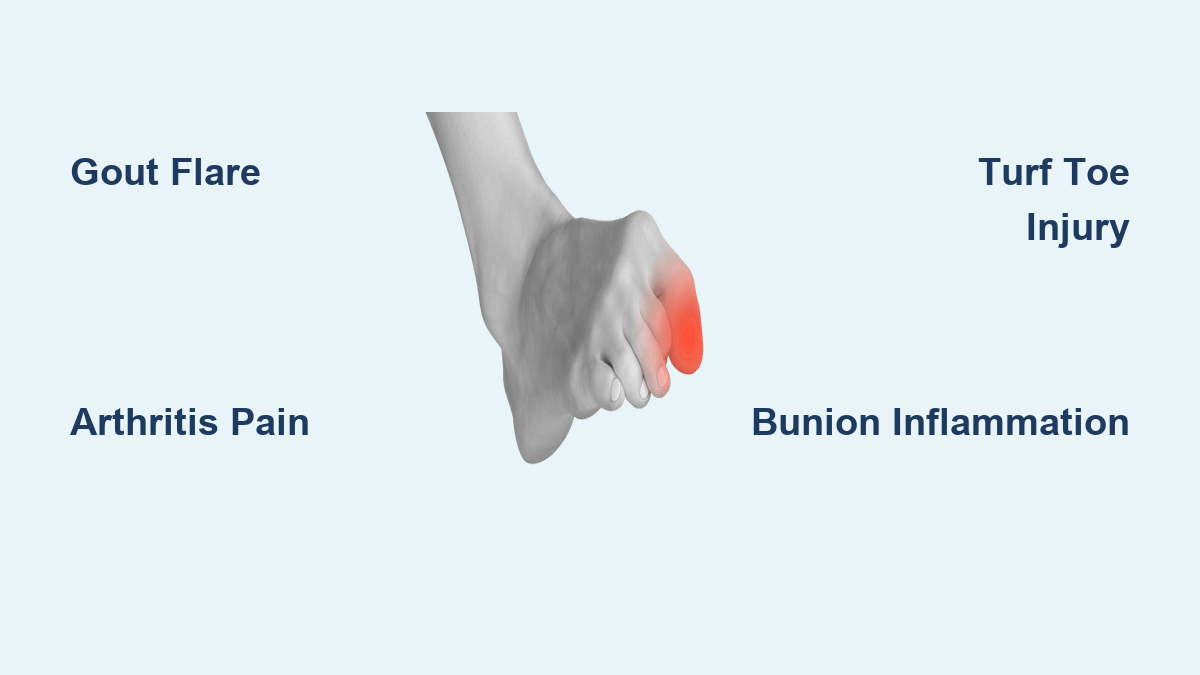
Waking up to a stabbing, burning pain in your big toe—so severe that even the weight of a blanket feels unbearable—is a telltale sign of gout. This sudden inflammatory arthritis targets the first metatarsophalangeal (MTP) joint more than any other, causing intense redness, swelling, heat, and tenderness. Flares often strike at night, peaking within hours, leaving you unable to walk or sleep. If you’re searching for how to relieve gout pain in the big toe joint, fast, effective action is essential.
The good news: gout is treatable. While the pain may feel overwhelming, targeted steps can dramatically reduce inflammation and bring relief within days. From immediate home care to medical treatments and long-term prevention, this guide delivers a science-backed, step-by-step plan to stop the flare fast and protect your joints. Whether it’s your first attack or a recurring battle, you’ll learn exactly what to do—and what mistakes to avoid—to regain control.
Stop the Flare Fast: Immediate Actions to Reduce Gout Pain
When gout hits, the first 24 hours are critical. Acting quickly can shorten the episode and minimize joint damage.
Rest and Protect the Big Toe Joint
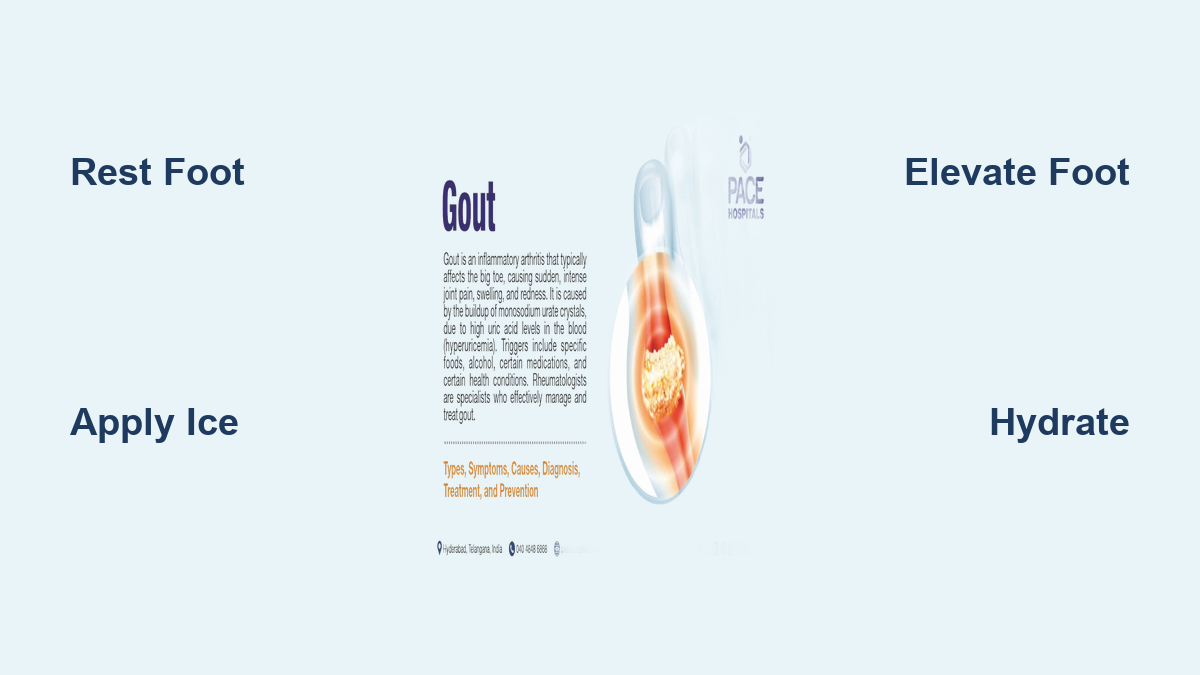
Immediately stop putting weight on the affected foot. Walking or standing increases pressure on the inflamed MTP joint, worsening pain and swelling. Use crutches or a cane if needed, and stay off your feet as much as possible for the first 1–2 days. Protecting the joint allows inflammation to subside and prevents further irritation of the urate crystals embedded in the tissue.
Apply Ice to Calm Inflammation
Wrap an ice pack in a thin cloth and apply it to the big toe for 15–20 minutes every 2–3 hours. Cold therapy constricts blood vessels, slows the inflammatory response, and numbs pain. Never apply ice directly to the skin—especially when the area is swollen or sensitive—as this increases the risk of frostbite.
Elevate the Foot to Reduce Swelling
Lie down and prop your foot on pillows so it’s above heart level. Elevation helps drain excess fluid from the joint, reducing pressure and discomfort. Do this whenever sitting or lying down, especially during the first 48 hours of the flare.
Hydrate to Flush Out Uric Acid
Drink 1.5 to 2 liters of water daily during a gout attack. Staying hydrated helps your kidneys flush excess uric acid from your system, preventing further crystal formation. Avoid sugary drinks and alcohol—they dehydrate you and can spike uric acid levels.
Avoid Flare Triggers Immediately
Stop consuming:
– Alcohol, especially beer and spirits
– Red meat, organ meats (liver, kidneys), and shellfish
– Sugary sodas and foods with high-fructose corn syrup
These can worsen hyperuricaemia and prolong the flare. Even small dietary missteps during an attack can extend your pain by days.
Medical Treatments That Deliver Fast Gout Relief

While self-care helps, most gout flares require medication to fully resolve. Start treatment as soon as symptoms appear.
Use NSAIDs to Combat Inflammation
Ibuprofen, naproxen, or indomethacin are first-line treatments for acute gout. They reduce pain and swelling quickly. Take them at the first sign of a flare—ideally within hours.
Caution: Avoid NSAIDs if you have kidney disease, stomach ulcers, or heart conditions. Always take with food to prevent gastric irritation.
Take Low-Dose Colchicine Early
Colchicine is most effective when taken within the first 12 hours of a flare. A typical regimen:
– 1.2 mg at onset
– 0.6 mg one hour later
– Then 0.6 mg once or twice daily until symptoms fade
It works by blocking immune cells from reacting to urate crystals.
Side effect alert: Diarrhea or nausea—especially at high doses. Stick to low-dose protocols to minimize gastrointestinal issues.
Consider Corticosteroids for Severe or Persistent Pain
If NSAIDs or colchicine aren’t suitable, corticosteroids offer powerful relief.
- Oral: Prednisone (30–40 mg daily for 5–10 days, then tapered)
- Injections: A single intra-articular steroid shot into the big toe joint provides fast, localized relief with minimal systemic side effects
Joint injections are especially effective for single-joint flares and can be done in a doctor’s office.
Start Urate-Lowering Therapy (ULT) to Prevent Recurrence
Once the flare subsides, talk to your doctor about long-term treatment if you have:
– Two or more flares per year
– Tophi (visible crystal lumps under the skin)
– Kidney stones
– Evidence of joint damage
Allopurinol or febuxostat lowers uric acid production. Start at a low dose and increase gradually.
Pro tip: Your doctor may prescribe low-dose colchicine (0.6 mg daily) for 3–6 months when starting ULT to prevent rebound flares.
Confirm It’s Gout: How Doctors Diagnose Big Toe Joint Pain

Gout can mimic infections or pseudogout. Accurate diagnosis ensures proper treatment.
Joint Fluid Test: The Only Definitive Diagnosis
Your doctor may perform joint aspiration, using a needle to draw fluid from the big toe. Under a microscope, needle-shaped, negatively birefringent monosodium urate crystals confirm gout. This is the gold standard test.
Blood Uric Acid Testing
A serum uric acid test supports diagnosis, but levels can be normal during a flare. Don’t rule out gout based on a single normal result. Testing between flares gives a clearer picture.
Imaging to Detect Hidden Crystals
- Ultrasound: Reveals the “double contour sign”—urate crystals coating cartilage.
- Dual-energy CT scan: Detects urate deposits even in joints that aren’t currently painful.
- X-rays: Usually normal early on but may show bone erosion in chronic gout.
Diet Changes That Prevent Gout Flares

Food plays a major role in triggering attacks. Smart dietary choices can reduce flare frequency.
Avoid High-Purine Foods
Purines break down into uric acid. Limit:
– Red meat: Beef, lamb, pork
– Organ meats: Liver, kidneys
– Seafood: Anchovies, sardines, mackerel, scallops
– Game meats: Venison, rabbit
Cut Out Alcohol and Sugary Drinks
- Beer and spirits significantly raise gout risk.
- Wine in moderation (1 glass/day) may be less harmful.
- Soda and sweetened juices with high-fructose corn syrup increase uric acid.
Eat Foods That Lower Uric Acid
Include:
– Low-fat dairy: Milk, yogurt, cheese
– Cherries and tart cherry juice: Linked to fewer flares in studies
– Coffee (regular): Associated with reduced gout risk
– Whole grains, fruits, vegetables: Safe and anti-inflammatory
Pro tip: Add a daily serving of low-fat yogurt or a glass of tart cherry juice—it may help prevent future attacks.
Lifestyle Habits to Keep Gout at Bay
Long-term prevention depends on sustainable habits.
Maintain a Healthy Weight
Obesity increases uric acid and reduces kidney clearance. Losing 5–10% of body weight can cut flare risk. Avoid crash diets—fasting or rapid weight loss can trigger gout.
Exercise with Care
Choose low-impact activities:
– Walking (when not in flare)
– Swimming
– Cycling
Avoid high-impact workouts during active flares.
Stay Hydrated Daily
Dehydration concentrates uric acid. Aim for 6–8 glasses of water per day. Increase intake in hot weather or after exercise.
Foot Care Strategies for Gout Sufferers
Recurrent gout damages joints and alters gait. Proper foot care prevents complications.
Wear Supportive Footwear
Choose shoes with:
– Wide toe box
– Cushioned soles
– Good arch support
Avoid tight or high-heeled shoes. During flares, wear soft slippers.
Use Custom Orthotics
Prescription orthotics redistribute pressure from the big toe, improving alignment and reducing strain. Ask your podiatrist for a custom pair.
Protect the Joint
- Use padding or toe shields to prevent friction.
- Treat calluses or corns early.
- See a podiatrist regularly if you have chronic gout.
Know Your Gout Risk Factors
Understanding your risks helps prevent flares.
Non-Changeable Risks
- Men aged 30–50
- Postmenopausal women
- Family history (genetics strongly influence uric acid)
- Ethnicity: Higher rates in Pacific Islanders and Māori
Changeable Risks
- Obesity (BMI ≥30)
- High blood pressure
- Kidney disease
- Medications: Diuretics, low-dose aspirin, cyclosporine
Talk to your doctor about alternatives if you’re on gout-triggering drugs.
Debunking Common Gout Myths
Misinformation delays treatment.
Myth: Gout Is Just a Diet Problem
Truth: Genetics are the main driver. Many lean, healthy people get gout due to inherited metabolic issues.
Myth: Only Overweight People Get Gout
Truth: Thin individuals, especially older adults, can develop gout due to kidney changes or genetics.
Myth: No Pain Means No Problem
Truth: Urate crystals remain in the joint even after pain fades. Without treatment, they cause silent damage and future flares.
Prevent Future Gout Attacks
Relief is temporary without prevention.
Monitor Uric Acid Levels
Aim for below 6 mg/dL. Regular blood tests ensure your treatment is working.
Stick to Your Medication Plan
If prescribed allopurinol or febuxostat, take it daily—even when pain-free. Stopping increases flare and joint damage risk.
Schedule Regular Check-Ups
See your doctor every 6–12 months. Discuss symptoms, medication side effects, and lifestyle progress.
Final Takeaways: Stop Gout Pain Fast and Stay Pain-Free
Gout in the big toe joint is excruciating—but manageable.
During a flare: Rest, ice, elevate, hydrate, and take NSAIDs or colchicine.
Long-term: Lower uric acid with medication, adjust your diet, stay hydrated, and protect your feet.
Remember: Gout isn’t a sign of poor habits—it’s a medical condition influenced by genes and metabolism. With the right approach, you can stop the pain, prevent flares, and protect your joints for life.
Take control today. Your feet—and your quality of life—depend on it.