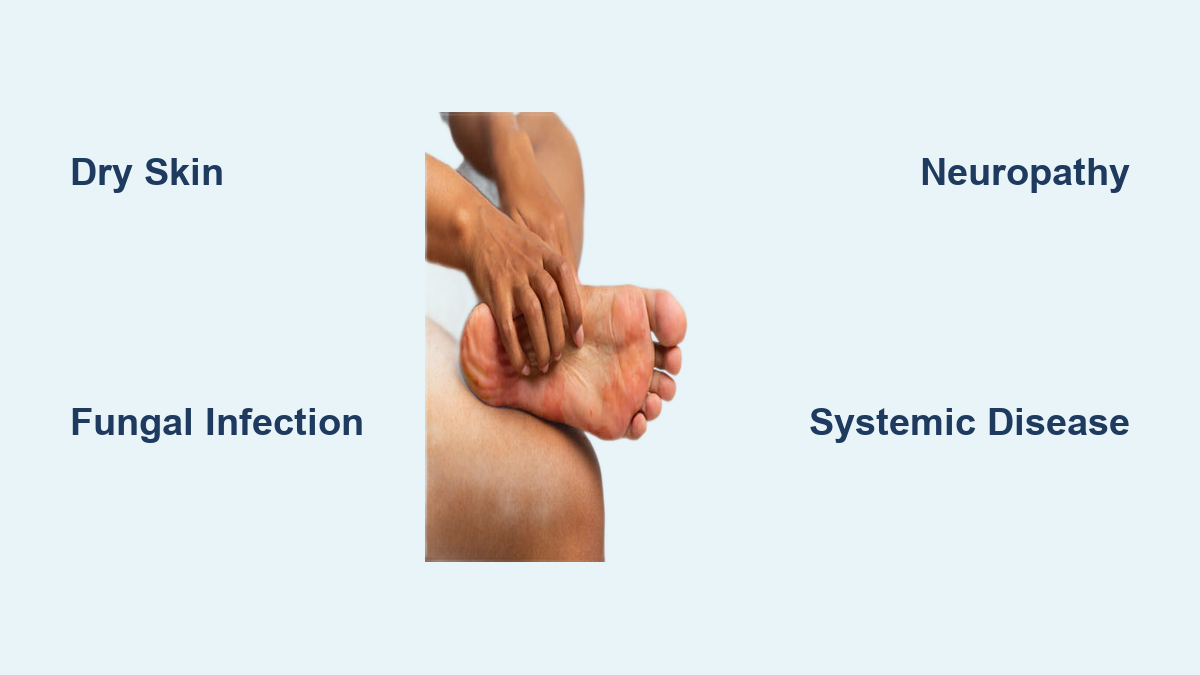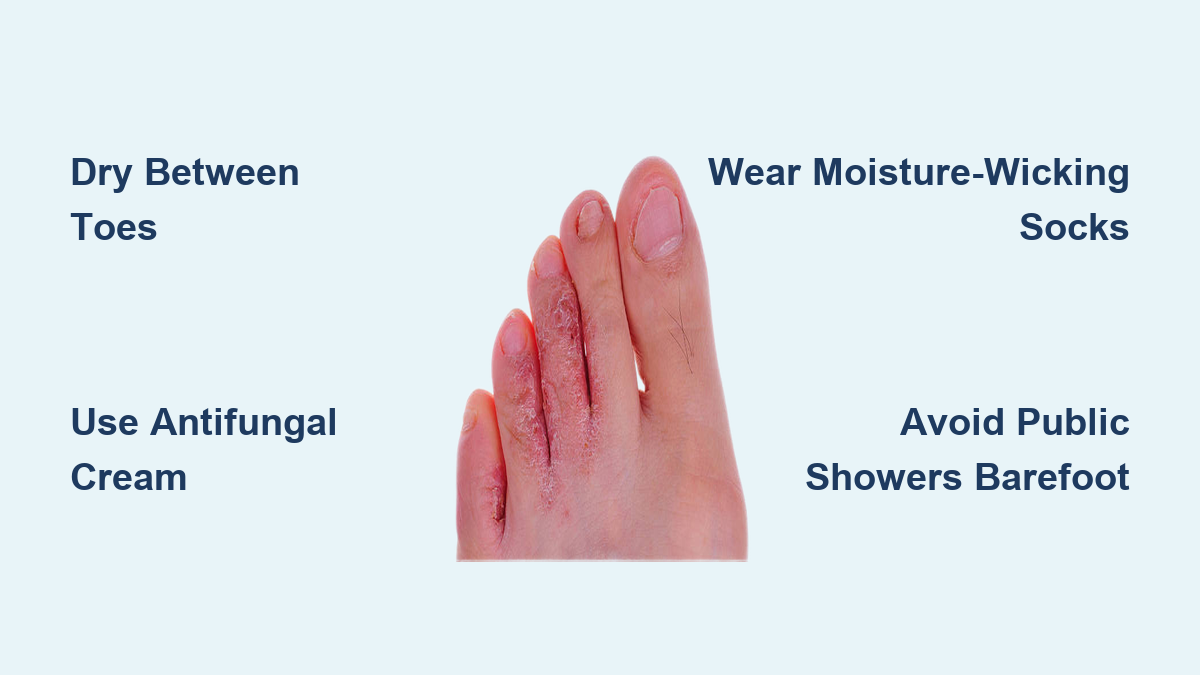
Itching, peeling, and a raw, soggy feeling between your toes? You’re likely facing athlete’s foot—a stubborn fungal infection that loves the warm, damp space between your fourth and fifth toes. Caused by dermatophyte fungi like Trichophyton rubrum, this condition affects up to 70% of people at some point in their lives. Despite the name, you don’t need to be an athlete to get it. Anyone who wears tight shoes, sweats heavily, or walks barefoot in public showers is at risk.
Left untreated, athlete’s foot won’t vanish on its own—it can spread to your toenails, hands, or even trigger dangerous bacterial infections like cellulitis. The good news? It’s highly treatable with over-the-counter antifungals, smart hygiene, and consistent care. This guide walks you through how to treat athlete’s foot between the toes effectively, using proven OTC treatments, supportive remedies, and essential prevention steps to stop it from coming back.
Spot the Early Warning Signs
Catching athlete’s foot early makes treatment faster and more effective. The infection often starts subtly but worsens quickly if ignored.
What to Look For Between Your Toes
- Intense itching, burning, or stinging—usually the first clue.
- Red, flaky, or peeling skin, especially between the ring and pinky toes.
- Macerated (soggy, white) skin from trapped moisture.
- Foul odor due to bacteria thriving in damp areas.
- Small blisters or oozing in more advanced cases.
Pro Tip: Skin discoloration varies by skin tone—redness may appear purple, gray, or even ashy. Don’t dismiss early flaking just because it doesn’t “look red.”
If you notice these signs, start treatment immediately. Delaying increases the risk of spreading to toenails (onychomycosis) or developing secondary infections.
Use the Most Effective OTC Antifungal Treatments

Most mild to moderate cases clear up with consistent use of over-the-counter antifungals. The key is choosing the right product and applying it correctly.
Top Antifungal Options That Work
Not all OTC creams are equal. These are the most proven choices:
- Terbinafine (Lamisil AT): Apply once daily for 1–4 weeks. Studies show higher cure rates than other options.
- Clotrimazole (Lotrimin AF): Use twice daily for 2–4 weeks.
- Miconazole (Micatin): Twice-daily application for 2–4 weeks.
- Tolnaftate (Tinactin): Best for early-stage infections; apply twice daily.
- Butenafine (Mentax): Once-daily use for 1–2 weeks.
Key Fact: Terbinafine targets the fungus more aggressively and often works faster than alternatives.
How to Apply Antifungals for Maximum Effect
- Wash and dry feet thoroughly, especially between toes.
- Apply the product beyond the visible rash to prevent spread.
- Use creams, gels, or sprays—whichever reaches tight spaces best.
- Continue treatment at least 1 week after symptoms disappear to prevent relapse.
Avoid This Mistake: Stopping treatment too soon is the #1 reason athlete’s foot returns.
Support Treatment with Smart Home Remedies

While home remedies can’t cure athlete’s foot alone, they can help soothe symptoms and boost the effectiveness of antifungal medication.
Proven Supportive Remedies
Tea Tree Oil Application
- Dilute with coconut or olive oil (25%–50% concentration).
- Apply twice daily after drying feet.
- Has natural antifungal and anti-inflammatory properties.
Vinegar Foot Soak
- Mix 1 part white vinegar to 2 parts warm water.
- Soak 15–20 minutes daily.
- Acetic acid helps lower skin pH and inhibit fungal growth.
Hydrogen Peroxide Use
- Pour 3% hydrogen peroxide directly on the affected area.
- Helps disinfect cracked skin and kill surface fungi.
- May sting—avoid if skin is broken or sensitive.
Baking Soda or Salt Soak
- Add ½ cup baking soda or 1 cup sea salt to warm water.
- Soak 10–20 minutes to dry out blisters and reduce odor.
Vicks VapoRub at Night
- Apply after antifungal cream before bed.
- Contains camphor and eucalyptus, which some studies suggest have antifungal effects.
- Menthol provides cooling relief from itching.
Warning: Never use home remedies instead of antifungals. They support treatment but don’t eliminate the infection.
Know When to See a Doctor
Most cases improve within 3–4 weeks with OTC treatment. If not, it’s time to seek medical help.
Red Flags That Need Medical Attention
- No improvement after 3–4 weeks of consistent OTC use.
- Infection spreads to toenails (thick, yellow, crumbling nails).
- Increasing redness, swelling, pain, or pus—signs of bacterial infection.
- You have diabetes, poor circulation, or a weakened immune system.
- Rash looks like eczema or psoriasis—misdiagnosis is common.
Your doctor can:
– Confirm the diagnosis with a KOH skin scraping test.
– Prescribe stronger topical or oral antifungals.
– Rule out other conditions.
Try Prescription Treatments for Stubborn Cases

When OTC options fail, your doctor may recommend stronger therapies.
Prescription Topical Creams
- Ciclopirox or efinaconazole: For stubborn or nail-involved cases.
- Stronger versions of clotrimazole or terbinafine.
Oral Antifungal Medications
Used for:
– Deep or recurrent infections.
– Nail involvement.
– Failed topical treatment.
Terbinafine (Lamisil)
- 250 mg daily for 2–6 weeks.
- First-line treatment with high cure rates.
- Requires liver function monitoring in some cases.
Itraconazole (Sporanox)
- 200 mg daily for 1–2 weeks.
- Often used in pulse therapy (1 week/month for 2–3 months).
- Also requires liver testing.
Note: Oral antifungals can interact with other medications—always disclose your full medical history.
Medicated Soaks for Severe Cases
- Burow’s solution (aluminum acetate): Soak twice daily to dry oozing blisters.
- Salicylic acid soaks: Help remove thick, infected skin layers.
These are adjuncts, not standalone treatments—always use with antifungal medication.
Relieve Itching and Discomfort Fast
Athlete’s foot can be intensely itchy and uncomfortable. Manage symptoms without worsening the infection.
Safe Ways to Soothe Irritation
- 1% hydrocortisone cream: Use alongside antifungal treatment (not instead of) to reduce inflammation and itching.
- Cool compresses: Soothe burning or inflamed skin.
- Loose, breathable footwear: Reduces friction and moisture.
Critical: Never use steroid creams alone—they can make fungal infections worse by suppressing the immune response.
Prevent Reinfection and Stop the Spread
Reinfection is common. Up to 50% of cases recur without preventive habits.
Dry Feet Completely Every Time
- Wash daily with soap and water.
- Towel dry thoroughly, especially between toes.
- Use a hairdryer on low if needed.
Visual Cue: Skin should feel dry, not cool or damp.
Wear the Right Socks and Shoes
- Choose moisture-wicking socks (synthetic blends or wool)—avoid cotton.
- Change socks daily or more often if feet sweat.
- Rotate shoes to allow 24–48 hours to dry out.
- Use antifungal sprays or powders in shoes (e.g., tolnaftate).
Protect Your Feet in Public Areas
- Wear flip-flops in locker rooms, showers, and pool decks.
- Never share towels, shoes, or nail clippers.
- Disinfect bathroom floors and shower stalls weekly.
Avoid Serious Complications
Untreated athlete’s foot can lead to more than just discomfort.
Risks of Ignoring the Infection
- Secondary bacterial infections: Cracks in the skin let in Staph or Strep, leading to cellulitis—a serious condition needing antibiotics.
- Spread to nails: Onychomycosis is harder and longer to treat.
- Autoinoculation: Scratching can transfer fungus to hands (tinea manuum) or groin (jock itch).
- Chronic infection: Persistent fungus damages skin barrier, increasing recurrence risk.
High-risk alert: People with diabetes or poor circulation are at greater risk for foot ulcers and infections. Even minor skin breaks need prompt care.
Follow a 6-Step Treatment Plan
Use this proven approach to eliminate athlete’s foot and keep it gone.
1. Confirm the Infection
- Look for peeling, redness, or itching between toes.
- Rule out eczema or psoriasis if unsure—see a doctor.
2. Start Antifungal Treatment
- Use terbinafine (Lamisil AT) once daily or clotrimazole twice daily.
- Apply to clean, dry skin.
3. Add Supportive Soaks
- Try vinegar or baking soda soaks 1–2 times daily.
- Use hydrogen peroxide to disinfect after soaking.
4. Manage Symptoms
- Apply 1% hydrocortisone at night if itching is severe (with antifungal).
- Wear open sandals to reduce friction.
5. Maintain Strict Hygiene
- Dry feet completely.
- Use antifungal powder in shoes.
- Wash towels and socks in hot water.
6. Finish the Full Course
- Continue treatment 1 week after symptoms vanish.
- See a doctor if no improvement in 3–4 weeks.
Final Tips for Long-Term Prevention
Once cured, protect yourself from recurrence.
- Inspect feet weekly for early signs.
- Keep toenails short and clean.
- Use antifungal powder in shoes regularly.
- Replace old, damp shoes that hold moisture.
- Treat family members if they show symptoms—fungus spreads easily.
Athlete’s foot between the toes is common, but it’s not normal and not something to ignore. With the right treatment, it clears up fast. The key is consistency—from the first application of antifungal cream to the last day of prevention. Start today, stay diligent, and keep your feet healthy, dry, and itch-free.