You’re walking barefoot across a rocky patio and suddenly feel a sharp jab under the ball of your foot—like you stepped on a pebble. But when you check, there’s nothing there. Over the next few days, the pain lingers, especially when you stand or walk. You likely have a stone bruise on the ball of the foot, a common yet often misdiagnosed injury that mimics the sensation of walking on a rock.
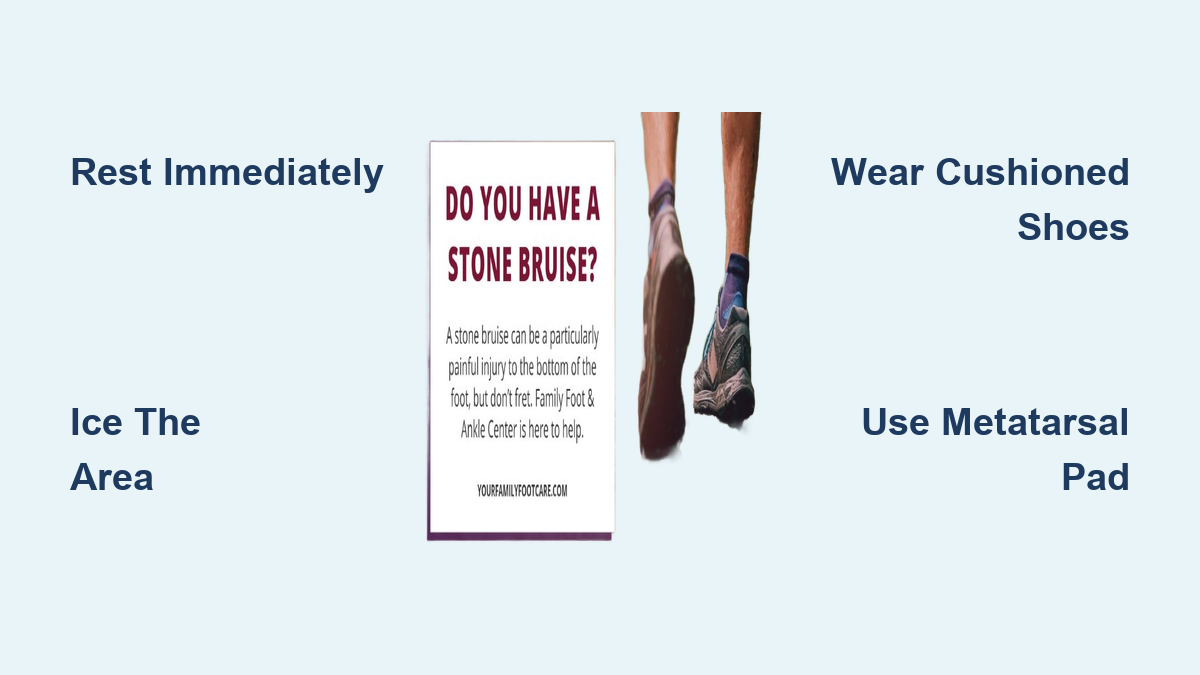
A stone bruise isn’t just soreness from overuse. It’s a deep contusion affecting the soft tissues or even the bone beneath the forefoot, typically caused by direct impact or repeated stress. Unlike surface-level pain, this discomfort is deep, localized, and persistent—often described as a “toothache in the foot.” The good news? Most cases resolve with proper care—if treated early and correctly.
In this guide, you’ll learn how to identify a stone bruise, rule out more serious conditions, and implement an effective recovery plan. From immediate relief to long-term prevention, we’ll cover everything you need to heal fully and step confidently again.
Recognize the Early Signs of a Forefoot Contusion
Catching a stone bruise early can significantly reduce recovery time. The symptoms are distinct from general foot fatigue.
Sharp, Localized Pain Under the Ball of the Foot
The most telling sign is focused pain just behind the toes, under one of the metatarsal heads. It feels like you’re standing on a marble, nail, or pebble—even when your shoe is empty. The pain is deep and sharp, intensifying with every step, especially on hard surfaces.
Tenderness and Possible Discoloration
Pressing on the affected spot triggers intense discomfort. Some people notice mild swelling or a bluish or purplish bruise on the sole, though visible discoloration doesn’t always appear. If the bruise involves the bone (a bone contusion), the pain may feel deeper and last longer.
Pain That Worsens With Weight-Bearing
This injury flares up during activities like walking, running, or standing for long periods. Rest usually helps, but if the contusion is severe, a dull ache may linger even when off your feet.
Pro Tip: Try the “towel stretch test”—gently pull your toes upward. If it increases pain under the ball of the foot, it may confirm a metatarsal or fat pad contusion.
Rule Out More Serious Injuries First

Foot pain can stem from multiple conditions. Treating the wrong one delays healing.
Could It Be a Metatarsal Stress Fracture?
A stress fracture often starts like a stone bruise but progresses differently. Pain from a fracture tends to be constant, worsening at night or during rest. It also doesn’t improve with a few days of rest. If your pain lasts longer than 3 weeks or gets worse, see a doctor. An X-ray or MRI may be needed to rule out a hairline crack in the bone.
Is Nerve Pain the Real Culprit?
Morton’s neuroma causes burning, tingling, or electric-like pain between the third and fourth toes. It’s caused by nerve compression, not trauma, and often includes numbness. Unlike a stone bruise, the pain isn’t pinpoint—it radiates outward.
Differentiating From Metatarsalgia
Metatarsalgia is chronic forefoot pain caused by overuse or poor foot mechanics. It usually develops gradually and affects both feet. A stone bruise, on the other hand, follows a clear incident—like stepping on a rock—and is typically one-sided.
When in doubt, get it checked. Persistent pain after 3 weeks warrants a visit to a podiatrist.
Immediate Care: What to Do in the First 48 Hours
Act fast to reduce inflammation and protect the injured tissue. Early treatment prevents long-term issues.
Stop Walking on It
Avoid activities that cause pain. Stop running, jumping, or standing for long periods. If walking is too painful, use crutches or wear a protective walking boot to offload the forefoot.
Quick Fix: Shift your weight to your heels when walking to reduce pressure on the ball of the foot.
Ice the Affected Area
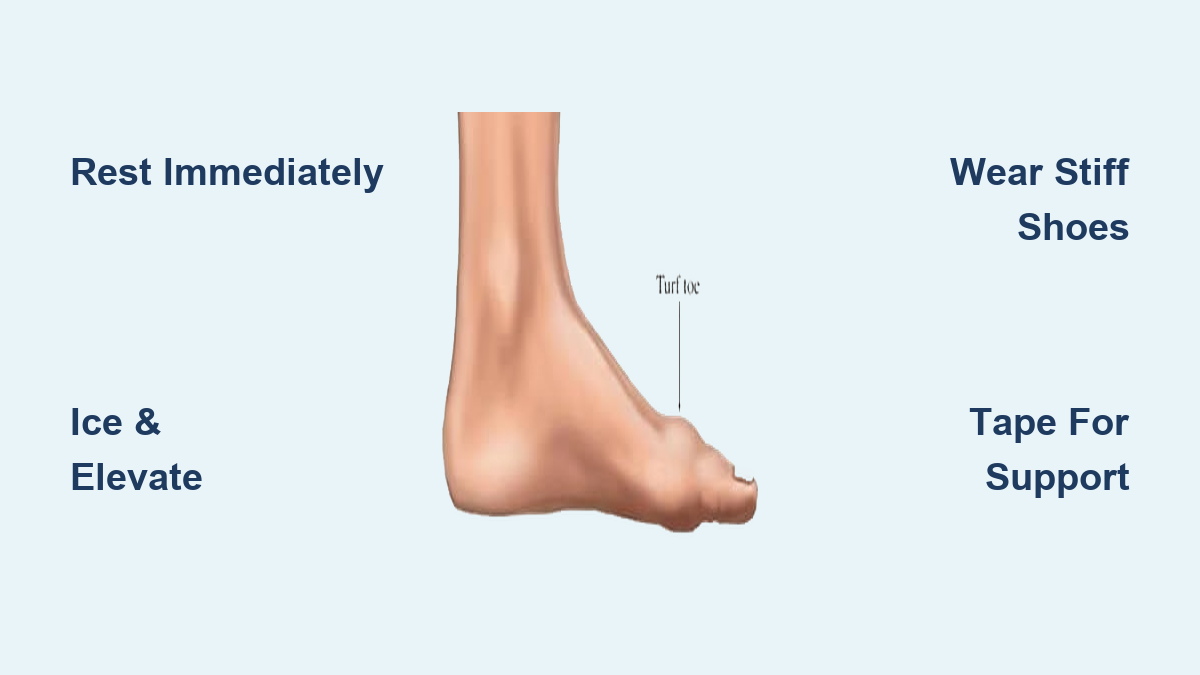
Apply ice wrapped in a thin towel to the ball of the foot for 15–20 minutes every 2–3 hours during the first two days. This reduces swelling and numbs deep pain.
❗ Never apply ice directly—risk of frostbite or nerve damage.
Elevate Your Foot
When sitting or lying down, prop your foot above heart level. This helps drain fluid and reduces swelling.
Use Light Compression (If Needed)
A soft elastic bandage can help control mild swelling—but only if applied gently. Avoid tight wrapping, which can restrict blood flow.
Manage Pain Without Delaying Healing
Over-the-counter solutions can ease discomfort and support recovery.
Use NSAIDs to Reduce Inflammation
Take ibuprofen (Advil, Motrin) or naproxen (Aleve) as directed:
– Ibuprofen: 200–400 mg every 6 hours
– Naproxen: 220 mg every 12 hours
⚠️ Consult your doctor first if you have kidney issues, stomach ulcers, or take blood thinners.
Avoid Heat in the First 72 Hours
Skip hot baths, heating pads, or saunas early on. Heat increases blood flow and can worsen swelling. Save warm soaks for later in recovery.
Wear Shoes That Protect, Not Worsen

Your footwear plays a key role in both causing and healing a stone bruise.
Choose Cushioned, Supportive Shoes
Switch to shoes with:
– Thick, shock-absorbing soles
– Strong arch support
– Wide toe box
Avoid flat shoes, high heels, or worn-out sneakers. Replace running shoes every 300–500 miles or when the midsole feels flat.
Never Walk Barefoot—Even Indoors
Barefoot walking on hard floors re-injures the area. Wear supportive slippers or recovery shoes at home.
Add a Metatarsal Pad
Use an over-the-counter metatarsal pad placed just behind the ball of the foot. It lifts and redistributes pressure away from the bruised spot.
Boost Protection With Targeted Padding
Extra cushioning reduces impact and speeds healing.
Use Gel or Silicone Inserts
Place a gel pad directly under the painful area for instant relief. These act as internal shock absorbers.
Try a Moleskin Donut
Cut a hole in a piece of moleskin and place it over the bruise. The donut shape protects the area while offloading pressure.
Consider Custom Orthotics
If you get repeated stone bruises, custom orthotics can correct structural issues—like a dropped metatarsal—that increase forefoot stress.
Rehab Your Foot Without Re-Injury
Once pain starts fading, gentle movement prevents stiffness and builds strength.
Strengthen With Toe Curls
Sit barefoot and scrunch a towel with your toes. This activates intrinsic foot muscles and improves circulation.
Stretch Your Calf and Plantar Fascia
Tight calves increase forefoot pressure. Do these daily:
– Wall calf stretch: Lean into a wall with one leg back, heel down
– Towel stretch: Sit with leg out, loop a towel around the ball of your foot, and gently pull toes toward you
Hold each for 30 seconds, repeat 3 times per foot.
Return to Activity Gradually
Start with low-impact options like swimming or cycling. Slowly reintroduce walking or running. If pain returns, scale back.
❗ Rushing back can double recovery time. Treat your foot like a sprained ankle.
Soothe Soreness With Epsom Salt Soaks
While not a cure, warm Epsom salt baths can ease discomfort in later stages.
How to Soak Safely
- Fill a basin with warm (not hot) water
- Add ½ cup Epsom salt
- Soak for 15–20 minutes
- Dry thoroughly afterward
✅ Best used after the first 48 hours
❌ Not a substitute for rest or proper footwear
Know How Long Healing Takes
Recovery varies by injury severity.
Mild Soft Tissue Bruise: 5–7 Days
With early rest and protection, minor bruises heal in under a week.
Moderate Injury: 2–3 Weeks
With swelling or deeper tissue involvement, expect limited activity for 2–3 weeks.
Bone Contusion: 6–8 Weeks
Bruising of the bone takes the longest—up to 2 months—especially if you stay active.
⏳ Healing slows dramatically if you keep walking on it. Protect your foot like it’s broken.
When to See a Podiatrist
Most stone bruises heal at home, but some signs mean you need professional help.
Red Flags That Require Medical Attention
- Pain lasting more than 3 weeks
- Increasing swelling, redness, or warmth
- Numbness or tingling in the toes
- Suspected stress fracture
- History of diabetes or poor circulation
What a Doctor Might Do
- Perform a physical exam and gait analysis
- Order an X-ray to rule out fracture
- Recommend MRI or bone scan for stress injuries
- Prescribe custom orthotics or protective footwear
Recurrent bruises may point to an underlying structural issue.
Prevent Future Stone Bruises
Avoid repeat injuries with smart habits and proper gear.
Wear Activity-Specific Shoes
Use cushioned running shoes for running, supportive hiking boots on trails, and avoid flimsy sandals on rough ground.
Replace Worn-Out Footwear
Check your shoes monthly. If the sole is cracked or the heel cup is flat, it’s time for new ones.
Strengthen Your Feet
Build resilience with:
– Marble pickups: Use toes to grab marbles
– Heel raises: Rise onto your toes, then lower slowly
– Balance drills: Stand on one foot, eyes closed
Maintain a Healthy Weight
Extra body weight increases forefoot pressure with every step—raising injury risk.
Summary: Key Steps to Heal Fast
| Step | Action |
|---|---|
| Day 1–2 | Rest, ice, elevate, avoid weight-bearing |
| Footwear | Wear cushioned, supportive shoes—never barefoot |
| Pain Relief | Use NSAIDs as needed; avoid heat early |
| Padding | Add gel inserts, metatarsal pads, or moleskin |
| Rehab | Begin gentle stretches after pain decreases |
| Return to Activity | Gradual, pain-free progression |
| See a Doctor If | Pain lasts >3 weeks or worsens |
Final Note: A stone bruise may seem minor, but ignoring it can lead to chronic pain or long-term gait changes. Treat it seriously from day one. With proper rest, protection, and prevention, you can heal fully and step confidently again—without that nagging “pebble” feeling.