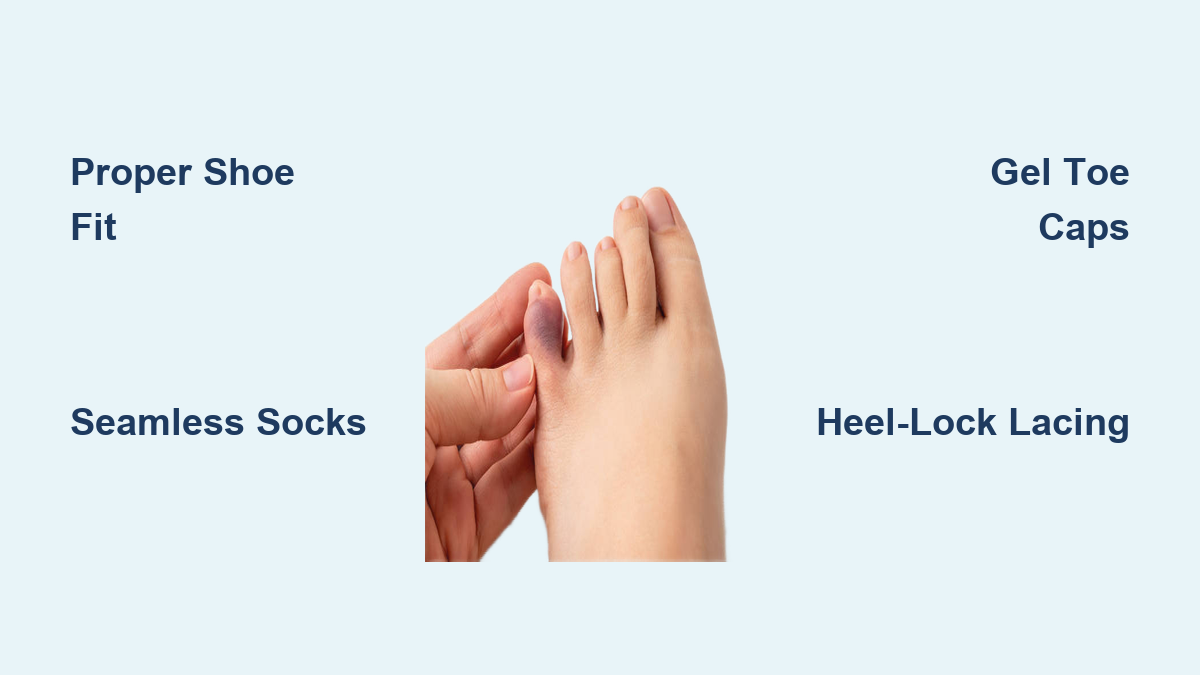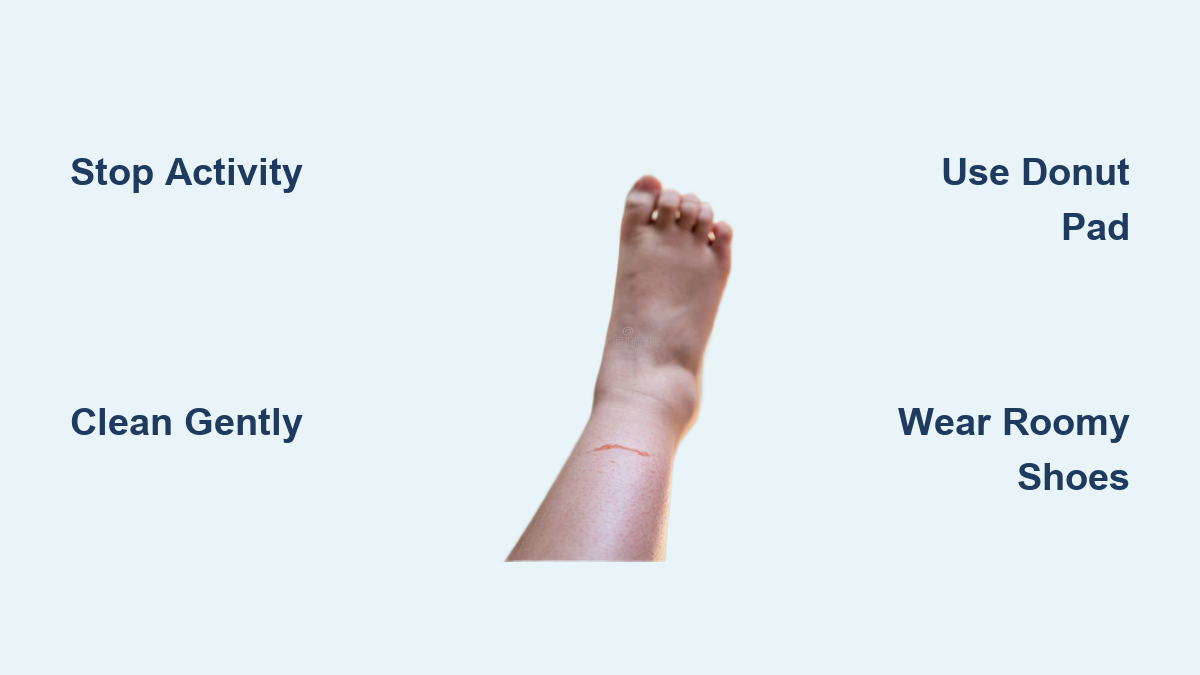
Few things are more frustrating than slipping on a stylish pair of shoes only to feel that familiar, stinging friction at the back of your heel. That relentless rubbing doesn’t just cause discomfort—it can lead to painful blisters, raw skin, and even long-term foot conditions like Haglund’s deformity or Achilles bursitis. Whether you’re breaking in new boots, wearing sleek flats, or logging miles in athletic sneakers, heel slippage and chafing are common but entirely fixable problems.
The good news? You don’t have to toss out uncomfortable shoes or suffer in silence. With the right tools and techniques, you can stop heel rubbing fast and wear your favorite footwear confidently. This guide delivers immediate fixes, smart sock strategies, shoe modifications, and long-term prevention tips—all backed by real-world testing and expert advice. From heel grips to lacing tricks and moisture control, you’ll learn how to protect your heels, improve fit, and walk pain-free.
Fix Heel Slippage Immediately
When your heel is already rubbing, acting fast prevents blisters and stops irritation from worsening.
Apply Heel Grips or Cushions
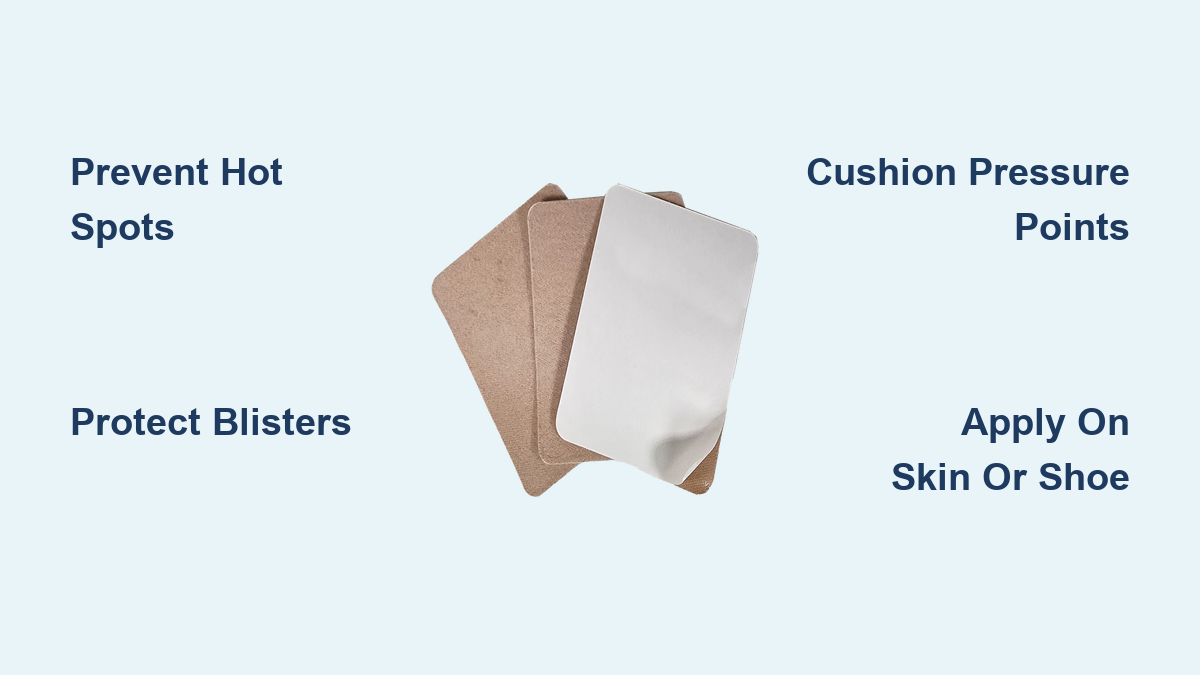
Heel grips are thin, adhesive pads placed inside the shoe’s heel cup to eliminate slippage. Made from gel, foam, or moleskin, they fill excess space and cushion the back of your heel. Brands like Foot Petals, Compeed, and Vionic offer slim designs that remain invisible in dress shoes, boots, and loafers. Reusable gel versions can last for weeks, making them a budget-friendly solution.
Pro tip: Trim moleskin to size and stick it directly over rough seams or stiff areas inside the shoe to neutralize internal abrasions.
Use Blister Plasters or Hydrocolloid Patches
If rubbing has already caused redness or a blister, apply a hydrocolloid patch like Compeed. These act as a “second skin,” protecting the area while promoting healing. Waterproof and long-lasting (up to several days), they stay on through showers and workouts—ideal for long events or active days.
Expert note: Always apply hydrocolloid patches to clean, dry skin. Avoid using on open wounds without medical guidance.
Slip on Anti-Blister Balm
Apply anti-friction balms like Body Glide or petroleum jelly to the back of your heel and Achilles tendon before wearing shoes. These create a slick barrier that reduces skin-on-shoe contact. Non-staining formulas are safe for light socks and hosiery.
Bonus: Use on thighs, underarms, or toes to prevent other chafing spots during long walks or runs.
Try KT Tape or Sports Tape
Wrap athletic tape around the heel or Achilles area to stabilize the foot and reduce movement. Breathable and durable, it’s a favorite among runners and hikers. Apply with slight tension to lock the heel in place without restricting circulation.
Warning: Remove immediately if skin becomes red or itchy—prolonged tape use can cause irritation.
Choose the Right Socks to Prevent Rubbing
Socks aren’t just fashion accessories—they’re your first line of defense against friction.
Wear Crew or Ankle-High Socks
Low-cut or no-show socks often leave the heel exposed, allowing direct shoe contact. Opt for ankle-high or crew socks that cover the entire heel and Achilles. This extra fabric layer cushions impact and absorbs sweat.
User insight: “I switched to higher socks and the rubbing stopped overnight.”
Use Double-Layer Socks
Double-layer socks (like Wrightsock) feature a thin inner liner and thicker outer sock. The inner layer moves with your foot, while the outer stays with the shoe—reducing skin friction. Ideal for hiking, running, or long walks.
Pick Moisture-Wicking Materials
Cotton socks trap sweat, increasing friction and discomfort. Instead, choose:
– Merino wool: Soft, temperature-regulating, and naturally odor-resistant.
– Synthetic blends (CoolMax, Olefin): Pull moisture away from skin.
Fact: Feet have over 250,000 sweat glands—moisture control is essential.
Match Sock Thickness to Shoe Fit
Thicker socks add cushioning but take up space. If shoes feel tight with thick socks, consider sizing up or using a thinner moisture-wicking liner.
Adjust Your Shoes for a Better Fit
Modify the shoe itself to stop heel movement and improve comfort.
Use Heel Lock Lacing
Also known as the “runner’s loop,” this lacing technique locks your heel in place. Works on any shoe with multiple eyelets.
Steps:
1. Lace normally up to the second-to-last eyelet.
2. Create a loop with each lace end.
3. Cross the laces through the opposite loops.
4. Pull tight and tie normally.
Result: A snugger heel fit without tightening the top of the foot.
Add Supportive Insoles
Insoles lift the foot slightly, reducing heel-to-shoe contact. Over-the-counter options like Vionic, Superfeet, or Powerstep offer arch support and cushioning. For biomechanical issues, custom orthotics from a podiatrist may be needed.
Caution: Too much lift can increase rubbing—ensure your shoe has enough depth.
Stretch Tight Heels at Home
New shoes often need shaping. Try these safe DIY methods:
Thick Socks + Hairdryer Method
- Wear two pairs of thick socks.
- Put on the shoes.
- Use a hairdryer on medium heat to warm the heel area for 2–3 minutes.
- Walk around for 10–15 minutes.
Best for: Leather or suede shoes.
Freezer Method (for width issues)
- Fill a zip-top bag with water.
- Place inside the shoe.
- Freeze overnight. Expanding ice gently stretches the material.
Limitation: Works best for toe box or width, not heel height.
Visit a Cobbler for Professional Stretching
For stubborn fits, a cobbler can use professional stretching machines to target the heel, width, or toe box. Safer than DIY for delicate materials like patent leather or mesh.
Prevent Rubbing Before It Starts
Smart shoe selection stops heel friction before it begins.
Buy Shoes Late in the Day
Feet swell up to half a size by evening. Trying on shoes after being on your feet ensures a true fit.
Rule of thumb: Always fit shoes to your larger foot.
Check for Proper Fit
Use these guidelines:
– Toe space: 3/8″ to 1/2″ between longest toe and shoe end.
– Heel slippage: Less than 1/8 inch.
– Width: Snug but no pinching.
– Arch support: Foot should feel secure without over-tightening laces.
Mistake to avoid: Trying on shoes with thin stockings, then wearing thick socks.
Look for Padded Heel Collars
Especially in boots, sneakers, and athletic shoes, a padded heel cup reduces friction and supports the Achilles. Leather and suede molds over time—better than stiff synthetics.
Control Moisture and Friction
Dry feet = less slip = less rubbing.
Apply Foot Powder
Sprinkle talc-free foot powder (like Gold Bond or generic cornstarch) on your feet and inside shoes. Absorbs sweat, reduces odor, and keeps socks from slipping.
Tip: Reapply during long days or in hot weather.
Use Antiperspirant on Feet
Yes—deodorant. Clinical-strength antiperspirant applied to soles and heels blocks sweat glands. Safe and effective for reducing moisture-related friction.
How to use: Apply at night for best absorption. Wash off in the morning if desired.
Know When to Replace Your Shoes
Some shoes simply can’t be fixed.
Signs It’s Time to Quit
- Heel slippage persists despite fixes.
- Pain or redness after short wear.
- Visible blisters or bleeding.
- Structural mismatch (e.g., narrow heel cup on a wide heel).
Hard truth: “No amount of insoles or tape can fix a fundamentally bad fit.”
Choose Foot-Healthy Brands
Look for APMA-certified (American Podiatric Medical Association) shoes from brands like:
– Vionic: Contoured footbeds and deep heel cups.
– Dansko: Excellent arch support and stable heels.
– New Balance: Wide widths and orthotic-friendly designs.
These are built for long-term comfort and reduce heel rubbing from the start.
Special Cases and Extra Tips
High Heels and Flats
Prone to heel slip due to shallow design. Use:
– Gel heel grips: Stay hidden and provide grip.
– Toe cushions: Prevent toe scrunching, which worsens heel lift.
Sandals with Back Straps
Straps can rub the heel edge. Apply strap cushions—trim-to-fit foam pads that soften contact.
Kids and Aging Feet
- Children: Feet grow fast—re-measure every 3–6 months.
- Older adults: Thinner skin and less fat padding require more cushioning and support.
Medical Conditions
- Haglund’s deformity (“pump bump”): Bony bump at heel base. Wear shoes with soft, wide heel counters or open backs.
- Achilles bursitis: Inflammation from rubbing. Use shoes with Achilles cutouts and see a podiatrist if pain persists.
When to See a Podiatrist
Seek professional help if you experience:
– Recurrent blisters or skin breakdown.
– Signs of infection (redness, pus, warmth).
– Chronic heel pain (plantar fasciitis, tendonitis).
– Excessive sweating (hyperhidrosis).
– Need for custom orthotics or gait analysis.
Remember: Foot pain isn’t normal. A podiatrist can identify underlying issues and recommend long-term solutions.
Summary: 10-Step Plan to Stop Heel Rubbing
| Step | Action | Purpose |
|---|---|---|
| 1 | Measure both feet late in the day | Accurate sizing |
| 2 | Wear fitting socks during purchase | Real-world fit check |
| 3 | Choose shoes with padded heel collars | Built-in friction protection |
| 4 | Use heel grips or moleskin | Immediate slippage fix |
| 5 | Apply anti-blister balm | Reduce skin friction |
| 6 | Try heel lock lacing | Lock heel in place |
| 7 | Add supportive insoles | Improve fit and support |
| 8 | Break in shoes gradually | Let materials conform |
| 9 | Control moisture with powder or antiperspirant | Prevent sweat-related slip |
| 10 | Replace ill-fitting shoes | Avoid long-term damage |
Final Note: Heel rubbing is fixable—but comfort shouldn’t be a battle. With the right socks, smart adjustments, and proper footwear, you can walk pain-free all day. Don’t suffer for style. Your feet carry you every step of your life—treat them with care.