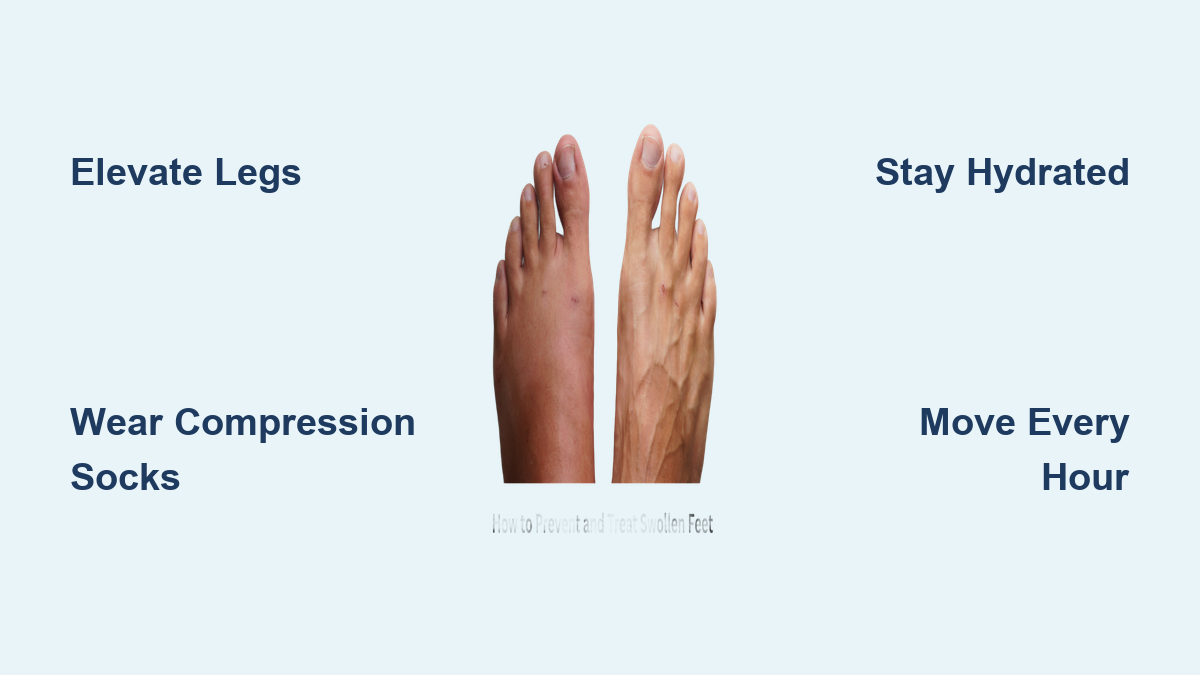
If you’re on your feet for hours—whether you’re a nurse, teacher, retail associate, chef, or delivery driver—you’ve likely experienced the uncomfortable, puffy feeling in your feet and ankles by the end of the day. Tight shoes, aching legs, and visibly swollen feet aren’t just annoying—they’re signs your body is struggling with fluid buildup. This common issue, known as foot swelling after standing all day, is medically termed edema, and it happens when gravity pulls fluid into your lower limbs faster than your circulatory system can return it.
While occasional swelling is usually harmless, ignoring it can lead to chronic pain, varicose veins, or even serious vascular problems. The good news? You don’t have to suffer. Simple, science-backed strategies like leg elevation, wearing compression socks, staying hydrated, cutting back on salt, and moving regularly can dramatically reduce swelling and keep your feet feeling light and energized. In this guide, you’ll learn immediate relief techniques, long-term prevention tips, and when to seek medical help—so you can stay on your feet without the pain.
Elevate Legs Above Heart Level to Reverse Fluid Pooling
One of the most effective ways to reduce foot swelling is elevating your legs above heart level. This simple act uses gravity to your advantage, helping blood and lymphatic fluid flow back toward your core and away from your feet.
Why Elevation Works Faster Than Rest Alone
When you stand for long hours, fluid accumulates in your feet due to gravity and reduced muscle activity. Elevating your legs reverses this effect—once your feet are higher than your heart, gravity assists in draining excess fluid from tissues and veins. This reduces pressure in your blood vessels and supports your lymphatic system in removing waste and fluid.
How to Elevate Correctly for Maximum Effect
- Lie flat on your back and prop your legs up using 2–3 pillows so your feet are clearly above your heart.
- Hold this position for 10–15 minutes, ideally 2–3 times a day—especially right after work.
- For nighttime relief, place a pillow under your calves or slightly raise the foot of your bed using blocks.
✅ Pro Tip: Combine leg elevation with deep, slow breathing to activate your parasympathetic nervous system, which enhances lymphatic drainage and reduces stress-related fluid retention.
Avoid crossing your legs or ankles while sitting—this restricts circulation and worsens swelling.
Wear 15–20 mmHg Compression Socks to Boost Circulation

Compression socks are a must-have for anyone who stands all day. These specially designed garments apply gentle, graduated pressure—tightest at the ankle and gradually looser up the calf—to help blood flow back to your heart.
Why Graduated Compression Is Most Effective
The 15–20 mmHg pressure level is ideal for daily wear and proven to prevent venous pooling. This design mimics the natural pumping action of your calf muscles, reducing the risk of swelling, fatigue, and even varicose veins over time.
When and How to Wear Compression Socks
- Put them on first thing in the morning, before getting out of bed, to prevent swelling before it starts.
- Wear them throughout your shift, removing them only at night.
- Replace every 3–6 months, as the fabric loses elasticity over time.
⚠️ Warning: Do not wear compression socks if you have peripheral artery disease (PAD) or severe neuropathy. If you have diabetes or heart issues, consult your doctor first.
Stay Hydrated to Flush Out Excess Sodium
It may seem counterintuitive, but drinking more water helps reduce swelling. When you’re dehydrated, your body holds onto fluid to maintain blood pressure, leading to water retention and puffiness.
How Hydration Prevents Fluid Buildup
Your kidneys regulate fluid and sodium balance. When you’re well-hydrated, they efficiently flush out excess sodium through urine. But when you’re dehydrated, your kidneys conserve water and sodium—causing fluid to leak into surrounding tissues.
Daily Water Intake Goals
- Men: Aim for about 3.7 liters (125 oz) from all fluids and foods
- Women: Aim for 2.7 liters (91 oz)
- Increase intake in hot weather, during pregnancy, or with intense activity
Best Fluids to Drink
- Water (primary source)
- Broth-based soups (low-sodium)
- Coconut water (natural electrolytes)
- Herbal teas (non-caffeinated)
Avoid These Dehydrating Drinks
- Coffee and energy drinks (limit to 1–2 cups/day)
- Alcohol (dehydrates and dilates blood vessels)
- Sugary sodas (high in salt and sugar)
✅ Key Insight: Staying hydrated is one of the most effective, yet often overlooked, ways to reduce foot swelling after standing all day.
Cut Back on Sodium to Minimize Water Retention
Excess sodium is a major cause of swelling. High salt intake increases osmotic pressure in your blood vessels, pulling fluid into your tissues and worsening edema.
Why Processed Foods Are the Biggest Culprit
Over 80% of dietary sodium comes from processed, packaged, and restaurant foods—not the salt shaker. Items like frozen meals, canned soups, deli meats, and fast food are loaded with hidden salt.
How to Reduce Sodium Intake
- Cook meals from fresh ingredients
- Choose low-sodium or no-salt-added versions of canned goods
- Avoid adding table salt—use herbs, garlic, lemon, or vinegar for flavor
- Read labels: aim for under 2,300 mg/day, ideally under 1,500 mg if prone to swelling
Balance Sodium with Potassium-Rich Foods
Potassium helps your kidneys excrete sodium and maintain fluid balance.
Top Potassium Sources:
– Bananas
– Sweet potatoes
– Spinach
– Avocados
– White beans
– Oranges
✅ Quick Answer: Do bananas help swollen feet? Yes—they’re rich in potassium, which helps flush excess sodium and reduce mild edema.
⚠️ Caution: If you have kidney disease, talk to your doctor before increasing potassium.
Eat More Magnesium-Rich Foods to Prevent Cramps and Swelling
Magnesium plays a key role in muscle function, nerve signaling, and fluid balance. A deficiency can contribute to leg cramps, muscle tightness, and fluid retention.
How Magnesium Supports Circulation
Magnesium helps regulate electrolytes and relaxes blood vessels, improving blood flow and reducing hydrostatic pressure in capillaries.
Best Dietary Sources
- Spinach
- Pumpkin seeds
- Almonds
- Black beans
- Whole grains
- Dark chocolate (70%+ cocoa)
Daily Needs:
– Men: 410–420 mg
– Women: 310–320 mg
⚠️ Note: Magnesium supplements should only be taken under medical supervision, especially with kidney or heart conditions.
Move Every 30–60 Minutes to Activate the Calf Pump
Your calf muscles act like a secondary heart, squeezing veins to push blood upward. Standing still shuts down this pump, leading to fluid buildup.
Why Micro-Movements Make a Big Difference
Even small actions—like shifting your weight or rocking on your toes—can stimulate circulation and prevent venous pooling.
Simple In-Shift Exercises
- March in place for 1–2 minutes every hour
- Shift weight from heels to toes
- Do ankle circles (10 each direction)
- Perform toe raises (lift heels, then toes)
- Take short walking breaks
✅ Pro Tip: Set a phone or smartwatch alarm to move every 30–60 minutes. Even 30 seconds of movement helps.
Wear Supportive, Comfortable Shoes to Reduce Foot Strain

Ill-fitting or flat shoes increase pressure on your feet and worsen swelling. The right footwear reduces fatigue and supports healthy circulation.
What to Look for in Work Shoes
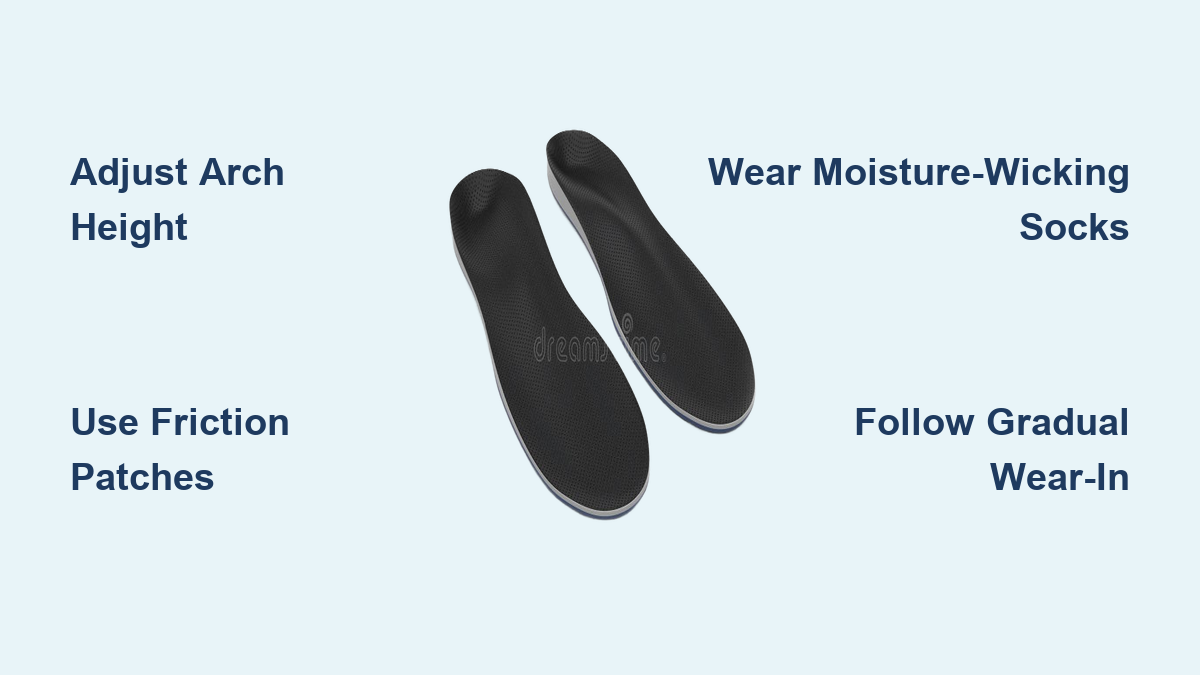
- Arch support (critical for flat feet)
- Cushioned insoles to absorb impact
- Stable heel counter to prevent wobbling
- Roomy toe box to avoid nerve compression
- Low heel (under 1 inch)
Recommended Shoe Types
- Athletic shoes with motion control
- Work boots with built-in support
- Wide or extra-depth shoes for swelling
✅ Upgrade Option: Add orthotic inserts if you have flat feet, high arches, or plantar fasciitis. Custom orthotics improve alignment and reduce strain.
Use Anti-Fatigue Mats to Reduce Joint Stress
Standing on hard floors like concrete or tile increases impact on your feet, legs, and joints.
How Anti-Fatigue Mats Help
These mats provide slight cushioning, encouraging micro-movements that keep your calf pump active and reduce muscle fatigue.
Best Types of Mats
- Rubber mats (durable, slip-resistant)
- Cork mats (natural, shock-absorbing)
- Gel or foam mats (high comfort)
✅ Workplace Tip: Ask your employer to install anti-fatigue mats at checkout counters, kitchen stations, or assembly lines. It’s a low-cost, high-impact ergonomic improvement.
Stretch and Massage Legs Daily to Improve Circulation

Tight muscles restrict blood flow. Stretching and massage improve flexibility, reduce stiffness, and support lymphatic drainage.
Post-Work Stretches
Wall Calf Stretch
Lean against a wall, one foot back, heel down. Hold 30 seconds per leg.
Achilles Stretch
Same as above, but with a slightly bent back knee.
Plantar Fascia Stretch
Roll a tennis ball or frozen water bottle under your foot for 2–3 minutes.
Towel Toe Curls
Place a towel on the floor. Use your toes to scrunch it toward you. Repeat 10 times.
Self-Massage Techniques
- Use firm upward strokes from feet to knees
- Roll a foam roller under calves
- Apply cooling gel or lotion while massaging
✅ Benefit: These routines reduce swelling, prevent cramps, and improve recovery.
Try a Cool Foot Soak for Temporary Relief
While evidence is limited, many find relief from a cool foot soak.
Epsom Salt Soak (Anecdotal Benefit)
- Dissolve 1–2 cups Epsom salt in cool/lukewarm water.
- Soak for 15–20 minutes.
- Dry thoroughly and moisturize.
⚠️ Note: Magnesium absorption through skin is minimal—no strong clinical proof Epsom salt reduces edema.
Better Option: Plain Cool Water Soak
- Constricts blood vessels and reduces inflammation.
- Add ice cubes briefly, but avoid prolonged cold.
✅ Avoid hot soaks—they dilate blood vessels and can worsen swelling.
Know the Red Flags: When to See a Doctor
Most swelling resolves with rest and self-care. But some signs indicate serious conditions.
Warning Signs
- Swelling in one leg only → Possible DVT
- Pain, redness, warmth → DVT or infection
- Shortness of breath → Heart failure
- Sudden weight gain (2–5 lbs/day) → Fluid overload
- Skin ulcers or discoloration → Chronic venous insufficiency
✅ Bottom Line: If swelling doesn’t improve with elevation, movement, or compression, see a doctor.
Final Note: Foot swelling after standing all day is common—but not normal. With the right mix of elevation, compression, hydration, movement, and supportive footwear, you can prevent discomfort and protect your long-term health. If swelling persists or worsens, seek medical advice promptly. Your feet carry you through life—treat them right.