Every year, 1 in 4 adults over 65 experiences a fall, often leading to serious injuries like fractures, hospitalizations, or loss of independence. For seniors dealing with foot pain, stiffness, or numbness, the risk is even greater—because your feet are your foundation. Conditions like plantar fasciitis, arthritis, flat feet, or diabetic neuropathy disrupt how you stand, walk, and respond to changes in terrain. When foot function declines, balance suffers.
The good news? Balance can be improved at any age, even with existing foot challenges. With targeted exercises, proper footwear, and smart lifestyle adjustments, seniors can significantly reduce fall risk and regain confidence in their movement. This guide delivers practical, science-backed strategies specifically designed for older adults with foot issues. You’ll learn how to strengthen weak feet, improve ankle flexibility, choose safer shoes, and create a fall-proof environment—all to help you stand taller, walk steadier, and live more independently.
Strengthen Foot Muscles Daily

Weak intrinsic foot muscles reduce arch support, toe grip, and ground feedback—making every step less stable. Strengthening these small but vital muscles enhances foot control and improves balance, especially on uneven surfaces.
Perform Towel Curls for Arch Support
Sit in a sturdy chair with a hand towel flat on the floor. Place one bare foot on the towel and use only your toes to pull it toward your heel, keeping your heel planted. Do 5 slow, controlled pulls per foot, then switch. Aim for 2 sets daily.
- Why it works: Activates the muscles under the foot and stretches the plantar fascia.
- Pro tip: Add a light weight (like a can of soup) to the end of the towel to increase resistance over time.
Lift Toes One at a Time
Sit or stand barefoot and practice isolating toe movement. Lift your big toe while keeping the other four toes flat on the floor. Then reverse—keep your big toe down while lifting the smaller toes.
- Reps: 5 lifts per variation, per foot.
- Benefit: Builds fine motor control, which helps your foot adapt quickly when stepping on unexpected surfaces.
Roll a Ball Under Your Feet
Use a tennis ball, golf ball, or foam roller. Sit with feet flat on the floor and roll the ball under your arch and heel for 1 minute per foot.
- Best for: Loosening tight plantar fascia and stimulating nerve endings in numb feet.
- When to do it: First thing in the morning or after sitting for long periods to “wake up” your feet.
Improve Ankle Mobility and Flexibility
Stiff ankles limit your ability to climb stairs, step over curbs, or catch yourself during a stumble. Restoring ankle range of motion is essential for safe, confident walking.
Do Ankle Circles Regularly
Sit comfortably, lift one foot off the floor, and slowly rotate your ankle in full circles—5 clockwise, 5 counterclockwise. Repeat on the other side.
- Focus: Smooth, controlled motion—no jerking.
- Progress: Try “writing” the alphabet with your toes to engage all directions of ankle movement.
Stretch Calves to Boost Dorsiflexion
Limited dorsiflexion (lifting the foot upward) increases fall risk on stairs and ramps. Two key stretches target different calf muscles:
Straight-Leg Calf Stretch
- Face a wall, hands on it.
- Step one leg back, keep heel down and knee straight.
- Lean forward until you feel a stretch in the upper calf.
- Hold 30 seconds per leg, repeat 2 times.
Bent-Knee Calf Stretch
- Same position, but bend the back knee.
- Keep heel down to stretch the deeper soleus muscle.
-
Hold 30 seconds per leg.
-
Do both daily, especially before walking or balance exercises.
Build Balance with Targeted Exercises
Balance training rewires your nervous system to react faster and more accurately. For seniors with foot pain or numbness, start with support and progress gradually.
Master the Single-Leg Stand
Hold a sturdy chair with both hands. Lift one foot a few inches off the ground and balance on the other leg for 10 seconds. Switch sides. Repeat 5 times per leg.
- Progressions:
- Week 1–2: Two hands on chair
- Week 3–4: One hand, then fingertips
-
Week 5+: No hands, eyes open → eyes closed (with support nearby)
-
Visual cue: Keep your standing knee slightly bent, not locked.
Practice Tandem Stance and Walk
Tandem Stance
- Stand with one foot directly in front of the other, heel to toe.
- Hold 15–30 seconds with hands on support.
- Builds narrow-base stability.
Heel-to-Toe Walk
- Walk 10–20 steps in a straight line, placing the heel of one foot right in front of the toes of the other.
- Use a wall or counter if needed.
- Purpose: Trains coordination and dynamic balance, mimicking real-world challenges.
Try the Clock Reach Drill
Imagine standing in the center of a clock. Hold a chair with one hand. Lift one foot and “reach” it toward 12, 3, 6, and 9 o’clock.
- At 12: Step forward
- At 3: Step sideways
- At 6: Step slightly behind
-
At 9: Step opposite side
-
Reps: 1 cycle per side, 2 sets
- Why it works: Trains balance in all directions, improving reaction to slips or trips.
Use Balance-Friendly Footwear

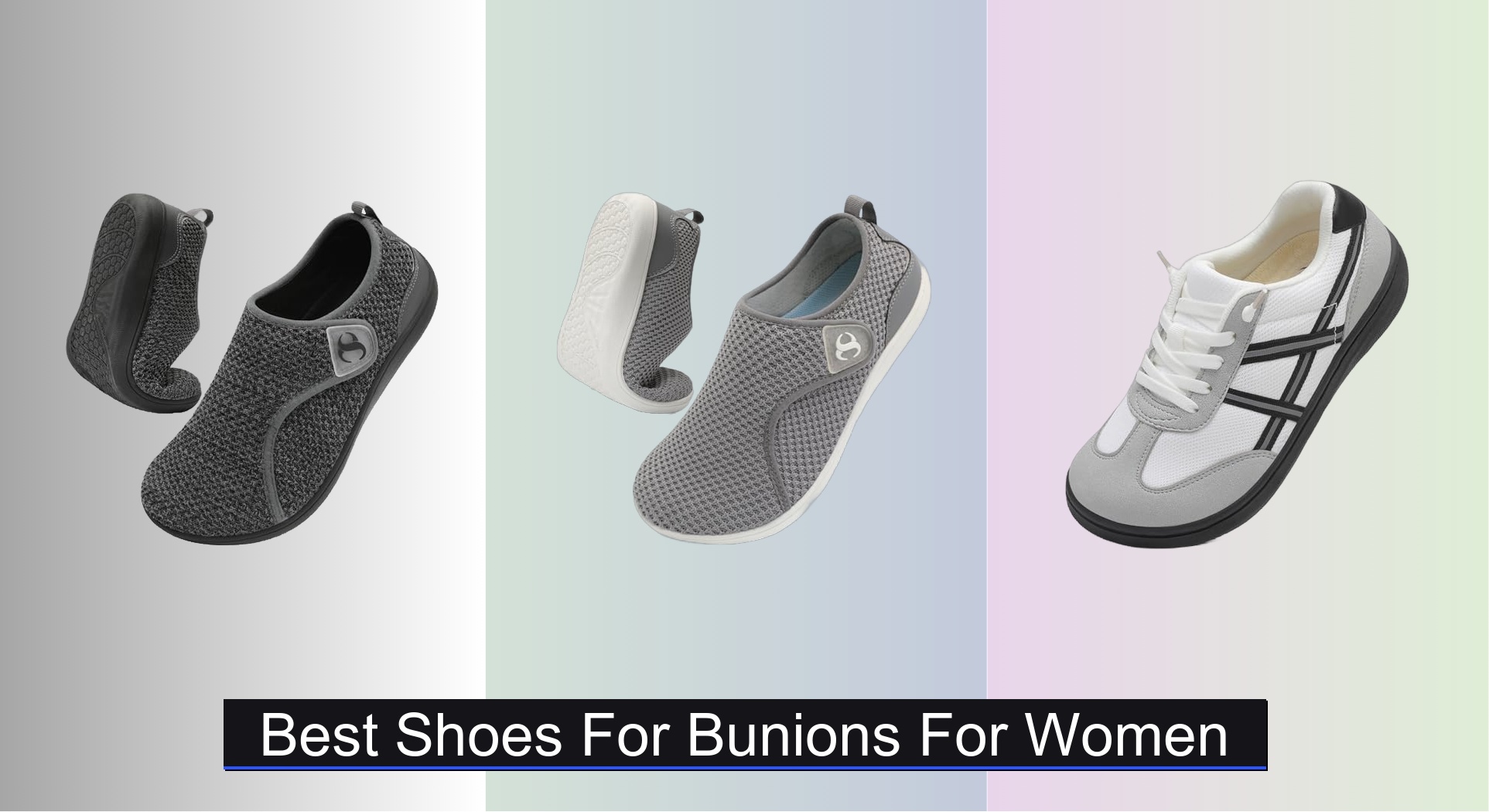
Even the best exercises won’t help if your shoes undermine stability. The right footwear acts like a stable platform—especially for seniors with foot deformities or pain.
Apply the 1-2-3 Shoe Test
Podiatrists recommend this quick check before buying or wearing shoes:
- Heel Counter Test: Press both sides of the heel. It should feel firm and resist squeezing.
- Toe Flex Test: Bend the shoe at the front. It should flex easily at the ball of the foot, not the arch.
- Twist Test: Twist heel-to-toe. The midfoot should resist twisting—like a shank in a work boot.
- Fail any test? Don’t wear them daily.
Choose Shoes with These 5 Features
- Firm heel counter – Prevents ankle wobble
- Moderate arch support – Matches your foot type (flat or high arch)
- Non-slip sole – Rubber outsole with tread, no smooth leather
- Low heel (≤1 inch) – Reduces forward fall risk
- Secure closure – Laces, Velcro, or straps to prevent slippage
- Avoid: Flip-flops, backless slippers, high heels, or worn-out soles.
Consider Orthotics or Textured Insoles
- Custom orthotics: Best for flat feet, overpronation, or arthritis—prescribed by a podiatrist.
- Over-the-counter insoles: Cushioned for high arches; textured (nubby surface) to boost foot sensation in neuropathy.
- Pro tip: Replace insoles every 6–12 months or when they lose shape.
Manage Foot Conditions That Affect Balance

Foot pain changes how you walk—leading to uneven weight shifts and instability. Treating the root cause is key to restoring natural gait.
Address Plantar Fasciitis
Pain under the heel forces you to walk on the side of your foot, reducing balance.
- Do:
- Stretch calves and feet daily
- Use a frozen water bottle to roll under the arch
- Wear supportive shoes with cushioned heel
- See a doctor if pain lasts more than 2 weeks.
Support Arthritic or Stiff Joints
Osteoarthritis in the foot or ankle causes pain and limited motion.
- Helpful tools:
- Stiff-soled shoes to limit joint movement
- Custom orthotics to redistribute pressure
-
Warm showers before exercise to loosen stiff joints
-
Exercise tip: Move joints through full range daily, even if gently.
Handle Neuropathy and Numb Feet
Loss of sensation means less feedback about the ground—increasing fall risk.
- Compensate with:
- Textured insoles (stimulate remaining nerves)
- Bright-colored tape on steps (visual cue for depth)
-
Balance exercises with eyes open first, then closed (to train other senses)
-
Monitor feet daily for cuts or sores you can’t feel.
Integrate Daily Stability Routines
Balance improves with consistency—not intensity. Weave small exercises into daily habits.
Brush Teeth on One Foot
While brushing, stand on one leg. Switch sides halfway. No hands on the sink.
- Time: ~2 minutes
- Bonus: Builds balance during a routine task.
Sit-to-Stand Without Using Hands
From a sturdy chair, scoot forward, lean chest over toes, and stand up using only leg strength.
- Reps: 10, 2 times daily
-
Progress: Add light hand weights (1–2 lbs)
-
Why it matters: Builds quadriceps and glutes—key muscles for rising and stair climbing.
Walk Sideways and Grapevine
- Sideways steps: 10 steps right, 10 left—hold counter if needed.
-
Grapevine: Step right, cross left behind, step right, cross left in front. Reverse.
-
Purpose: Enhances lateral stability—critical for avoiding sideways falls.
Join a Tai Chi or Balance Class
Tai Chi is one of the most effective fall-prevention tools for seniors—reducing fall risk by up to 45%.
- Why it works: Combines slow weight shifts, deep stances, and breath control to train balance and confidence.
- Options:
- Local senior centers
- YMCA or community pools (many offer aquatic tai chi)
-
YouTube videos (search “Tai Chi for seniors balance”)
-
Tip: Start with 10-minute sessions, 3 times a week.
Make Your Home Fall-Proof
Even with strong feet and good balance, hazards at home increase fall risk.
Secure the Bathroom
- Install grab bars near toilet and in shower (not towel bars—they can break).
- Use non-slip mats inside and outside the tub.
- Consider a raised toilet seat if bending is hard.
Improve Lighting and Clear Paths
- Add nightlights in hallways and bathrooms.
- Use motion-sensor lights for nighttime trips.
- Remove clutter, secure rugs with double-sided tape, and tuck away cords.
Keep Essentials Within Reach
- Store frequently used items between hip and shoulder height.
- Avoid step stools. Use a reacher tool instead.
Seek Professional Help When Needed
Some balance issues require expert care—especially if pain, numbness, or frequent near-falls persist.
See a Podiatrist for Foot Pain
A foot specialist can:
– Diagnose plantar fasciitis, bunions, or hammertoes
– Prescribe custom orthotics
– Recommend proper shoes for your foot type
- When to go: If foot pain alters your walk or lasts more than 2 weeks.
Start Physical Therapy for Balance Training
A physical therapist creates a personalized plan that may include:
– Balance drills on foam or wobble boards
– Gait training to correct limping
– Foot and ankle strengthening
– Core stability exercises
- Coverage: Medicare Part B often covers PT with a doctor’s referral.
Stay Active with Low-Impact Exercise
Movement keeps joints mobile, muscles strong, and balance sharp—without stressing painful feet.
Walk Daily on Flat Surfaces
- Aim for 30 minutes, or break into 10-minute walks.
- Wear supportive shoes and use a cane if needed.
- Bonus: Walking on grass or sand (if pain-free) challenges balance gently.
Try Water Aerobics or Swimming
- Buoyancy reduces joint stress while building strength.
- Water resistance improves leg control.
- Many YMCAs and senior centers offer classes.
Use a Stationary Bike
- Low-impact way to build calf and thigh strength.
-
Improves circulation and ankle motion.
-
Tip: Adjust seat so knee is slightly bent at bottom of pedal stroke.
Final Note: Improving balance with foot issues isn’t about quick fixes—it’s about consistent, smart effort. Start with one exercise, one shoe change, or one home adjustment. Over weeks, these small steps add up to greater stability, fewer fears, and more freedom. With stronger feet, better shoes, and daily practice, you can move with confidence—knowing you’re safer with every step.