You were born to walk barefoot. Millions of years of evolution shaped your feet to move naturally—feeling every pebble, adapting to every slope, and absorbing impact with precision. Yet most of us spend our lives confined in shoes that dull sensation, weaken muscles, and alter the way we walk. Emerging research shows that regularly going barefoot strengthens your feet, sharpens balance, and restores efficient movement patterns—while habitual shoe use can lead to long-term structural and functional decline. The real question isn’t whether you should ever wear shoes—it’s how much time your feet spend without them. This guide breaks down the science-backed benefits of walking barefoot versus wearing shoes, identifies who should proceed with caution, and offers practical ways to safely reclaim natural foot function.
Barefoot Walking Improves Natural Gait Mechanics
Reduces Impact with a Softer Foot Strike
Walking barefoot naturally encourages a midfoot or forefoot strike, where the front or middle of your foot lands first. This landing pattern reduces peak vertical ground reaction forces—essentially softening the impact when your foot hits the ground. In contrast, cushioned shoes promote heel-first striking, which creates a sharp impact spike that travels up your legs, knees, hips, and spine. Over time, this repetitive jolt increases the risk of joint wear and overuse injuries. Without shoes, your body instinctively adjusts to land more gently, protecting your joints with every step.
Promotes Efficient, Shorter Strides
Barefoot walking shortens your stride and increases your step frequency, also known as cadence. This gait pattern is more energy-efficient and reduces braking forces during each step. Shod walkers often overstride—reaching their foot too far ahead—which increases stress on the knees and hips. By walking barefoot, you retrain your body to take quicker, lighter steps, minimizing vertical bounce and improving movement economy. The result? Less fatigue, better endurance, and more natural alignment from foot to spine.
Enhances Natural Foot Roll and Weight Transfer
When your foot is unrestricted, it rolls smoothly through pronation (inward roll) and supination (outward roll) during the stance phase. This natural motion allows for effective shock absorption and adaptability to uneven terrain. Shoes with stiff soles limit this dynamic movement, forcing other joints—like your ankles, knees, and hips—to compensate. Over time, this can lead to poor biomechanics and increased injury risk. Barefoot walking preserves the foot’s innate ability to respond to the ground, keeping your gait fluid and balanced.
Shoes Alter Foot Function and Posture

Heel Elevation Disrupts Spinal Alignment
Most conventional shoes—even sneakers—have elevated heels, sometimes by several centimeters. This subtle lift shifts your center of gravity forward, forcing your spine into unnatural curves and increasing pressure on your lower back and forefoot. Over time, this can lead to postural imbalances, tight calf muscles, and reduced ankle mobility. Barefoot walking or wearing zero-drop shoes keeps your heel and forefoot level, supporting a neutral spine and healthier alignment from head to toe.
Narrow Toe Boxes Deform Natural Foot Shape
The average shoe squeezes your toes into a narrow, pointed box—far from the natural splay your feet need during weight-bearing. This chronic compression weakens intrinsic foot muscles, destabilizes the arch, and increases the risk of bunions, hammertoes, and neuromas. Barefoot walking allows your toes to spread wide, enhancing balance and creating a stable base for movement. Children, whose feet are naturally widest at the toes, are especially vulnerable to long-term damage from restrictive footwear.
Thick Soles Block Vital Sensory Feedback
Your feet contain over 200,000 nerve endings, making them one of the most sensitive parts of your body. Thick, cushioned soles insulate this sensory input, impairing proprioception—the ability to sense where your body is in space. Reduced feedback delays your nervous system’s response to uneven surfaces, increasing fall risk and reducing coordination. Walking barefoot maximizes ground feel, allowing your brain to make real-time adjustments for better stability and control.
Barefoot Walking Builds Stronger, Healthier Feet

Activates Intrinsic Muscles for Natural Arch Support
The small muscles within your foot—like the abductor hallucis and flexor digitorum brevis—are largely inactive when you wear supportive shoes. Barefoot walking forces these muscles to work, dynamically supporting your arch with every step. Unlike passive orthotics, this active strengthening builds resilient, adaptive arches that improve over time. Studies show that people who grow up barefoot develop stronger, wider feet with more robust arch function.
Prevents Muscle Atrophy and Foot Weakness
Years of wearing rigid shoes lead to muscle atrophy in the feet and calves. Without regular stimulation, your foot becomes dependent on external support, weakening its natural ability to stabilize and propel you. Barefoot walking reverses this trend by restoring natural loading patterns, reactivating dormant muscles, and rebuilding strength from the ground up.
Improves Push-Off Efficiency and Calf Function
During barefoot walking, your toes engage fully at push-off, generating propulsion from the forefoot. Shoes with stiff soles often restrict this motion, leading to incomplete extension and wasted energy. Relearning natural push-off mechanics strengthens your calves, improves stride efficiency, and reduces strain on your hips and lower back.
Sensory and Balance Benefits You Can’t Ignore
Sharpens Proprioception and Neuromuscular Control
The soles of your feet are packed with mechanoreceptors that detect texture, slope, and surface compliance. Walking barefoot maximizes this sensory input, improving your body’s ability to adjust posture and maintain balance. This enhanced feedback loop benefits not just your feet—but your entire movement system.
Enhances Balance, Especially on Uneven Surfaces
Studies show that barefoot individuals have superior balance, particularly on unstable or irregular terrain. This advantage is especially valuable for older adults, where improved foot sensitivity may reduce fall risk. While more research is needed for those over 50, early evidence suggests that regular barefoot activity supports lifelong mobility.
Deepens Mind-Body Connection
Yoga, tai chi, and Pilates are traditionally practiced barefoot to enhance grounding and awareness. Feeling the floor beneath you increases mindfulness, improves alignment, and connects movement with intention. Even everyday walking becomes a more present, sensory-rich experience when done barefoot.
Children Develop Better with Bare Feet

Supports Natural Foot Growth and Arch Formation
Pediatric experts recommend allowing infants and toddlers to go barefoot as much as possible. Unrestricted movement promotes healthy foot development, proper arch formation, and strong intrinsic muscles. Early use of rigid or ill-fitting shoes can interfere with this process, leading to long-term deformities.
Builds Motor Skills and Coordination Faster
Toddlers naturally use a forefoot strike when barefoot—a biomechanically efficient and protective gait pattern. Walking without shoes enhances balance, spatial awareness, and coordination, laying a strong foundation for overall motor development.
Risks and Who Should Avoid It

Physical Hazards in Urban Environments
Walking barefoot outdoors carries real risks: broken glass, hot pavement, sharp debris, and contaminated surfaces. Always assess your environment—start on safe terrain like grass, sand, or smooth indoor floors.
Medical Conditions That Require Caution
People with diabetes and peripheral neuropathy should avoid barefoot walking due to reduced sensation, which can lead to undetected injuries and ulcers. Those with compromised immune systems, open wounds, or chronic foot conditions should consult a healthcare provider before starting.
Risk of Overuse During Transition
Switching too quickly from shoes to barefoot walking can strain unconditioned muscles and tendons. Start with 15–20 minute sessions and gradually increase. Mild fatigue is normal; sharp pain in the arches or calves means you’ve gone too far, too fast.
Barefoot Shoes: A Middle Ground
Barefoot shoes mimic natural foot function with wide toe boxes, zero-drop soles, and flexible materials. They offer protection while allowing natural splay and ground feel. While not a full substitute for true barefoot walking, they’re a practical alternative for daily wear—especially in environments where going completely shoeless isn’t feasible.
How to Start Walking Barefoot Safely
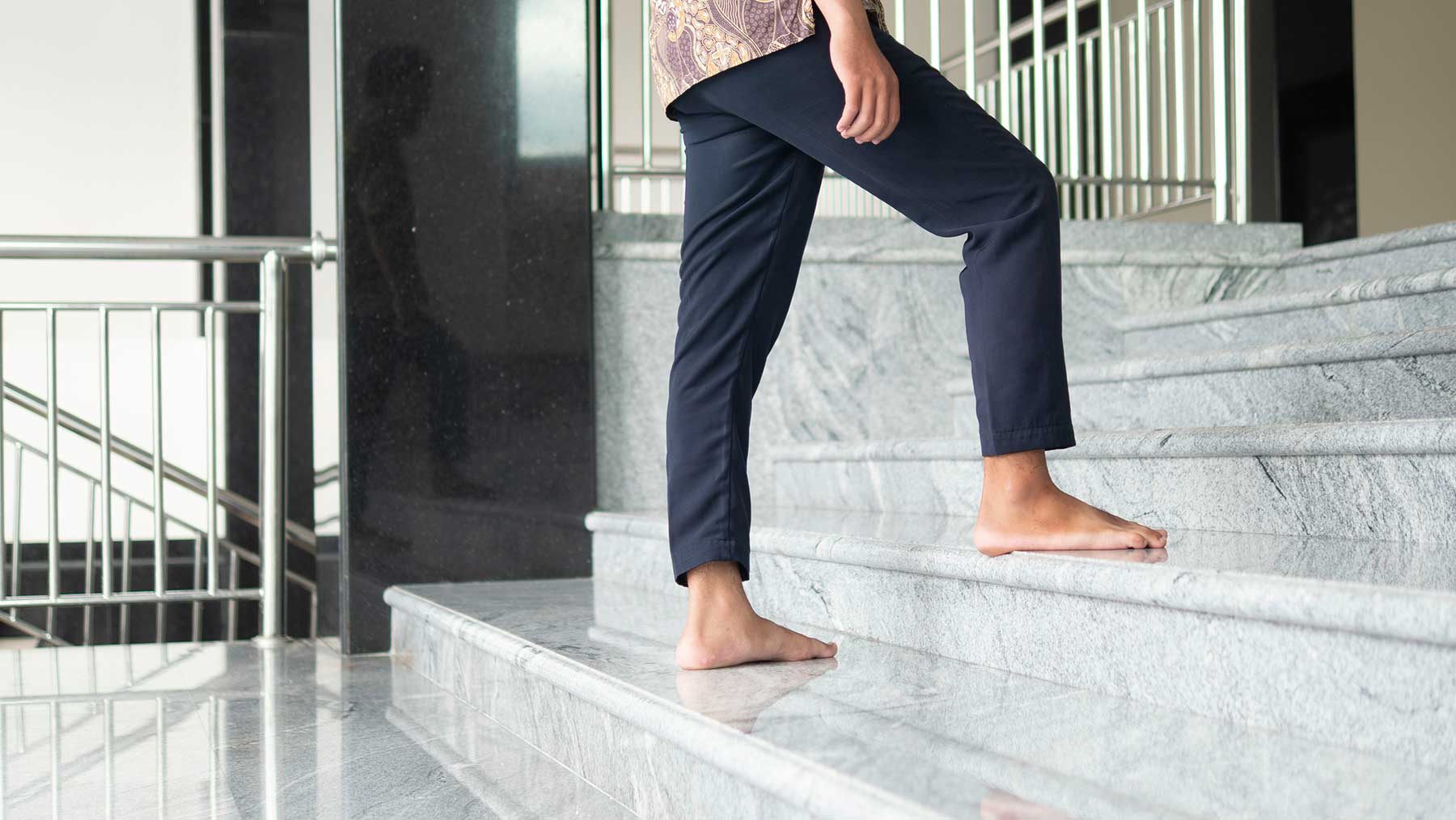
Begin indoors on smooth surfaces like hardwood or tile. Walk mindfully, feeling each part of your foot make contact. Gradually increase time and introduce safe outdoor surfaces—grass, sand, packed dirt. Avoid cracked sidewalks, gravel, and hot pavement. Let your feet adapt slowly, and listen to your body.
Final Verdict: Balance Is Key
Walking barefoot isn’t about rejecting shoes—it’s about restoring balance. Incorporate barefoot time into your day where safe: at home, on the beach, during workouts. Use protective footwear when hazards exist. By respecting both natural function and modern realities, you can build stronger, more resilient feet and move with greater ease for life.