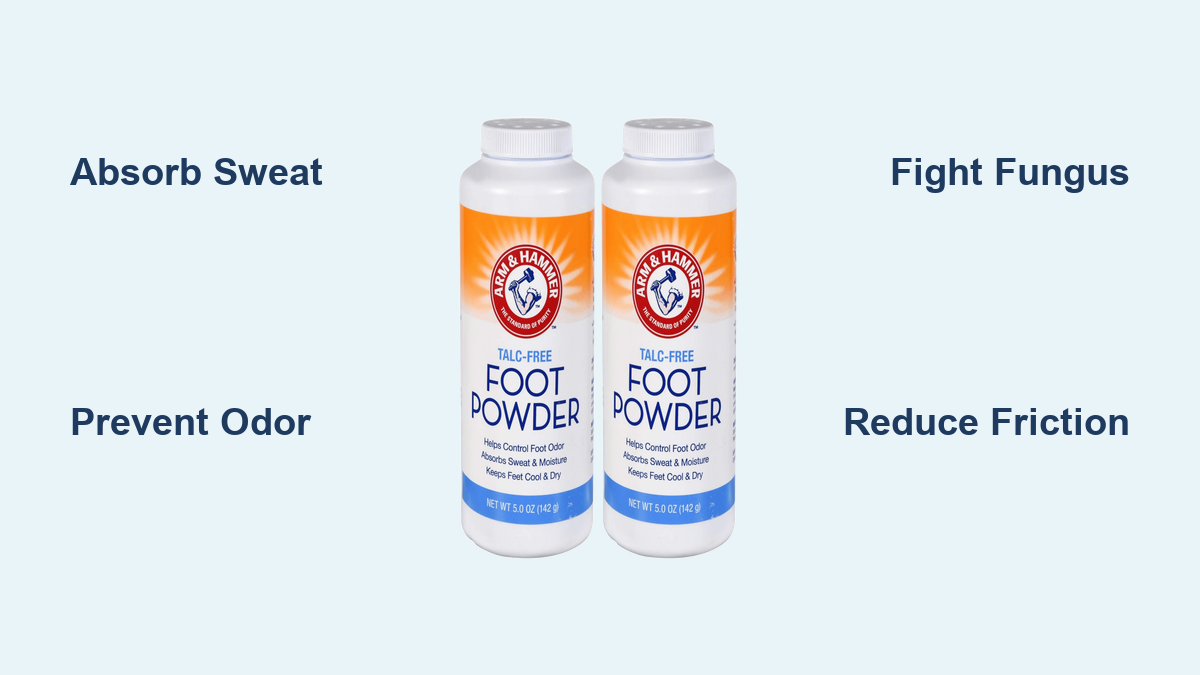
If your feet feel damp, smell less than fresh, or become irritated after hours in shoes, you’re not alone—your feet may simply need better hygiene. The average foot contains 250,000 sweat glands and can produce up to half a pint of sweat daily, creating the perfect breeding ground for odor, bacteria, and fungal infections. This is where foot powder steps in as a powerful yet often overlooked hygiene essential. More than just a quick fix for smelly shoes, foot powder actively absorbs moisture, neutralizes odors, prevents infections, and reduces friction—all critical for maintaining clean, dry, and healthy feet. Whether you’re an athlete, on your feet all day, or managing a condition like diabetes, incorporating foot powder into your routine can make a significant difference in both comfort and long-term foot health.
In this guide, you’ll discover how foot powder works, which ingredients deliver real results, and how to use it properly for maximum hygiene benefits. From sweat control to infection prevention, learn why this simple product deserves a permanent spot in your personal care regimen.
Absorb Sweat and Control Moisture
Excess foot moisture isn’t just uncomfortable—it’s a hygiene hazard. Trapped sweat softens the skin, increases slip inside shoes, and creates an environment where bacteria and fungi thrive. Foot powder combats this by rapidly absorbing sweat and maintaining a dry microclimate inside your footwear.
Why Feet Sweat So Much
Your feet have 600 sweat glands per square centimeter, far more than most other body parts. When enclosed in shoes, sweat has nowhere to evaporate, leading to damp socks, soggy insoles, and slippery skin. This constant moisture weakens the skin’s protective barrier, making it more prone to irritation, cracking, and infection. Foot powder helps by forming a dry barrier that slows sweat buildup, keeping your skin resilient and your shoes fresher.
How Powder Absorbs Moisture

Foot powders use highly absorbent ingredients like cornstarch, arrowroot, silica, or talc to draw moisture away from the skin. These fine particles spread evenly across the foot, wicking sweat before it pools—especially between toes and under the arch. Unlike sprays or wipes, powder remains active throughout the day, continuously managing dampness. For people with hyperhidrosis (excessive sweating), powders containing aluminum chloride can be applied at night to temporarily block sweat glands and reduce production.
Pro tip: Always apply powder to completely dry feet—never on damp skin. Moisture reduces absorption and can cause clumping.
Choose the Right Absorbent Ingredient

Not all powders are equal. Here’s how common ingredients compare:
- Arrowroot powder: Superior absorption, fine texture, less likely to clump—ideal for sensitive skin
- Cornstarch: Effective but may turn gummy when wet and potentially feed yeast growth
- Talc: Strong absorber but linked to health risks; many now avoid it
- Silica: Found in high-performance powders; excellent for athletes and long wear
For best results, choose talc-free, natural formulas with arrowroot or tapioca starch—gentler on skin and safer for daily use.
Prevent Foot Odor at the Source
Foot odor isn’t caused by sweat—it’s caused by bacteria breaking it down. Foot powder stops the stink before it starts.
How Bacteria Create Smell
Sweat itself is odorless. But when it mixes with bacteria like Brevibacterium and Corynebacterium in dark, moist shoes, it breaks down into volatile sulfur compounds and organic acids—the real culprits behind bromodosis (foot odor). Foot powder disrupts this cycle by removing moisture, starving bacteria, and balancing skin pH.
Key Odor-Fighting Ingredients
Effective odor control goes beyond masking smells. Look for powders with:
- Baking soda (sodium bicarbonate): Neutralizes acidic compounds and balances pH
- Activated charcoal: Traps odor molecules like a sponge
- Zinc oxide: Inhibits bacterial growth and soothes skin
- Essential oils (tea tree, eucalyptus, lemongrass): Naturally antibacterial and refreshing
Unlike perfumed sprays that only cover up odor temporarily, these ingredients attack the root cause, providing lasting freshness.
Why Powder Beats Sprays and Insoles
While sprays and scented insoles offer short-term relief, they often fail to address moisture—the foundation of odor. Foot powder provides dual protection: one layer on the foot, another inside the shoe. This ensures both skin and footwear stay dry and bacteria-free all day.
Expert note: Reapply midday if you’re active. A travel-sized powder fits easily in a gym bag.
Stop Fungal Infections Before They Start
Athlete’s foot isn’t just for athletes. Anyone with damp feet is at risk. Foot powder helps prevent fungal infections before they take hold.
How Fungi Thrive in Shoes
Tinea pedis (athlete’s foot) thrives in warm, moist environments—exactly what happens inside closed shoes. Symptoms include itching, cracking, peeling, and burning, especially between the toes. Without treatment, it can spread to nails and other body areas.
Antifungal Powders That Work

Medicated foot powders contain active ingredients proven to kill and prevent fungi:
- Miconazole nitrate (2%): Found in Lotrimin AF, effective against athlete’s foot and jock itch
- Clotrimazole: Broad-spectrum antifungal used in over-the-counter treatments
- Tea tree oil: Natural antifungal with mild but consistent results
Using antifungal powder daily—even without symptoms—creates a hostile environment for fungi, especially if you use gyms, locker rooms, or shared showers.
Warning: Don’t wait for symptoms. Prevention is easier than treatment.
Use Powder in High-Risk Settings
If you walk barefoot in public areas like pools, saunas, or dorm bathrooms, apply antifungal powder every day. It’s a simple step that drastically reduces your risk of picking up an infection.
Reduce Friction and Prevent Blisters
Wet skin rubs more—leading to blisters, chafing, and pain. Foot powder cuts friction and keeps skin intact.
How Moisture Increases Skin Damage
Sweaty feet become slippery inside socks, causing repeated rubbing against shoe material. This increases friction, leading to hot spots, blisters, and microtears—common issues for hikers, runners, and military personnel. Foot powder acts as a dry lubricant, reducing skin-to-fabric contact and minimizing tissue damage.
Best for Tight or Stiff Footwear
Athletic shoes like soccer cleats, basketball sneakers, and hiking boots often fit snugly, increasing pressure points. Applying powder before socks creates a protective buffer, helping feet move smoothly without irritation.
Pro tip: Apply powder before putting on socks—not after. This ensures even coverage and prevents clumping.
Avoid the “Power-Goo” Trap
While powder reduces friction, wet powder can clump and become abrasive. Talc and cornstarch may turn into a sticky paste when mixed with sweat. To avoid this:
- Use finer powders like arrowroot
- Reapply during long activities
- Wear moisture-wicking socks (merino wool, not cotton)
Soothe Skin and Support Healing
Not all foot powders just dry—they also heal. Many contain ingredients that calm irritation and speed recovery.
Ingredients That Calm Irritated Skin
If your feet are red, itchy, or chafed, look for powders with:
- Zinc oxide: Reduces inflammation and fights microbes (same ingredient in diaper rash cream)
- Menthol: Provides a cooling sensation that relieves tired, overheated feet
- Aloe vera or chamomile: Soothe dry, flaky skin
- Essential oils: Tea tree and eucalyptus offer antiseptic and refreshing effects
These components make foot powder ideal for people with eczema, sensitive skin, or minor abrasions.
Ideal for Children and Sensitive Skin
Talc-free, natural powders with arrowroot, organic herbs, and essential oils are safe for daily use in kids and those with allergies. They provide hygiene benefits without harsh chemicals or synthetic fragrances.
Expert note: Avoid powders with baking soda if you have cracked skin—pH changes may sting.
Protect Diabetic Feet From Complications

For people with diabetes, foot powder isn’t just about comfort—it’s a preventive health tool.
Why Diabetics Need Dry Feet
Diabetes can cause nerve damage (neuropathy) and poor blood flow, making feet less sensitive and slower to heal. Excess moisture leads to cracked skin, which can become infected and progress to foot ulcers—a leading cause of hospitalization. Keeping feet dry with a gentle, non-irritating powder reduces this risk.
Choose the Right Powder for Diabetic Care
Look for:
- Non-medicated, talc-free formulas
- Fragrance-free and hypoallergenic
- Products labeled for sensitive or diabetic skin
Avoid powders that clump or contain alcohol, which can dry skin too much. Apply lightly and evenly, focusing on between the toes—a common site for fungal growth.
Warning: Never use medicated powder without consulting a doctor if you have diabetes.
Apply Powder the Right Way
Using foot powder correctly ensures it works—and stays safe.
Step-by-Step Application Guide
-
Wash and dry feet completely
Use antibacterial soap and a clean towel. Damp skin reduces powder effectiveness. -
Sprinkle a light layer on feet
Cover soles, heels, tops, and especially between toes. Massage gently for full coverage. -
Dust inside shoes and insoles
This adds a second layer of protection. Let shoes air dry overnight. -
Wear clean, breathable socks
Choose wool or moisture-wicking synthetics, not cotton. -
Reapply during the day if needed
Great for athletes or long shifts. -
Maintain shoes nightly
Remove insoles, apply powder, and leave shoes open to dry.
Pro tip: Use cedar shoe trees—they naturally absorb moisture and repel bacteria.
Avoid Common Mistakes
- Applying too much powder: Can clump and create residue
- Using on wet skin: Reduces absorption and may cause irritation
- Ignoring shoe hygiene: Powder works best when shoes are clean and dry
- Using talc near genitals: Linked to health risks; safer alternatives exist
Know the Risks and Choose Safely
Foot powder is generally safe—but some ingredients carry risks. Make informed choices.
Talc: Why Many Avoid It
Talc has been classified as “probably carcinogenic to humans” (Group 2A) by the World Health Organization (2024) due to potential asbestos contamination and links to lung and ovarian cancer. Inhalation can cause talcosis, a chronic lung condition. As a result, many brands now offer talc-free alternatives.
Cornstarch vs. Arrowroot: Which Is Safer?
- Cornstarch: Effective but may feed yeast (Candida) in moist areas
- Arrowroot: Does not promote yeast growth, finer texture, less clumping
For long-term use, arrowroot is the safer, more effective choice.
Minimize Inhalation and Mess
Loose powders can become airborne. To reduce risk:
- Apply in well-ventilated areas
- Avoid puffing large clouds
- Use shaker bottles with fine holes
- Consider foot antiperspirant sprays for a mess-free option
Warning: Powder buildup can clog leather pores and damage shoes. Use sparingly on fine footwear.
Final Note: Foot powder is more than a quick fix—it’s a daily hygiene essential. By controlling moisture, preventing odor, blocking infections, and protecting skin, it supports healthier, more comfortable feet for everyone. With safer, natural options now widely available, there’s no reason to overlook this simple, powerful tool. Start today: dry feet mean healthier feet, fresher shoes, and greater confidence with every step.