If you’ve ever winced with every step in a pair of stilettos, you know the toll high heels can take on your feet. That sharp pain under the ball of your foot isn’t just discomfort—it’s a sign of biomechanical stress. A forefoot cushion for high heel wearers is a targeted solution designed to absorb shock, reduce pressure, and stop your foot from sliding forward in the shoe. These small inserts, placed just behind the toes, help redistribute weight away from the metatarsal heads—where up to 75% of your body weight lands in heels—making it possible to wear high heels longer and with less pain.
More than just comfort aids, forefoot cushions are functional foot health tools. They’re used by professionals who wear heels daily, brides dancing through wedding receptions, and anyone managing foot conditions like metatarsalgia or Morton’s neuroma. From slim foam pads to advanced weight-shifting insoles, the right cushion can transform an unbearable pair of heels into wearable, even enjoyable, footwear. In this guide, you’ll learn how these inserts work, which types deliver real relief, and how to choose the best one for your shoes and lifestyle.
How High Heels Damage the Forefoot

Weight Shift Increases Pressure on the Ball of the Foot
When you slip on heels, your body’s center of gravity tilts forward. The higher the heel, the more your weight shifts onto the front of your foot. In 3-inch heels, pressure on the forefoot increases by 50–75% compared to flat shoes. This concentrated force inflames the metatarsal heads, leading to pain, swelling, and long-term tissue damage.
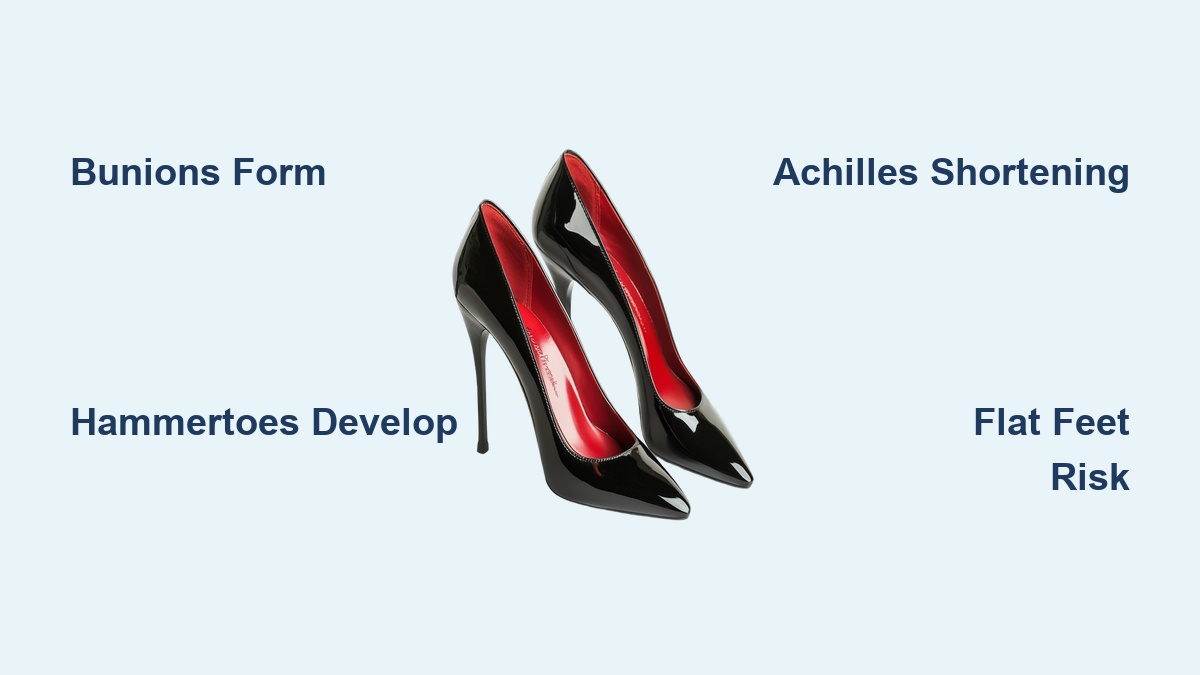
Over time, this repetitive stress can cause micro-tears in soft tissue, accelerate joint degeneration, and even alter foot structure—especially if worn daily without support.
Common Foot Problems Caused by Heels
- Metatarsalgia: Aching or burning pain under the ball of the foot, often worsened by walking or standing.
- Morton’s neuroma: Nerve thickening between the third and fourth toes, causing numbness, tingling, or a sensation like walking on a pebble.
- Calluses and corns: Thickened skin from friction and pressure, especially on the second or third metatarsal.
- Plantar fasciitis: While typically linked to heel pain, poor forefoot support can increase strain on the arch.
- Morton’s toe: When the second toe is longer than the big toe, placing extra pressure on the second metatarsal head.
Why Preventive Support Matters
Ignoring forefoot pain can lead to chronic conditions or irreversible damage. Forefoot cushions act as shock absorbers, reducing impact with each step and spreading pressure more evenly across the foot. They also stabilize your foot, preventing the forward slide that crams toes and causes blisters.
Core Functions of a Forefoot Cushion
Absorb Impact and Reduce Pain
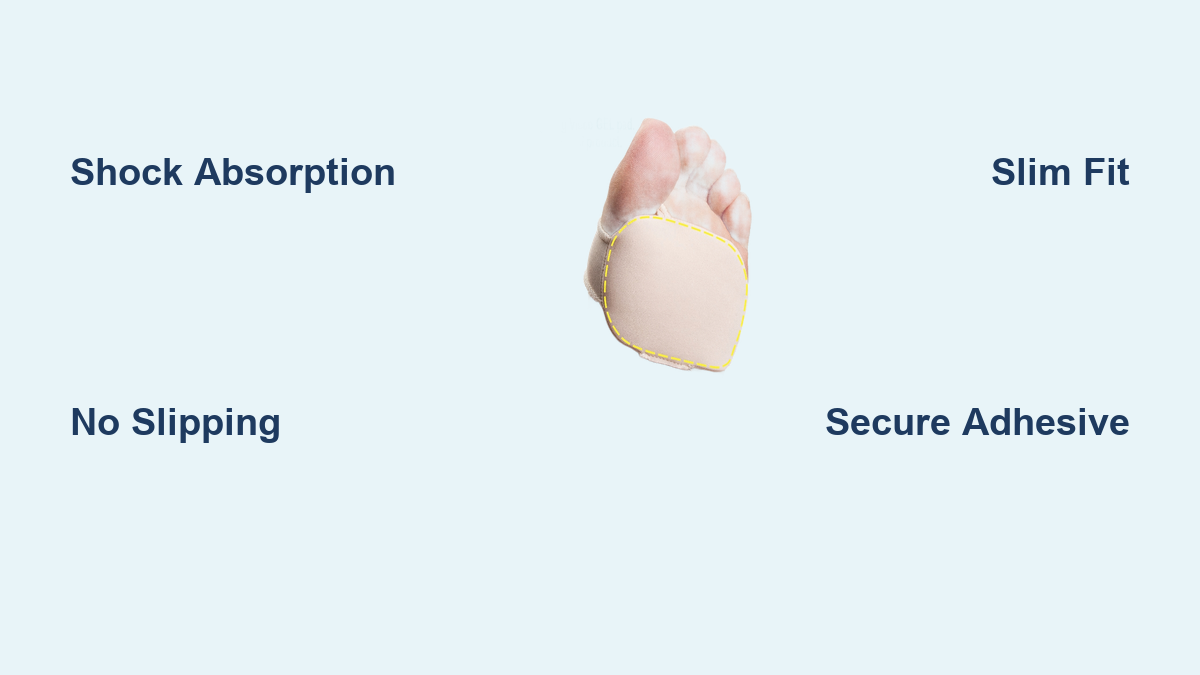
The primary job of a forefoot cushion is shock absorption. High-quality materials like PORON microcellular foam or fabric-covered gel compress under pressure and rebound quickly, softening each step. This is essential for preventing metatarsalgia and easing existing pain.
Foam options, like those in Killer Heels Comfort or Mars Wellness, maintain their shape over time, offering consistent support. Gel pads provide instant softness but may flatten faster with extended use.
Stop Your Foot from Sliding Forward
In heels, your foot naturally slides toward the toe box, especially when walking or descending stairs. This not only causes blisters but also increases pressure on the forefoot. Effective cushions prevent this with features like:
– Textured surfaces (dimples or dots) that grip the insole.
– Toe grips that extend slightly under the toes to block forward motion.
– Physical ridges or thumb-out designs (like MOLUCKFU) that anchor the foot.
These features keep your foot stable, reducing fatigue and improving balance.
Fit Inside Narrow Heels Without Crowding
Most high heels have limited interior space, so a cushion must be low-profile and anatomically shaped. Ideal thickness ranges from 1–4.5 mm:
– 1–2 mm: Best for pointed or open-toe heels.
– 3–4.5 mm: Offers more cushioning but may require sizing up.
Cushions with tapered edges (like Killer Heels) prevent pressure on the toes, while poorly designed pads can make shoes feel tight and uncomfortable.
Stay Securely in Place
A cushion that slips is worse than no cushion at all—it can bunch up, create pressure points, or fall out entirely. The best options use:
– Strong adhesive backing (tested for durability).
– Double-sided tape for extra security.
– Permanent shoe attachment (like Insolia insoles).
Smooth gel pads, such as Dr. Scholl’s, often fail here—adhesive weakens quickly, especially in dry conditions or after repeated use.
Best Types and Materials for Real Results

Foam Pads: Durable and Supportive
Foam is ideal for daily wear due to its resilience and consistent support.
PORON Microcellular Foam
- Found in Killer Heels Comfort, this medical-grade foam offers high rebound and long-term durability.
- Resists flattening better than gel and maintains shape for 6–12 months.
- Provides firm yet comfortable cushioning.
Firm Tan Foam (Mars Wellness)
- 1/4” thick, designed for metatarsal support.
- Recommended by podiatrists for Morton’s toe and metatarsalgia.
- May feel stiff at first but molds slightly with body heat.
Gel Pads: Soft but Less Durable
Gel offers immediate comfort but degrades faster.
Clear Silicone Gel (Dr. Scholl’s)
- Soft and pliable, but adhesive often fails within minutes.
- Slides easily, especially in dry shoes.
- Best for occasional use or short outings.
Fabric-Covered Gel (Beautulipe, Airpufs)
- Fabric surface improves grip and prevents slipping.
- More durable and reusable—can be washed and air-dried.
- A better long-term option than smooth gel.
Hybrid and Smart Insoles
These go beyond padding to correct foot mechanics.
Insolia Vivian Lou Insoles
- Designed by a podiatrist and aerospace engineer.
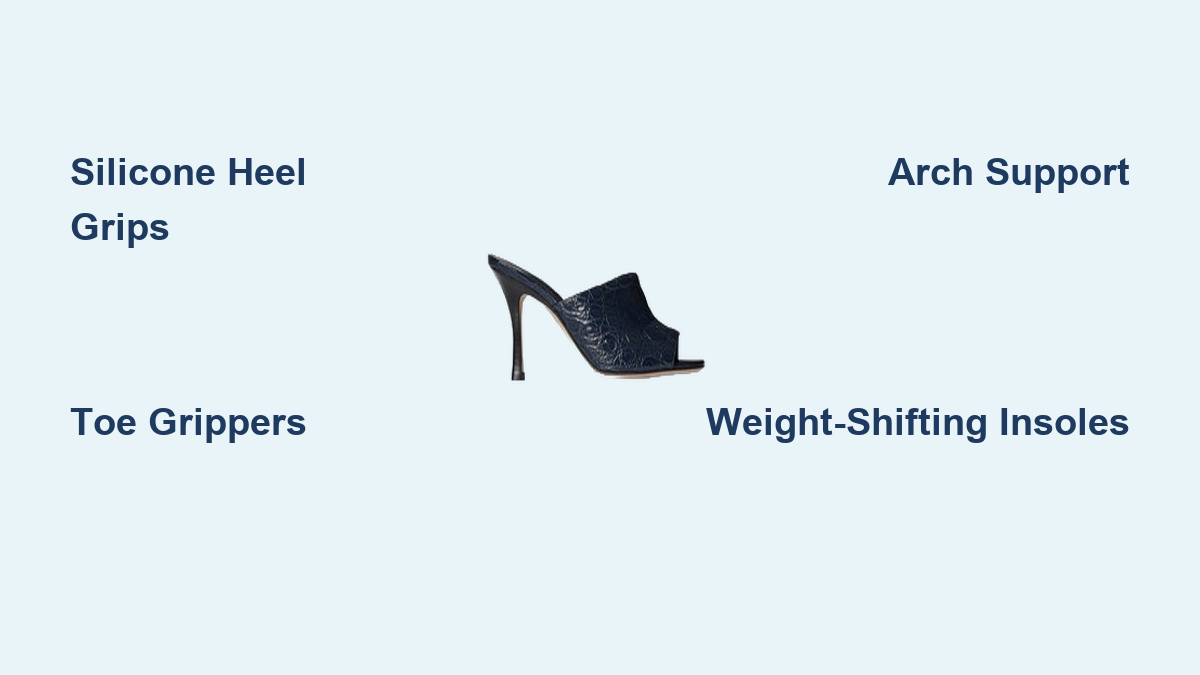
- Shifts weight from forefoot to heel by rotating the foot into a more natural alignment.
- Requires permanent installation but lasts the life of the shoe.
- Ideal for heels over 4 inches.
Alice Bow “Something Blue” Insoles
- Thin leather insoles with hidden cushioning.
- Invisible in open-toe or strappy wedding shoes.
- Includes a silver sixpence—a nod to the “something old, something new, something borrowed, something blue” tradition.
Who Needs a Forefoot Cushion?
Professional Women in Heels Daily
Need long-lasting, discreet, and odor-resistant options.
Best picks: Killer Heels, Airpufs, Insolia.
Brides and Special Occasion Wearers
Require thin, invisible, and elegant support for all-day wear.
Top choice: Alice Bow for weddings.
Dancers and Party-Goers
Need maximum shock absorption and slip resistance.
Recommended: Beautulipe (reusable), Foot Petals foam.
Women with Foot Conditions
Benefit from firm support and biomechanical correction.
Podiatrist favorites: Mars Wellness foam, Insolia insoles, Superfeet Easyfit.
How to Choose the Right Cushion

Match the Cushion to Your Shoe Type
- Stilettos: Use slim foam or fabric-covered gel.
- Open-toe sandals: Choose thin, invisible insoles like Alice Bow.
- Knee-high boots: Opt for 3/4-length insoles for better stability.
Prioritize Material and Adhesion
- Best materials: PORON foam > fabric-covered gel > smooth gel.
- Avoid weak adhesives—check reviews on ReviewMeta.com to spot fake 5-star ratings.
Consider Long-Term Value
A $40 Insolia insole may cost more upfront but lasts years—cheaper than replacing $10 gel pads every few months.
Try Before You Buy
Many brands offer sample packs. Test comfort and fit before committing to bulk purchases.
How to Apply and Maintain Forefoot Cushions
Step-by-Step Application
- Clean the insole with a dry cloth.
- Peel off the backing.
- Place the pad just behind the toes, under the ball of the foot.
- Press firmly for 10–15 seconds.
- Walk test to ensure it stays put.
When to Replace
- Foam pads: Every 6–12 months.
- Gel pads: Every 3–6 months or when flattened.
- Signs of wear: Loss of adhesion, thinning, or reduced cushioning.
Cleaning Reusable Pads
- Rinse with water (e.g., Beautulipe, MOLUCKFU).
- Air dry completely.
- Avoid soap or heat, which can damage materials.
Avoid These Common Mistakes
Choosing Based on Fake Reviews
Many top-rated Amazon products (e.g., Ballotte, Brison) have artificially inflated ratings. Use ReviewMeta.com to check for:
– Sudden spikes in 5-star reviews.
– Repetitive language.
– Unnatural review velocity.
Using Thick Pads in Narrow Shoes
A bulky pad can make heels too tight, causing toe cramping. Always match thickness to your shoe’s interior space.
Ignoring Adhesive Quality
A slipping pad causes more irritation than no pad. Prioritize strong, long-lasting adhesion.
Not Replacing Worn Pads
Flattened or loose cushions lose effectiveness. Replace them regularly for consistent support.
Medical Benefits and Podiatrist Tips
Conditions Improved by Forefoot Cushions
- Metatarsalgia: Cushions spread pressure across the forefoot.
- Morton’s neuroma: Reduces nerve compression.
- Plantar fasciitis: Offloads strain from the arch.
- Calluses: Minimizes friction and pressure points.
What Podiatrists Recommend
- Mars Wellness foam pads for firm metatarsal support.
- Insolia insoles for biomechanical correction.
- Superfeet Easyfit for arch and forefoot alignment.
Pro Tip: If you have chronic foot pain, see a podiatrist. Cushions help manage symptoms but may not fix underlying structural issues.
Final Note: A forefoot cushion for high heel wearers is more than a comfort hack—it’s a foot health investment. Whether you’re walking to work, dancing at a wedding, or managing a foot condition, the right cushion can transform your experience. Focus on material quality, adhesion strength, and proper fit to find the best solution. Your feet will thank you.