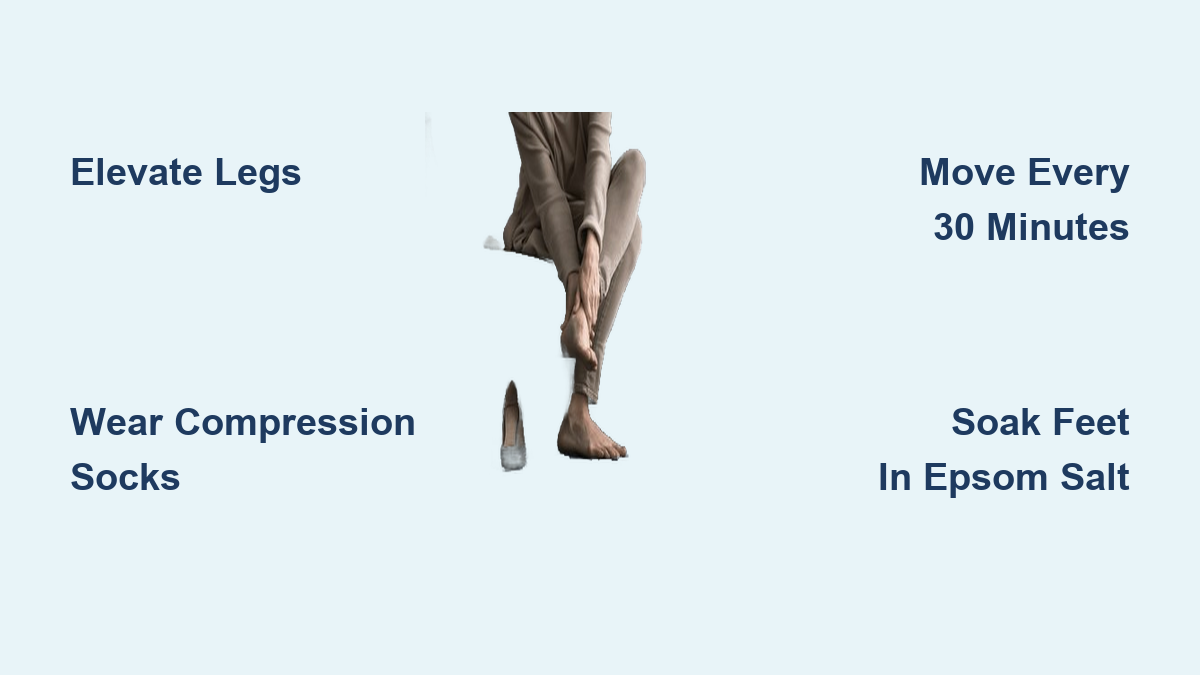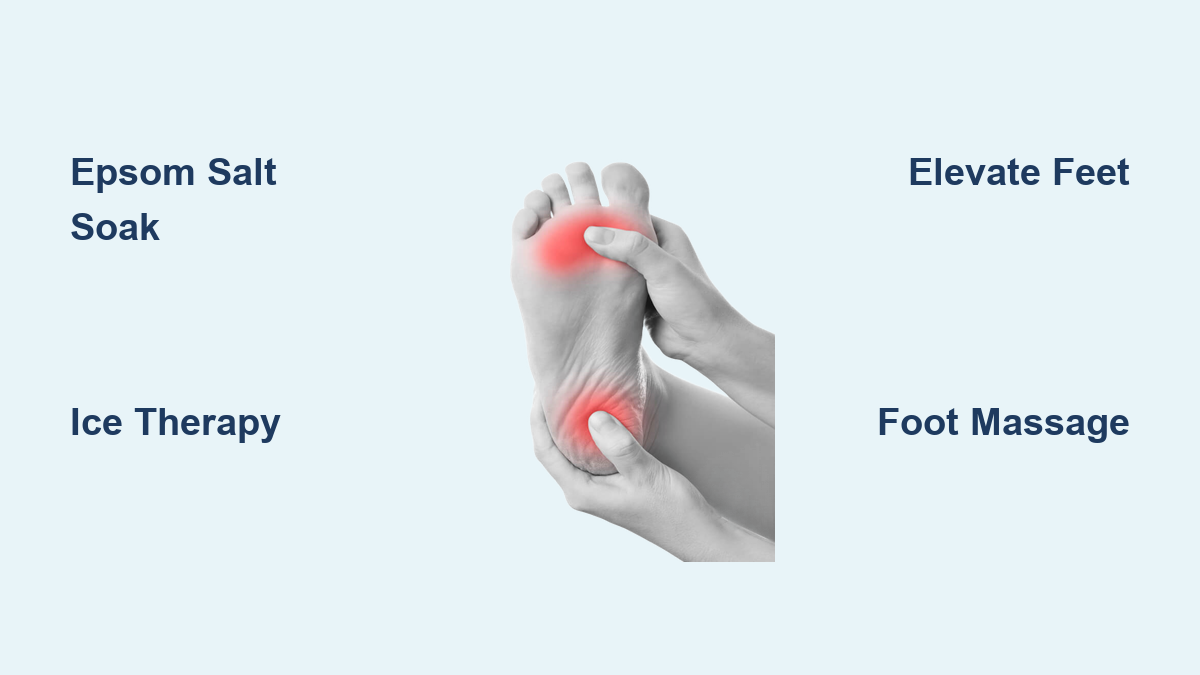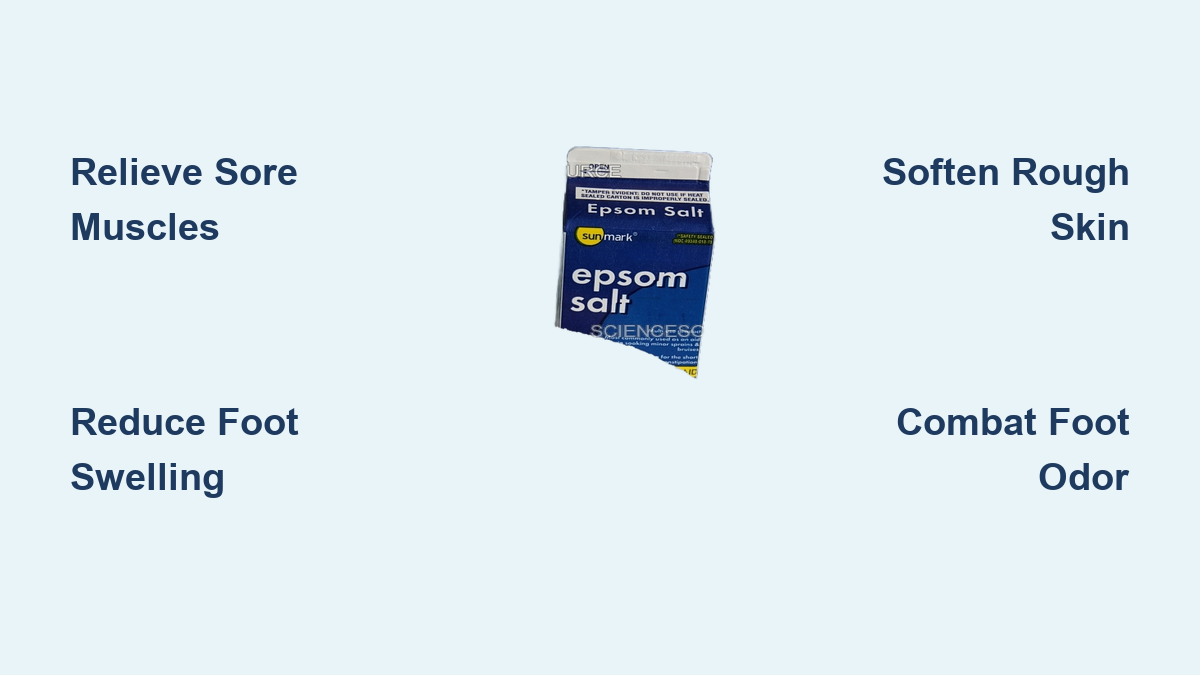
If your feet ache after standing all day, walking long distances, or pushing through a tough workout, an Epsom salt soak might be the simple, soothing solution you need. Millions rely on this affordable home remedy to ease soreness, reduce puffiness, and unwind both body and mind. The benefits of Epsom salt soaks for tired feet stem from its unique composition—magnesium sulfate—which dissolves in warm water to deliver therapeutic effects directly to overworked muscles and skin. While hard scientific proof is still developing, decades of use, emerging studies, and real-world feedback confirm its value as a low-risk, high-reward self-care practice. In this guide, you’ll learn how Epsom salt works, what benefits it offers, how to use it safely, and when to avoid it.
Muscle Relief After Long Days
Tired feet often mean tired muscles—especially in the arches, heels, and calves. Whether you’re on your feet all shift or recovering from a run, Epsom salt soaks can help reset your lower limbs.
Soothe Sore Muscles Naturally
Warm water alone helps relax tense tissues, but adding Epsom salt enhances the effect. Magnesium plays a crucial role in muscle contraction and nerve function, and soaking may allow some absorption through the skin. While full-body uptake isn’t definitively proven, localized relief is widely reported. Many people notice reduced stiffness and a deeper sense of relaxation after just one 20-minute soak.
Athletes, nurses, and others with physically demanding jobs frequently use Epsom salt soaks to manage daily fatigue. For conditions like plantar fasciitis or Achilles tendonitis, where inflammation contributes to pain, the combination of heat and magnesium may reduce discomfort and support healing.
Pro Tip: Soak at night to align with your body’s natural recovery window. Follow with gentle stretches to maintain flexibility.
Prevent Cramps and Stiffness
Magnesium deficiency is linked to muscle cramps, and while soaking won’t replace dietary intake, it may help maintain local magnesium levels in overused muscles. If you wake up with foot cramps or feel twinges during activity, regular weekly soaks could reduce their frequency.
Don’t wait for pain to strike—use Epsom salt preventively, especially after intense workouts or long days on hard surfaces.
Reduce Swelling and Inflammation

Puffy, swollen feet can result from overuse, poor circulation, or fluid retention during pregnancy. Epsom salt may help reduce edema and calm inflamed joints.
Fight Foot Swelling Effectively
A study found that pregnant women who used Epsom salt soaks experienced greater reduction in foot swelling than those who only did foot exercises. The warm water boosts blood flow, while magnesium supports cellular fluid balance and healthy tissue function.
For people with arthritis or chronic joint pain, the mild anti-inflammatory effect can make movement easier. Many report less morning stiffness and improved comfort after consistent use.
Improve Circulation to Speed Recovery
Poor circulation slows healing and increases fatigue. Warm water dilates blood vessels, sending oxygen-rich blood to tired feet. Magnesium may further support vasodilation, helping deliver nutrients to stressed tissues.
This dual action is ideal for:
– Office workers with cold, stiff feet
– Runners recovering from long distances
– Anyone noticing slow-healing skin or persistent aches
Visual Cue: Look for pinker, warmer skin after soaking—this often means circulation has improved.
Soften Skin and Remove Dead Cells

Beyond pain relief, Epsom salt acts as a gentle physical exfoliant, transforming rough, dry feet into smoother, softer skin.
Exfoliate Rough Heels and Calluses
The tiny crystals in Epsom salt help scrub away dead skin. During your soak, massage your feet with undissolved granules, focusing on heels and pressure points.
After 15–20 minutes, rinse and towel dry. You’ll notice:
– Smoother texture
– Reduced flakiness
– Softer calluses
Regular use prevents cracks and helps moisturizers absorb better.
Achieve a Spa-Like Pedicure at Home
Many users say their feet feel “like they just left a salon.” To enhance results:
– Use a pumice stone after soaking
– Apply thick cream or oil
– Wear cotton socks overnight
Warning: Don’t over-scrub—excessive rubbing can cause micro-tears. Be gentle, especially if you have thin or sensitive skin.
Control Odor and Bacteria
Foot odor happens when bacteria thrive in warm, moist environments. Epsom salt helps disrupt this cycle by cleaning the skin and reducing microbial growth.
Eliminate Smelly Feet Naturally
Salt creates a less hospitable environment for odor-causing bacteria. Soaking removes sweat residue and dead skin—two major food sources for microbes.
For stronger results, add a few drops of tea tree or eucalyptus essential oil, both known for antimicrobial properties. Always dilute essential oils (2–3 drops per soak) to avoid irritation.
Keep Toes Clean and Dry
Fungal infections like athlete’s foot start between damp toes. While Epsom salt doesn’t kill fungus, it draws out moisture, making the area less inviting for growth.
After soaking:
– Dry thoroughly between toes
– Wear breathable socks
– Avoid walking barefoot in shared spaces
Note: This is not a substitute for antifungal meds—but it can support treatment.
Support Fungal Infection Recovery
If you’re battling athlete’s foot, Epsom salt can play a supporting role in healing.
Create a Dry Environment for Fungus
Fungi love moisture. Epsom salt helps dry out damp skin, slowing fungal spread. Combined with prescribed creams or sprays, soaking can speed recovery.
However, Epsom salt alone won’t cure a fungal infection. Use it as a complement—not a replacement—for medical treatment.
Avoid Irritation During Active Infections
Open, blistered, or raw skin can sting during a soak. If you feel burning:
– Stop immediately
– Rinse with clean water
– Consult a doctor
Wait until the worst of the infection clears before resuming soaks.
Flush Lactic Acid and Reduce Fatigue
After intense activity, muscles build up lactic acid—a common cause of soreness. Epsom salt may help flush it out.
Speed Up Post-Workout Recovery
Improved circulation from warm water helps carry away metabolic waste. Magnesium may also aid enzyme systems involved in clearing lactic acid.
Athletes using Epsom salt report:
– Less next-day stiffness
– Faster return to training
– Reduced muscle tightness
Expert Insight: Some trainers recommend room-temperature water (68°F–72°F) post-exercise to avoid excess swelling from heat-induced vasodilation.
Enhance Natural Detox Pathways
While claims about “drawing out toxins” are overstated, magnesium supports liver enzymes involved in detoxification. The perceived “cleansing” effect likely comes from improved circulation and lymphatic drainage—not pulling out heavy metals.
Still, many feel refreshed after a soak—proof that even subtle physiological shifts can boost well-being.
Calm Mind and Body Together
Relief isn’t just physical. An Epsom salt foot soak can reduce stress and improve sleep.
Lower Stress with Soothing Ritual
The act of soaking—quiet, warm, and intentional—triggers the parasympathetic nervous system, which calms the body. Magnesium also plays a role in regulating neurotransmitters linked to relaxation.
Many notice:
– Reduced anxiety
– Improved mood
– Easier time falling asleep
Boost Sleep Quality Naturally
For insomniacs or stressed individuals, a nightly foot soak can become a powerful sleep cue. Add lavender essential oil (2–3 drops) to enhance the calming effect.
Pro Tip: Pair with dim lighting and no screens for maximum relaxation.
How to Soak Feet the Right Way
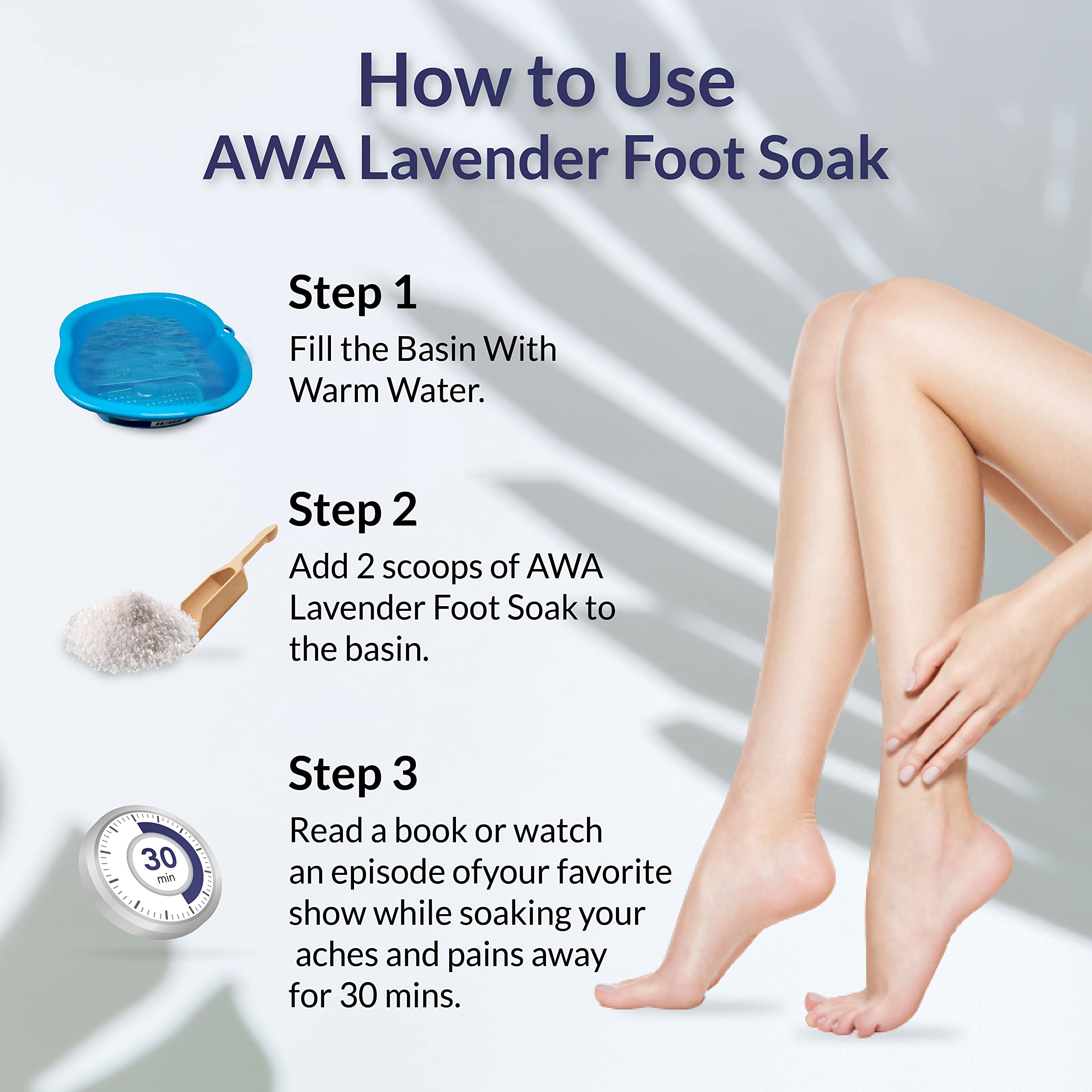
Doing it correctly ensures benefits without side effects.
Prepare the Perfect Soak
- Fill a basin with warm water (92°F–100°F)—enough to cover ankles.
– Athletes: Use cooler water (68°F–72°F) to avoid swelling. - Add ½ cup Epsom salt per gallon of water.
– For full-body or deep recovery: up to 2 cups. - Stir until fully dissolved.
- Soak feet for 15–30 minutes.
- Rinse (optional), dry well, and apply moisturizer.
Add-Ins: Try 2–3 drops of peppermint (cooling), lavender (calming), or tea tree (antimicrobial) oil.
Choose the Right Epsom Salt
Always use USP-grade Epsom salt labeled for human use. Avoid industrial or agricultural versions—they may contain impurities.
Look for 100% magnesium sulfate. Fragranced or colored products are fine if you’re not sensitive, but purer is better for therapeutic use.
How Often Should You Soak?
Balance is key. Too little, and you miss benefits. Too much, and you risk dry skin.
Stick to 1–2 Soaks Weekly
This frequency gives consistent relief without over-drying. If your skin feels tight or cracked:
– Reduce to once a week
– Always moisturize after
– Skip if feet are already peeling or irritated
Daily soaking is not recommended unless advised by a doctor.
Who Should Avoid Epsom Salt Soaks?
While safe for most, some should avoid or consult a doctor first.
Don’t Soak If You Have Diabetes
People with diabetes face higher risks:
– Reduced foot sensation (neuropathy)
– Slower healing
– Greater infection risk
Even small cuts can go unnoticed and worsen. Instead of soaking, wash feet daily with mild soap and inspect them closely.
Rule of thumb: If you have diabetes, never soak without medical approval.
Skip Soaks with Open Wounds
Epsom salt can sting or irritate broken skin. It’s not sterile and may delay healing. Wait until cuts or sores are fully closed.
Consult a Doctor If You Have:
- Kidney disease (magnesium buildup risk)
- Heart conditions
- Severe swelling in one foot (could indicate DVT)
- Pregnancy (though some studies show benefit, check first)
When to See a Doctor
Epsom salt helps with mild discomfort—but not serious conditions.
Seek Help If You Notice:
- Persistent pain lasting more than a few days
- Redness, warmth, or pus (signs of infection)
- Numbness or tingling
- One foot much more swollen than the other
- Open ulcers or deep cracks
Soaking should never replace professional care for injuries, fractures, or chronic conditions like gout or severe arthritis.
Final Takeaways: Maximize Your Foot Health
Epsom salt soaks offer a simple, affordable way to care for tired feet—both physically and mentally. While not a miracle cure, their combination of warmth, magnesium, and exfoliation delivers real, noticeable benefits for most users.
Key Benefits Recap:
- Relieves muscle soreness and cramps
- Reduces swelling and inflammation
- Softens rough skin and calluses
- Controls odor and bacteria
- Supports fungal treatment
- Aids lactic acid clearance
- Promotes relaxation and better sleep
Best Practices Summary:
- Use ½ cup USP-grade Epsom salt in warm water
- Soak 15–30 minutes, 1–2 times weekly
- Always dry and moisturize after
- Avoid if you have diabetes, open wounds, or kidney issues
Used wisely, Epsom salt foot soaks are a safe, effective addition to your self-care routine. Whether you’re on your feet all day or just need a moment to unwind, this humble remedy can bring real relief—one soak at a time.