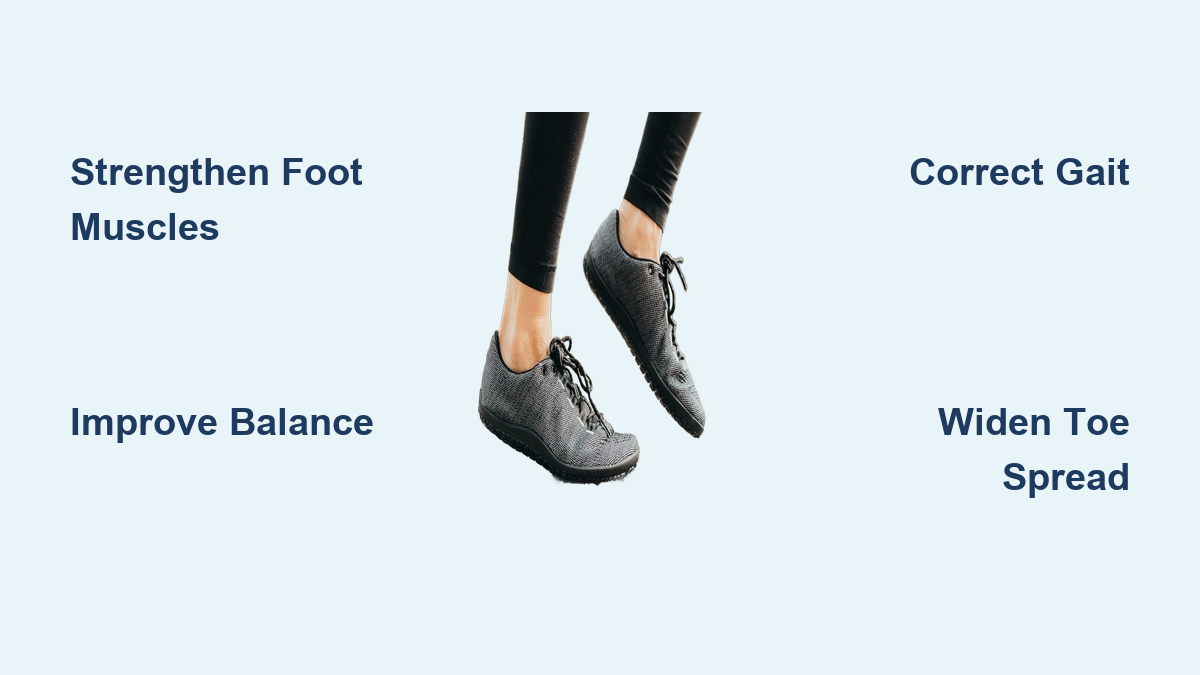
You’ve likely seen them: sleek, glove-like shoes with wide toes and ultra-thin soles, worn by runners, gym-goers, and even office workers. These aren’t just a fashion statement—they’re barefoot shoes, a growing movement rooted in biomechanics, rehabilitation science, and evolutionary design. The reason they’re surging in popularity? They actually make your feet stronger—naturally, without extra workouts.
Research shows that simply switching to minimalist footwear for most daily wear can boost foot muscle strength by up to 57% in six months. That’s because barefoot shoes eliminate the crutches of modern footwear: elevated heels, narrow toe boxes, and thick soles. Instead, they force your feet to do what they evolved to do—sense the ground, stabilize your body, and adapt to terrain.
This shift isn’t just about comfort. It’s a functional upgrade. As awareness grows about how conventional shoes weaken feet over time, more people are turning to barefoot footwear to reverse muscle atrophy, sharpen balance, improve posture, and prevent injury. In this article, you’ll discover exactly why barefoot shoes are becoming a go-to choice for foot strength—backed by clinical studies, real-world results, and biomechanical insights. You’ll also learn how to transition safely, who benefits most, and what to expect on the journey to stronger, more resilient feet.
Reverse Foot Muscle Atrophy Caused by Conventional Shoes
Modern footwear doesn’t just cover your feet—it changes how they work. Over decades of wearing cushioned, supportive shoes, many people unknowingly weaken their feet.
How Cushioned Shoes Weaken Intrinsic Foot Muscles
Traditional shoes often feature:
– Elevated heels that shorten the Achilles and calf
– Narrow toe boxes that compress toes together
– Thick midsoles that block sensory feedback
– Artificial arch supports that reduce natural muscle activation
These design elements create a dependency cycle: the more support you wear, the less your foot muscles work. Over time, this leads to atrophy of the intrinsic foot muscles (IFMs)—tiny but powerful muscles that stabilize your arch, control toe movement, and absorb impact.
A 2021 University of Liverpool study found that people who wore minimalist shoes 70% of the time for six months gained 57.4% more foot strength, especially in the forefoot. No special exercises were required—just daily walking in shoes that let their feet function naturally.
This proves that passive strengthening is possible simply by changing footwear.
Build Measurable Foot Muscle Strength

Just like lifting weights builds arm muscles, using your feet fully builds foot muscles. Barefoot shoes create the ideal conditions for muscle hypertrophy—actual growth in muscle size and strength.
Proven Gains in Key Stabilizing Muscles
Scientific studies using ultrasound and MRI have tracked real increases in foot muscle thickness after switching to minimalist footwear:
| Muscle | Strength Gain | Timeframe |
|---|---|---|
| Flexor digitorum brevis (FDB) | +17.9% | 12 weeks |
| Quadratus plantae (QP) | +27.3% | 12 weeks |
| Abductor hallucis (ABH) | +22.3% | 8 weeks |
| Total intrinsic foot muscles | +13.2% | 12 weeks |
These muscles are critical for arch support, toe grip, and push-off power. When they grow stronger, your feet become more stable and efficient.
Stronger Legs, Not Just Feet
The benefits don’t stop at the ankle. Extramuscular muscles like the gastrocnemius and soleus (calf muscles) also show increased activation and volume after six months in barefoot shoes.
This means minimalist footwear doesn’t just strengthen feet—it resets your entire lower limb mechanics, improving how force travels from the ground up through your body.
Sharpen Balance With Natural Ground Feedback
Your feet contain over 200,000 nerve endings, making them one of your body’s richest sensory organs. But thick shoe soles dull this feedback, impairing balance and coordination.
Thin Soles Improve Proprioception
Barefoot shoes use 3–10mm flexible soles to preserve ground feel, which enhances:
– Proprioception (awareness of foot position)
– Postural stability
– Reaction time on uneven terrain
A Gait & Posture (2015) study found that barefoot walking improves joint position sense, helping prevent falls—especially in older adults.
Better Neuromuscular Control Reduces Injury Risk
EMG studies show that minimal footwear leads to:
– Reduced tibialis anterior activity—less strain on the shin, lowering risk of shin splints
– Pre-activation of the calf before foot strike—better shock absorption and joint protection
This means your body prepares for impact more efficiently, reducing stress on knees, hips, and spine.
Fix Your Gait to Reduce Joint Stress

Most people heel-strike when running in traditional shoes—but that’s not how humans evolved to move. Barefoot shoes encourage a midfoot or forefoot strike, which changes how impact forces travel through your body.
Lower Impact, Healthier Joints
Heel striking in cushioned shoes creates a sharp impact spike that travels up the leg. In contrast, barefoot-style movement:
– Reduces vertical loading rates by up to 50%
– Uses the foot’s arch and Achilles tendon as natural springs
– Lowers risk of:
– Shin splints
– Runner’s knee
– Plantar fasciitis (with proper transition)
Lieberman et al. (2010) showed that habitually barefoot runners land more softly, thanks to compliant, spring-like mechanics.
Let Your Toes Spread for Natural Arch Support
One of the most powerful benefits of barefoot shoes? They let your toes splay.
Why Toe Splay Improves Foot Function
When toes can spread:
– Your base of support widens, improving balance
– The windlass mechanism engages—tightening the plantar fascia to support the arch during push-off
– You generate more propulsion power with each step
But narrow shoes crush toes together, leading to:
– Bunions
– Hammer toes
– Morton’s neuroma
– Weak push-off mechanics
Barefoot Populations Have Healthier Feet
Studies show that people who grow up barefoot have wider forefeet and better toe alignment than those who wear shoes. This proves that foot shape adapts to environment—good news for adults looking to reverse decades of constriction.
Improve Posture With Zero Drop Design

Most shoes have a 10–12mm heel lift, which tilts your body forward and forces compensations up the kinetic chain.
Problems With Heel Elevation
Elevated heels cause:
– Shortened Achilles and calf muscles
– Anterior pelvic tilt
– Increased lower back curvature
– Reduced glute activation
Over time, this leads to knee pain, hip tightness, and chronic back issues.
How Zero Drop Promotes Alignment
Barefoot shoes are level from heel to toe (zero drop), promoting:
– Neutral spinal alignment
– Upright posture
– Better hip and knee tracking
Research shows zero-drop footwear increases gluteus maximus and medius activation during walking—key for pelvic stability and injury prevention.
Enhance Athletic Performance Naturally
Elite athletes don’t just care about comfort—they care about function. Many are turning to barefoot shoes to gain a performance edge.
Stronger Feet, Faster Movements
A 3-week training study found that athletes in minimal footwear gained up to 20% more toe flexor strength, directly improving:
– Sprint acceleration
– Jump height
– Cutting agility
Gymnasts—who train barefoot—show 24% larger foot muscles and 37% faster stabilization after landing than non-athletes.
This proves that functional foot strength translates to real-world performance.
Prevent Injuries—With the Right Approach
Barefoot shoes can reduce injury risk, but only with a smart transition.
Long-Term Protection
When adapted properly, minimalist footwear is linked to:
– Lower rates of plantar fasciitis
– Reduced Achilles tendinopathy
– Less knee pain
But going too fast can backfire.
Risks of Switching Too Quickly
Abruptly switching from cushioned shoes has been linked to:
– Metatarsal stress fractures
– Acute calf or Achilles strain
– Worsened plantar fasciitis
This happened widely in the early 2000s when people jumped into barefoot running without preparation.
Key rule: Gradual adaptation prevents injury and ensures long-term success.
Who Should Try Barefoot Shoes?
Not everyone benefits equally.
Ideal Candidates
You’ll likely benefit if you:
– Have mild flat feet and want to strengthen arches
– Are an athlete or fitness enthusiast
– Suffer from bunions or foot pain linked to poor footwear
– Want to improve posture and movement efficiency
– Are healthy with no neuropathy or severe deformities
Use Caution If You:
- Have severe rigid flat feet or high arches
- Are in acute pain from plantar fasciitis
- Are diabetic or have peripheral neuropathy
- Depend on heavy arch support
- Are recovering from foot surgery
Pro tip: Get a biomechanical assessment from a podiatrist or PT before starting.
Transition Safely in 6 Steps
Switching to barefoot shoes isn’t about willpower—it’s about smart progression.
- Start slowly: 30–60 minutes/day on soft surfaces
- Add foot exercises: short foot, towel scrunches, toe spreads, calf raises
- Choose the right shoe: zero drop, wide toe box, thin sole
- Mix footwear types: alternate with regular shoes
- Progress to running gradually: start with 10% of usual distance
- Listen to your body: soreness is normal; pain means stop
Full adaptation takes 4–12 weeks, though some take 3–12 months.
Real Results: From Pain to Performance
One user reported after six years:
– All foot, knee, and back pain disappeared
– Could walk comfortably on gravel, sand, and trails
– Feet became stronger, with natural toe alignment
– Balance improved dramatically
Former pro baseball player Will Caetano rebuilt his strength after ankle injuries and chronic plantar fasciitis—eventually founding Aion Shoes to bring functional, stylish minimalist footwear to others.
Limitations: What the Research Doesn’t Say
Some studies show:
– Muscle growth without proportional strength gains
– No significant arch height improvement despite muscle growth
– Small sample sizes and short follow-ups
But a 2025 systematic review of 7 studies still concluded: the net benefit is positive.
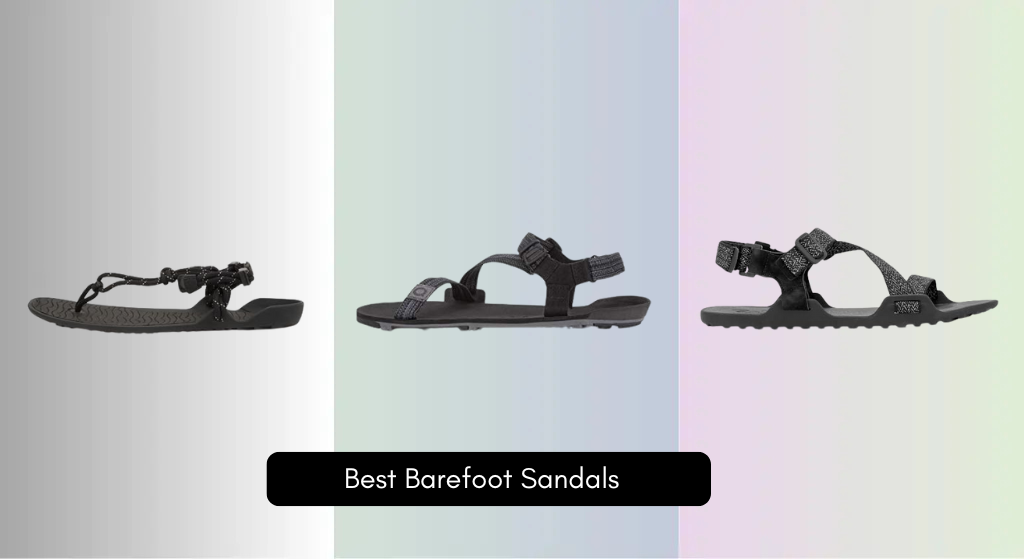
Top Barefoot Shoe Brands Compared

| Brand | Best For | Key Features |
|---|---|---|
| Vivobarefoot | Casual wear | 3mm sole, eco materials, wide toe box |
| Merrell Barefoot | Hiking | Durable outsole, breathable mesh |
| INOV8 F-Lite 245 | Gym training | 3mm drop, flexible, lightweight |
| Altra Running | Long-distance running | Zero drop, FootShape toe box |
| Joe Nimble | Rehab/daily wear | Medical-grade, ultra-flexible |
| Aion Shoes (Cloud) | Office/lifestyle | Stylish slip-on, wide fit |
Some offer transitional models with slight cushioning (3–5mm) to ease the shift.
Final Note: Stronger Feet Start With Freedom
Barefoot shoes are rising because they work. They’re not a trend—they’re a return to natural movement and foot empowerment.
By removing artificial supports, you can:
– Gain 57% more foot strength in six months
– Improve balance, posture, and gait
– Reduce risk of bunions, plantar fasciitis, and joint pain
– Boost athletic performance and injury resilience
But success depends on patience, proper footwear, and complementary exercises. Done right, barefoot shoes aren’t just footwear—they’re foot training tools that help you move stronger, safer, and more naturally for life.
The bottom line: Let your feet move, and they’ll grow strong again.