You likely have a go-to pair of shoes—the ones that feel just right, the ones you grab without thinking every morning. But that daily habit might be doing more harm than good. Wearing the same shoes every day may seem harmless, even practical, but it silently undermines your foot health, accelerates shoe wear, and increases your risk of pain and injury. From trapped sweat to muscle imbalances, the consequences accumulate with every step. The fix? A simple shift in routine: rotating your shoes. In this guide, you’ll learn exactly why wearing the same pair daily is harmful, how it affects both your feet and footwear, and what practical steps you can take to protect your long-term foot health.
Moisture Builds Up in Worn Shoes
Sweat Traps Bacteria and Fungi
Your feet contain over 250,000 sweat glands—more per square inch than any other part of the body. Even if your feet don’t feel wet, they’re constantly releasing moisture, which soaks into your shoes with every wear. When you wear the same pair daily, there’s no time for that moisture to evaporate. Without at least 24 hours of rest, your shoes stay damp inside, creating a dark, humid environment perfect for bacteria and fungi to thrive.
This trapped sweat is the primary cause of persistent foot odor. Worse, it sets the stage for fungal infections like athlete’s foot, which flourish in warm, moist conditions. Symptoms include itching, peeling, and cracked skin—issues that can escalate into open sores, especially in people with diabetes or poor circulation.
Damp Shoes Damage Skin and Materials
Chronic moisture doesn’t just affect your feet—it ruins your shoes, too. Leather uppers warp and crack when worn before drying fully. Insoles absorb sweat, leading to mold, mildew, and degradation of cushioning. Over time, the shoe loses its shape and support.
Prolonged foot dampness can also lead to skin maceration, where the skin softens, breaks down, and becomes more vulnerable to infection. In extreme cases, this mimics trench foot, a condition once common among soldiers wearing wet boots for days. While rare today, the mechanism is the same: moisture impairs circulation and weakens tissue. Rotating shoes stops this cycle by giving each pair time to dry completely.
Shoe Materials Break Down Without Rest

Cushioning Foam Loses Its Bounce
Most supportive shoes rely on open-cell foam—like EVA or polyurethane—in the midsole to absorb impact. With every step, this foam compresses under up to 60–90 kilograms of force. It needs time to rebound.
When worn daily without rest, the foam never fully recovers. It stays compressed, losing shock absorption and responsiveness. Dr. James Christina, former CEO of the American Podiatric Medical Association, explains:
“Cushioning flattens out when you walk or run, and it takes time to return to its original state. Wearing the same shoes every day prevents this recovery.”
Within weeks, you’re walking on a flattened sole that offers little protection, increasing stress on your joints and muscles.
Outsoles Wear Down Faster with Daily Use
The average person takes 7,400 steps per day, most in the same shoes if not rotated. This constant friction wears down the outsole, especially at the heel and ball of the foot. Over time, this creates uneven tread patterns, reducing grip and stability.
Most athletic shoes last 500–800 kilometers before performance declines. Daily wear shortens this dramatically. But rotating between two pairs can double their usable life, extending performance from under a year to two or more.
Footbeds Fail to Rebound Without Drying
The insole or footbed supports your arch, heel, and forefoot. Like the midsole, it compresses under body weight and needs 24 hours to regain shape. Without rest, it collapses permanently in high-pressure zones, leading to uneven support and increased foot fatigue.
As support fades, your foot sinks into the shoe, altering alignment and increasing strain on ligaments and tendons. This subtle change can trigger conditions like plantar fasciitis or metatarsalgia—both linked to poor load distribution.
Repetitive Wear Causes Biomechanical Imbalance
Same Shoes, Same Stress Patterns
Wearing identical shoes every day forces your feet, ankles, and legs to move in the exact same way thousands of times daily. This repetition overworks certain muscles while underusing others, creating imbalances.
Dan Husom, a Board Certified Pedorthist, warns:
“Wearing the same shoes day after day engages the same muscles and tendons hour after hour. Rotating styles gives different muscles a chance to work and others time to rest.”
Over time, this leads to muscle fatigue, stiffness, and inefficient gait. Your body adapts to the shoe’s internal shape, not natural movement—reducing foot strength and adaptability.
Gait Changes Affect Your Whole Body
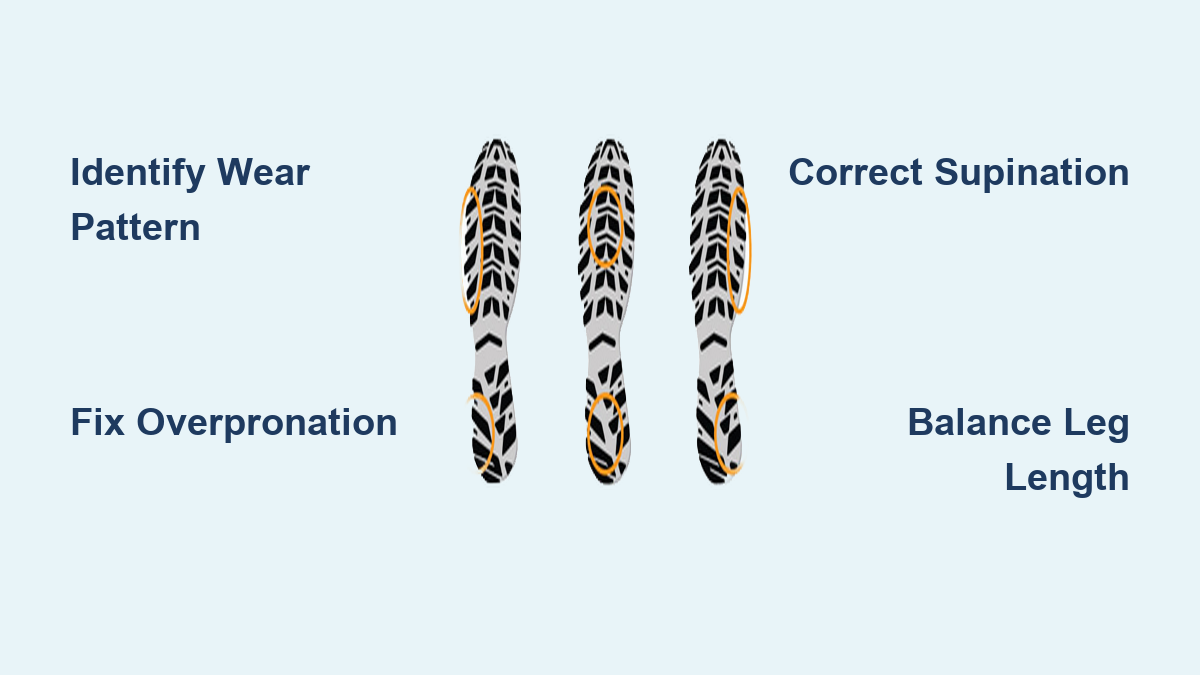
Footwear directly influences how force travels up your body. Consistent use of one shoe type alters foot positioning, changing how weight is distributed across the arch, ankle, and knee. Podiatrists often diagnose overpronation or supination by examining sole wear patterns.
These gait deviations can lead to:
– Knee pain
– Hip misalignment
– Lower back strain
Rotating shoes introduces slight variations in heel height, arch support, and sole flexibility, helping maintain joint mobility and balanced muscle engagement. It’s like cross-training for your feet—variety keeps the system resilient.
High Heels Risk Tendon Shortening
Wearing elevated shoes—especially heels over 2.5 inches—daily causes the Achilles tendon and calf muscles to shorten over time. When you switch to flat shoes, this tightness increases strain, raising the risk of tendonitis or calf tears.
Dr. Christina advises limiting high-heel use to special occasions and alternating with lower, supportive footwear. Even flats aren’t safe if worn exclusively—they often lack arch support, destabilizing the kinetic chain and increasing fatigue.
Rotating Shoes Extends Lifespan and Improves Health

Two Pairs Can Last Twice as Long
Rotating between at least two pairs of daily shoes allows each to dry and recover fully. Instead of wearing one pair 365 times a year, you wear each about 180 times—effectively doubling their lifespan.
For expensive footwear like Red Wing or Timberland work boots, this practice can extend use from one year to three or more. Cedar shoe trees, newspaper stuffing, and boot dryers speed up drying and preserve structure—especially critical for leather.
Rose Marcario, former CEO of Patagonia, emphasizes the environmental impact:
“The best thing we can do for the planet is keep our stuff in use longer. Extending shoe life reduces CO2 emissions, waste, and water use from manufacturing.”
Feet Get Stronger With Variety
Your feet are designed to adapt to different surfaces and movements. Wearing the same shoes daily reduces this natural adaptability, making feet dependent on artificial support.
Rotating styles—cushioned, structured, flexible—engages different muscles and improves proprioception (your sense of foot position). This leads to better balance, coordination, and injury resilience.
As one expert notes:
“Healthy feet improve with thoughtful variety, not rigid daily habits.”
Even switching shoes midday can relieve sore feet. Morynn Marx, CPed, recommends changing during a lunch break:
“It’s like giving your feet a fresh start—new stress patterns mean new muscles get to work.”
How to Rotate Shoes Effectively

Rest Shoes for 24 Hours Minimum
The golden rule: never wear the same pair two days in a row. Allow at least 24 hours of rest for full drying and material recovery. This applies to sneakers, boots, clogs, and even sandals.
If you can’t afford multiple pairs, prioritize drying techniques:
– Stuff with crumpled newspaper (replace daily)
– Use cedar shoe trees to absorb moisture and resist odor
– Try a forced-air boot dryer for deep drying overnight
– Avoid radiators or direct heat—these crack leather and weaken adhesives
Change Socks Midday to Reduce Sweat
Moisture control starts with your socks. Bring a spare pair and change at lunch or mid-shift. Choose moisture-wicking materials like merino wool or synthetic blends. Avoid cotton—it traps sweat and prolongs dampness.
This simple habit drastically reduces microbial growth and keeps feet drier, even in the same shoes.
Choose Rotation-Friendly Footwear
When building a rotation, select shoes with:
– Proper fit—no pinching or toe crowding
– Adjustable closures—laces, straps, or buckles to accommodate swelling
– Varied support levels—alternate cushioned and structured pairs
– Different heel heights—prevent tendon adaptation
Even within one category—like clogs—differences in sole shape, upper material, and footbed design offer meaningful biomechanical variation.
Debunking Common Shoe Myths
“Comfort Means It’s Safe”
A shoe can feel comfortable but still harm your feet. Comfortable clogs, for example, may relieve pressure initially but cause repetitive stress on the same foot areas. The brain equates comfort with safety, but long-term damage can occur silently.
As one article states:
“Comfortable shoes provide relief, but when worn daily, the same part of the shoe stresses the same part of your foot.”
Always balance comfort with variation.
“One Perfect Shoe Fits All”
No single shoe can meet all your daily needs. You walk on different surfaces, stand for varying durations, and your feet swell throughout the day. Relying on one “ideal” pair ignores these fluctuations.
Biomechanical health thrives on change and adaptation. Even orthopedic shoes benefit from rotation with other supportive styles.
“Only Expensive Shoes Need Rotation”
All shoes—cheap or costly—suffer from moisture, compression, and wear. Rotation isn’t a luxury for premium footwear; it’s a universal rule for sneakers, work boots, sandals, and flats.
Ignoring it shortens the life of any shoe and increases foot health risks.
Small Habits, Big Foot Health Gains
Foot health is built one day at a time. The shoes you wear most shape your long-term comfort, strength, and mobility. By rotating footwear, you:
– Prevent fungal infections and odor
– Extend shoe life and save money
– Reduce joint pain and injury risk
– Improve foot strength and balance
For office workers, rotation prevents stiffness. For healthcare and tradespeople, it reduces shift fatigue. For athletes, it prevents overuse injuries. And for anyone with circulation issues, it lowers ulcer risk.
The key is consistency: rotate, dry, and vary. These small habits compound into lasting benefits—healthier feet, longer-lasting shoes, and a more resilient body.
Final Note: Wearing the same shoes every day isn’t just a fashion habit—it’s a hidden threat to foot health. Moisture, material fatigue, and repetitive stress silently degrade both your shoes and your body. But with a simple switch—rotating between two pairs—you can prevent damage, save money, and keep your feet strong and pain-free. Variety isn’t optional. For feet built to move, adapt, and thrive, it’s essential.