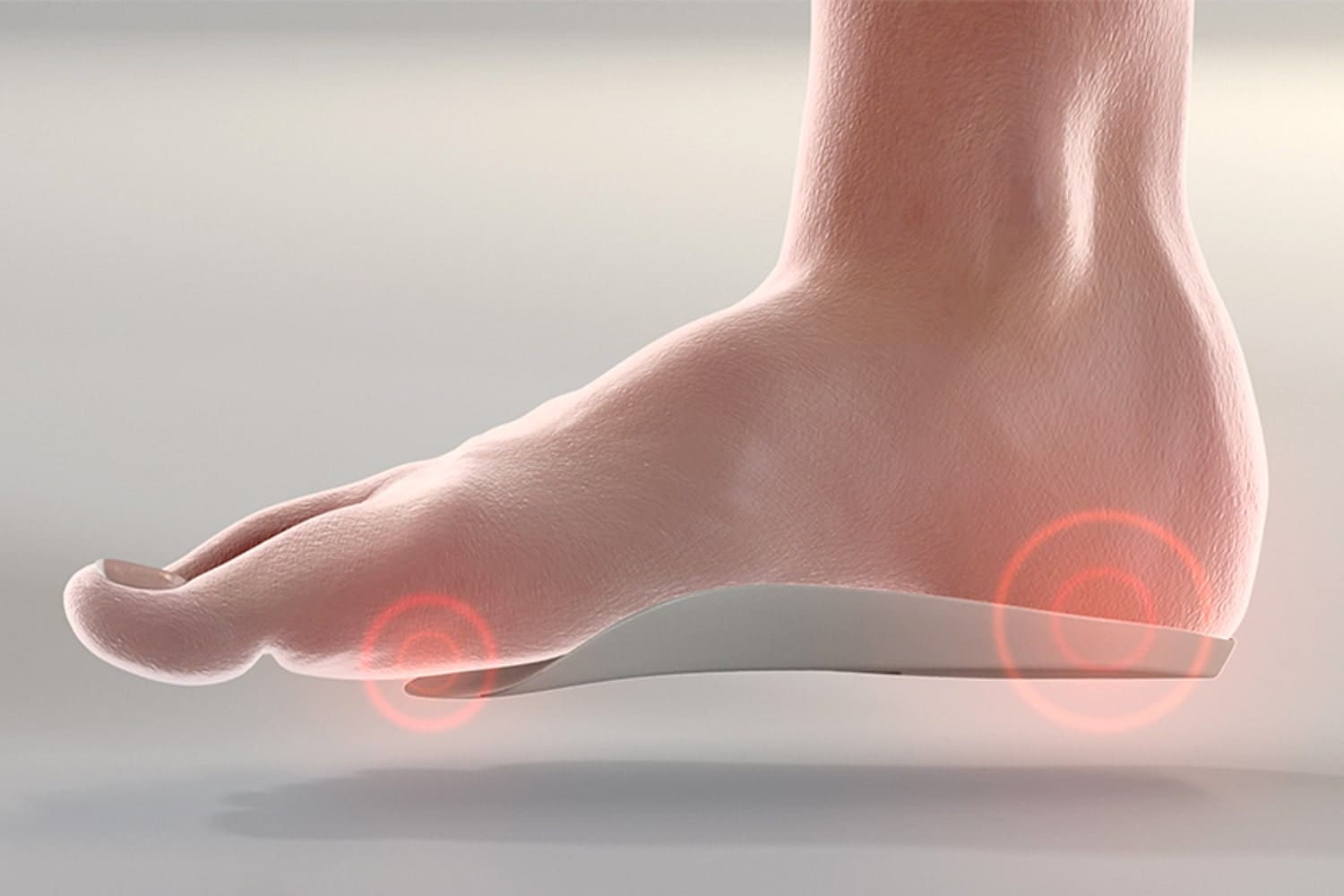
If you’ve ever limped across the floor first thing in the morning, wincing with each step as a sharp pain radiates from your heel, you’ve likely experienced the unmistakable sign of plantar fasciitis. This condition affects up to 10% of people at some point in their lives and is one of the most common causes of heel pain. It occurs when the plantar fascia—a thick band of connective tissue running from your heel to your toes—becomes inflamed due to repetitive strain, micro-tears, or poor foot mechanics. Left untreated, it can persist for months or even years.
While rest, stretching, and ice offer temporary relief, arch support targets the root cause: abnormal foot mechanics. Unlike soft foam insoles that merely cushion pain, therapeutic arch supports actively correct how your foot moves and bears weight. By stabilizing the arch, aligning the heel, and distributing pressure evenly, they reduce strain on the plantar fascia and create the ideal conditions for healing. In this guide, you’ll discover exactly why arch support helps with plantar fasciitis recovery, how it works biomechanically, and what to look for in an effective insert.
Restores Neutral Foot Alignment
One of the primary reasons arch support is effective is its ability to realign the foot into a neutral, balanced position. When your foot rolls too far inward (overpronation) or outward (supination), it places abnormal stress on the plantar fascia—delaying healing and worsening pain.
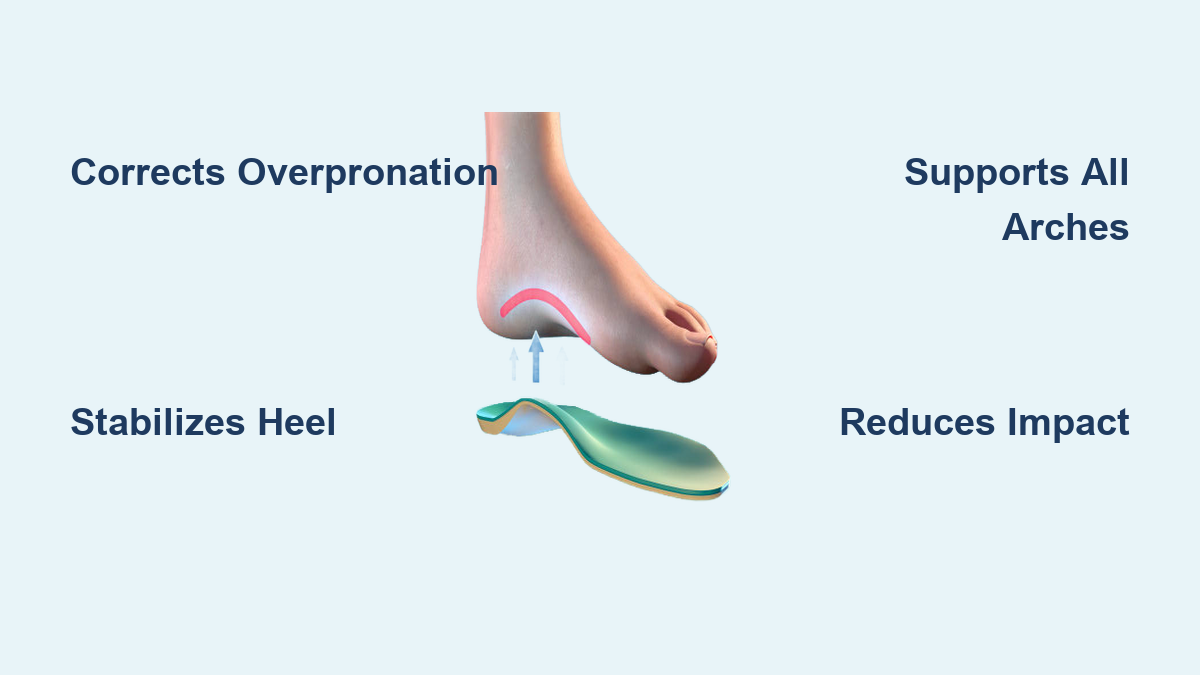
Corrects Overpronation in Flat Feet
Overpronation is a leading contributor to plantar fasciitis, especially in individuals with flat feet. As the foot rolls inward during walking or standing, the arch collapses, stretching the plantar fascia like a rubber band. This constant overstretching leads to micro-tears at its attachment point on the heel bone.
Arch supports with firm medial longitudinal support lift the inner arch, preventing this collapse. By stabilizing the foot’s foundation, they reduce tensile load on the fascia, allowing inflammation to subside and tissue to heal. Clinical studies show that patients who use corrective arch supports report significant reductions in heel pain within 4–6 weeks, particularly when combined with stretching.
Balances Supination in High Arches
People with high arches (pes cavus) often underpronate or supinate, meaning their feet roll outward and fail to absorb shock effectively. This stiffness concentrates pressure on the heel and outer edge of the foot, increasing compressive forces on the plantar fascia during heel strike.
For these individuals, arch supports provide lateral stability and targeted cushioning. Some feature dual-density foam or carbon fiber reinforcement to balance rigidity and flexibility, ensuring even force distribution. By reducing jarring impacts and preventing excessive outward rolling, these inserts protect the fascia from repeated trauma.
Supports All Four Foot Arches

Most people only think about the inner arch—but your foot actually has four interconnected arches, each essential for proper load management and stability. Ignoring any one of them can compromise recovery.
Medial Longitudinal Arch Support
This is the longest and most visible arch, running from the heel to the ball of the foot along the inner side. When it flattens due to overuse or weak muscles, the plantar fascia stretches excessively.
Therapeutic insoles provide contoured, firm support under this arch, mimicking the natural curve of a healthy foot. This reduces strain at the fascia’s origin on the heel, promoting healing.
Lateral Longitudinal Arch Support
Located along the outer edge of the foot, this arch helps stabilize the ankle and prevent lateral instability. In supinators, it’s often underutilized.
High-quality arch supports include reinforced lateral flares that prevent the foot from rolling outward, improving alignment and reducing torsional stress on the plantar fascia.
Transverse Arch Support
This arch spans across the midfoot, supporting the metatarsal bones. When it sags, pressure shifts forward to the ball of the foot, pulling the plantar fascia and increasing tension.
Insoles with domed midfoot contours or metatarsal pads lift this arch slightly, redistributing weight backward and reducing forward pull on the fascia.
Metatarsal Arch Support
Spanning the ball of the foot, this arch aids in push-off during walking. Poor support here can lead to metatarsalgia, which alters gait and indirectly worsens plantar fasciitis.
Therapeutic inserts often feature a metatarsal rise—a small bump just behind the toes—that unloads pressure and restores natural foot mechanics.
Stabilizes the Heel with Deep Cup Design

The plantar fascia attaches directly to the heel bone, making heel stability crucial. A well-designed arch support includes a deep, contoured heel cup that cradles the calcaneus and prevents damaging motion.
Prevents Heel Slippage and Rotation
Without proper containment, the heel can shift side-to-side or rotate with each step, creating shearing forces at the fascia’s origin. A heel cup that’s at least 1 inch deep keeps the heel centered, minimizing microtrauma—especially important for those standing on hard surfaces like concrete or tile.
Absorbs Impact at Heel Strike
Every time your heel hits the ground, it absorbs 2–3 times your body weight—up to 5 times when running. A heel cup made of multi-density foam, gel, or EVA absorbs and disperses this impact, reducing jarring forces that aggravate inflammation.
Centers the Heel for Even Force Distribution
A centered heel ensures pressure is spread evenly across the foot rather than concentrated on one spot. This balanced loading reduces localized stress on the plantar fascia and supports healthier gait mechanics—key for long-term recovery.
Reduces Impact with Targeted Cushioning
While structure is vital, strategic shock absorption is equally important. Effective arch supports aren’t soft and squishy—they’re engineered to cushion high-impact zones without sacrificing support.
Multi-Density Foam for Smart Cushioning
High-performance insoles use layered materials:
– Firm foam under the arch maintains shape.
– Softer gel or foam in the heel absorbs shock.
– Denser edges prevent collapse.
This combination delivers comfort where needed while preserving biomechanical correction.
Activity-Specific Designs Matter
Your needs depend on your lifestyle. Runners need more cushioning; office workers benefit from moderate support. Look for:
– High-impact: Extra heel padding, reinforced arch.
– Everyday wear: Lightweight, flexible materials.
– Work boots or dress shoes: Low-profile designs that fit snugly.
Avoids the Pitfalls of Generic Foam Insoles
Many people buy soft insoles expecting relief—only to find pain returns in weeks. Why? Generic foam flattens under weight, losing support and allowing the arch to collapse again.
Therapeutic supports use medical-grade EVA, polypropylene, or carbon fiber—materials built to last and maintain performance over time.
Distributes Pressure Evenly Across the Foot
Uneven pressure is a silent driver of plantar fasciitis. When too much weight falls on the heel or forefoot, the fascia bears the brunt.
Reduces Forefoot Pressure with Metatarsal Pads
A built-in metatarsal pad lifts the transverse arch, shifting weight from the ball of the foot to the midfoot. This reduces forward pull on the fascia and promotes healing.
Prevents Hotspots and Calluses
Focal pressure points—seen as calluses or red spots—indicate poor load distribution. Arch supports spread weight across the entire foot, reducing strain.
Supports the Full Foot, Not Just the Arch
Many over-the-counter insoles only support the medial arch. But if the heel, forefoot, or lateral arch is unsupported, the foot compensates—leading to new pain.
Effective arch supports provide full-contact design, ensuring every part of the foot is supported in harmony.
Enhances Lateral Stability to Prevent Shear Forces
Side-to-side instability creates shearing forces across the plantar fascia, delaying healing.
Dual-Sided Longitudinal Support
High-quality inserts include firm medial and lateral walls that prevent both inward collapse and outward rolling, creating a stable platform.
Wide Heel Base for Balance
A broad heel cup prevents slippage inside the shoe—especially important for wide feet or loose-fitting footwear.
Firm Materials That Hold Their Shape
Flexible foam bends and loses stability. In contrast, semi-rigid materials like polypropylene or carbon fiber maintain structure under heavy loads, ensuring all-day support.
Therapeutic vs. Generic Insoles: Know the Difference

Not all arch supports are equal. The difference between temporary relief and long-term recovery often comes down to whether you’re using therapeutic or generic insoles.
Why Generic Insoles Fail
- Made of soft foam or gel that flattens quickly.
- Offer cushioning without correction.
- Allow continued overpronation.
- May worsen plantar fasciitis by masking pain without fixing mechanics.
Why Therapeutic Insoles Work
- Use semi-rigid or rigid materials that maintain shape.
- Correct alignment and gait.
- Support all four arches and the heel.
- Are designed to reduce fascial strain, not just absorb shock.
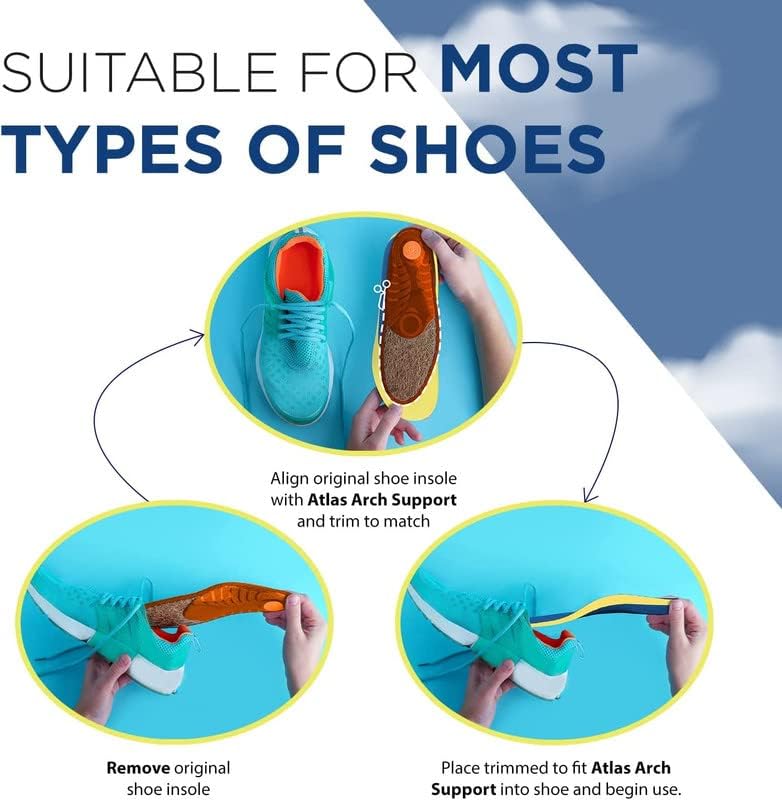
- Often require professional fitting for optimal results.
Custom and Professionally Fitted Orthotics Work Best
While OTC options help, custom or professionally fitted orthotics deliver superior outcomes, especially for chronic cases.
How Custom Orthotics Are Made
- A 3D scan or mold captures your foot’s exact shape.
- A specialist analyzes your gait, arch height, and weight distribution.
- The orthotic is tailored to your shoes, activity level, and biomechanics.
Benefits of Professional Fitting
- Accurate arch measurement
- Gait analysis
- Test fitting and adjustments
- Personalized recommendations
Studies show custom orthotics provide greater pain reduction and faster recovery than OTC options.
Use a Progressive Support System for Long-Term Healing
Relying on maximum support all the time can weaken foot muscles. A smarter approach is progressive support—like physical therapy for your feet.
Strengthener Supports for High-Impact Activities
Use firm, full-support insoles for running or long shifts.
Maintainer Supports for Daily Use
Switch to moderate-support insoles for everyday walking.
Relaxer Supports for Recovery and Strengthening
Use light-support insoles or go barefoot (on safe surfaces) to strengthen intrinsic foot muscles.
This system prevents dependence and builds long-term resilience.
Arch Support Is Part of a Bigger Recovery Plan
Arch support is powerful—but most effective when combined with:
– Calf and plantar fascia stretches
– Foot muscle strengthening (towel scrunches, marble pickups)
– Soft tissue therapy (massage, Graston)
– Supportive shoes with firm heel counters
– Weight management and activity modification
Know the Limitations of Arch Support
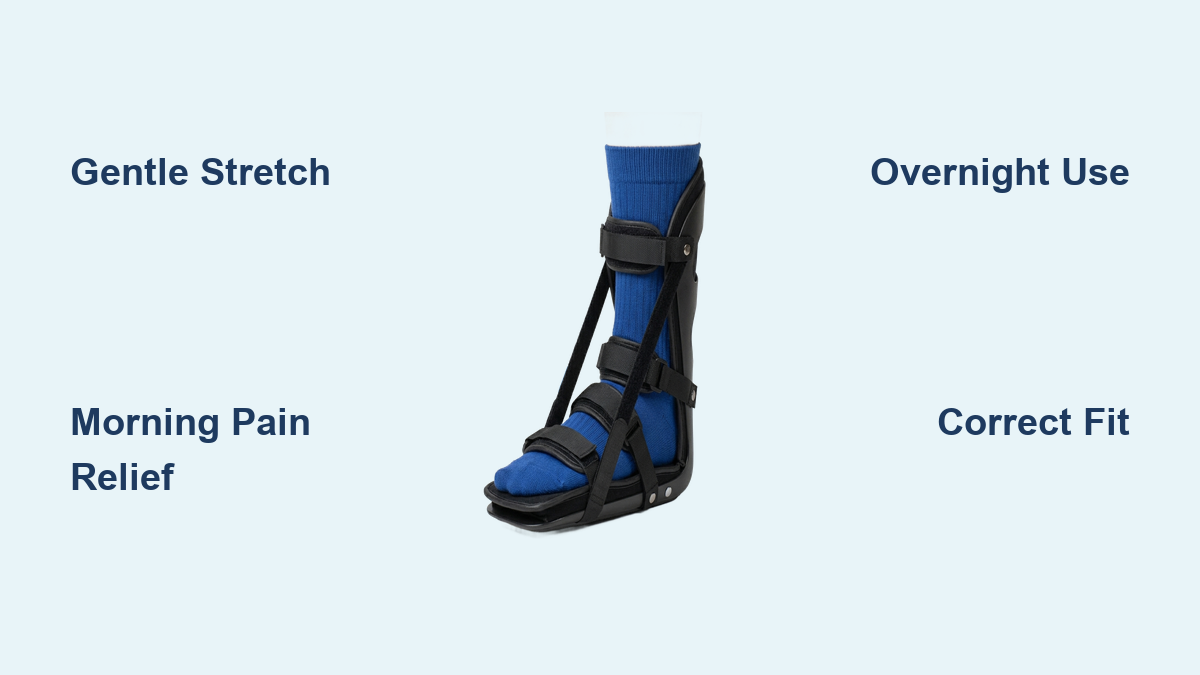
Arch supports aren’t a cure-all. If OTC options fail after 4–6 weeks, consider custom orthotics. Some cases need Plantar Fasciitis braces or low-Dye taping for more direct relief. And if pain returns without insoles, it’s time to focus on active rehabilitation—not just passive support.
Final Note: Arch support helps with plantar fasciitis recovery by correcting the biomechanical imbalances that cause fascial strain. It’s not just about cushioning—it’s about realigning the foot, stabilizing the heel, supporting all four arches, and reducing impact. For best results, choose therapeutic-grade insoles, consider professional fitting, and integrate support into a comprehensive recovery plan that includes stretching, strengthening, and proper footwear. With the right approach, arch support becomes a cornerstone of long-term healing, not just a temporary fix.