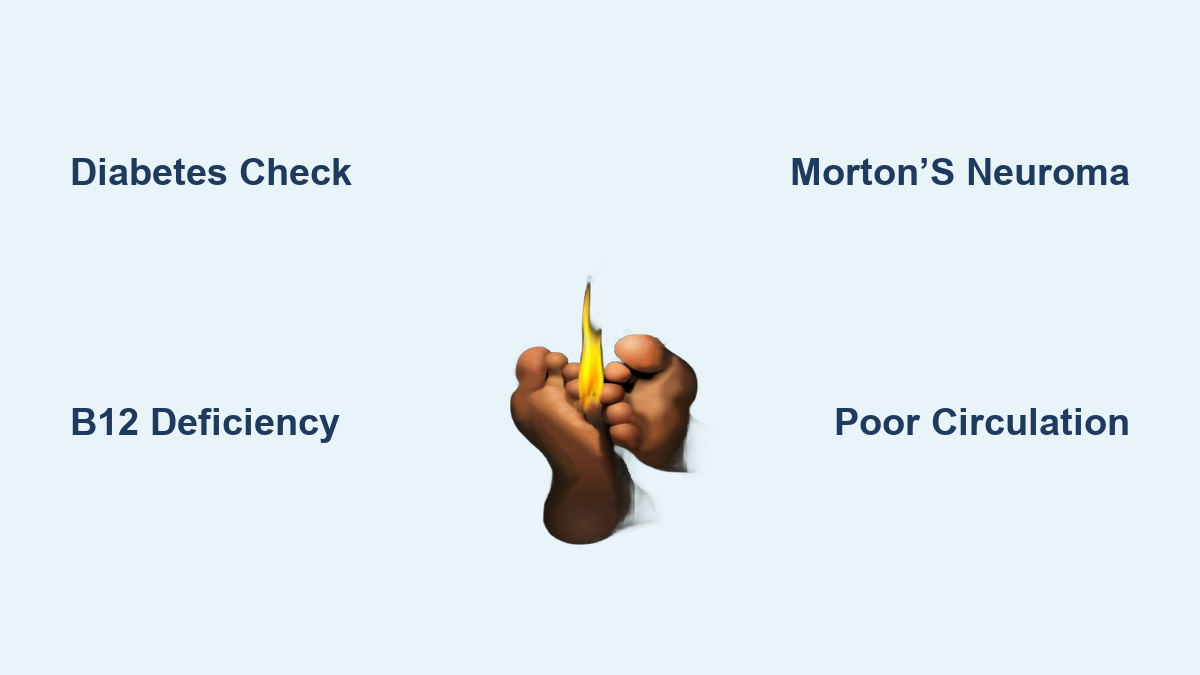
If you’ve ever experienced a persistent, fiery discomfort in your toes—like they’re on fire or tingling intensely—you’re not alone. Burning sensations in toes are a common symptom with a wide range of possible causes, from harmless and temporary issues like tight shoes to serious underlying conditions such as diabetes or nerve damage. While occasional foot discomfort may not raise concern, recurring or worsening burning demands attention. Left untreated, some root causes can lead to permanent nerve damage, foot ulcers, or even amputation in severe cases.
This guide breaks down the most frequent and serious causes of toe burning, helping you understand what might be behind the sensation, when to seek help, and how it’s diagnosed and managed. Whether the issue stems from your footwear, your nerves, or a systemic health problem, recognizing the patterns and triggers is the first step toward relief.
Peripheral Neuropathy: The Leading Cause of Toe Burning

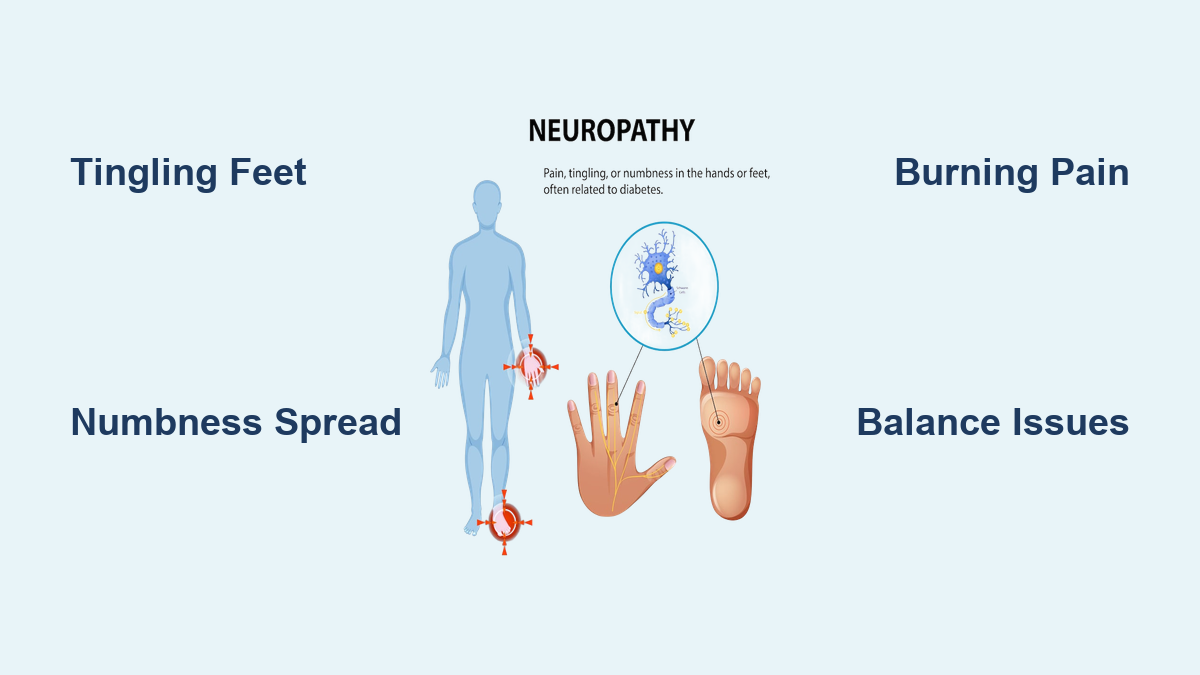
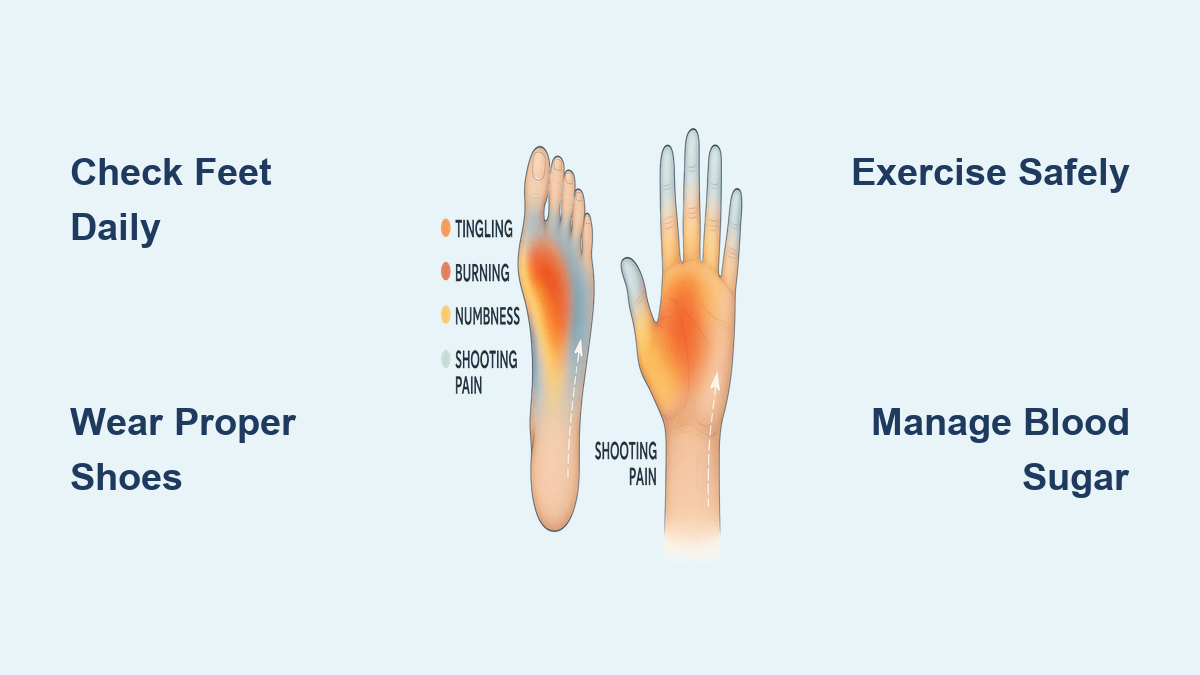
Most cases of burning toes stem from peripheral neuropathy, a condition involving damage or dysfunction of the nerves outside the brain and spinal cord. These nerves transmit sensation from the feet and hands to the brain. When damaged, they often misfire, creating abnormal feelings like burning, tingling, or electric shocks—especially in the toes and soles of the feet.
Peripheral neuropathy typically develops gradually and affects both feet symmetrically, starting in the toes and moving upward in a “stocking-like” pattern. It’s often worse at night and can interfere with sleep and daily activities.
Diabetic Neuropathy: The Most Common Culprit
Diabetes is the top cause of peripheral neuropathy. Chronically high blood sugar damages nerves and the small blood vessels that supply them, leading to diabetic neuropathy. Up to 50% of people with diabetes develop some degree of nerve damage.
- Symptoms: Burning, tingling, or numbness that starts in the toes and spreads upward.
- Triggers: Poor glucose control, long-standing diabetes, smoking, high blood pressure, and kidney disease.
- Danger sign: Loss of sensation increases the risk of unnoticed cuts, blisters, and ulcers—potentially leading to infection or amputation.
Tight blood sugar control through diet, medication, and lifestyle changes can slow or even prevent progression.
Alcohol-Related Nerve Damage
Chronic alcohol use harms nerves directly and depletes essential nutrients like vitamin B12 and thiamine (B1), which are critical for nerve health.
- Symptoms: Gradual onset of burning, numbness, and tingling in both feet.
- Additional signs: Muscle weakness, poor balance, and coordination problems.
- Outlook: Stopping alcohol and correcting nutritional deficiencies can improve symptoms, but long-term damage may be irreversible.
Vitamin B12 Deficiency and Nerve Function
B12 is essential for maintaining the myelin sheath, the protective coating around nerves. A deficiency leads to demyelination, disrupting nerve signals and causing sensory disturbances.
- At-risk groups: Vegans, older adults, and those with digestive disorders like pernicious anemia or Crohn’s disease.
- Symptoms: Burning toes, fatigue, memory lapses, and balance issues.
- Diagnosis: A simple blood test confirms low B12 levels. Treatment includes oral supplements or injections.
Autoimmune and Systemic Diseases That Attack Nerves
Certain immune-mediated conditions can damage nerves or reduce blood flow, leading to burning sensations.
- Lupus (SLE): Causes inflammation of blood vessels (vasculitis), which can injure nerves.
- Rheumatoid arthritis: Joint swelling may compress nerves, or vasculitis can impair circulation.
- Guillain-Barré syndrome: A rare, rapid-onset autoimmune disorder often triggered by infection, causing ascending weakness and burning pain.
- Multiple sclerosis (MS): Though primarily a central nervous system disease, MS can produce peripheral-like symptoms such as burning in the extremities due to disrupted nerve signaling.
Kidney and Thyroid Disorders
- Uremic neuropathy: In chronic kidney disease, toxin buildup damages nerves. Burning toes are often an early warning sign.
- Hypothyroidism: Slowed metabolism affects nerve conduction, leading to cold intolerance, dry skin, and burning feet.
Mechanical Pressure and Foot Deformities
Not all burning toes are caused by internal disease. Physical pressure on nerves in the foot can create localized, often treatable discomfort.
Morton’s Neuroma: Nerve Irritation Between the Toes

This condition involves thickening of tissue around the nerve between the third and fourth toes, usually due to compression.
- Symptoms: Sharp, burning pain in the ball of the foot and toes, often described as walking on a pebble.
- Triggers: Narrow shoes, high heels, or repetitive stress from running.
- Diagnosis: Confirmed via ultrasound or MRI; physical exam may reproduce pain by squeezing the foot.
- Treatment: Wide-toe-box shoes, metatarsal pads, orthotics, or corticosteroid injections. Surgery is a last resort.
Bunions and Bunionettes: Bony Bumps That Cause Friction
Bunions (at the big toe) and bunionettes (at the little toe) create pressure points that irritate surrounding nerves.
- Symptoms: Redness, swelling, and burning where the bump rubs against shoes.
- Contributors: Genetics, flat feet, and tight footwear.
- Management: Padding, toe spacers, night splints, and proper footwear. Severe cases may require surgery.
Footwear-Induced Nerve Compression
Shoes that squeeze the forefoot increase pressure on nerves and soft tissues.
- High-risk footwear: Pointed-toe shoes, high heels, rigid boots.
- Effect: Mimics Morton’s neuroma or causes interdigital neuritis—inflammation of toe nerves.
- Fix: Switching to low-heeled, wide-toe-box shoes often resolves symptoms.
Trauma and Nerve Injury
Injuries like stubbing a toe, dropping something on the foot, or repetitive microtrauma (e.g., from running) can damage nerves.
- Symptoms: Acute burning, numbness, or tingling at the injury site.
- Outcome: Most heal over time, but chronic neuropathic pain can develop if nerve regeneration is impaired.
Poor Circulation: When Blood Flow Is the Problem
Reduced blood supply to the feet deprives nerves and tissues of oxygen, leading to burning and other sensory issues.
Peripheral Artery Disease (PAD)
PAD results from narrowed arteries, reducing blood flow to the legs and feet.
- Symptoms: Burning, cramping, or fatigue in the feet during walking (intermittent claudication).
- Other signs: Cold feet, weak pulses, hair loss on toes, slow-healing sores.
- Risk factors: Smoking, diabetes, high cholesterol, hypertension.
- Diagnosis: Ankle-brachial index (ABI) test or Doppler ultrasound.
Raynaud’s Phenomenon: Cold-Induced Burning
This condition causes extreme vasoconstriction in response to cold or stress.
- Phases: Toes turn white → blue → red as blood flow returns.
- Burning sensation: Occurs during the “reperfusion” phase when blood rushes back.
- Triggers: Cold exposure, emotional stress.
- Associated conditions: Autoimmune diseases like scleroderma or lupus.
Infections and Toxin Exposure
Local or systemic exposures can inflame nerves or skin, producing burning sensations.
Athlete’s Foot (Tinea Pedis)
A fungal infection between the toes causes itching, peeling, and burning.
- Appearance: Red, scaly, moist skin—often between the fourth and fifth toes.
- Contagious: Spreads in damp environments like showers and gyms.
- Treatment: Over-the-counter antifungals (clotrimazole, terbinafine); keep feet dry.
Cellulitis
A bacterial skin infection that can follow athlete’s foot or minor cuts.
- Symptoms: Warm, red, swollen, painful skin; fever may occur.
- Urgency: Requires prompt antibiotics; can spread rapidly.
Toxic Neuropathy
Exposure to certain chemicals damages nerves over time.
- Common toxins: Lead, mercury, arsenic, industrial solvents, pesticides.
- Occupational risk: Farmers, factory workers, painters.
- Symptoms: Burning feet, fatigue, abdominal pain, cognitive changes.
- Diagnosis: Blood or urine testing for heavy metals.
Medication and Chemotherapy Side Effects
Some drugs cause drug-induced neuropathy, with burning toes as an early sign.
- Chemotherapy agents: Platinum-based drugs (cisplatin), taxanes (paclitaxel).
- Antiretrovirals: Used in HIV treatment (e.g., stavudine).
- Antibiotics: Metronidazole, isoniazid (for TB).
- Management: Dose adjustment or switching medications; symptoms may persist after stopping the drug.
Neurological Emergencies: When Burning Signals a Crisis
While rare, sudden burning in the toes can signal a life-threatening condition.
Stroke or TIA
A burning sensation may occur if a stroke affects sensory pathways in the brain.
- Red flags:
- Sudden onset.
- One-sided symptoms (face, arm, leg).
- Confusion, speech difficulty, vision loss.
- Action: Call 911 immediately. Time is critical.
Spinal Cord Issues
Conditions like cauda equina syndrome or spinal stenosis can compress nerves leading to the feet.
- Symptoms: Low back pain, leg weakness, bowel/bladder dysfunction, burning in toes.
- Emergency: Requires urgent imaging and possible surgery.
Diagnostic Steps for Burning Toes

Identifying the cause requires a systematic approach combining history, exam, and testing.
Key Patient History Questions
Your doctor will ask:
– Onset: Gradual or sudden?
– Pattern: One foot or both? Specific toes?
– Timing: Worse at night or after activity?
– Footwear: Tight shoes or high heels?
– Medical history: Diabetes, kidney disease, alcohol use?
– Medications: Any new prescriptions?
Physical Examination Findings
- Skin inspection: Look for ulcers, redness, deformities.
- Temperature and pulses: Cold feet or absent pulses suggest poor circulation.
- Neurological tests:
- Monofilament test: Checks for loss of protective sensation (critical in diabetics).
- Tuning fork: Assesses vibration sense.
- Ankle reflexes: Reduced or absent in neuropathy.
Essential Diagnostic Tests
| Test | Purpose |
|---|---|
| Fasting glucose & HbA1c | Screen for diabetes |
| Vitamin B12 and folate | Detect deficiency |
| TSH | Evaluate thyroid function |
| Creatinine & BUN | Assess kidney function |
| ANA, RF | Rule out autoimmune diseases |
| Nerve conduction studies (NCS) | Confirm neuropathy type and severity |
| Doppler ultrasound | Evaluate blood flow |
| MRI or ultrasound | Detect Morton’s neuroma or spinal issues |
When to Seek Immediate Care
Not all burning toes require emergency care—but some do.
Call 911 If:
- Burning starts suddenly with:
- One-sided weakness or numbness.
- Confusion, trouble speaking, or vision changes.
- Severe headache.
- Signs of stroke or spinal cord compression.
See a Doctor Promptly If:
- Burning is persistent or worsening.
- You have diabetes and notice skin changes or sores.
- There’s swelling, redness, or warmth—possible infection.
- You can’t feel your feet properly—risk of injury.
Preventing Long-Term Complications
Ignoring burning toes can lead to irreversible damage.
Nerve and Foot Damage Risks
- Permanent numbness: Increases risk of undetected injuries.
- Foot ulcers: Common in diabetics; can lead to infection.
- Charcot foot: Collapse of foot joints due to loss of sensation.
- Amputation: In severe, unmanaged cases.
Daily Protection Strategies
- Inspect feet daily: Look for cuts, blisters, or redness.
- Wear proper shoes: Cushioned, supportive, wide toe box.
- Test water temperature: Neuropathy reduces heat sensitivity—avoid burns.
- Quit smoking: Improves circulation.
- Control blood sugar: Critical for diabetics.
Treatment Based on Cause
Effective relief depends on identifying and treating the root issue.
Medical Treatments
- Diabetes management: Tight glucose control slows neuropathy.
- B12 supplementation: Oral or injectable for deficiency.
- Neuropathic pain drugs:
- Gabapentin or pregabalin: Reduce nerve firing.
- Duloxetine or amitriptyline: Antidepressants that ease nerve pain.
- Topical lidocaine or capsaicin: Local relief for sensitive feet.
Podiatric and Mechanical Solutions
- Custom orthotics: Support arches, relieve pressure.
- Metatarsal pads: Offload nerves in Morton’s neuroma.
- Toe spacers and bunion shields: Reduce friction and realign toes.
- Night splints: Prevent bunion progression.
Lifestyle and Home Care
- Foot soaks: Epsom salt may soothe mild discomfort (avoid if skin is broken).
- Cool compresses: For burning due to inflammation or reperfusion.
- Exercise: Walking improves circulation and nerve health.
- Alcohol cessation: Prevents further nerve damage.
Final Note: Burning sensations in the toes are rarely random—they’re a signal from your body that something is wrong. While sometimes caused by simple issues like tight shoes, they can also point to serious conditions like diabetes, nerve damage, or even stroke. Early recognition and accurate diagnosis are key to preventing long-term harm. If the burning persists, worsens, or is accompanied by numbness, weakness, or skin changes, don’t wait—see a healthcare provider. With the right care, most causes are manageable, and many are preventable.