Every step an older adult takes can be a reminder of aging—aching heels, sore balls of the feet, stiff joints, and fatigue that sets in after just minutes of standing. As we grow older, the natural fat padding under our feet gradually thins, leaving bones closer to the ground and increasing pressure with each movement. This makes even simple tasks like walking to the kitchen or standing in line at the pharmacy painful. One of the most effective, low-cost solutions? Memory foam insoles.
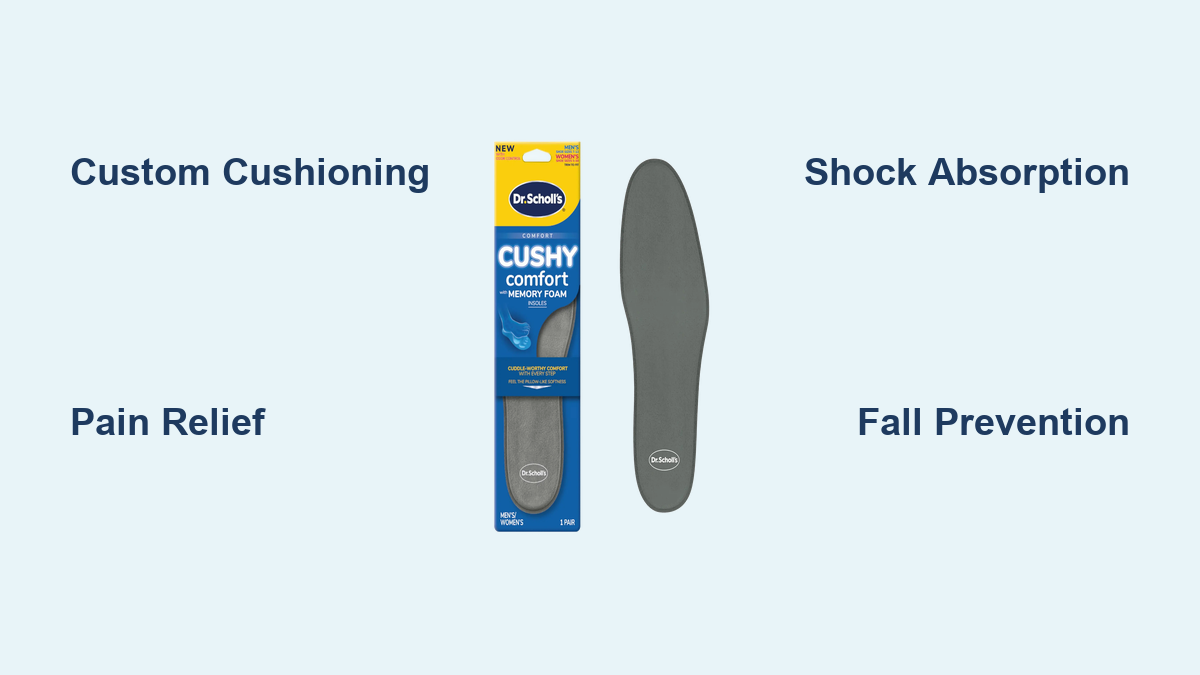
Specially designed to adapt to the unique contours of each foot, memory foam insoles offer personalized cushioning, shock absorption, and stability—three critical needs for aging feet. Unlike flat, generic inserts, these insoles use body heat and weight to mold precisely to the foot, delivering targeted pressure relief exactly where it’s needed. For elderly individuals managing conditions like arthritis, plantar fasciitis, or diabetes, this isn’t just about comfort—it’s about maintaining mobility, reducing pain, and lowering the risk of falls.
Backed by clinical research and widely used in geriatric care, memory foam insoles are more than a shoe upgrade—they’re a proactive step toward healthier aging. From improving circulation to enhancing balance, the benefits go far beyond softening each step. When chosen wisely and used correctly, they become essential tools for preserving independence and quality of life.
Customized Cushioning That Adapts to Aging Feet
As people age, the protective fat pads under the heel and forefoot naturally deteriorate. This loss leaves bony areas more exposed, increasing discomfort on hard surfaces and raising the risk of sores or ulcers—especially in those with diabetes. Memory foam insoles directly counteract this issue by acting as artificial fat pads that conform dynamically to the foot’s shape.
Using heat and pressure sensitivity, high-density memory foam molds to the individual’s foot within minutes of wear, creating a custom fit that standard foam or gel inserts can’t match. This personalized contouring ensures even weight distribution, eliminating high-pressure zones that lead to calluses, pain, and tissue damage. Studies show these insoles significantly reduce peak plantar pressure, a key factor in preventing foot ulcers in diabetic seniors.
For elderly users who spend long periods standing or walking—whether at home, in care facilities, or during rehabilitation—this adaptive cushioning means less foot fatigue and greater endurance. The result? Longer, more comfortable movement with reduced reliance on pain medication.
Pressure Redistribution Prevents Skin Breakdown
One of the most critical benefits of memory foam is its ability to spread pressure uniformly across the sole. In aging feet, especially those affected by neuropathy, high-pressure spots can go unnoticed and quickly develop into sores or ulcers. Memory foam eliminates these “hotspots” by compressing gradually under load, ensuring no single area bears excessive force.
This feature is particularly vital for seniors with diabetes, who are at high risk for foot complications. Even minor pressure imbalances can lead to serious wounds. By maintaining consistent contact across the foot, memory foam supports skin integrity and promotes healing in vulnerable areas.
Pain Relief for Common Age-Related Foot Conditions
Chronic foot pain affects millions of older adults, often limiting daily activities and reducing independence. Memory foam insoles help manage several common conditions by combining cushioning with biomechanical support.
Reduce Heel Pain from Plantar Fasciitis
Plantar fasciitis causes intense heel pain, especially with the first steps in the morning. Memory foam insoles with built-in arch support help by stabilizing the foot and reducing strain on the inflamed plantar fascia ligament. The cushioned heel absorbs impact at heel strike, minimizing microtrauma that worsens inflammation.
Clinical studies confirm that supportive insoles improve pain and function in plantar fasciitis patients. For seniors, this means walking with less pain and greater ease—often without needing additional treatments.
Soothe Forefoot Pain from Metatarsalgia
Pain under the ball of the foot—known as metatarsalgia—is common in older adults due to thinning fat pads and altered gait. Premium memory foam insoles address this with up to 43% more padding in the forefoot area, providing targeted shock absorption and offloading pressure from the metatarsal heads.
This extra cushioning reduces burning sensations, protects against repetitive stress, and allows smoother push-off during walking. Many users report immediate relief, making daily movement more comfortable and less painful.
Ease Arthritis-Related Joint Discomfort
Arthritis in the feet causes stiffness, swelling, and pain with every step. Memory foam helps by cushioning bony prominences and inflamed joints, reducing friction inside shoes and softening impacts from hard floors.
Because the material slowly rebounds after compression, it offers consistent support throughout the day. This helps arthritic feet move more freely and reduces pain not just in the feet, but also in the ankles, knees, and lower back—areas often affected by poor foot mechanics.
Shock Absorption to Protect Aging Joints

Every step sends shock waves up the legs, affecting knees, hips, and spine. As cartilage wears down with age, joints become less able to absorb these forces, leading to pain and accelerated degeneration.
Minimize Joint Stress on Hard Floors
Memory foam acts as a built-in shock absorber, compressing gradually to dissipate impact energy before it reaches vulnerable joints. This is especially beneficial on common household surfaces like tile, wood, and concrete, which offer little natural cushioning.
The viscoelastic nature of the foam means it cushions without collapsing, maintaining stability while protecting joints. Seniors often report feeling “lighter on their feet” and experience less end-of-day soreness when wearing supportive insoles daily.
Help Prevent Long-Term Joint Damage
By reducing repetitive impact, memory foam insoles may help slow the progression of osteoarthritis in weight-bearing joints. Less jarring with each step means reduced inflammation and lower risk of joint deterioration over time.
This protective effect supports long-term mobility, allowing older adults to stay active without worsening joint pain.
Improve Circulation and Maintain Foot Hygiene

Good blood flow and dry skin are essential for elderly foot health, especially for those with diabetes or vascular conditions. Memory foam insoles contribute to both through smart materials and design.
Support Healthy Blood Flow
High-pressure points can compress small blood vessels, impairing circulation and delaying healing. By distributing weight evenly, memory foam helps maintain microcirculation in the feet—critical for tissue repair and preventing ischemia.
For seniors at risk of slow-healing wounds, even pressure means better oxygen delivery and faster recovery from minor injuries.
Prevent Odor and Infections
Many memory foam insoles feature breathable, moisture-wicking covers treated with antimicrobial agents like silver ions. These fabrics draw sweat away from the skin and inhibit bacterial and fungal growth—key for preventing athlete’s foot, odor, and infections.
For older adults with thinning skin or compromised immunity, a clean, dry foot environment reduces the risk of complications from minor irritations.
Enhance Balance and Reduce Fall Risk
Falls are a leading cause of injury and hospitalization among the elderly. Memory foam insoles play a surprising but vital role in fall prevention.
Improve Proprioception and Stability
As we age, our ability to sense foot position (proprioception) declines. A stable, well-cushioned insole provides consistent sensory feedback, improving balance and coordination during walking and standing.
Memory foam’s snug fit helps the foot “feel” the ground better, reducing postural sway and increasing confidence on uneven surfaces.
Control Foot Motion with Deep Heel Cups
A deep heel cup cradles the heel bone, preventing excessive rolling inward (overpronation) or outward (supination). This stabilization reduces ankle strain and enhances gait efficiency.
When paired with supportive footwear, memory foam insoles create a solid base that lowers tripping risk and improves overall mobility.
Choose the Right Features for Maximum Benefit

Not all memory foam insoles are equal. For elderly users, key features make the difference between temporary comfort and lasting support.
Arch Support Prevents Flat Feet Collapse
Pure memory foam lacks structure. The best insoles combine soft foam with a firm, anatomically shaped arch support to stabilize fallen arches and correct overpronation.
Podiatrist-designed models, like those from Aetrex, offer biomechanically accurate contours for long-term alignment and reduced strain.
High-Density Foam for Long-Lasting Support
Low-density foam flattens quickly. High-density, slow-recovery memory foam maintains shape and performance for 6–12 months of daily use.
Look for “medical-grade” or “high-density” labels to ensure durable, consistent cushioning.
Breathable, Cooling Covers for All-Day Wear
Traditional memory foam can trap heat. Modern versions include ventilated covers, gel infusions, or phase-change materials to regulate temperature and prevent overheating.
Use Safely and Maintain Effectively
To get the most out of memory foam insoles, follow best practices.
Consult a Doctor if You Have Diabetes
Seniors with neuropathy or poor circulation should consult a podiatrist before use. While many NHS-approved memory foam insoles are safe for diabetic feet, professional guidance ensures proper fit and reduces ulcer risk.
Ensure Proper Fit and Break In Gradually
Measure feet at the end of the day when slightly swollen. Use trim-to-fit models or heat-moldable options for a custom fit. Start with 1–2 hours of wear and increase over 7–10 days.
Clean and Replace Regularly
Spot-clean with mild soap and air-dry away from heat. Replace every 6–12 months—or when foam flattens and loses rebound—to maintain protection.
Why Memory Foam Outperforms Other Insole Materials
Compared to gel, traditional foam, or cork, memory foam offers superior comfort and support for seniors. Gel doesn’t conform as well, traditional foam wears out fast, and cork lacks immediate cushioning. Memory foam’s adaptive, durable design makes it the best choice for all-day relief.
Final Note: Memory foam insoles are a science-backed, non-invasive way to improve foot health, reduce pain, and enhance mobility in older adults. By combining customized cushioning, shock absorption, and stability, they address the core challenges of aging feet. When selected with care—prioritizing high-density foam, arch support, breathability, and proper fit—they become essential tools for maintaining independence and quality of life. With professional guidance, correct use, and regular maintenance, memory foam insoles offer lasting benefits that go far beyond comfort.