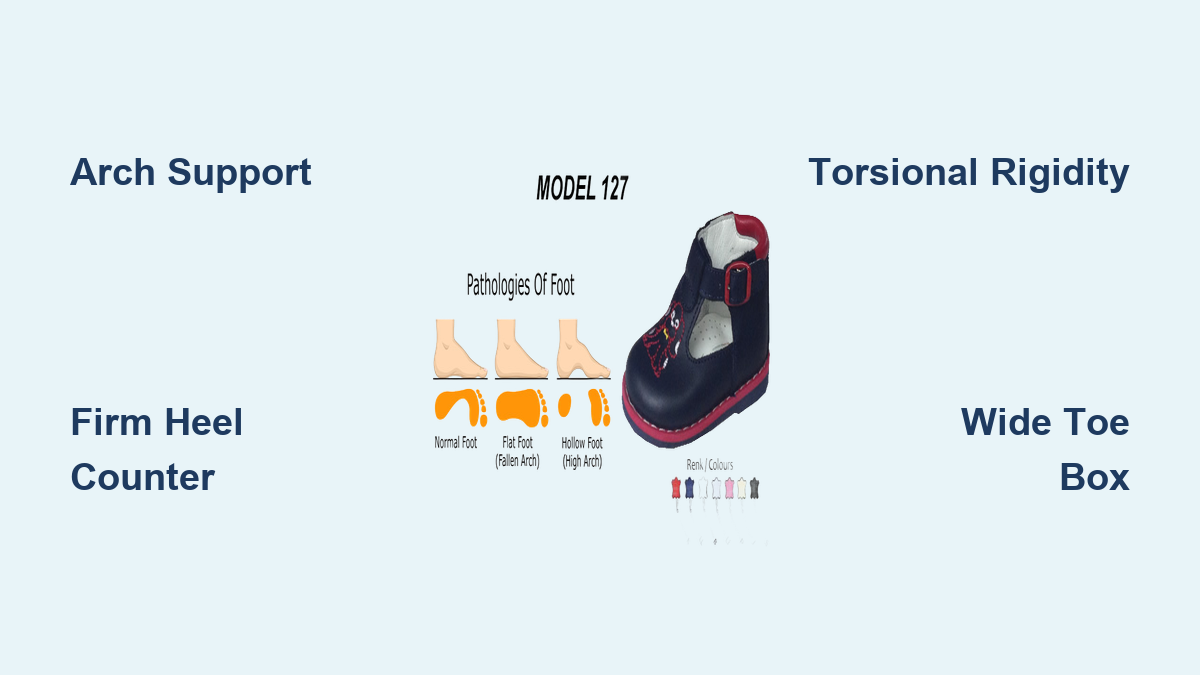
If your child has flat feet, choosing the right shoes is more than a matter of comfort—it’s a critical step in supporting their long-term foot health and overall development. Flat feet, or pes planus, are common in young children, especially under age 6, due to natural fat pads and underdeveloped arches. While most kids outgrow this condition, persistent flat feet beyond early childhood can lead to overpronation, where the foot rolls inward too much during walking. This misalignment can cause pain in the feet, knees, hips, or back if not properly managed. The solution starts with the right footwear: shoes that offer firm heel support, arch guidance, and structural stability. This guide walks you through exactly what to look for in children’s shoes based on age, activity level, and foot type—backed by pediatric podiatry insights and biomechanical research.
Key Features of Supportive Shoes

Arch Support That Guides, Not Forces
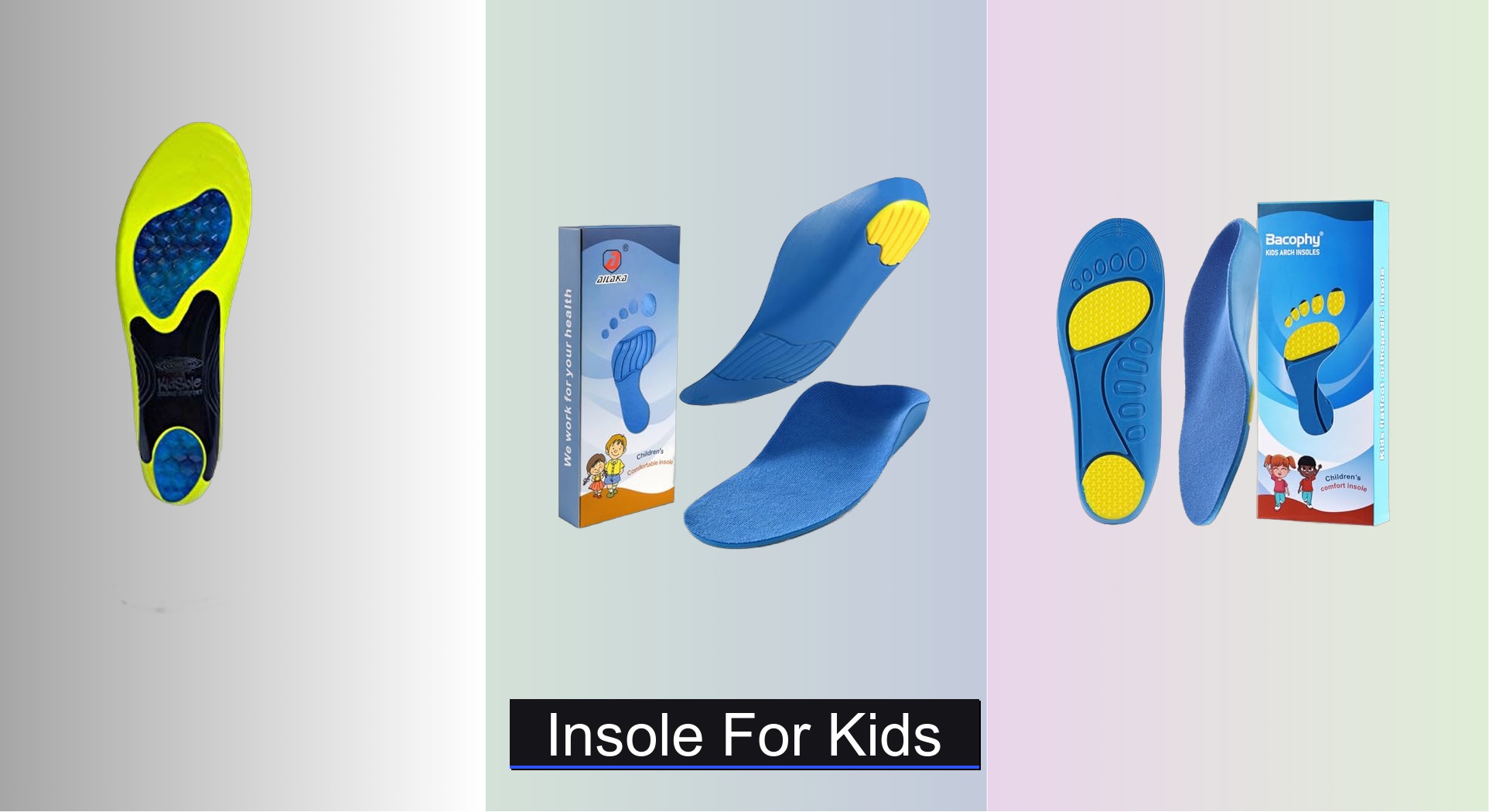
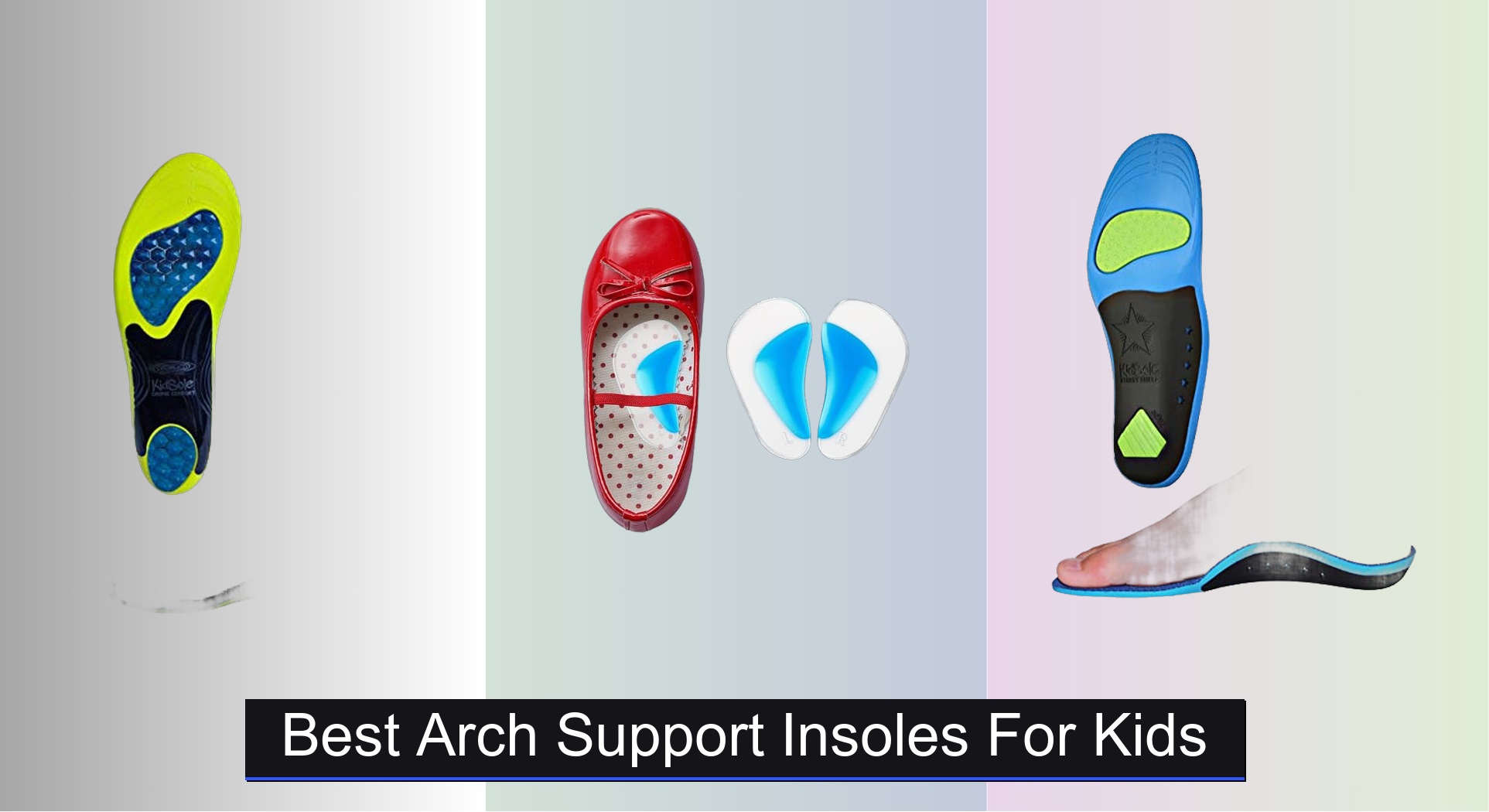
Children with flat feet need arch support that gently lifts the foot’s natural curve without being too rigid. Look for shoes with internal contouring—a subtly raised insole that supports the medial longitudinal arch. This helps reduce overpronation and encourages proper alignment. Avoid completely flat insoles or overly aggressive arches, which can either fail to help or cause discomfort. For children showing symptoms like pain or fatigue, choose models with removable insoles, so you can insert custom or over-the-counter orthotics as needed.
Firm Heel Counter for Stability
A rigid heel counter is essential for children with flat feet. Press your thumb into the back of the shoe—if it collapses easily, it won’t provide the rearfoot control needed to prevent inward rolling. A strong heel cup stabilizes the ankle, reduces tendon strain, and keeps the foot properly aligned, especially during high-impact activities like running or jumping.
Torsional Rigidity for Midfoot Support
Twist the shoe from heel to toe. If it bends easily in the middle, it lacks torsional rigidity—a must-have for flat feet. The shoe should only flex at the forefoot, not under the arch. This stiffness prevents the foot from collapsing inward under weight. Brands like ASICS and New Balance often include reinforced shanks or dual-density midsoles to maintain structural integrity.
Low Heel-to-Toe Drop for Natural Alignment
Opt for shoes with a heel-to-toe drop under 15 mm, ideally close to zero. Even a slight heel can shift weight forward, tighten calf muscles, and hinder arch development. Zero-drop shoes promote a neutral stance and a more natural gait—especially important for children still learning to walk or those with ligament laxity.
Wide Toe Box for Natural Toe Spread
A wide, anatomical toe box allows toes to splay during movement, improving balance and reducing pressure. Ensure there’s 0.5–1.5 cm of space past the longest toe when your child stands. Use the “thumb test”: press across the ball of the foot; you should feel slight compression, not tightness. Remember: width is independent of size—many supportive brands offer wide and extra-wide options.
Supportive Outsole and Balanced Cushioning
The outsole should be made of durable rubber with good traction. Avoid overly soft or “plush” midsoles—they may feel comfortable but lack stability. Instead, look for responsive cushioning that absorbs shock without sacrificing support, especially for running or PE class.
Straight or Semi-Straight Last Design
The last—the mold inside the shoe—should be straight or semi-straight, not curved. Straight-lasted shoes, common in motion control and stability models, help guide the foot into a neutral position, which is especially helpful for moderate to severe overpronation.
Secure Closure Systems
Laces or dual Velcro straps offer the best fit, allowing adjustments for swelling or orthotics. Slip-ons are acceptable only if they have a reinforced heel grip. A loose fit undermines all other supportive features, leading to instability and inefficient gait.
Age-Based Shoe Recommendations

Toddler Shoes (Ages 1–3)
Toddlers are still developing foot strength. Their arches are hidden by fat pads, so shoes should allow natural movement while offering light protection and rearfoot stability. Prioritize flexible soles, non-slip rubber outsoles, soft leather uppers, and mild arch contouring. Top picks include Robeez, Pediped Flex, and Stride Rite Made2Play. Let toddlers go barefoot indoors—it builds intrinsic foot muscles and enhances proprioception.
Preschool Shoes (Ages 4–6)
By age 4, many children begin to develop a visible arch. This is the ideal time to introduce moderate arch support and firmer heel counters. Look for shock-absorbing midsoles, wider designs, and adjustable closures. Recommended models: ASICS GEL-Contend (Kids), New Balance 680v6 (Kids), and Start-Rite Surf Sneaker Sandal. Avoid flip-flops—they force toe gripping and alter gait.
School-Age Shoes (7+ Years)
After age 7, flat feet that cause pain may need more intervention. Shoes should offer high structural support and be ready for orthotics. Prioritize firm heel counters, torsionally rigid midsoles, and sport-specific designs. Top choices: ASICS GEL-Kayano (Kids), New Balance 860v13 (Kids), Stride Rite Tarantula, and Saucony Guide (Kids). If your child complains of leg or knee pain, consult a pediatric podiatrist.
Best Shoe Brands for Flat Feet

| Brand | Best For | Key Strengths |
|---|---|---|
| ASICS | Active kids, overpronation | Firm heel, straight last, durable rubber |
| New Balance | Wide and extra-wide feet | Multiple widths, stability series, orthotic-friendly |
| Stride Rite | Daily wear, school shoes | Adjustable fit, SRT support, durable |
| Pediped | Toddlers and early walkers | Flexible sole, soft leather, mild support |
| KEEN | Outdoor and water play | Wide toe box, protective toe, water-resistant |
| Saucony | Running and PE | Lightweight, responsive cushioning |
| Memo | Severe flat feet, pain | Medical-grade support, orthopedic design |
| Billy | Special needs, orthotics | Easy-on, extra depth, accommodates inserts |
Always have your child try shoes on—fit varies by foot shape, even within the same brand.
Shoe Styles to Avoid
Avoid flip-flops and flimsy sandals—they offer zero heel support and force toe gripping, altering gait. Ballet flats and jelly shoes lack stability and distort foot mechanics. Loose slip-ons without secure heel retention allow heel slippage, negating built-in support. If sandals are needed, choose supportive options like KEEN Newport H2 or Start-Rite Surf.
When to Consider Orthotics
Signs Your Child Needs Orthotics
- Complains of foot, leg, knee, or hip pain
- Shoes wear out quickly on the inner edge
- Walks with a waddling gait or frequently trips
- One foot appears flatter than the other
Choosing Orthotic-Compatible Shoes
Look for removable insoles, extra depth, and adjustable closures. Always try shoes with orthotics inserted to ensure proper fit.
How to Shop and Fit Properly
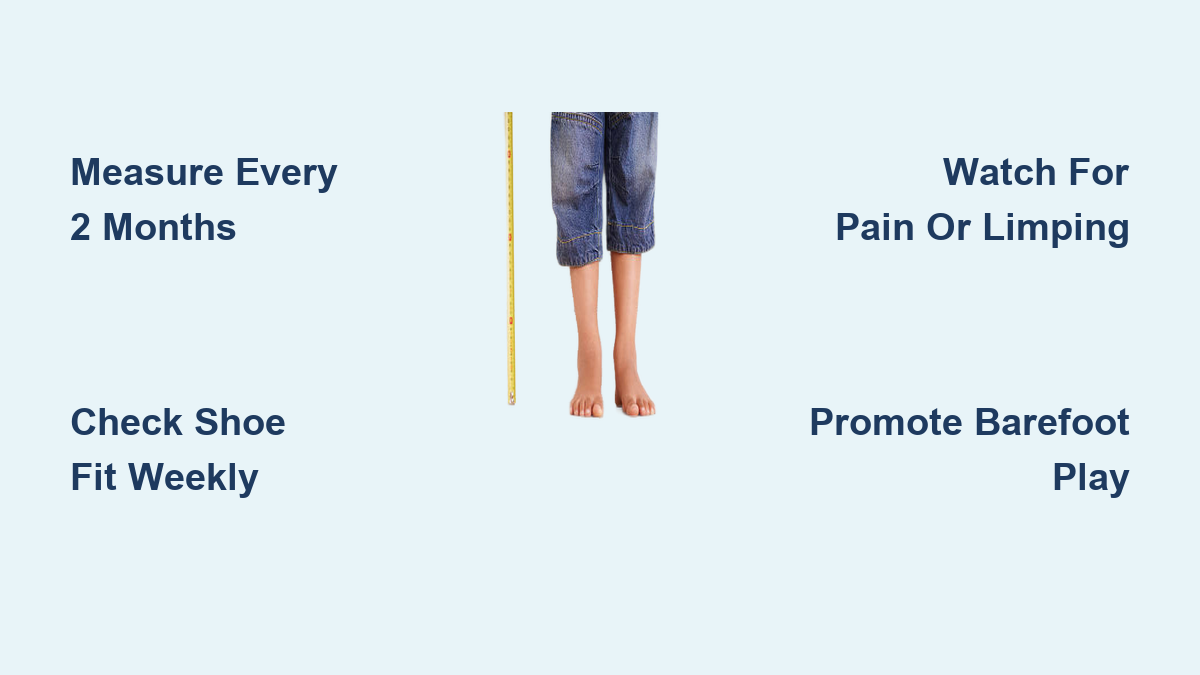
Shop in the late afternoon or evening—feet swell during the day. Measure both feet and re-measure every 2–3 months. Have your child walk for 5 minutes in the store to test fit. Watch for heel slippage, toe jamming, or inward rolling. Bring socks and orthotics during fitting.
Activity-Specific Shoe Guide
| Activity | Recommended Shoes | Why It Matters |
|---|---|---|
| Running / Sports | ASICS GEL-Kayano, Saucony Guide | Shock absorption, motion control |
| Water Play | KEEN Newport H2, Seacamp II | Non-slip, quick-dry, protective |
| School / Daily Wear | New Balance 860, Stride Rite Tarantula | Heel stability, roomy toe box |
| Outdoor Play | Hiking-style shoes with ankle support | Rugged outsole, weather resistance |
| Dress Events | Supportive Mary Janes or oxfords | Low heel, secure fastening, leather upper |
Never use one pair for all activities—wearing flip-flops to school or running in dress shoes increases injury risk.
Shoe Care and Replacement
Air out shoes daily, clean as directed, and rotate between two pairs. Replace shoes every 3–6 months, or when you notice uneven sole wear, flattened midsoles, or loose heel counters.
Common Mistakes to Avoid
- Buying too big for growth—leads to instability.
- Choosing style over function—avoid trendy but unsupportive shoes.
- Ignoring width—try wide if needed.
- Using hand-me-downs—soles lose support.
- Letting kids go barefoot outdoors—increases injury risk.
- Delaying professional help—see a specialist if pain persists.
Final Tips for Long-Term Foot Health
Let your child walk barefoot indoors to strengthen foot muscles, but always use supportive shoes outdoors. Monitor gait and shoe wear patterns—excessive inner wear signals overpronation. Consult a pediatric podiatrist if pain, asymmetry, or gait issues persist after age 6.
There’s no one-size-fits-all shoe for flat feet. The best choice combines support, fit, and function—and may evolve as your child grows. With the right shoes, you’re not just buying footwear—you’re building a foundation for a lifetime of healthy movement.