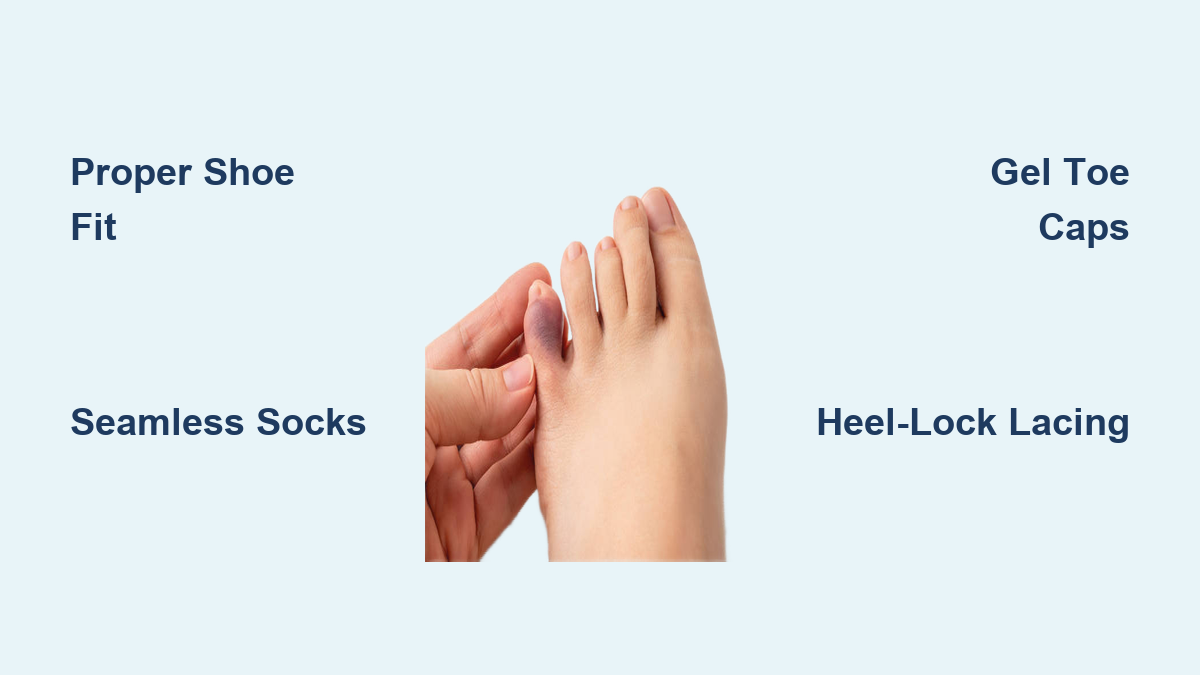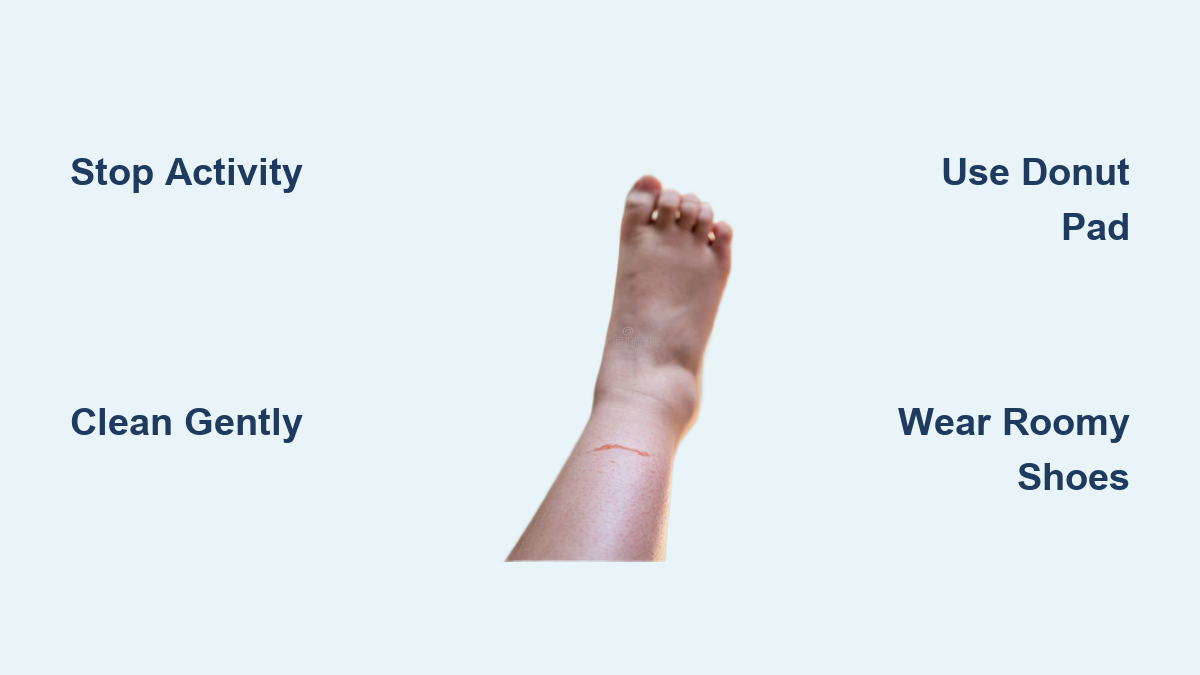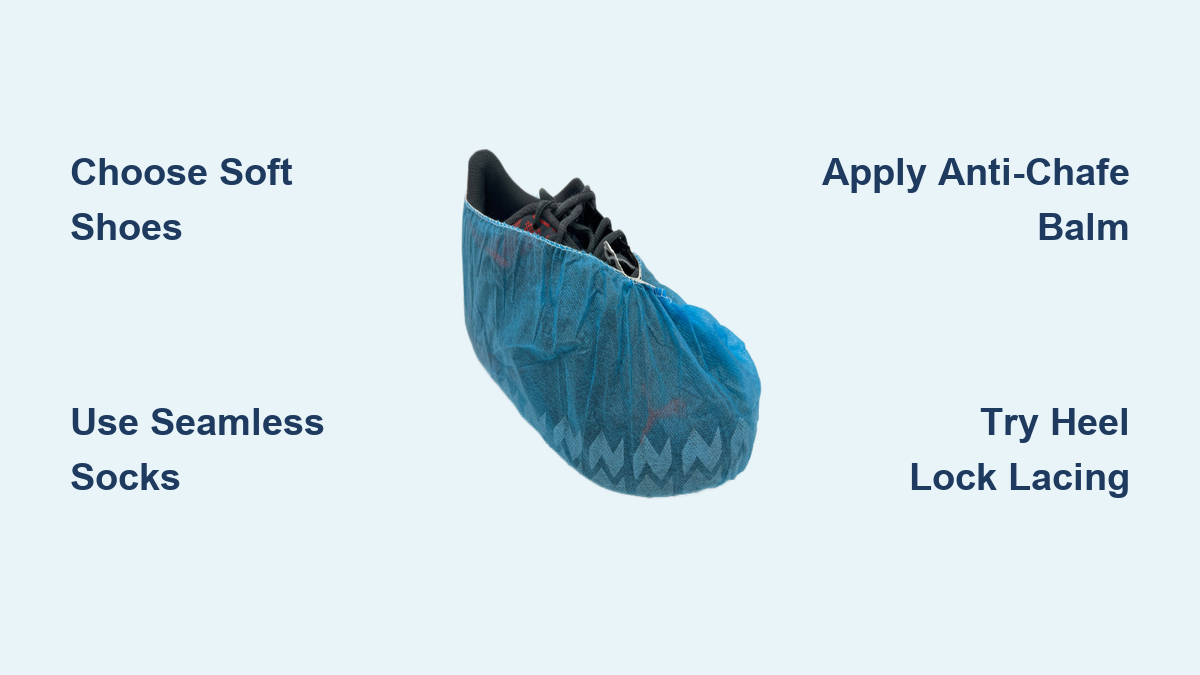
If you’ve ever winced with every step because your heel is raw from rubbing against your shoe, you know how quickly discomfort can escalate. For people with sensitive skin—whether due to genetics, conditions like Epidermolysis Bullosa Simplex, or simply thin, reactive skin—shoe friction isn’t just a nuisance. It can lead to painful blisters, chafing, and even open sores that risk infection. The good news? You don’t have to suffer. With the right strategies, you can stop shoe rubbing before it starts.
This guide delivers science-backed, practical solutions to protect delicate skin from friction, prevent irritation, and keep your feet comfortable—no matter the shoe. From choosing the right footwear to applying smart lacing techniques and treating early warning signs, these steps are designed for real-life use and long-term protection.
Choose Shoes That Fit Perfectly and Support Sensitive Skin

Measure Your Feet at the End of the Day
Feet swell throughout the day, especially in heat or after activity. Always measure your feet in the evening to ensure the most accurate fit. Leave about ½ inch (a thumb’s width) between your longest toe and the front of the shoe. The heel should stay secure with less than 1/8 inch of lift during walking. This prevents slippage—the leading cause of heel blisters.
Prioritize Soft, Breathable Materials
Stiff leathers and synthetic linings increase friction and trap moisture. Opt for shoes with real leather uppers and linings, which naturally mold to your foot over time. Avoid rough internal seams, rigid heel counters, or glued overlays that can rub against sensitive areas. For sandals, choose styles with padded straps and adjustable buckles like Birkenstocks or Tevas.
Match Your Shoes to the Activity
Wearing dress shoes for a full workday? Pick ones with cushioned insoles and wide toe boxes. Running or hiking? Use athletic shoes designed for your gait, with breathable mesh and reinforced heels. Never use casual shoes for high-impact activities—lack of support increases foot movement, raising friction risk.
Prevent Friction with Smart Socks and Skin Barriers

Wear Moisture-Wicking, Seamless Socks
Cotton socks absorb sweat and stay damp, increasing friction. Instead, choose merino wool, polyester, or nylon blends that wick moisture away. Seamless socks eliminate internal stitching that can irritate heels and toes. For extra protection, try double-layer socks—they reduce shear forces between your skin and the shoe. Keep spare dry socks on hand and change them if your feet get sweaty.
Apply Anti-Chafing Products to High-Risk Zones
Create a slick barrier on heels, ankles, and toes. Petroleum jelly (Vaseline) works instantly—apply a thick layer before slipping on shoes. For longer wear, use Body Glide or similar wax-based balms. These are waterproof and effective during sweating, making them ideal for runners, hikers, or anyone in heels.
Use Powder to Keep Skin Dry
Damp skin sticks to fabric and increases friction. Dust your feet with talcum or cornstarch powder before putting on socks. It absorbs sweat and reduces stickiness. For chronic sweating, apply clinical-strength foot antiperspirant (containing aluminum chloride) at night. This is commonly used by performers and pageant contestants who wear tight shoes for hours.
Use Protective Padding to Shield Sensitive Areas

Apply Heel Grips and Gel Pads
If your heel slips, friction is inevitable. Stick silicone or gel heel grips inside the shoe’s heel cup to lift and cushion the foot. These are especially effective in boots and dress shoes, reducing rubbing on the Achilles tendon and preventing “shoe bites” at the back of the ankle.
Use Moleskin for Targeted Protection
Cut pieces of moleskin and apply them directly to the shoe’s interior where rubbing occurs—like the collar or side seams. You can also place it on your skin over hot spots. It’s soft, adhesive-backed, and creates a durable buffer. Reapply as needed.
Add Tongue Pads and Toe Protectors
For pressure on the top of the foot, foam tongue pads stick under the shoe’s tongue to reduce lace pressure. For toe friction, silicone toe caps shield individual toes—especially the pinky toe—from rubbing. These are ideal for narrow or pointy shoes.
Break In and Modify Shoes to Reduce Rubbing
Break In New Shoes Gradually
Never wear stiff new shoes all day. Start with 1–2 hours at home, walking on carpet. Watch for redness or warmth—early signs of friction. Apply Vaseline or bandages to vulnerable areas during the break-in phase. Thick socks can help stretch tight spots while protecting your skin.
Soften Stiff Heel Counters
The rigid back of a shoe often causes blisters. To soften it:
1. Use your thumb and palm to massage the inside heel counter in circular motions.
2. Apply low-heat from a hairdryer for 30–60 seconds to make leather pliable.
3. Immediately wear the shoe with thick socks to mold it to your foot.
Repeat over several days for best results.
Stretch Shoes at Home
If shoes are too tight:
– Freezer method: Fill sealed bags with water, place in shoes, and freeze. Expanding ice gently stretches the material.
– Damp newspaper method: Stuff damp paper inside and let dry overnight—the expansion loosens the shoe.
– Shoe stretch sprays: Commercial sprays soften leather for easier molding.
For precision, visit a cobbler who can use mechanical stretchers.
Smooth Rough Edges
Run an emery board or fine sandpaper over sharp interior seams or edges. For leather straps (like on sandals), apply coconut oil to soften and condition the material. This reduces abrasion on sensitive skin.
Secure Your Foot with Heel Lock Lacing
Use the Heel Lock Technique to Prevent Slippage
This method eliminates heel lift—the #1 cause of back-of-heel blisters. Works on shoes with an extra eyelet near the top.
How to Tie a Heel Lock:
1. Lace normally up to the second-to-last eyelet.
2. Feed each lace end through the top side (locking) eyelet to create a loop.
3. Cross laces over the tongue to form an X.
4. Pull each lace down through its own loop.
5. Tighten the loops around the midfoot, then tie a secure knot.
This locks your foot in place, reducing heel lift by up to 50%. No extra gear needed—just your shoelaces.
Act Fast: Treat Redness and Hot Spots Before Blisters Form
Stop at the First Sign of Redness
Red, warm, or tender skin means microtrauma is happening. Stop wearing the shoes immediately. Continuing will turn it into a blister. Treat the area with petroleum jelly and cover it with a loose bandage or hydrocolloid dressing.
Apply Blister-Preventing Bandages
Use fabric bandages or hydrocolloid patches (like Compeed or Band-Aid Blister Defense) on hot spots before blisters form. These cushions absorb pressure and reduce shear. Silicone patches stay in place and mimic skin movement.
Carry a Blister Prevention Kit
Keep a small kit in your bag with:
– Moleskin
– Blister bandages
– Antiseptic wipes
– Vaseline or Body Glide
– Extra dry socks
This lets you respond fast when friction starts.
Care for Blisters If They Form
Do Not Pop Blisters Unless Necessary
An intact blister is protected from infection. Only drain if it’s large, painful, or in a high-pressure area. Use a sterilized needle to puncture at the edge, not the center. Let fluid drain, leave the skin on, then apply petroleum jelly and cover with a sterile bandage.
Watch for Signs of Infection
Look for:
– Increasing redness or swelling
– Pus or cloudy fluid
– Red streaks up the leg (seek emergency care)
– Fever
If you have diabetes or poor circulation, see a doctor immediately—even small wounds can become serious.
Use Healing Home Remedies
- Honey: Medical-grade honey has antimicrobial properties—apply under a bandage.
- Aloe vera gel: Soothes inflammation and supports healing.
- Petroleum jelly: Keeps the area moist, speeds healing, and prevents scab cracking.
Special Considerations for High-Risk Skin
Diabetics Must Be Extra Cautious
Nerve damage and poor blood flow mean blisters heal slowly and can lead to ulcers. Inspect feet daily. Never ignore a blister. See a podiatrist at the first sign of trouble—do not self-treat open wounds.
Manage Genetic Skin Conditions
People with Epidermolysis Bullosa Simplex (EBS) have extremely fragile skin that blisters from minor friction or heat. They need:
– Seamless, soft footwear
– Custom orthotics or padding
– Dermatologist-guided care
– Shoes made of natural, non-irritating materials
Avoid Allergens in Shoe Materials
Some skin reactions are due to glues, dyes, or synthetic linings. If you notice itching or rash, switch to shoes with real leather lining and minimal chemical treatment.
Maintain Long-Term Foot Health
Rotate Your Shoes Daily
Wearing the same pair every day traps moisture and prevents full drying. Rotate between 2–3 pairs to let each one air out completely. This reduces bacteria, odor, and internal dampness that increases friction.
Moisturize Nightly
Dry, cracked skin is more prone to irritation. Apply a thick foot cream every night—especially around heels and ankles. Avoid applying between toes, where excess moisture can cause fungal issues.
Trim Toenails Regularly
Long nails press against the shoe’s front, causing pressure and rubbing. Keep them cut straight across and filed smooth to prevent irritation in the toe box.
Wash and Dry Feet Thoroughly
After activity, wash feet with mild soap and dry completely—especially between toes. Moisture there increases fungal risk and softens skin, making it more vulnerable to friction.
Know When to See a Professional
See a Podiatrist If:
- Blisters keep forming in the same spot
- You have diabetes or circulation problems
- Signs of infection appear
- Pain limits walking or daily tasks
Consult a Dermatologist If:
- You suspect a skin condition like EBS
- You have recurring rashes or sensitivity to materials
- Over-the-counter solutions don’t help
Professionals can prescribe custom insoles, recommend specialized footwear, or provide medical treatments to protect fragile skin.
Protecting sensitive skin from shoe rubbing isn’t about luck—it’s about strategy. By choosing the right shoes, using friction barriers, applying smart lacing, and acting fast at the first sign of redness, you can prevent pain before it starts. Combine proper fit, moisture control, and protective padding, and you’ll keep your feet comfortable, blister-free, and ready for anything.